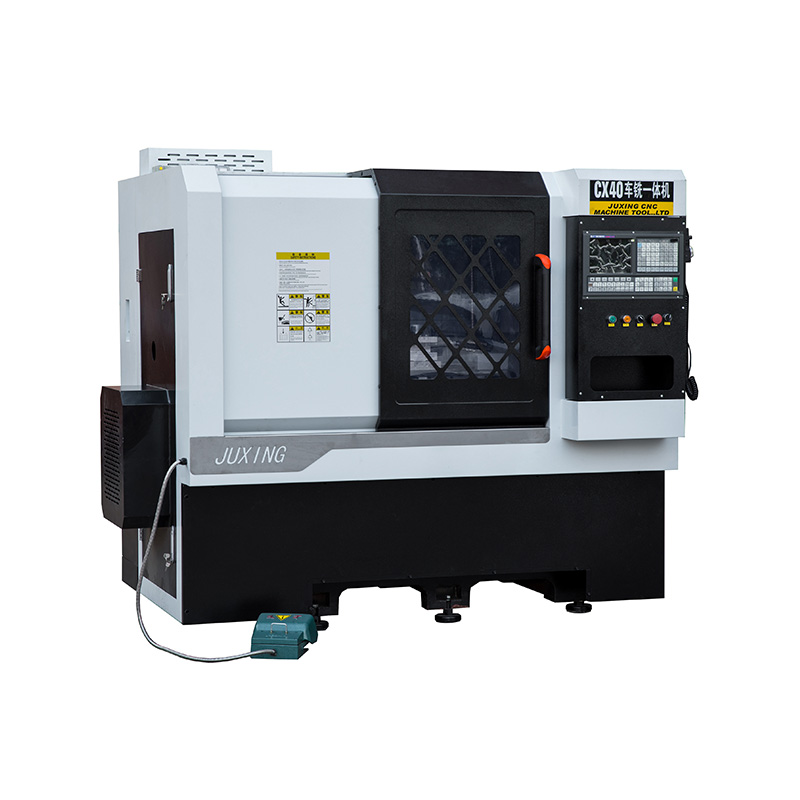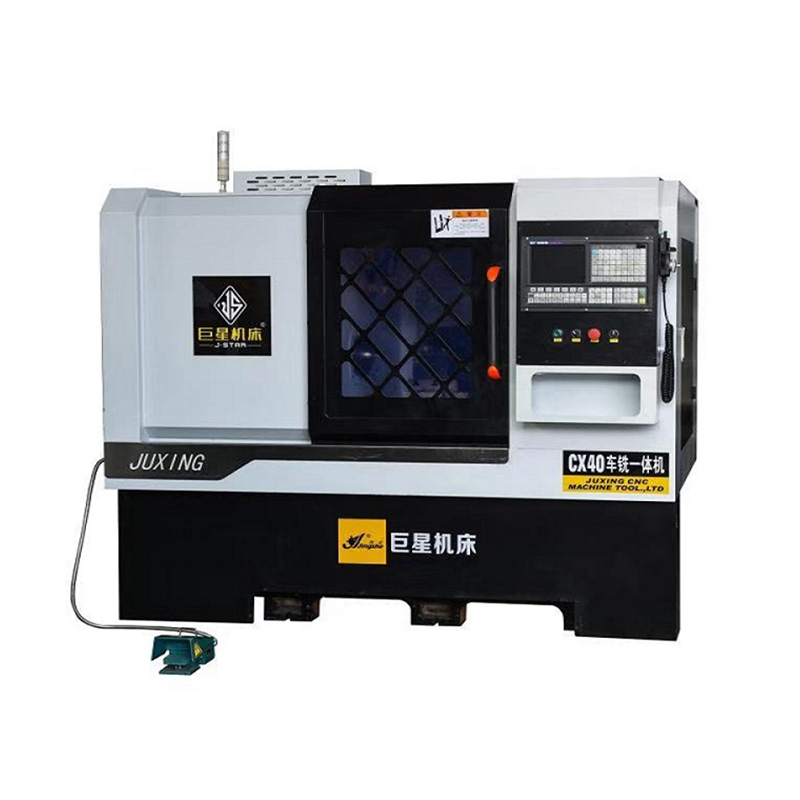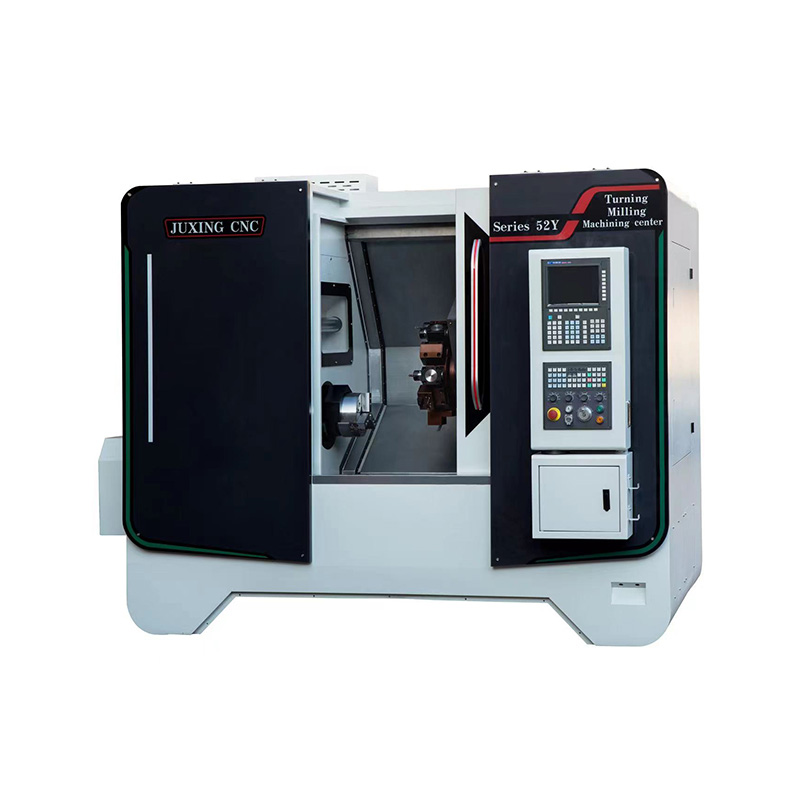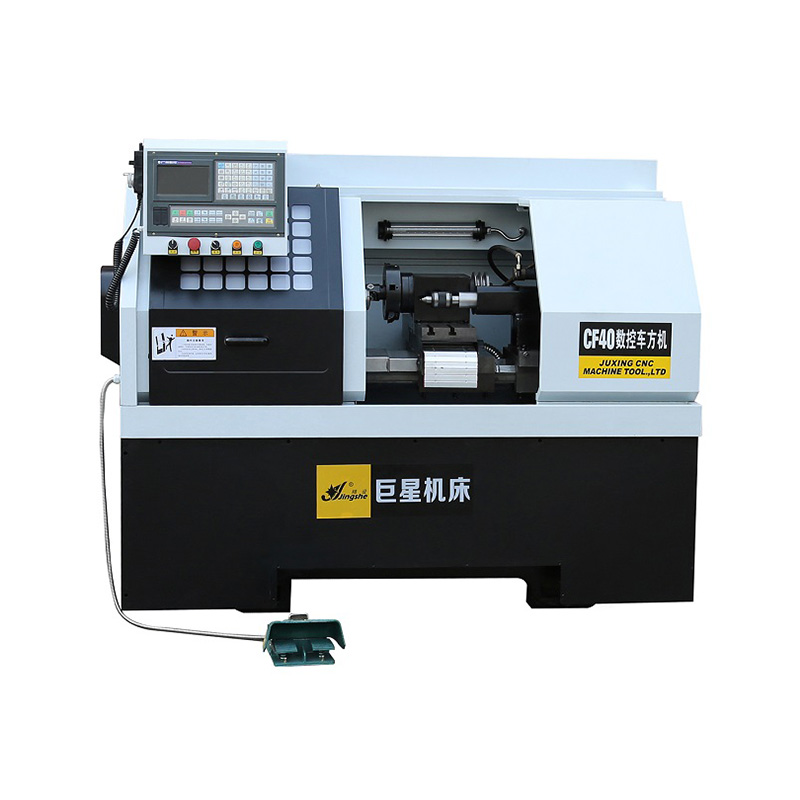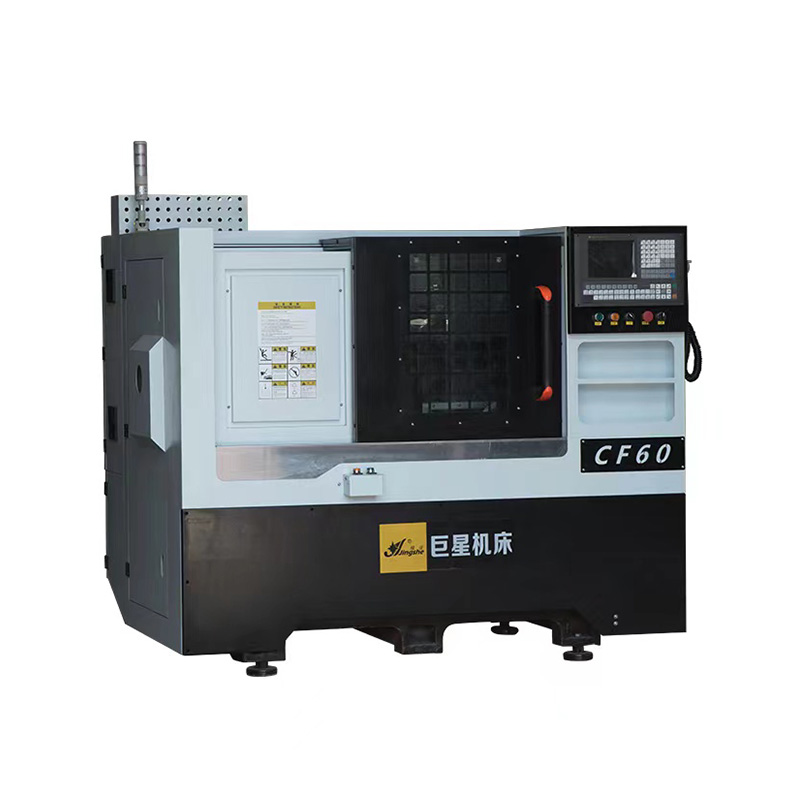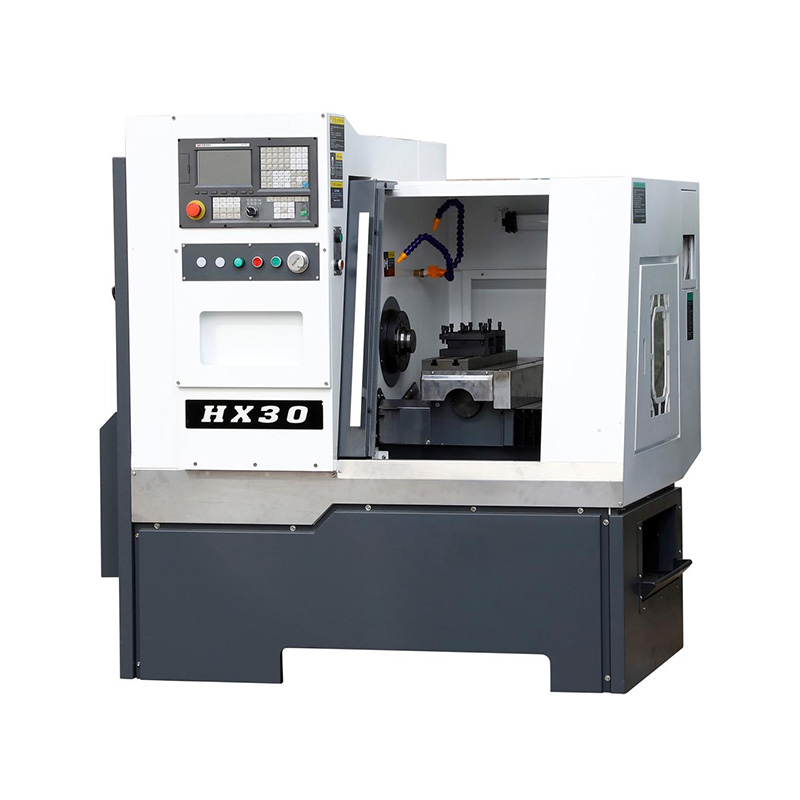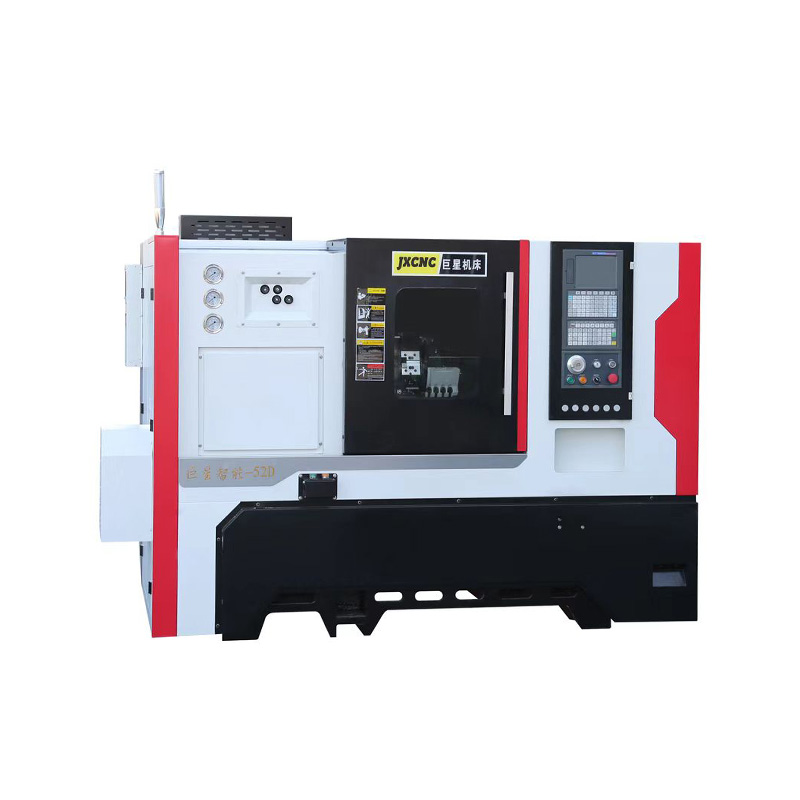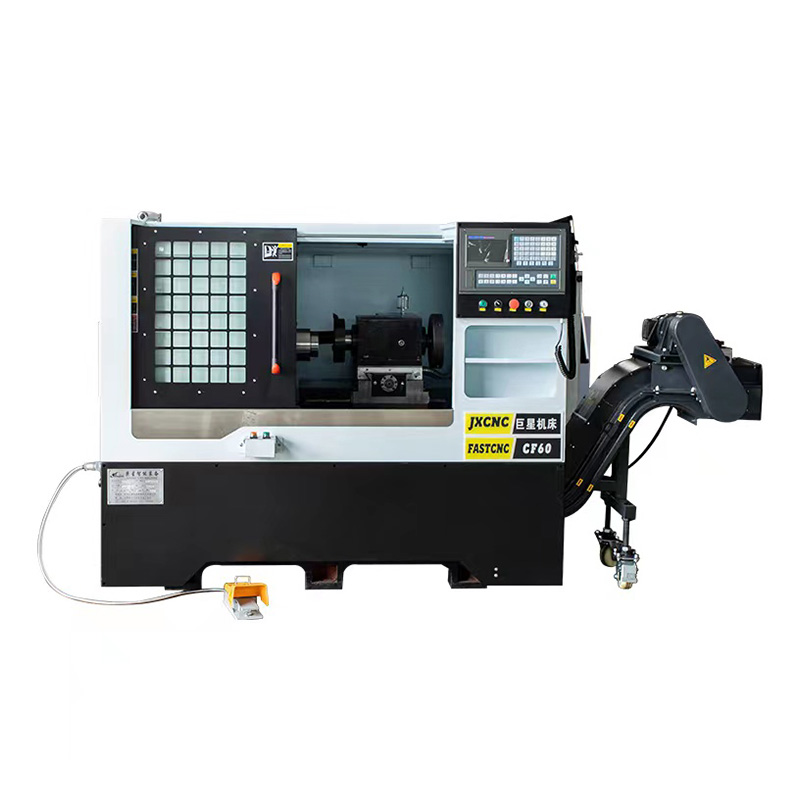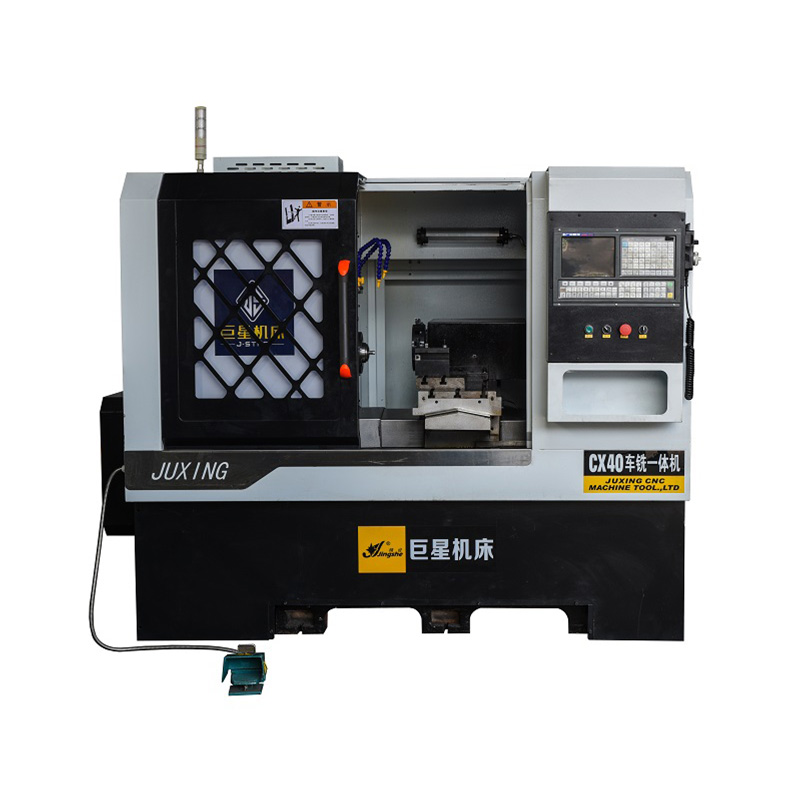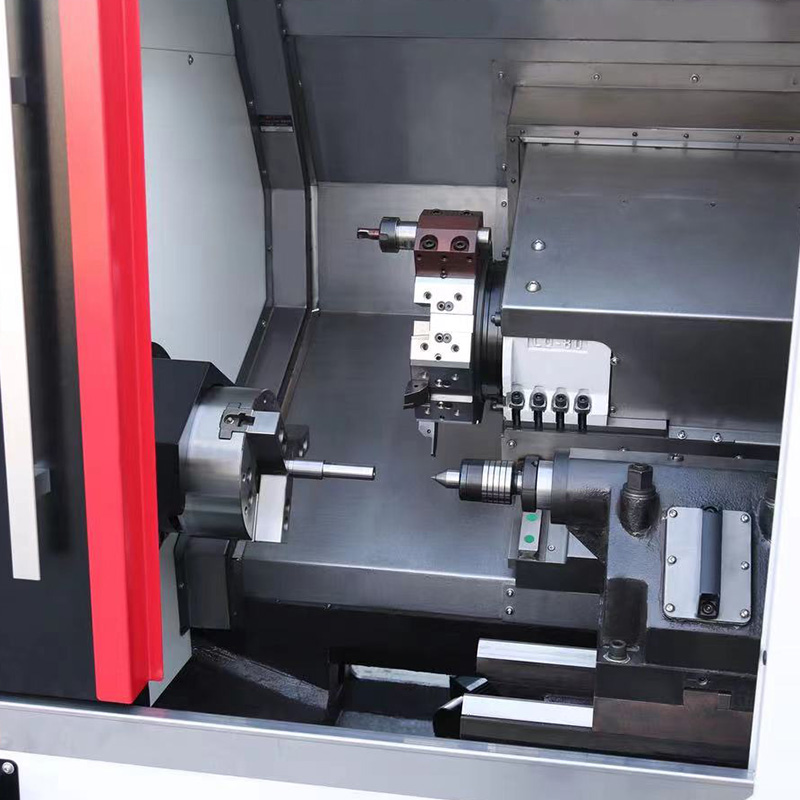


Complex components often require more than turning. A single part may need external turning, internal boring, threading, cross-drilling, milling, and machining ...
Round shafts, bushings, discs, and sleeves have long been associated with CNC turning. Modern component designs, however, often combine cylindrical surfaces wit...
Traditional turning is naturally associated with round shafts, discs, sleeves, and other rotational components. Yet modern manufacturing increasingly involves p...
Complex metal components are becoming more common in industries that require advanced mechanical performance and precise assembly. Parts with multiple flat surf...
Small precision components are becoming increasingly common across industries such as electronics, medical devices, automotive systems, and automation equipment...
Modern CNC machining is moving beyond traditional round turning operations. As component designs become more complex, manufacturers are exploring new processing...
High precision machining requires more than advanced programming and cutting tools. The mechanical structure of a machine tool directly influences dimensional a...
The demand for more flexible machining solutions is changing how manufacturers approach CNC turning. Traditional turning methods were mainly focused on cylindri...
Precision turning has entered an era in which micron-level accuracy is becoming a standard requirement across many industries. Automotive components, hydraulic ...
Modern CNC turning continues to move toward higher rotational speeds, tighter tolerances, and more complex component designs. Parts with multiple surfaces, irre...
High-speed machining has changed the expectations of modern turning equipment. Customers no longer focus only on cutting speed or spindle power. They also pay c...
Polygon turning has gradually moved from a niche machining method into a widely discussed process in modern CNC production lines. Its ability to generate flats,...
TEL : +86-576-87491531
FAX : +86-576-87493038
E-MAIL : chinajuxing@aliyun.com
ADDRESS: Longxi Industrial Zone, Yuhuan City, Taizhou City, Zhejiang Province, China
CopyrightTaizhou Yestar Intelligent Equipment Co., Ltd. All Rights Reserved.

 English
 中文简体
中文简体 русский