English
 中文简体
中文简体 русский
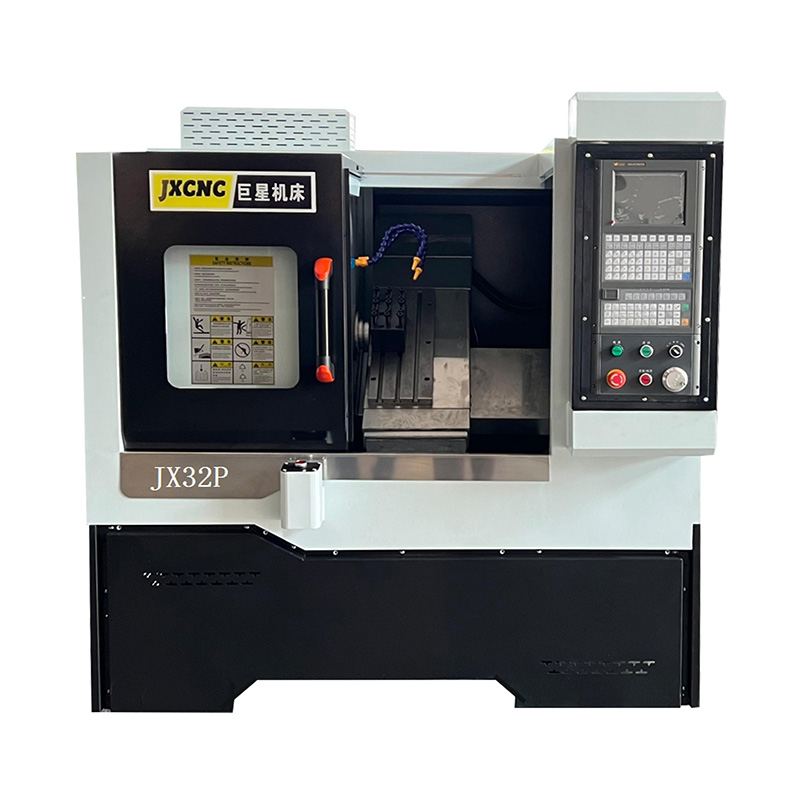
CF32 Hydraulic Clamping CNC Polygon Turning Machine
Cat:Small Polygon Lathe
CF32 hydraulic clamping CNC polygon lathe is designed for milling small and medium-sized high-precision parts, which can mill square, octagonal, hexag...
See Details


Complex metal components are becoming more common in industries that require advanced mechanical performance and precise assembly. Parts with multiple flat surfaces, irregular profiles, angled sections, and special connection structures often cannot be completed efficiently through traditional machining methods. This demand has encouraged the development of advanced CNC solutions capable of handling diverse geometries within a single machining process.
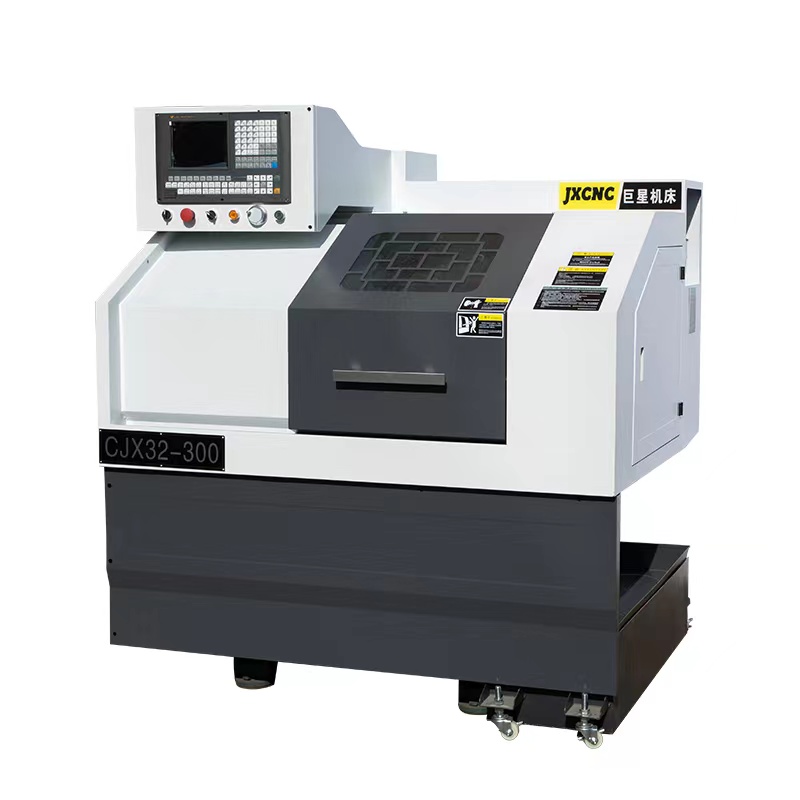
A Polygonal Metal CNC Milling Machine provides a specialized approach for producing complex shapes by combining accurate multi-axis movement, advanced cutting strategies, and flexible tool control. This technology allows manufacturers to process polygon surfaces, multi-sided components, and intricate metal structures used in automotive, aerospace, medical, and industrial equipment applications. Polygon-based CNC machining is also closely connected with modern CAD/CAM systems that support complex geometry preparation and multi-axis toolpath generation.
Traditional milling methods are highly effective for standard slots, holes, and flat surfaces. However, modern product designs often include customized geometries that require accurate control over multiple machining directions.
Examples include polygon shafts, special mechanical joints, precision housings, irregular connectors, and components with multiple functional surfaces. These parts require a machining system that can maintain positioning accuracy while moving across different angles and contours.
The working principle of polygon machining depends on accurate coordination between the cutting tool, spindle movement, and CNC control system. Instead of relying only on conventional linear cutting paths, polygonal machining uses synchronized movements to generate specific geometric patterns.
A Polygonal Metal CNC Milling Machine typically uses advanced control systems to calculate tool paths according to CAD models. The machine interprets the digital design and converts it into controlled axis movements, allowing cutters to remove material from multiple directions.
Polygon machining technology is used in industries where component geometry directly affects performance. The ability to create accurate multi-sided features makes it suitable for specialized applications.
Automotive systems include many parts that require precise connections and mechanical strength. Polygon shafts, transmission components, steering parts, and customized connectors often need accurate flat surfaces or special profiles for assembly.
A Polygonal Metal CNC Milling Machine can process these features while maintaining consistent dimensions, helping manufacturers produce components with reliable mechanical performance.
Aerospace components frequently involve lightweight materials, complex shapes, and strict dimensional requirements. Parts may include angled surfaces, curved sections, and multiple machining features within limited spaces.
Advanced CNC machining systems support these applications by providing accurate tool positioning and flexible processing strategies. Complex aerospace geometries often require sophisticated CAM planning to achieve the required machining results.
Medical devices often contain small precision components with detailed surface structures. Instruments, implants, and equipment parts require careful machining control to achieve accurate dimensions and smooth finishes.
Polygonal machining provides another option for producing special shapes used in medical and precision engineering applications.
The performance of polygon machining depends on the combination of mechanical design, CNC control, and tooling systems. Different machine models have different configurations, but common features include:
Complex shapes can often be produced through several machining approaches. The difference lies in flexibility, setup requirements, and processing capability.
Reducing repeated setup operations is an important advantage of advanced CNC systems. Some modern machining centers can combine turning, milling, and multi-sided machining within one platform, reducing positioning errors caused by repeated part installation.
Different industries require machining across a wide range of materials. Polygonal CNC equipment can be configured for various metals depending on tooling selection and cutting parameters.
Manufacturing trends are moving toward smarter machining, integrated production, and flexible component design. As engineers continue creating more complex products, CNC systems must provide greater adaptability.
Future Polygonal Metal CNC Milling Machine solutions are expected to combine intelligent programming, automated inspection, digital simulation, and advanced tooling technologies. These developments will allow manufacturers to handle increasingly complex shapes with greater control.
Polygonal CNC machining provides a practical solution for producing components with complex geometries and multi-sided features. By combining precise movement control, advanced software support, and flexible machining strategies, this technology expands the possibilities of modern metal processing.
From automotive systems to aerospace structures and precision equipment, a Polygonal Metal CNC Milling Machine offers engineers a reliable method for creating specialized components. As product designs continue evolving, polygon machining will remain an important technology for advanced manufacturing applications.
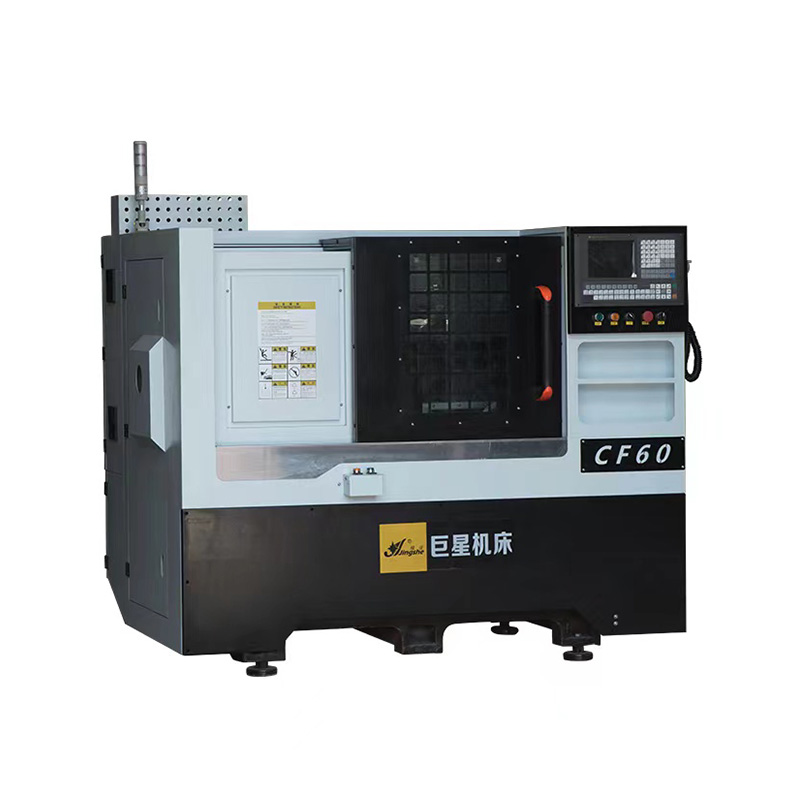
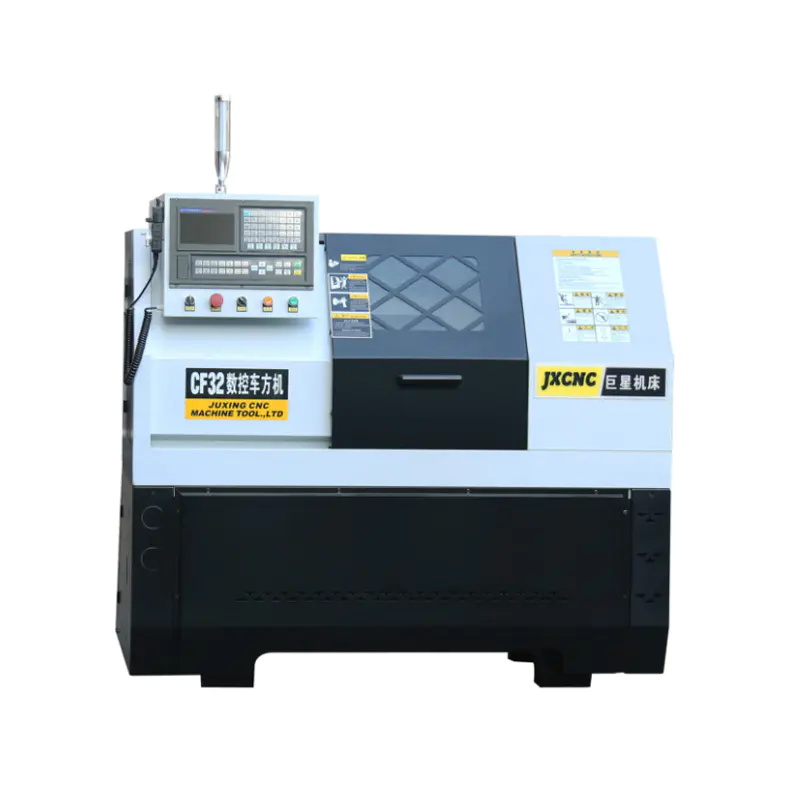
CF32 hydraulic clamping CNC polygon lathe is designed for milling small and medium-sized high-precision parts, which can mill square, octagonal, hexag...
See Details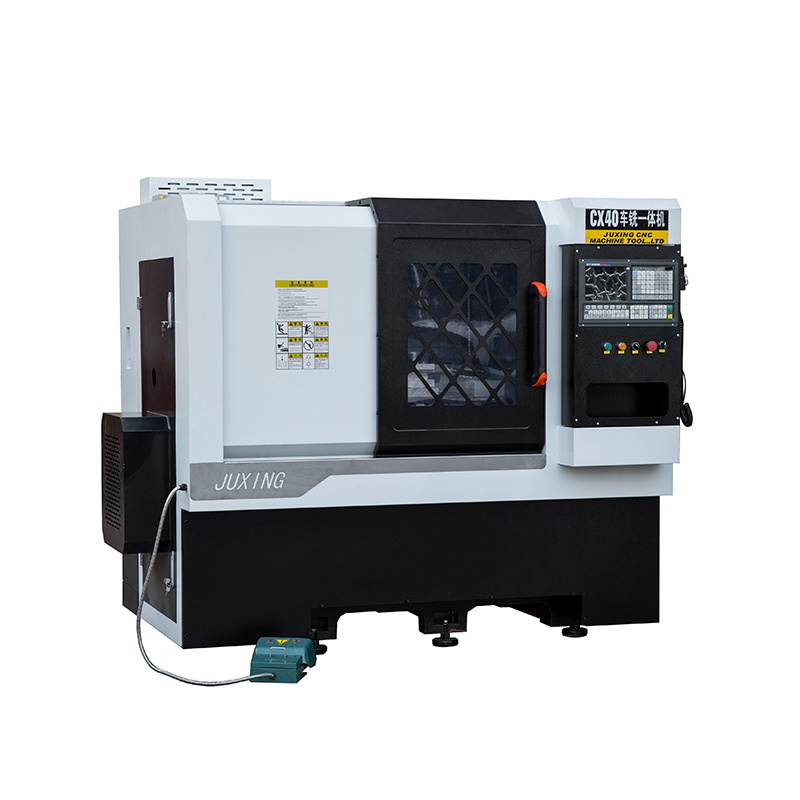
The CX40 High Precision Linear Track Horizontal CNC Lathe Machine is designed to provide exceptional performance and versatility for precision machini...
See Details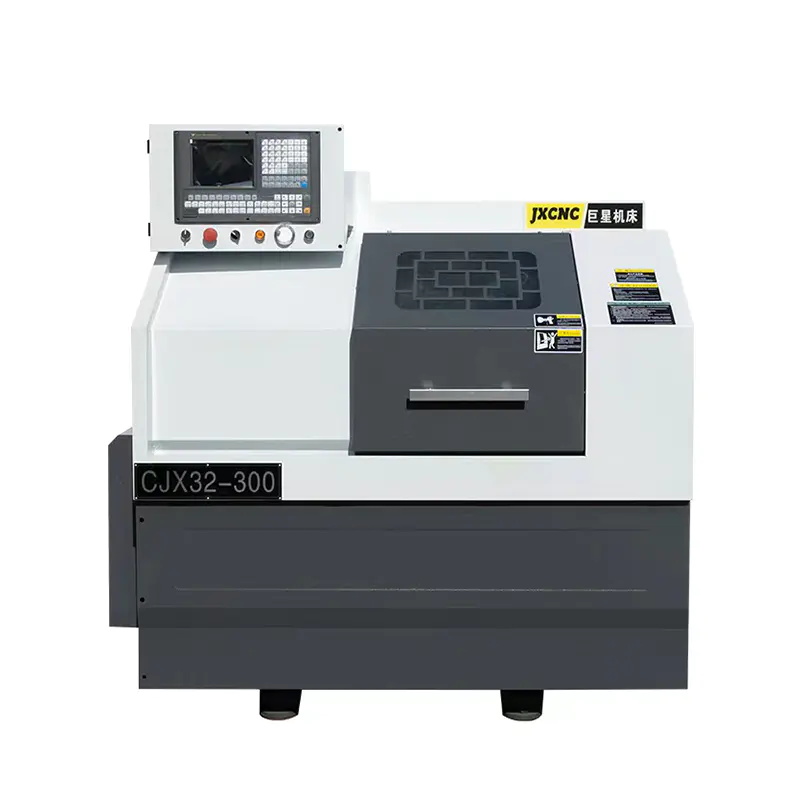
The JX32-300 Mini Economical CNC Lathe Machine is designed to provide high precision and efficient machining for a wide range of metal products. With ...
See Details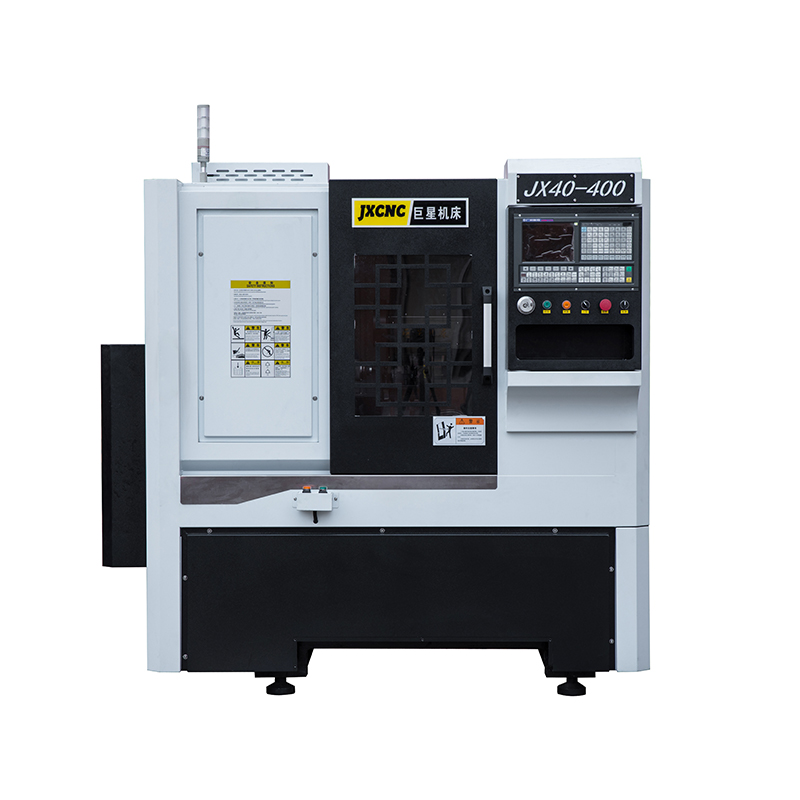
The JX40-400 Factory High Speed Precision CNC Lathes are designed to provide exceptional efficiency and accuracy in machining processes. With the abil...
See Details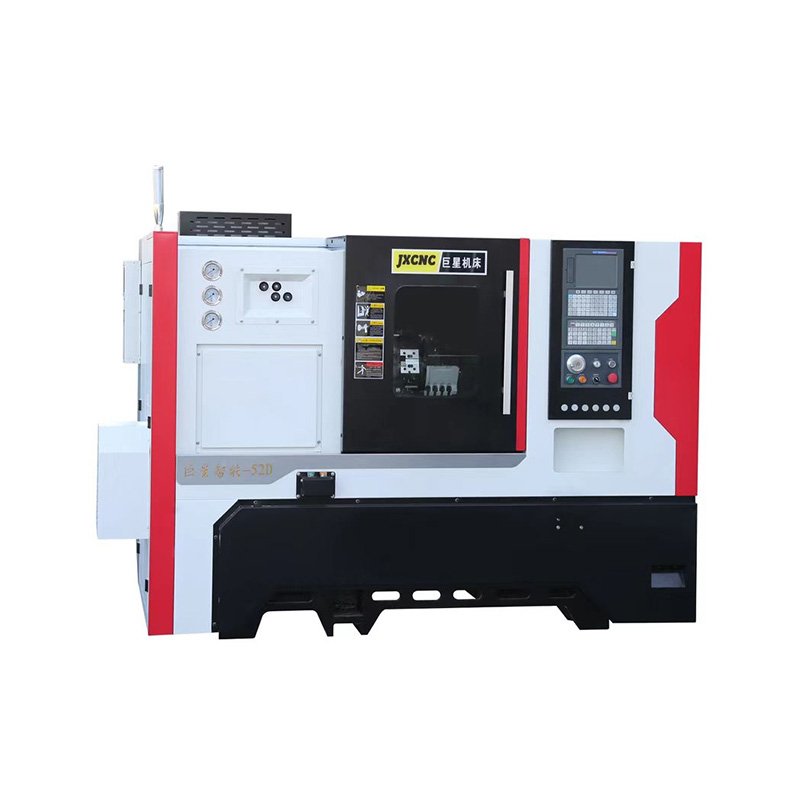
As a trusted machine tool equipment supplier in China, we prioritize customer satisfaction and strive to provide the solutions and support. Our JX52D ...
See Details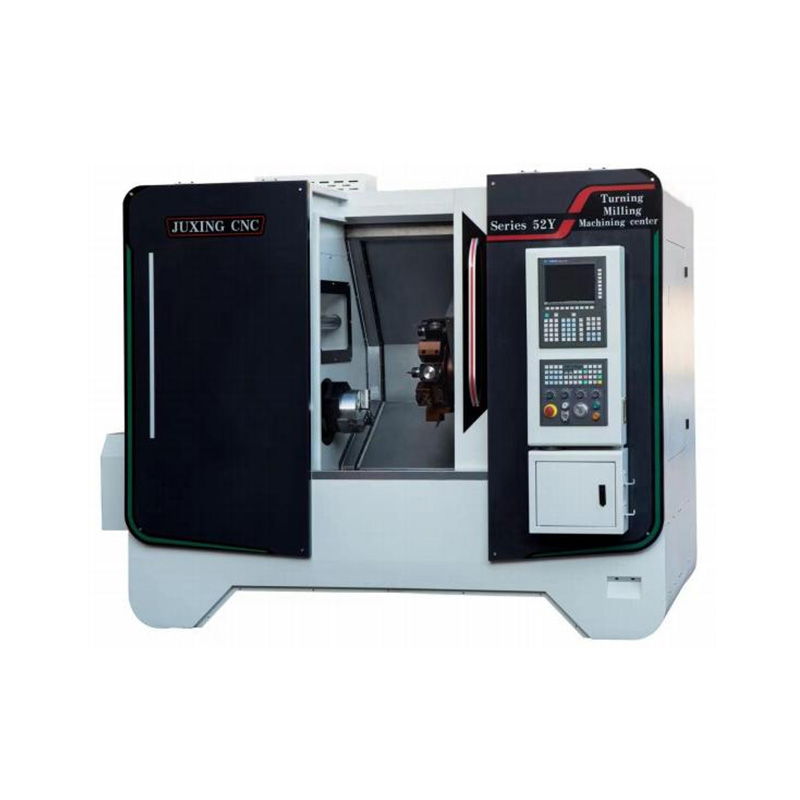
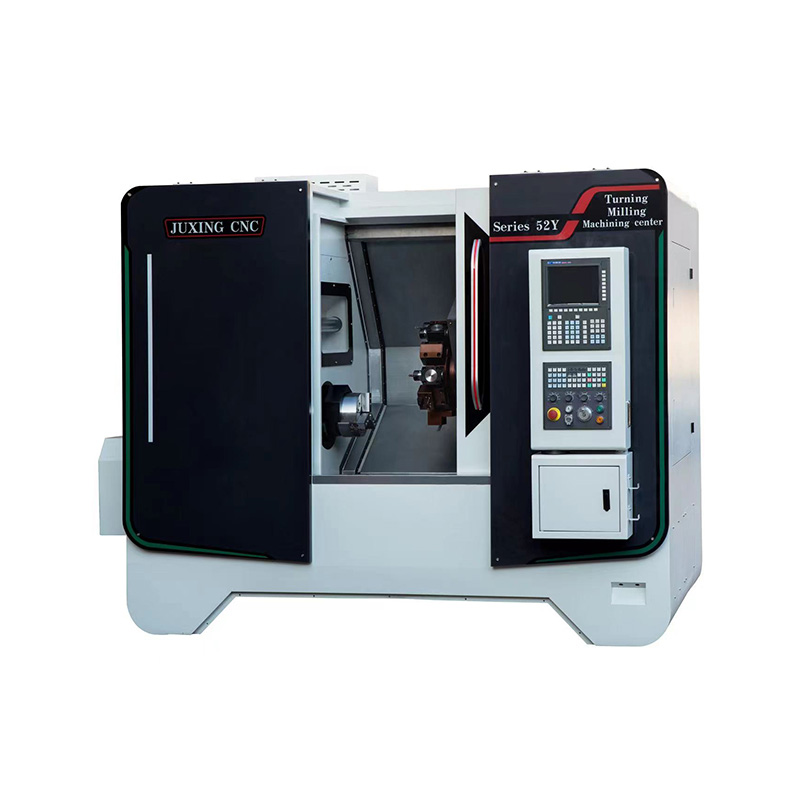
In conclusion, the JX52Y CNC Turning Lathes with Computer Control System is a highly advanced and efficient machine that combines the functionality of...
See Details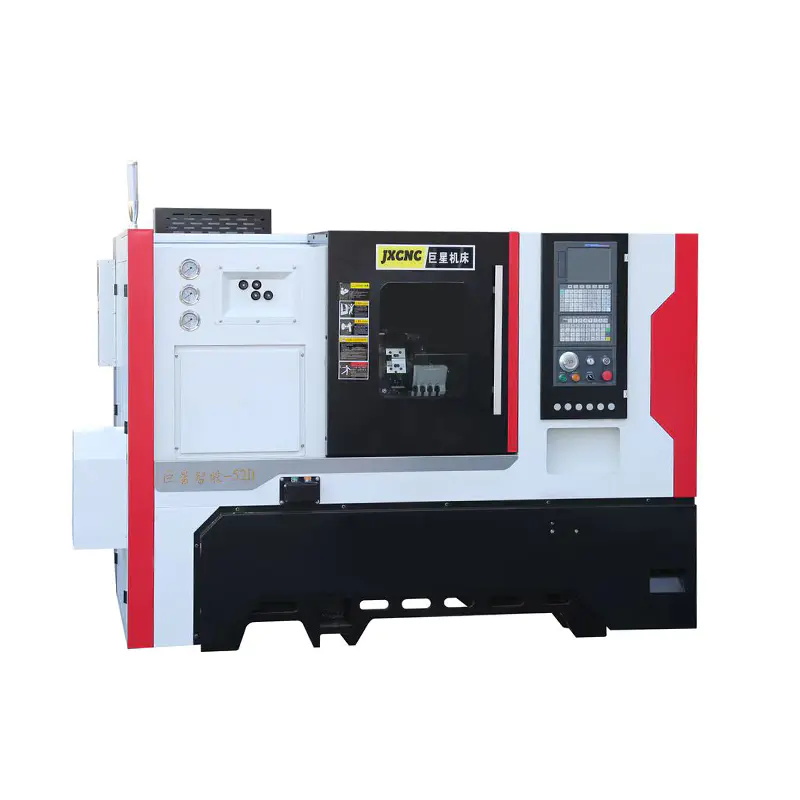
The JX52D Machine Tool CNC Lathe is specifically designed for lathe every kinds of material with precision and efficiency. It is equipped with advance...
See DetailsTEL : +86-576-87491531
FAX : +86-576-87493038
E-MAIL : chinajuxing@aliyun.com
ADDRESS: Longxi Industrial Zone, Yuhuan City, Taizhou City, Zhejiang Province, China
CopyrightTaizhou Yestar Intelligent Equipment Co., Ltd. All Rights Reserved.