English
 中文简体
中文简体 русский
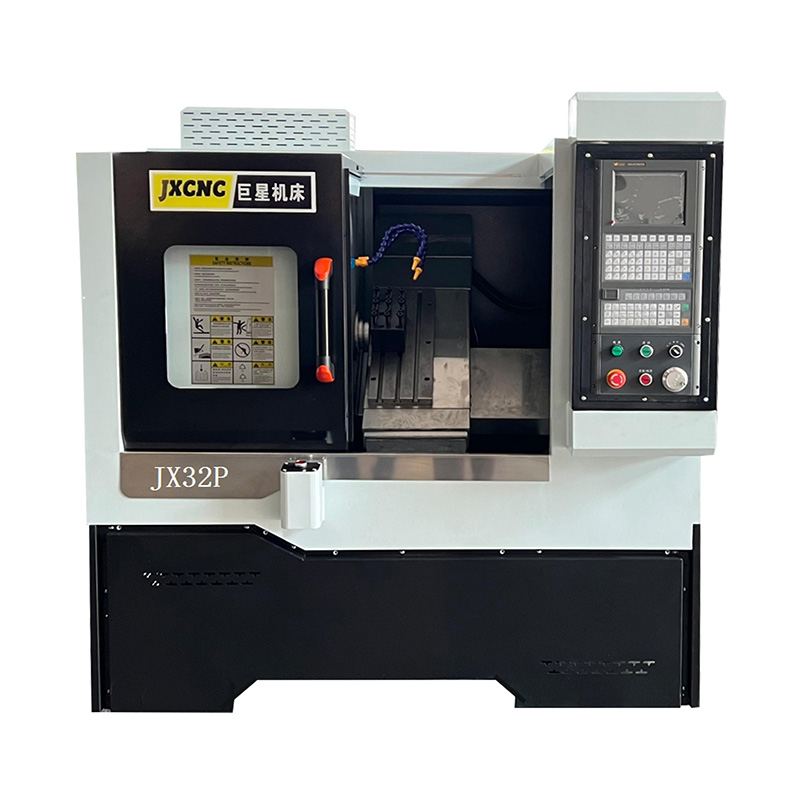
CF32 Hydraulic Clamping CNC Polygon Turning Machine
Cat:Small Polygon Lathe
CF32 hydraulic clamping CNC polygon lathe is designed for milling small and medium-sized high-precision parts, which can mill square, octagonal, hexag...
See Details


Modern CNC machining is moving beyond traditional round turning operations. As component designs become more complex, manufacturers are exploring new processing methods that combine turning, milling, and specialized cutting techniques. Polygon machining technology is one example of this development, offering new possibilities for producing flat surfaces, multi-angle features, and special geometries on rotational parts.
The Polygon Turning Slant Bed CNC Lathe represents an advanced approach that integrates polygon cutting capability with the stable structure of a slant bed turning platform. By synchronizing spindle rotation and driven tool movement, this technology allows CNC lathes to create polygon shapes that previously required additional milling operations.
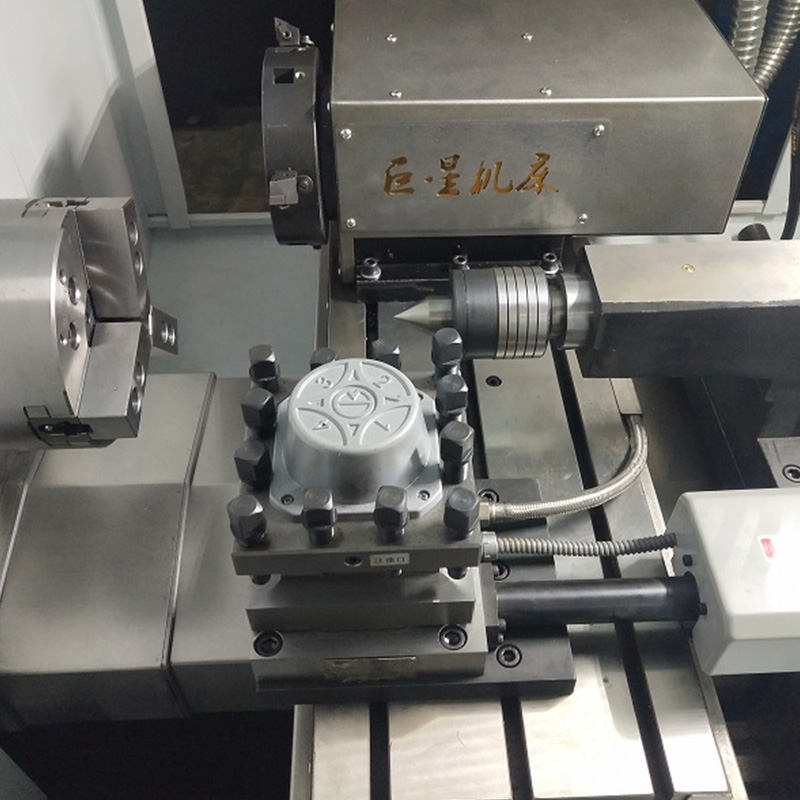
Traditional CNC turning is mainly designed for cylindrical components. The workpiece rotates while a fixed cutting tool removes material to create diameters, grooves, threads, and profiles. Polygon turning introduces a different machining concept by using a rotating tool with multiple cutting edges that works together with spindle movement.
During polygon machining, the spindle and live tool rotate at a synchronized ratio. The relationship between tool rotation speed, spindle speed, and cutter configuration determines the number of polygon faces created on the workpiece. This method can produce hexagonal, square, and other multi-sided profiles on suitable components.
Polygon machining requires accurate movement coordination between the spindle, tooling system, and workpiece. Any vibration or positioning deviation may affect the final geometry. A slant bed CNC structure provides a rigid platform that supports stable cutting conditions during synchronized machining.
The inclined guideway layout improves machine rigidity and supports smoother chip evacuation. Combined with servo-driven axes and high precision control systems, the structure helps maintain consistent tool movement during complex machining cycles.
The development of polygon turning expands CNC lathe capabilities beyond standard cylindrical machining. Industries requiring special gripping surfaces, mechanical connections, and functional flat sections can benefit from this technology.
Hexagonal bolt sections, wrench surfaces, and fastening areas are common examples of polygon machining applications. Instead of producing these surfaces through separate milling processes, a Polygon Turning Slant Bed CNC Lathe can create these features during the turning process.
This approach is especially useful for bar-fed production environments where repeated components require consistent geometry and reliable processing. Polygon turning is commonly applied to create flat planes used for mechanical clamping functions.
Automotive shafts, connectors, valve components, and precision mechanical parts often require special surface designs for assembly or torque transmission. Polygon machining provides manufacturers with another option for creating functional surfaces while keeping the workpiece in a single setup.
Compact components used in electronics, instruments, and automation equipment may require multiple geometric features within limited dimensions. A CNC lathe equipped with polygon turning capability can handle these requirements while maintaining accurate positioning.
A machine designed for polygon machining usually combines several advanced systems to achieve reliable processing performance. Typical configurations may include:
Live tooling systems are an important component in this process because powered tools allow CNC lathes to perform additional operations beyond conventional turning. These systems can support milling-related functions while keeping the workpiece fixed in the machining area.
Polygon surfaces can traditionally be produced using milling machines, but polygon turning provides an alternative method for certain applications. The choice depends on part geometry, tolerance requirements, and production conditions.
However, polygon turning is not intended to replace every milling application. Parts requiring extremely strict flatness specifications may still require dedicated milling processes. Polygon machining is generally selected for applications where functional flat surfaces and production flexibility are important.
As industries continue demanding compact, multifunctional components, CNC machining technology is developing toward more integrated solutions. Polygon turning represents a shift from single-purpose turning equipment toward flexible machining platforms capable of handling diverse geometries.
Future CNC systems may combine intelligent programming, automatic tool management, and advanced monitoring technologies to further expand polygon machining applications. The combination of slant bed rigidity and synchronized cutting technology provides a practical direction for manufacturers working with complex metal components.
Polygon machining technology changes the traditional understanding of CNC turning by introducing new ways to create multi-sided features on rotational parts. The Polygon Turning Slant Bed CNC Lathe combines structural stability with synchronized cutting capability, allowing manufacturers to explore applications beyond standard turning.
From automotive components to precision mechanical parts, polygon turning offers a valuable option for engineers seeking flexible machining methods. As component designs continue evolving, this technology will remain an important part of advanced CNC manufacturing strategies.
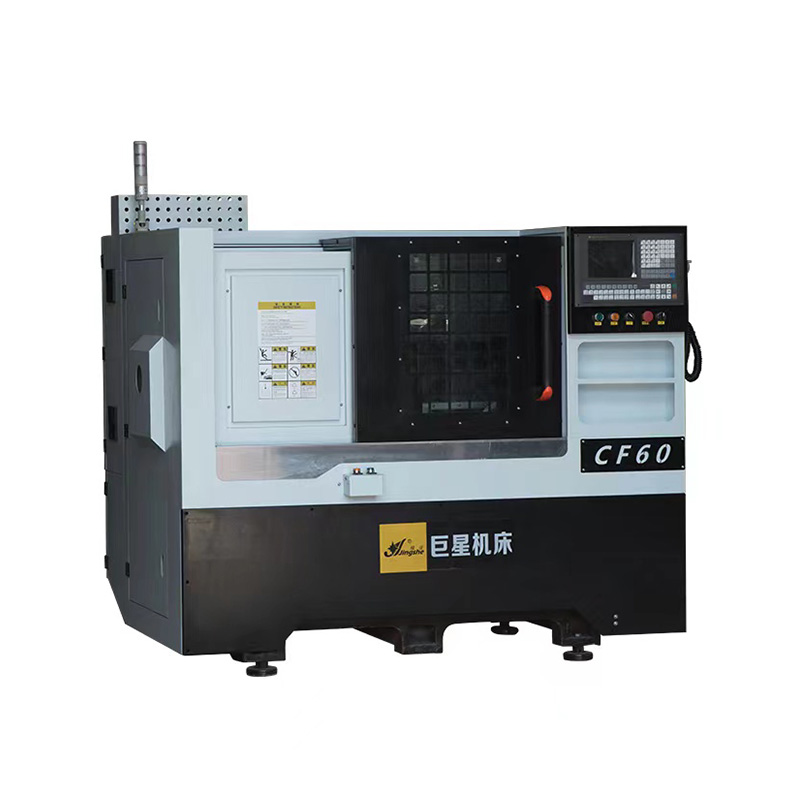
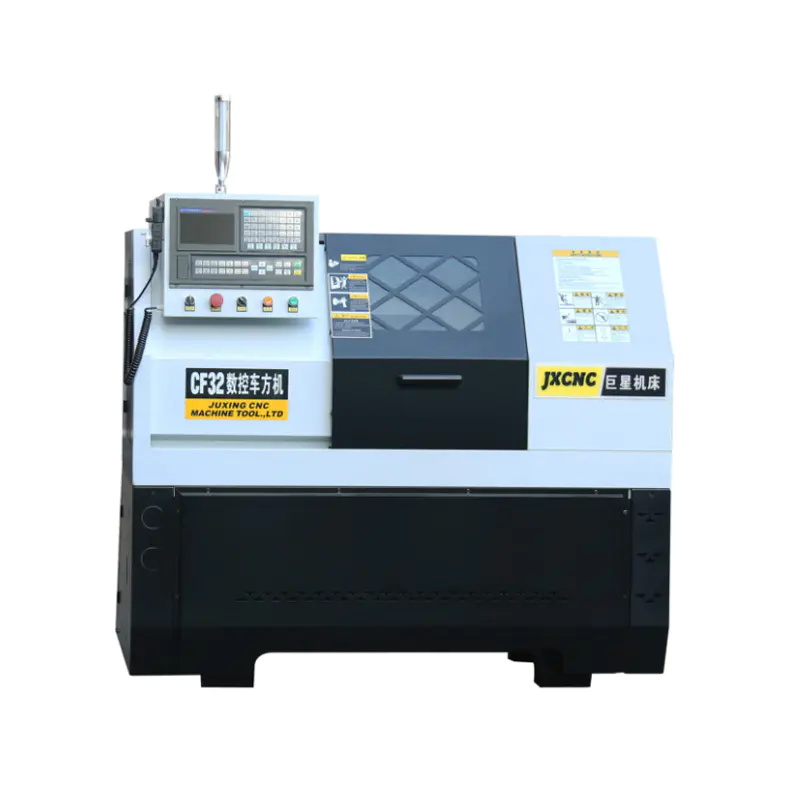
CF32 hydraulic clamping CNC polygon lathe is designed for milling small and medium-sized high-precision parts, which can mill square, octagonal, hexag...
See Details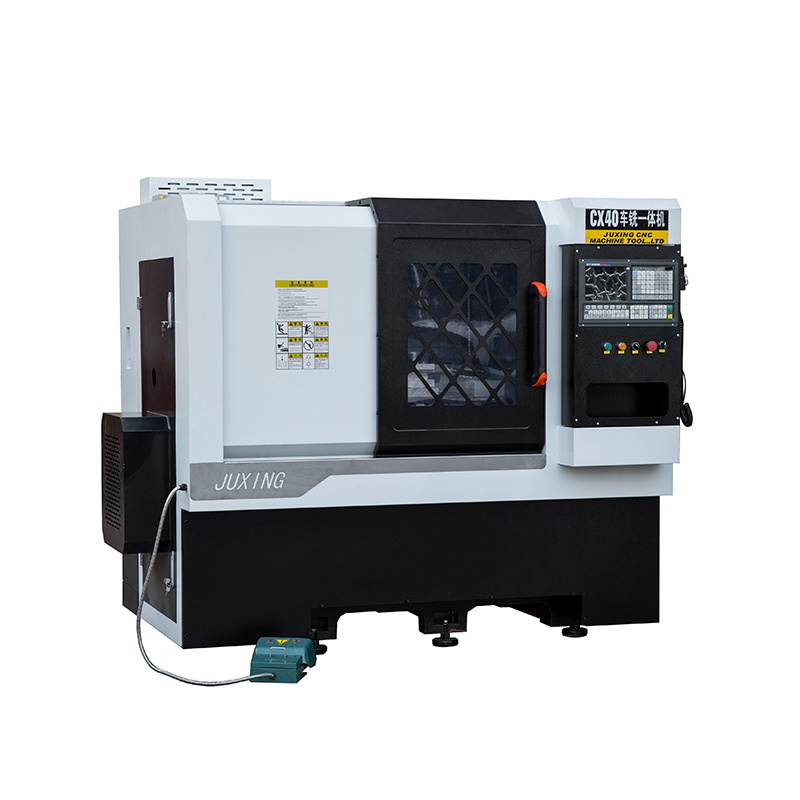
The CX40 High Precision Linear Track Horizontal CNC Lathe Machine is designed to provide exceptional performance and versatility for precision machini...
See Details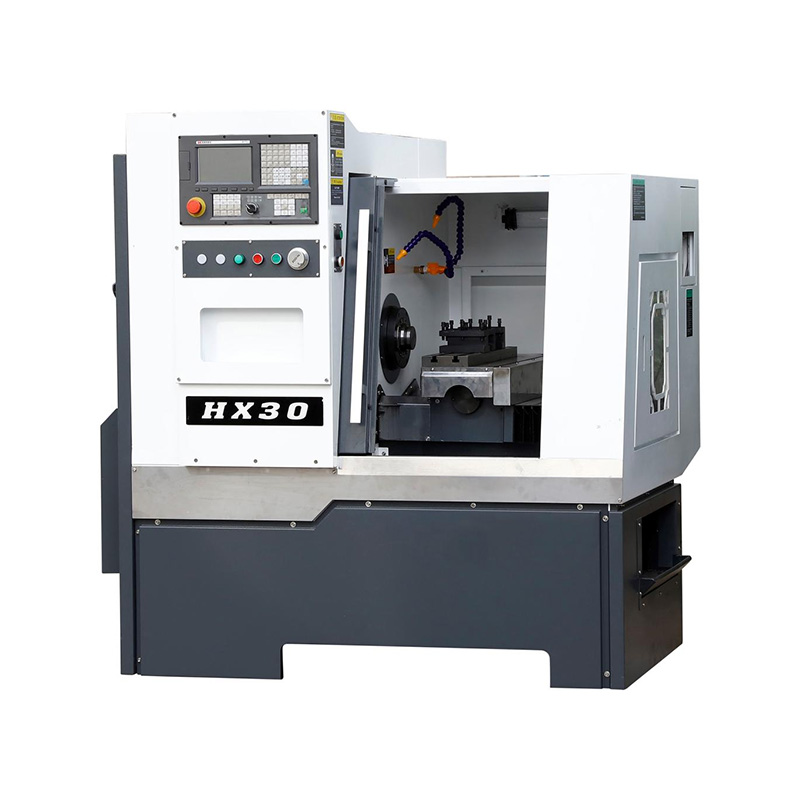
A notable feature of the HX30 Mandrel Bar Feeder Cheap CNC Lathe is its efficient and reliable mandrel bar feeder. The mandrel serves as a support for...
See Details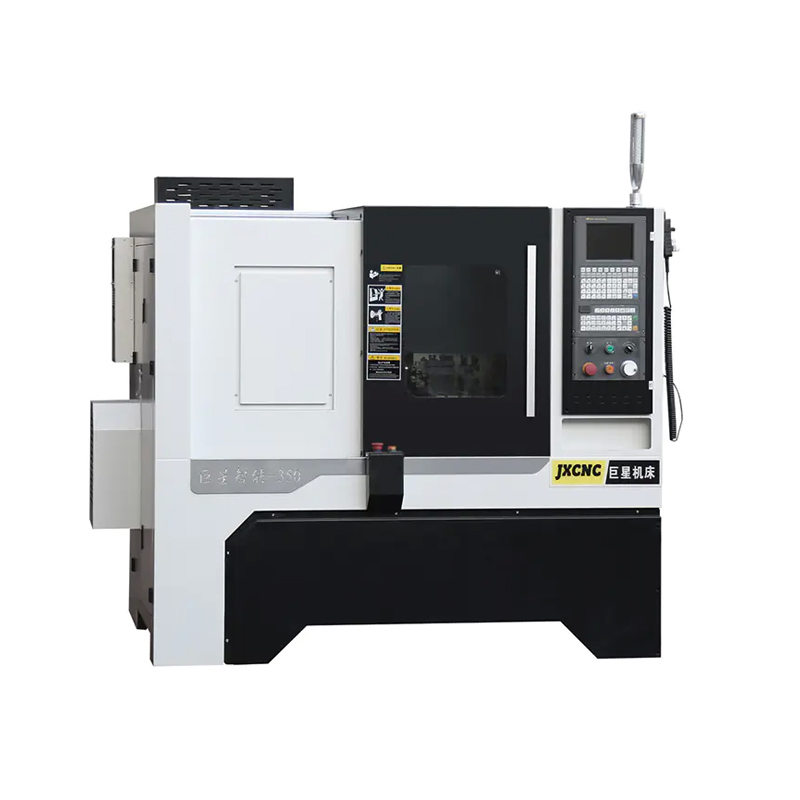
The JX350 Gang Type CNC Lathe for Cutting Tool with Rapid Tool Changing is designed to deliver high precision and efficiency in cutting tool operation...
See Details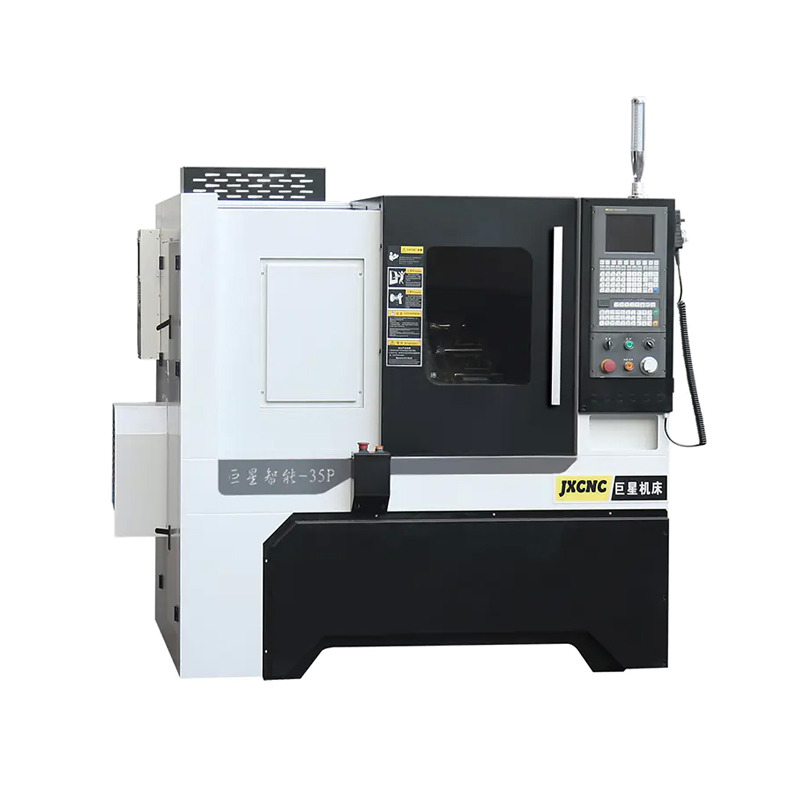
The JX35P CNC Hiwin Linear Guide Machine with High Precision is a reliable and robust solution for various machining applications. With its horizontal...
See Details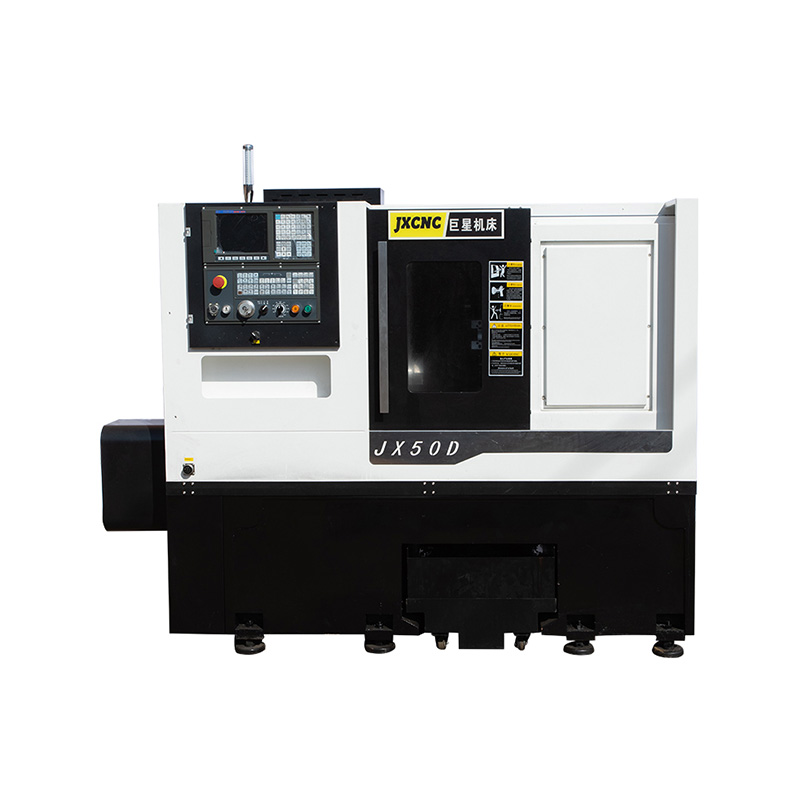
Introducing the JX50D CNC Machine Tools List from China's CNC machine tools manufacturer. Our machine tools are equipped with a servo hydraulic turret...
See Details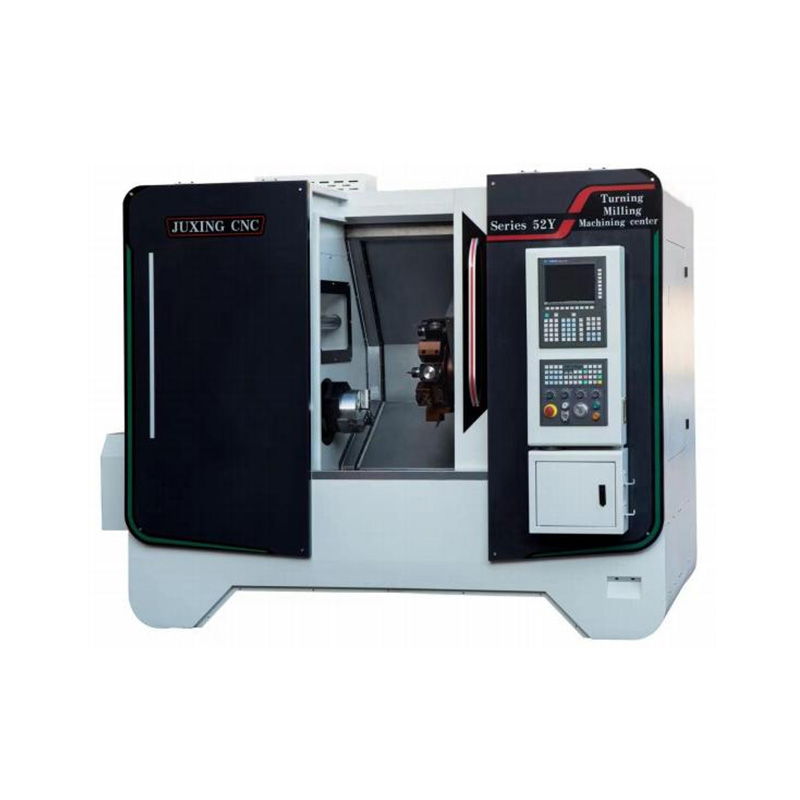
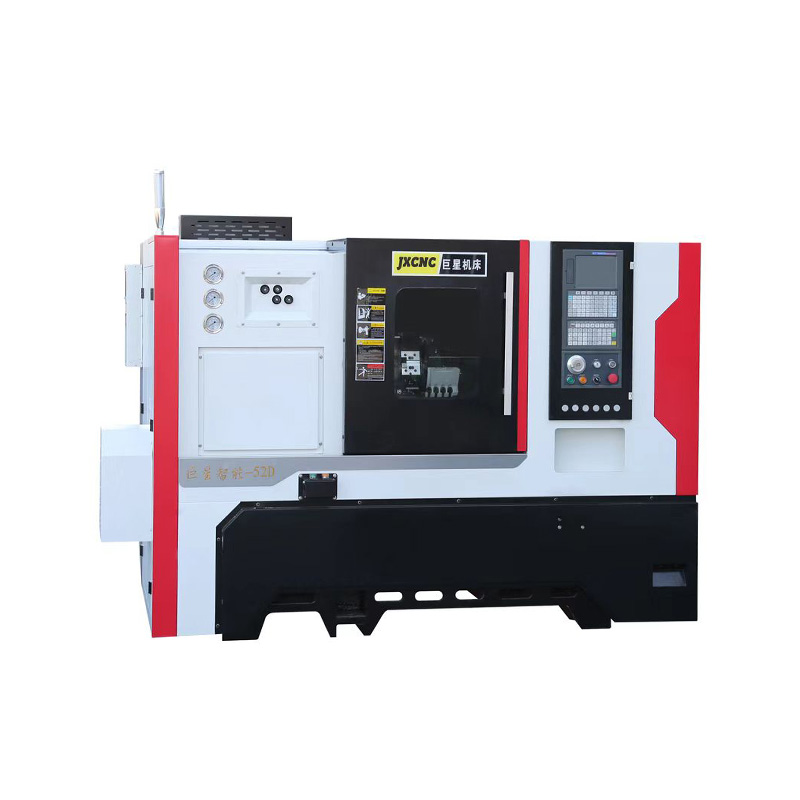
In conclusion, the JX52Y CNC Turning Lathes with Computer Control System is a highly advanced and efficient machine that combines the functionality of...
See DetailsTEL : +86-576-87491531
FAX : +86-576-87493038
E-MAIL : chinajuxing@aliyun.com
ADDRESS: Longxi Industrial Zone, Yuhuan City, Taizhou City, Zhejiang Province, China
CopyrightTaizhou Yestar Intelligent Equipment Co., Ltd. All Rights Reserved.