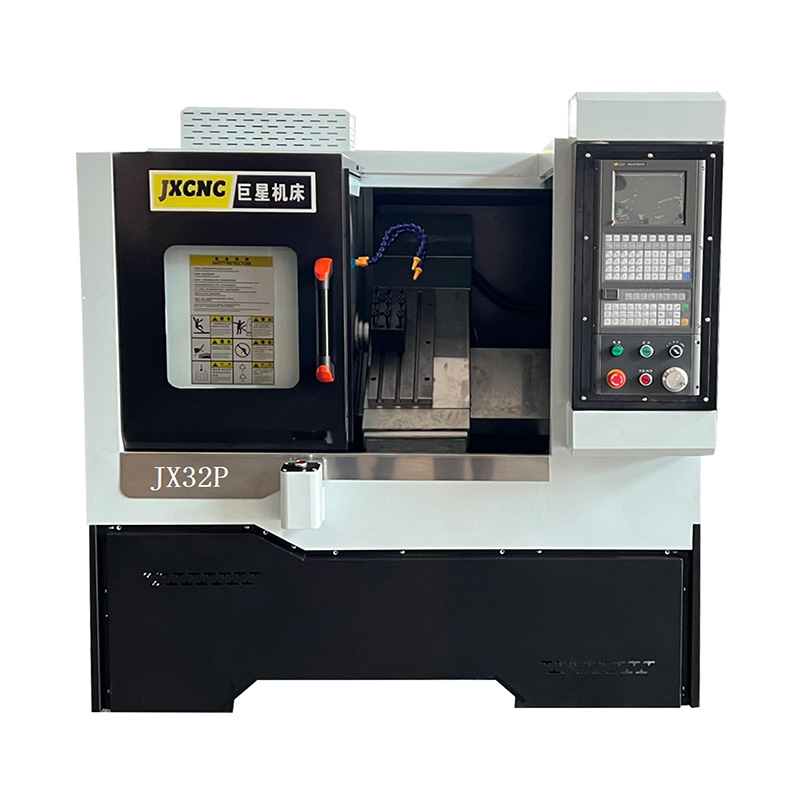
Compact CNC equipment can be attractive to manufacturers working with small metal components, limited workshop space, and varied production requirements. However, the ability to machine aluminum does not automatically mean that a machine can handle steel under the same cutting conditions. Differences in material strength, cutting resistance, heat generation, and tool wear can significantly affect machining performance.
At Juxing, we believe equipment decisions should start with the workpiece rather than the machine's size alone. A small cnc metal milling machine buyer should evaluate spindle performance, structural rigidity, tooling compatibility, and the required machining operations before deciding whether a compact solution fits the application.
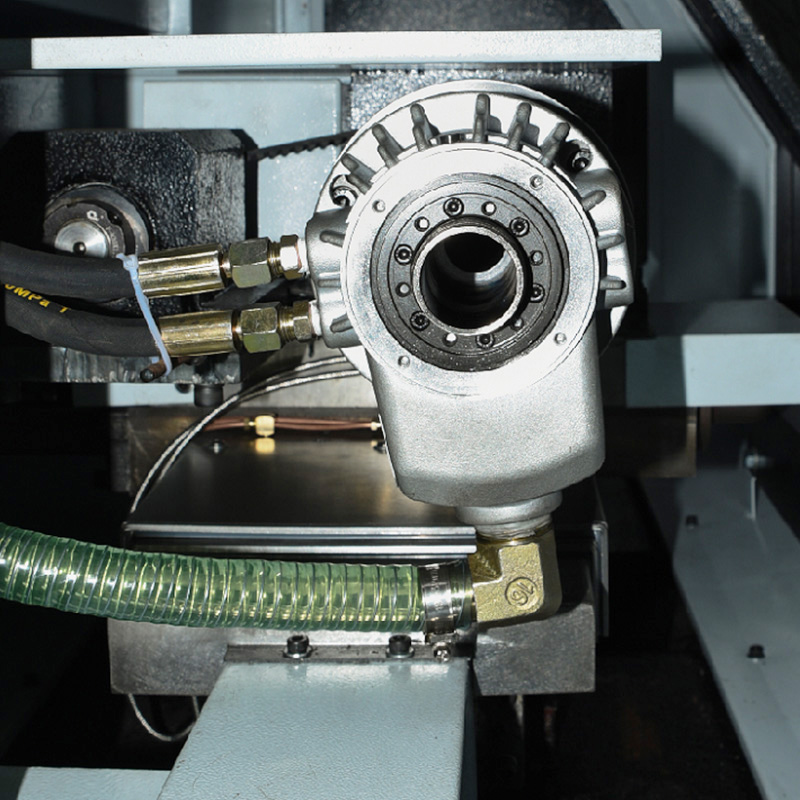
1. Why Does Steel Require Different Machining Conditions?
Aluminum alloys such as 6061-T6 generally offer lower cutting resistance than common steel grades. They can often be machined at higher cutting speeds, provided that the tool geometry and chip evacuation system suit the application.
Steel typically requires greater cutting forces and more careful heat management. The exact requirements depend on the steel grade, hardness, cutter material, and component geometry.
- Aluminum: Often suits higher spindle speeds and tools designed for efficient chip removal.
- Mild steel: Requires sufficient spindle torque, stable workholding, and controlled cutting parameters.
- Stainless steel: Needs appropriate tooling, steady chip formation, and effective heat control to manage tool wear and work hardening.
- Hardened steel: May require specialized tooling and equipment designed for the material's hardness and cutting loads.
Material identification is therefore an essential part of machine selection. Buyers should provide the exact material grade and hardness rather than describing every workpiece simply as steel.
2. Spindle Torque Matters More Than a Headline RPM Figure
A high spindle speed can benefit small cutters and aluminum machining, but steel cutting often requires adequate torque at lower rotational speeds. A spindle that cannot maintain sufficient power under load may struggle with heavier cuts, even if its advertised maximum speed appears impressive.
- Spindle power: Review the rated power and available output across the intended operating range.
- Torque curve: Check how much torque is available at the speeds required for the intended steel grades.
- Speed control: Confirm that the spindle can operate within the cutting range recommended for the selected tool.
- Tool compatibility: Match the spindle interface and toolholder to the cutter diameter and machining load.
For example, a 6 mm carbide end mill may run at different spindle speeds and feed rates in aluminum and mild steel. Actual values must be determined from the tool manufacturer's recommendations, material hardness, cutter engagement, and machine capability. A single RPM figure cannot establish suitability for every application.
3. Machine Rigidity Determines How Stable the Cut Can Be
Structural rigidity becomes particularly important during steel machining because cutting forces can cause vibration and tool deflection. These effects may reduce dimensional accuracy, damage the surface finish, and shorten tool life.
At Juxing, we recommend examining the complete mechanical structure and motion system when assessing equipment for metalworking applications.
- Machine frame: Evaluate the structure's ability to resist deflection under the intended cutting load.
- Guideways and drive system: Review their load capacity, positioning performance, and suitability for the workpiece.
- Workholding: Confirm that the vise, chuck, or fixture can hold the part securely.
- Tool overhang: Keep the cutter extension appropriate for the operation to limit deflection and vibration.
A compact machine may handle small steel parts successfully with suitable tooling and light cuts. Heavy roughing, deep pockets, or long machining cycles may require a more rigid machine configuration.
4. Cutting Tools, Coolant, and Chip Removal Need Attention
The correct tooling strategy helps a compact CNC machine handle different materials without placing unnecessary loads on the spindle and structure.
- Cutter material and coating: Choose carbide tools or other suitable cutters according to the workpiece material and cutting conditions.
- Flute geometry: Match the number of flutes and chip space to the material and required feed rate.
- Coolant delivery: Determine whether flood coolant, directed coolant, or another approved cooling method is appropriate.
- Chip evacuation: Prevent chips from accumulating in pockets or being recut against the finished surface.
Aluminum can produce bulky chips that require adequate clearance, while steel machining creates different thermal and chip-control challenges. The tooling and coolant arrangement should support the intended production process rather than relying on a universal setup.
5. Can a Compact Machine Meet Your Dimensional Requirements?
Machine capability should be evaluated against the drawing, not simply the material. Workpiece dimensions, tolerance requirements, surface finish, and the number of features all affect the equipment choice.
Consider a small steel bracket with several drilled holes and milled slots. The machine must provide sufficient travel, suitable tool access, secure workholding, and the ability to maintain the required hole positions. A small aluminum housing may demand similar geometric accuracy but different cutting conditions.
- Confirm the available X, Y, and Z travel against the workpiece dimensions and fixture arrangement.
- Check positioning accuracy and repeatability specifications.
- Identify critical tolerances and surface roughness requirements.
- Request a sample machining assessment using representative material and cutting operations.
Sample testing can reveal vibration, tool wear, dimensional variation, and surface-quality issues that a specification sheet alone may not show.
6. How Should Buyers Decide Between Aluminum and Steel Applications?
Before purchasing equipment, prepare a list of the materials and components the machine will process regularly. Include material grades, workpiece dimensions, expected production volume, required tolerances, and the operations needed to complete each part.
A compact CNC solution may suit small aluminum components, prototypes, and carefully planned light steel machining. Applications involving high cutting loads, hardened materials, demanding tolerances, or continuous heavy production may require a different machine class.
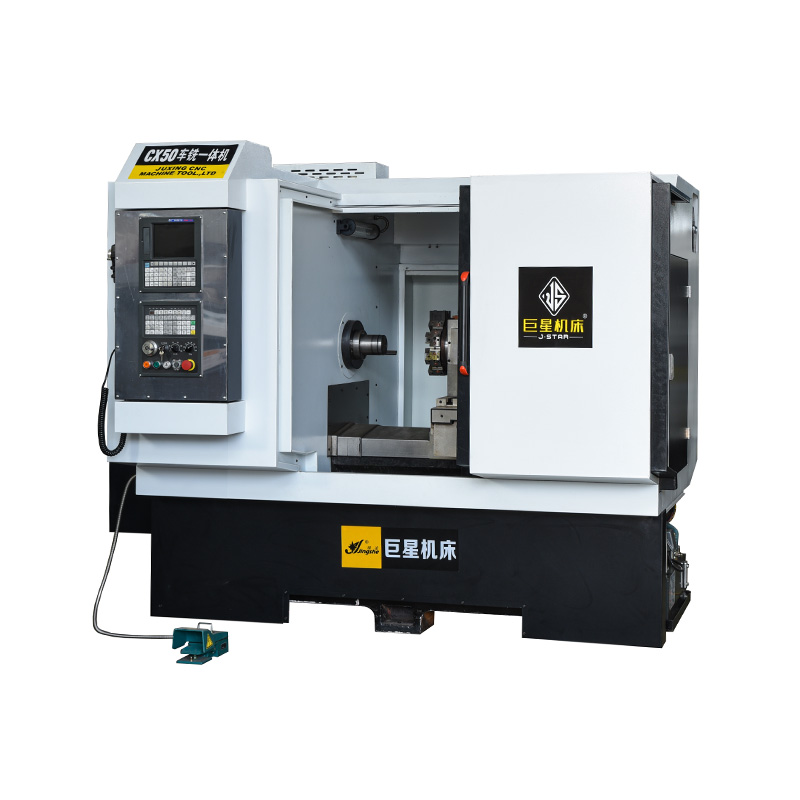
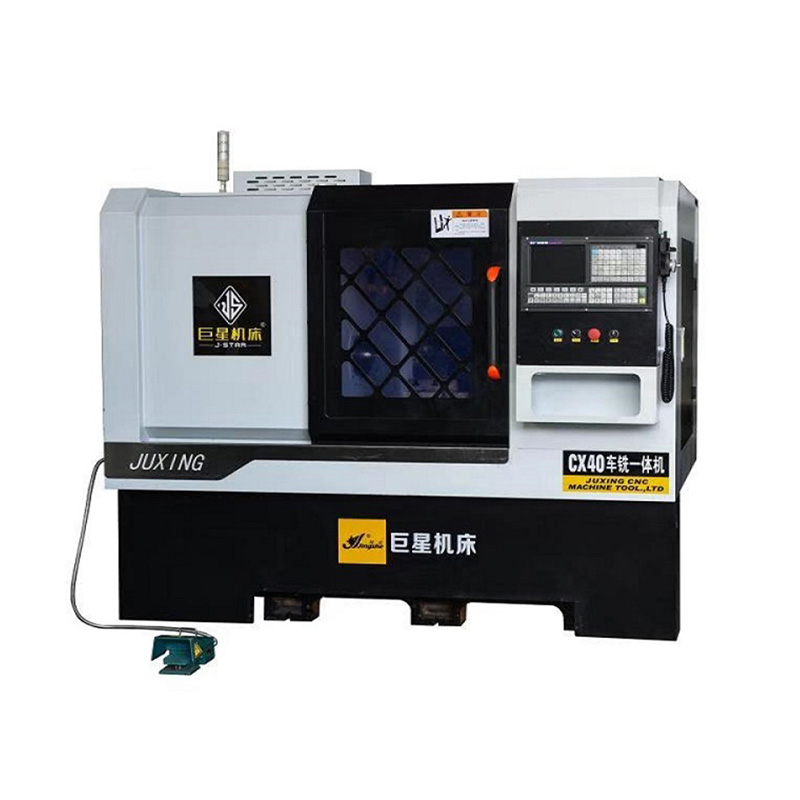
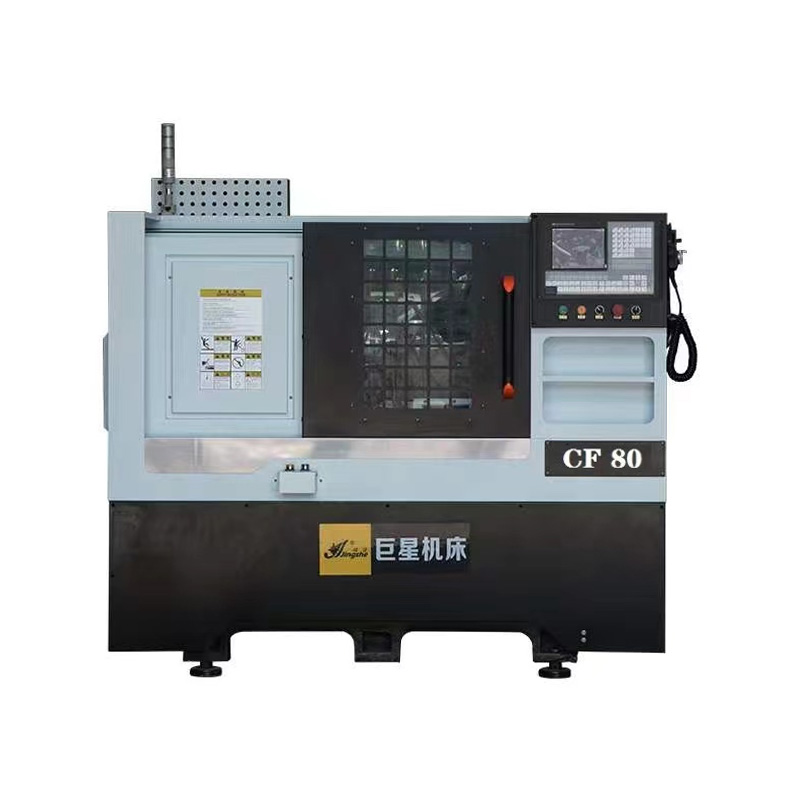
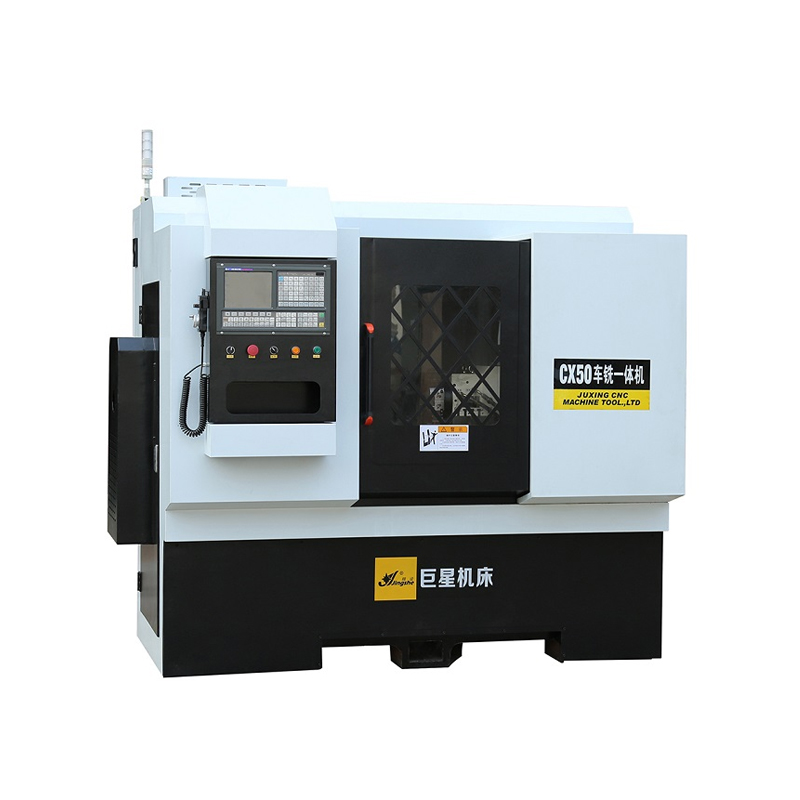
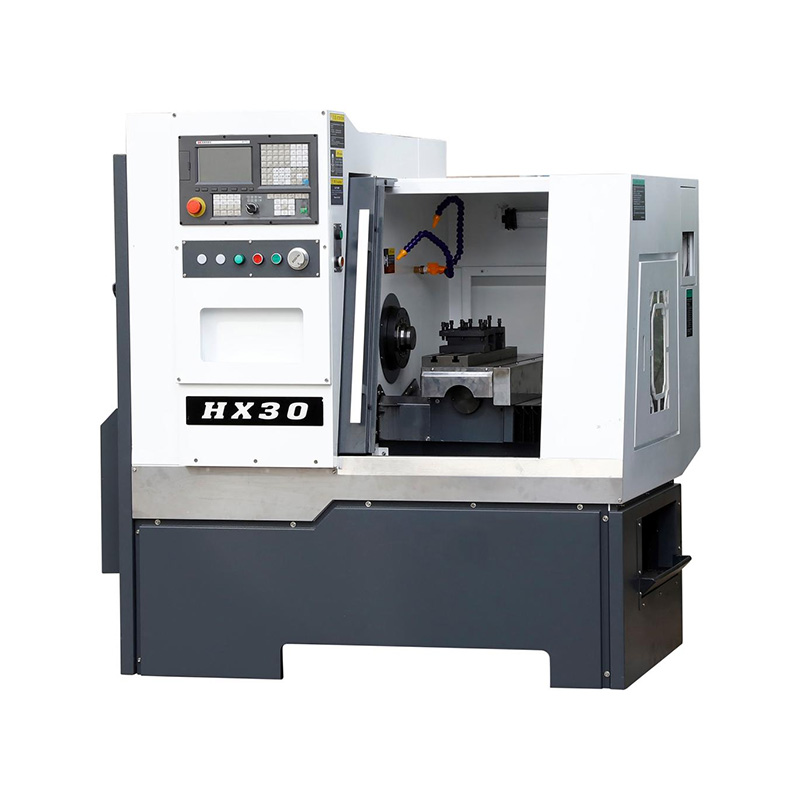
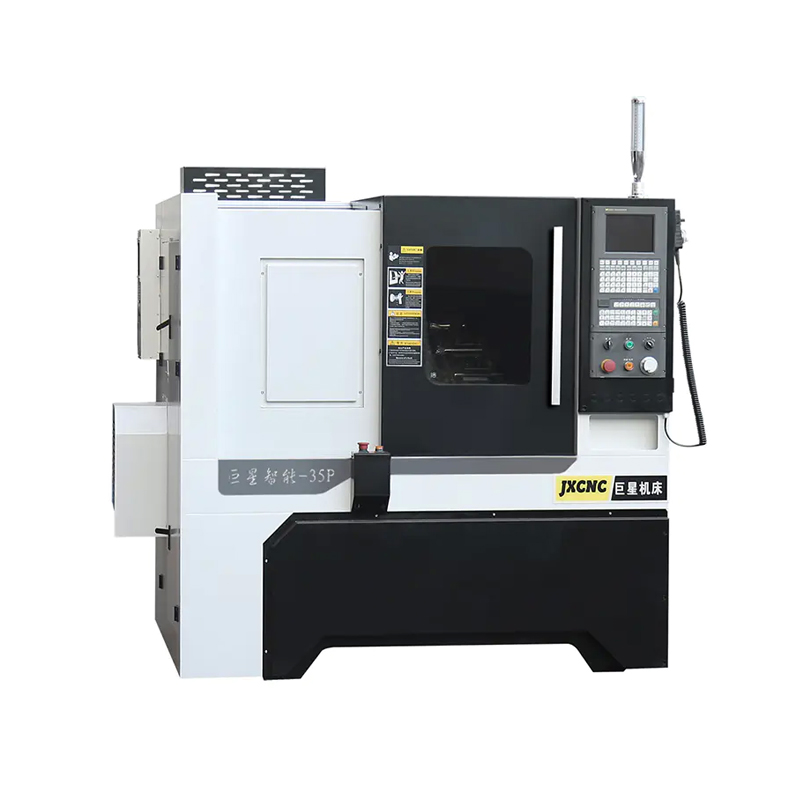
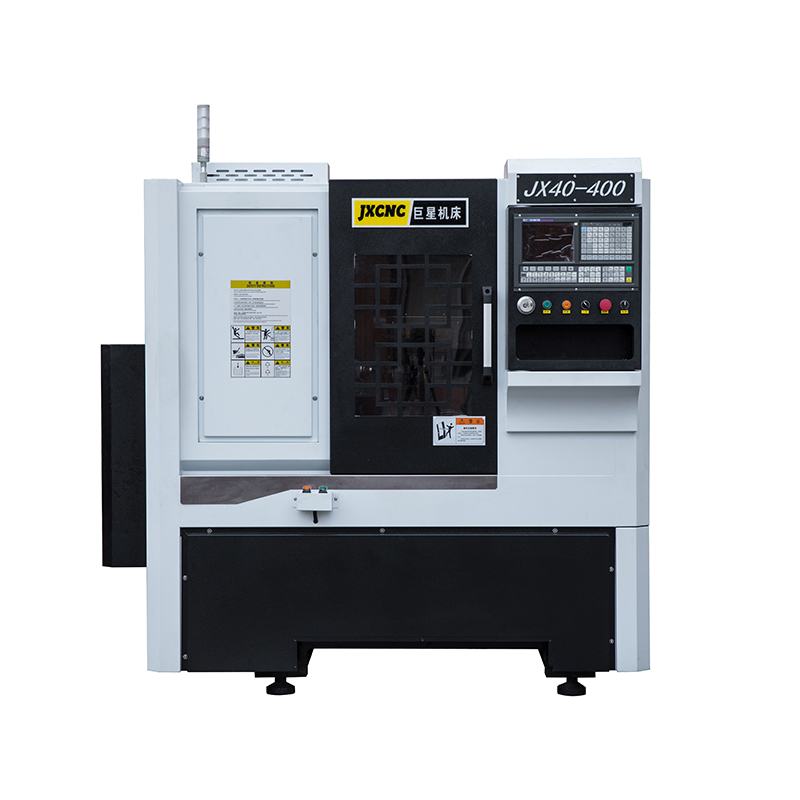
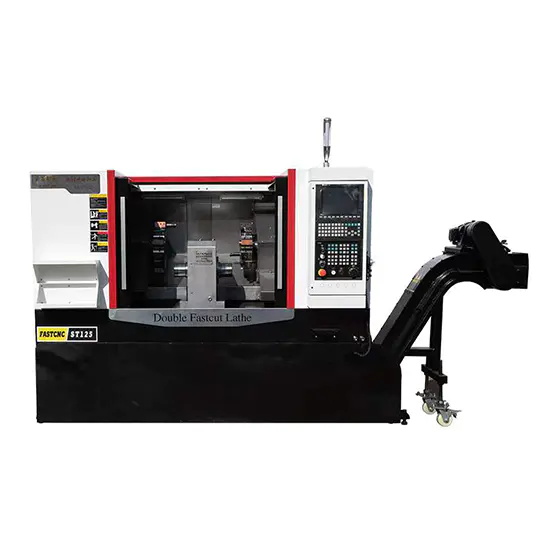
Juxing provides CNC turning and polygon machining equipment for industrial workpiece applications. Our small polygon lathe range is intended for relevant polygon-turning tasks, so buyers should verify the machine's actual processing functions before treating it as a substitute for a conventional CNC milling machine. Sharing your drawings and production requirements with our team helps establish whether a particular configuration matches your application.
Match the Machine to the Material and the Part
A small CNC machine is not limited to aluminum by definition, but its ability to machine steel depends on spindle torque, frame rigidity, cutting tools, workholding, cooling, and the required production conditions. Light steel machining may be feasible on a suitably constructed compact machine, while demanding steel applications call for a more thorough technical assessment.
At Juxing, we encourage buyers to compare equipment specifications with real workpiece requirements before making an investment. Contact our team with your material grade, part drawings, dimensional tolerances, and expected output to discuss a suitable CNC machining configuration for your manufacturing needs.



 English
 中文简体
 русский