English
 中文简体
 русский
CF40 Automatic CNC Polygon Turning Machine Lathe
Cat:Small Polygon Lathe
The CF40 Automatic CNC Polygon Turning Machine Lathe is specifically designed for small to medium-sized, high-precision parts milling, enabling the ma...
See Details


High spindle speed is an attractive specification, but it cannot fully demonstrate what a CNC turning machine can achieve in daily production. Manufacturers need equipment that can maintain dimensional consistency, handle different materials, support the required machining operations, and deliver repeatable results across production batches.
At Juxing, we understand that purchasing decisions require more than a comparison of catalog figures. As a CNC machine tool manufacturer, we encourage buyers to evaluate the complete machine configuration against their actual workpiece requirements. For businesses comparing cnc turning machine manufacturers, several technical factors provide a clearer picture of machining capability.
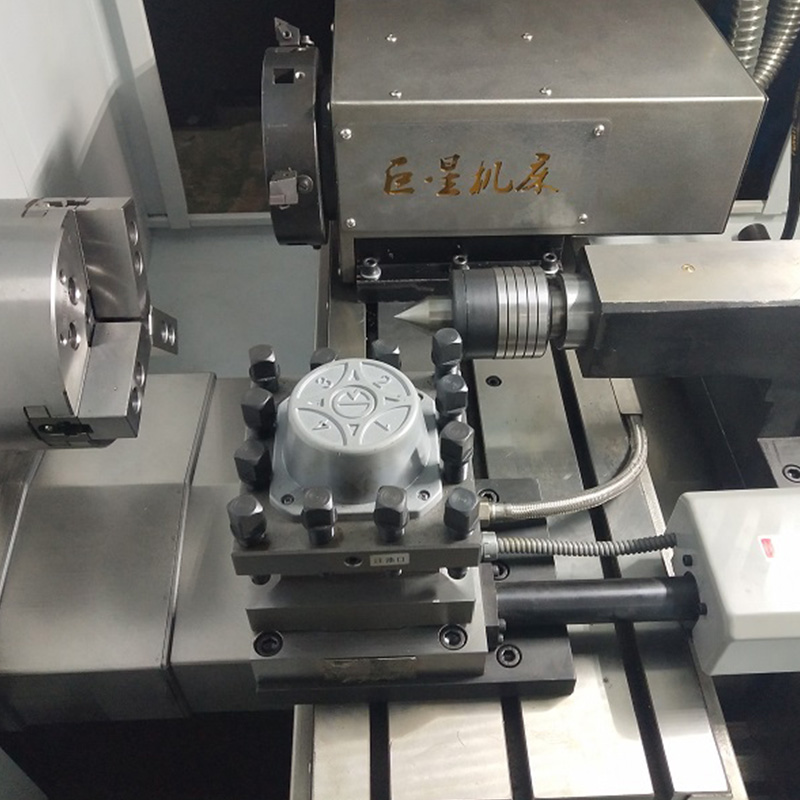
Spindle speed affects how quickly the workpiece rotates, but torque and power determine how effectively the machine can perform different cutting operations. A high-speed spindle may suit small-diameter components, while demanding cuts on larger steel workpieces require adequate torque and structural stability.
For example, machining a small brass connector and rough-turning a larger stainless steel component involve different cutting demands. The appropriate spindle configuration depends on workpiece size, material properties, tool geometry, and the required material removal rate.
A CNC machine may move to a programmed coordinate accurately during a test, but production capability also depends on its ability to return to the same position consistently. Buyers should distinguish positioning accuracy from repeatability and finished-part accuracy.
Suppose a turned shaft requires a diameter of 20 mm with a tolerance of ±0.01 mm. The finished diameter must remain between 19.99 mm and 20.01 mm. Meeting this requirement depends on the complete machining process, including the machine, tooling, workholding, cutting parameters, and measurement method.
Machine structure affects vibration control, dimensional stability, and surface finish. During cutting, forces act on the tool, workpiece, spindle, and supporting structure. Excessive deflection or vibration can cause dimensional variation, chatter marks, and premature tool wear.
These factors become particularly important during heavy roughing, long-shaft machining, and production involving demanding materials. A suitable machine should match the cutting load and geometry of the intended components.
For a CNC turning machine equipped with a turret, tool indexing and locking performance influence the consistency of multi-operation machining. The number of turret stations also determines how many tools can remain ready for use during a programmed cycle.
At Juxing, we recommend reviewing turret configuration alongside the part drawing and process sequence. A suitable arrangement can reduce manual tool changes and support the planned machining workflow.
Technical specifications are useful for initial screening, but a sample machining test provides additional evidence of how a machine performs under defined conditions. Buyers should prepare representative workpieces and agree on the acceptance criteria before the test begins.
A sample test should reflect the actual application rather than an unrelated demonstration component. The results can help buyers identify whether additional tooling, process adjustments, or machine configuration changes are necessary.
A machine that performs well on a single component may not suit every product in a factory's portfolio. Before making an investment, buyers should consider workpiece diameter, turning length, material range, batch size, required tolerances, and future product variations.
Control-system compatibility, operator training, spare-parts availability, technical documentation, and after-sales support also deserve attention. These factors influence how easily the machine can be integrated into the existing production environment and supported throughout its service life.
At Juxing, we work with customers to assess CNC turning and polygon machining requirements according to their applications. Providing component drawings, material specifications, and expected production volumes allows our team to discuss suitable machine configurations and relevant technical details.
Spindle speed is only one part of CNC turning performance. Torque, power, positioning accuracy, repeatability, structural rigidity, turret stability, and verified sample results provide a more complete basis for evaluating a machine's capability.
Juxing encourages buyers to compare measurable specifications with actual production requirements before making a purchasing decision. Share your workpiece drawings, critical tolerances, material grades, and machining objectives with our team to discuss a CNC turning or polygon lathe solution suited to your manufacturing needs.
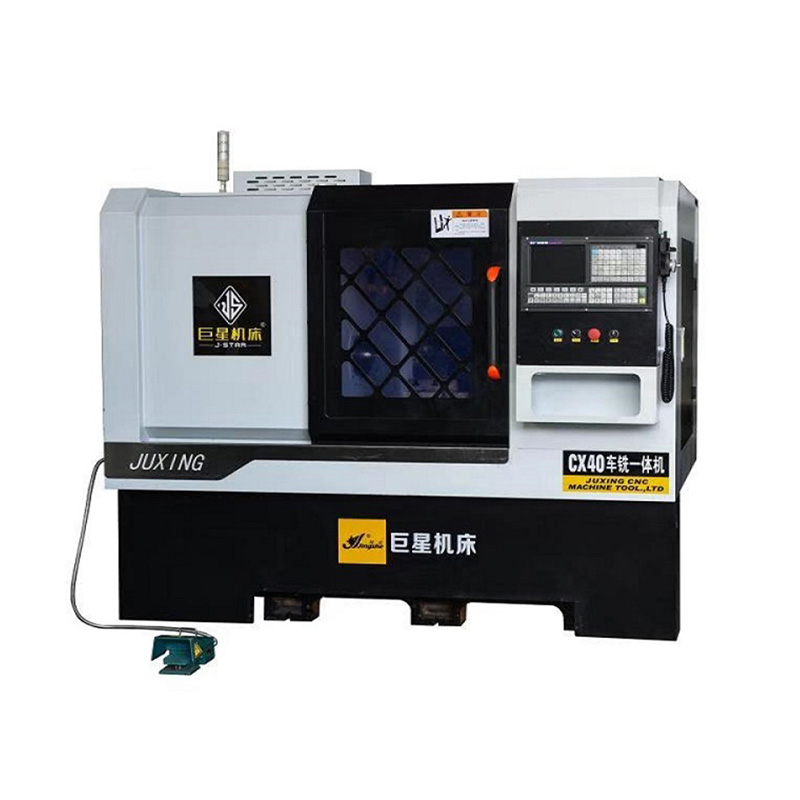
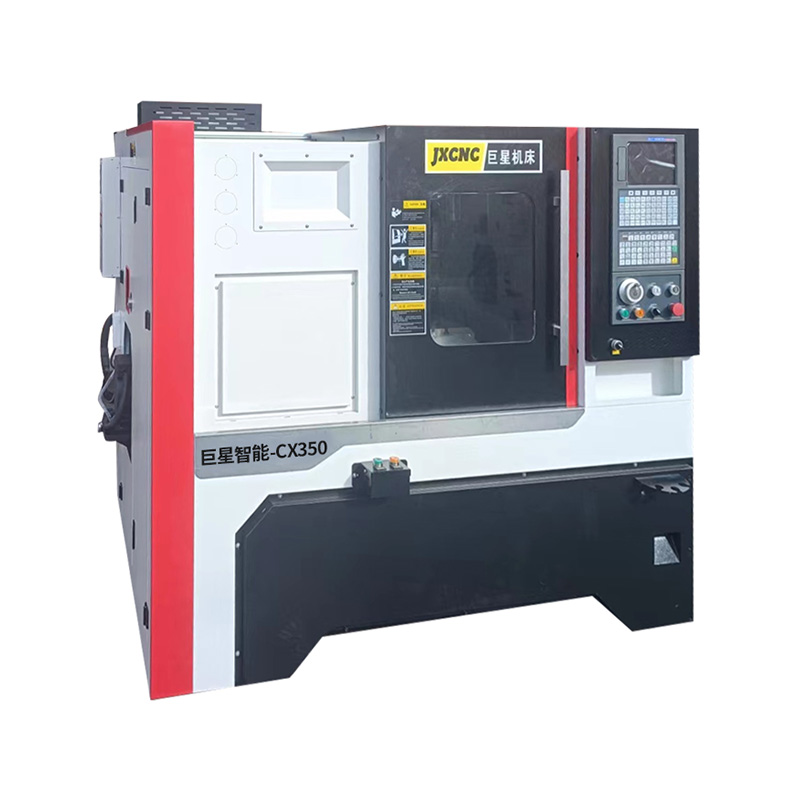
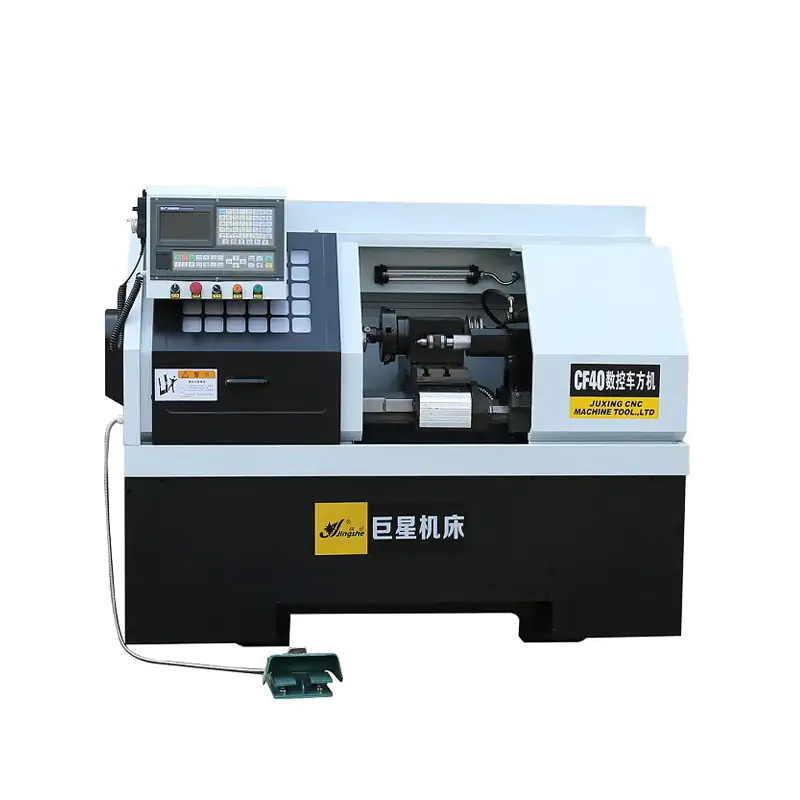
The CF40 Automatic CNC Polygon Turning Machine Lathe is specifically designed for small to medium-sized, high-precision parts milling, enabling the ma...
See Details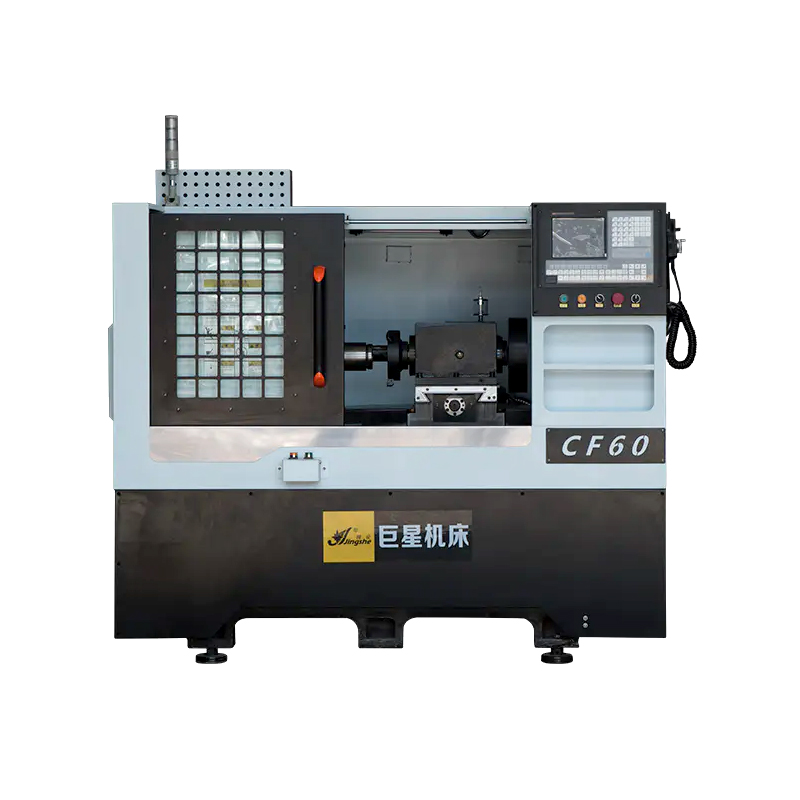
The CF60 CNC Polygon Lathe is a highly efficient and versatile machine tool designed for small to medium-sized precision parts milling. It is capable ...
See Details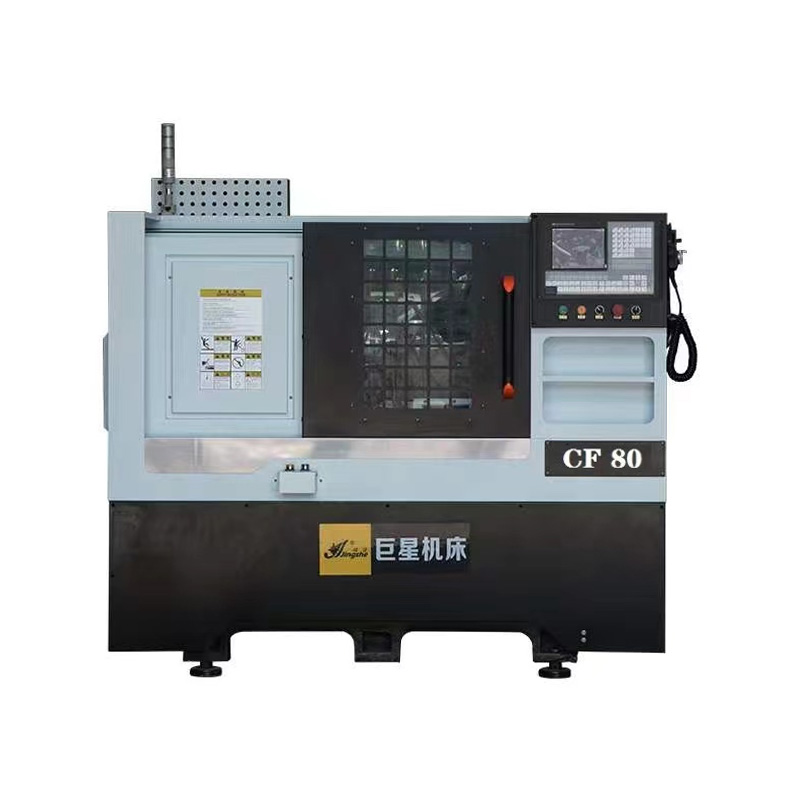
Introducing the CF80 Auto Polygon Lathe Hexagonal Tailstock Lathe Machine. This machine is specifically designed for the production of medium and smal...
See Details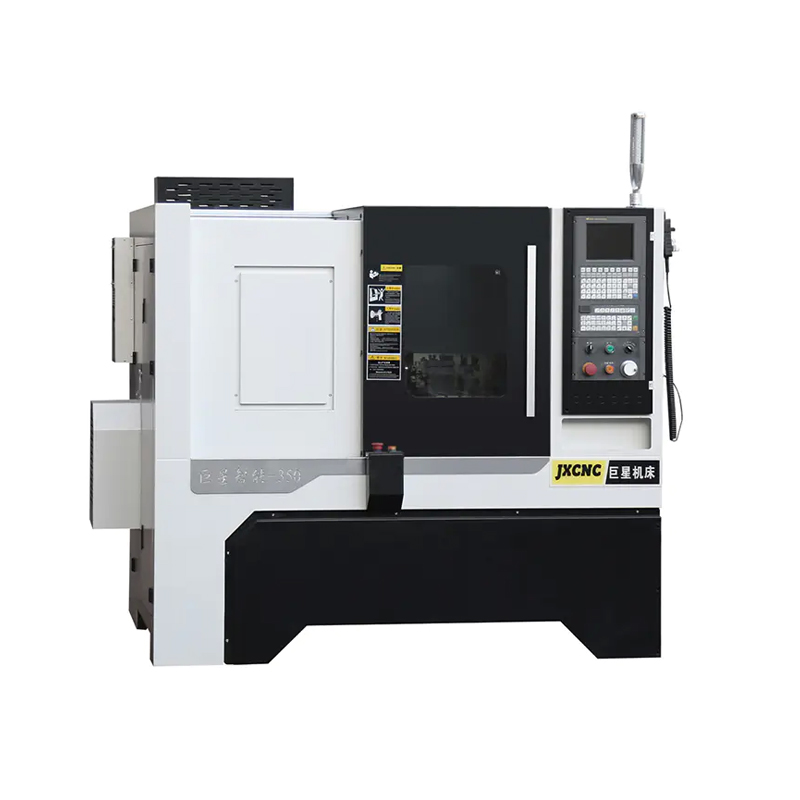
The JX350 Gang Type CNC Lathe for Cutting Tool with Rapid Tool Changing is designed to deliver high precision and efficiency in cutting tool operation...
See Details
Introducing the JX36P China Good Supplier CNC Lathe Machine, a high-quality and efficient tool designed for precision machining. With its horizontal i...
See Details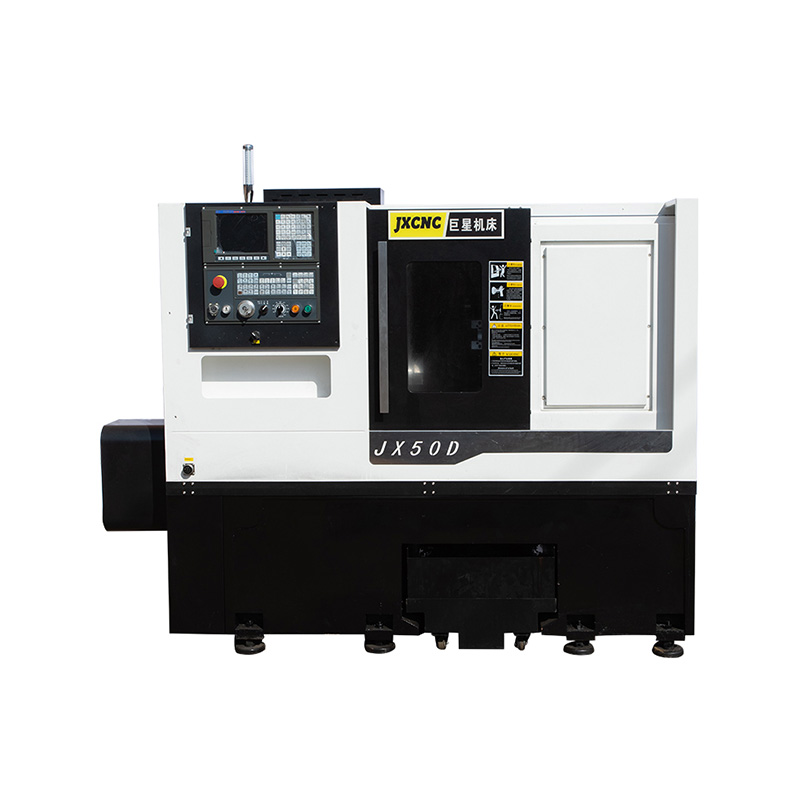
Introducing the JX50D CNC Machine Tools List from China's CNC machine tools manufacturer. Our machine tools are equipped with a servo hydraulic turret...
See Details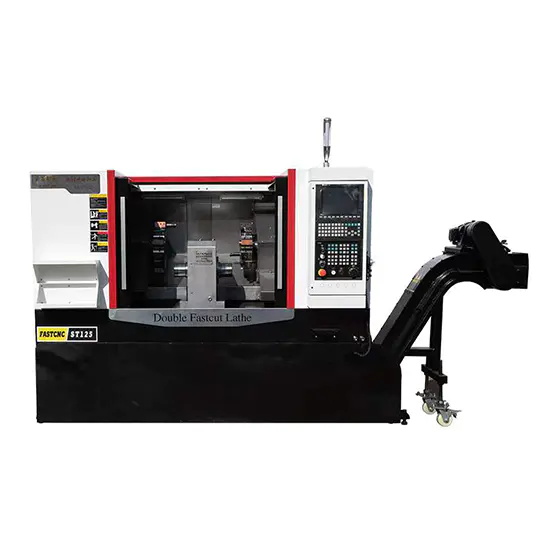
The JX125 Double Head CNC Machine is a cutting-edge machine tool that utilizes a central spindle, two Z-axes, two X-axes, and bidirectional drag plate...
See DetailsTEL : +86-576-87491531
FAX : +86-576-87493038
E-MAIL : chinajuxing@aliyun.com
ADDRESS: Longxi Industrial Zone, Yuhuan City, Taizhou City, Zhejiang Province, China
CopyrightTaizhou Yestar Intelligent Equipment Co., Ltd. All Rights Reserved.