English
 中文简体
中文简体 русский
CF32 Hydraulic Clamping CNC Polygon Turning Machine
Cat:Small Polygon Lathe
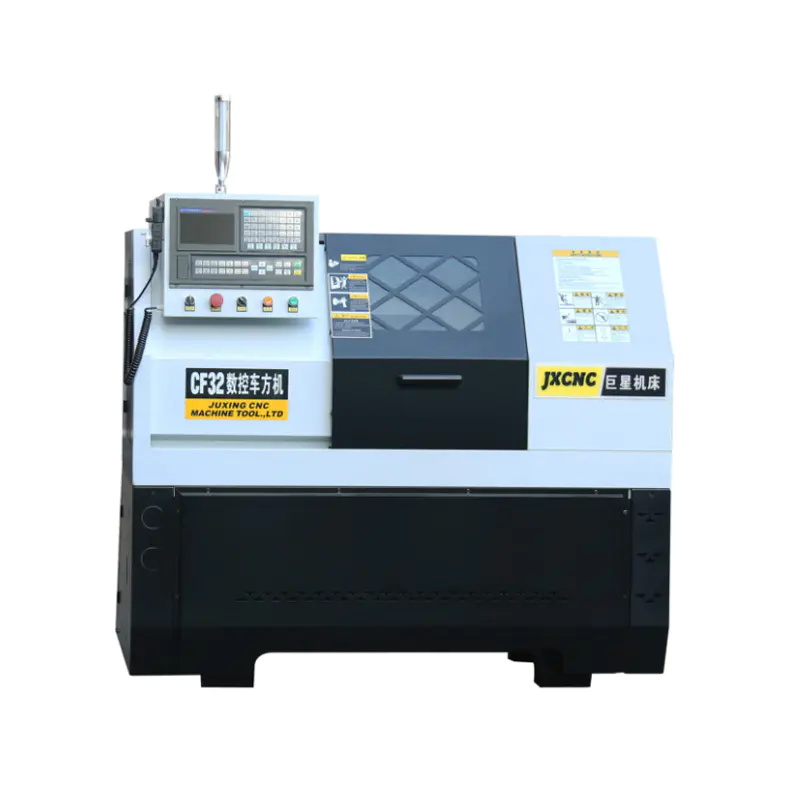
CF32 hydraulic clamping CNC polygon lathe is designed for milling small and medium-sized high-precision parts, which can mill square, octagonal, hexag...
See Details


Round shafts, bushings, discs, and sleeves have long been associated with CNC turning. Modern component designs, however, often combine cylindrical surfaces with holes, slots, flats, threads, and other secondary features. This shift has expanded the role of the Slant Bed CNC Lathe Turning Center Machine from a conventional turning platform into a more versatile machining system.
The key question is no longer simply whether a machine can turn a round workpiece. The more relevant issue is how many different features can be completed within its available machining envelope and tooling configuration.
Many industrial components begin as round bar or cast blanks but do not remain purely cylindrical after machining. Automotive, hydraulic, machinery, and precision-component applications commonly require additional features around the turned profile.
These requirements explain the growing interest in turning centers equipped with driven tooling and additional CNC axes.
A conventional turning center primarily performs operations such as facing, external turning, boring, threading, and grooving. A modern Slant Bed CNC Lathe Turning Center Machine can extend this range through live tooling, C-axis control, and Y-axis movement.
Driven tools allow the machine to perform milling, drilling, and tapping operations. C-axis positioning provides controlled spindle orientation, while Y-axis travel can reach features positioned away from the spindle centerline. Hurco, for example, lists a slant-bed turning center with ±55 mm Y-axis travel, live tooling speeds up to 5,000 rpm, and a maximum turning diameter of 15.75 inches.
Beyond the number of machining functions, physical capacity remains an important consideration. Turning diameter, machining length, spindle bore, chuck size, and axis travel determine whether a particular machine can accommodate the intended component range.
Current slant-bed models show considerable variation. Some machines provide maximum machining diameters around 500 mm, while machining lengths can range from approximately 520 mm to 1,000 mm. Spindle speeds around 4,200 rpm are also available on certain configurations.
This variation makes the specification sheet particularly important. A machine designed for compact precision parts may not provide the spindle bore or working envelope required for larger shafts or hydraulic components.
The inclined bed is more than a visual difference from a flat-bed lathe. Its structural arrangement supports the carriage and working area while helping chips move away from the cutting zone. Some commercial machines use 30° or 45° slant-bed structures, depending on the design.
This layout also works well with linear guideways and compact turret arrangements. Combined with appropriate spindle and tooling specifications, it creates a platform capable of handling both routine turning and more involved multi-feature components.
The practical value of a Slant Bed CNC Lathe Turning Center Machine becomes clearer with parts that contain several machining features. Consider a shaft with stepped diameters, an external thread, a radial hole, and a milled flat. Conventional production may divide these operations between turning, milling, and drilling equipment.
With live tooling and suitable axis control, a turning center can combine several of these operations around the same workholding setup. This approach is particularly useful for components where feature alignment matters and repeated repositioning could affect dimensional relationships.
The modern Slant Bed CNC Lathe Turning Center Machine is therefore not limited to producing simple round parts. With the right combination of spindle capacity, turret technology, live tooling, and CNC axes, it can address components that combine turning with several secondary machining features. The real capability of the machine is defined by its configuration and the geometry of the parts it is expected to produce.
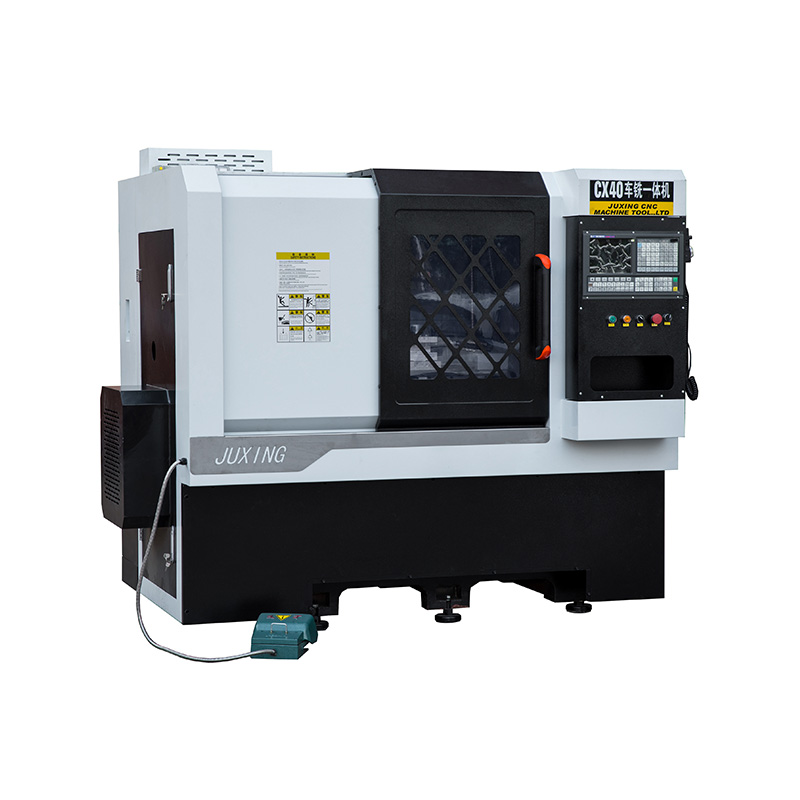
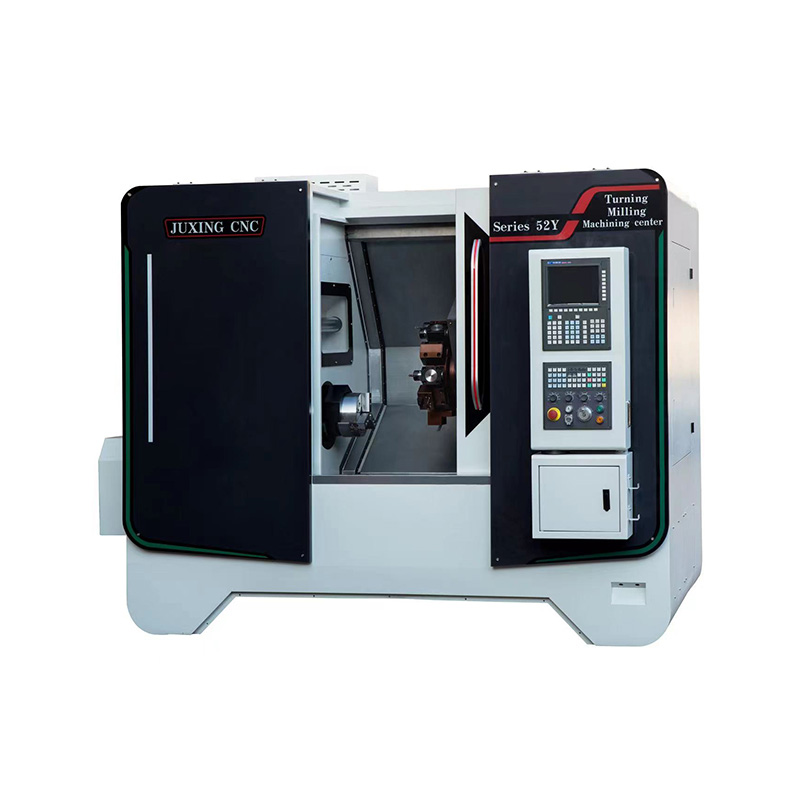
CF32 hydraulic clamping CNC polygon lathe is designed for milling small and medium-sized high-precision parts, which can mill square, octagonal, hexag...
See Details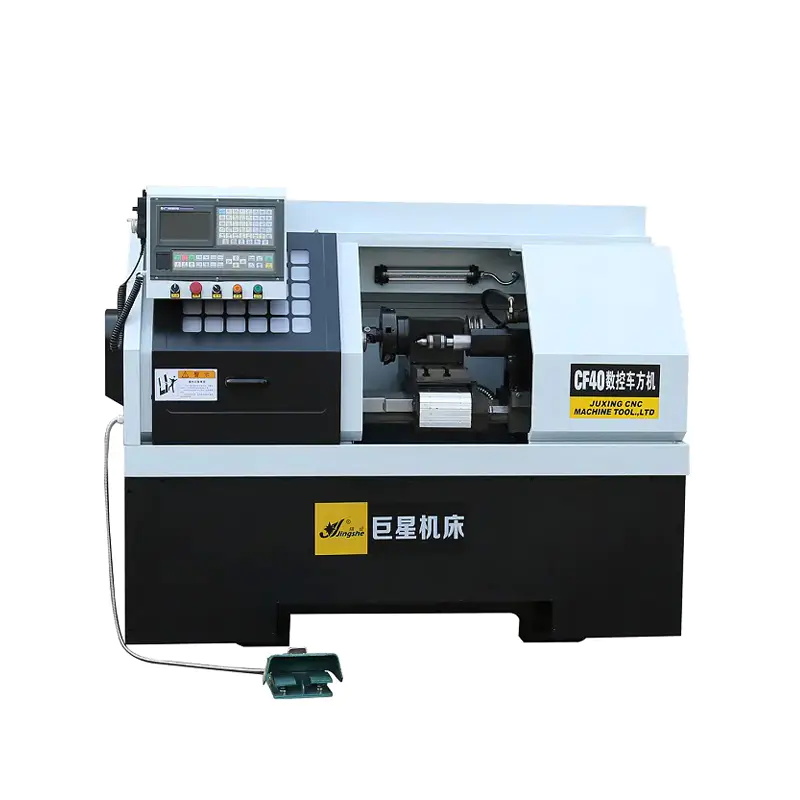
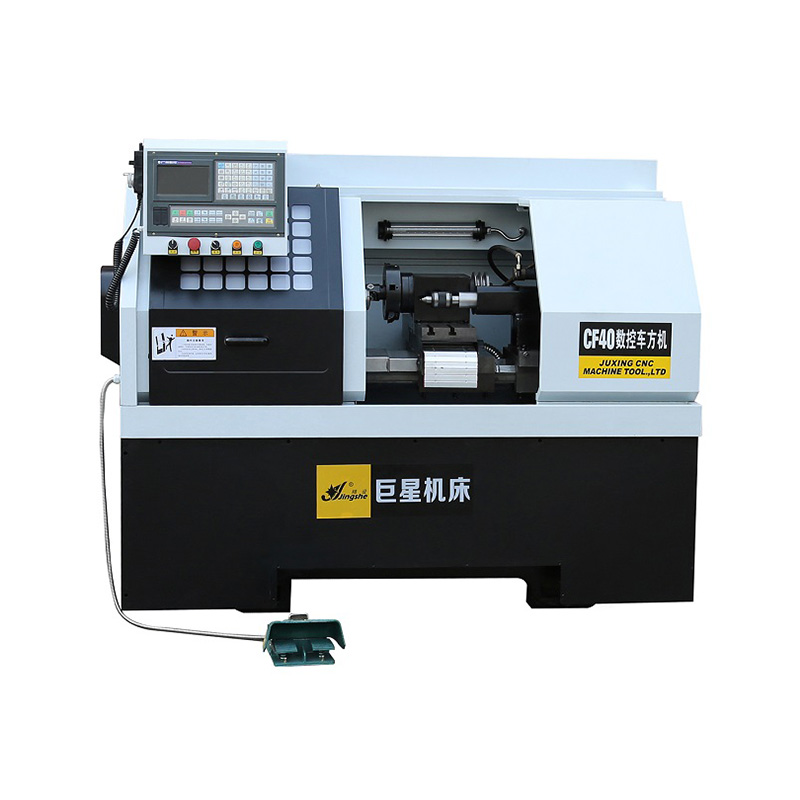
The CF40 Automatic CNC Polygon Turning Machine Lathe is specifically designed for small to medium-sized, high-precision parts milling, enabling the ma...
See Details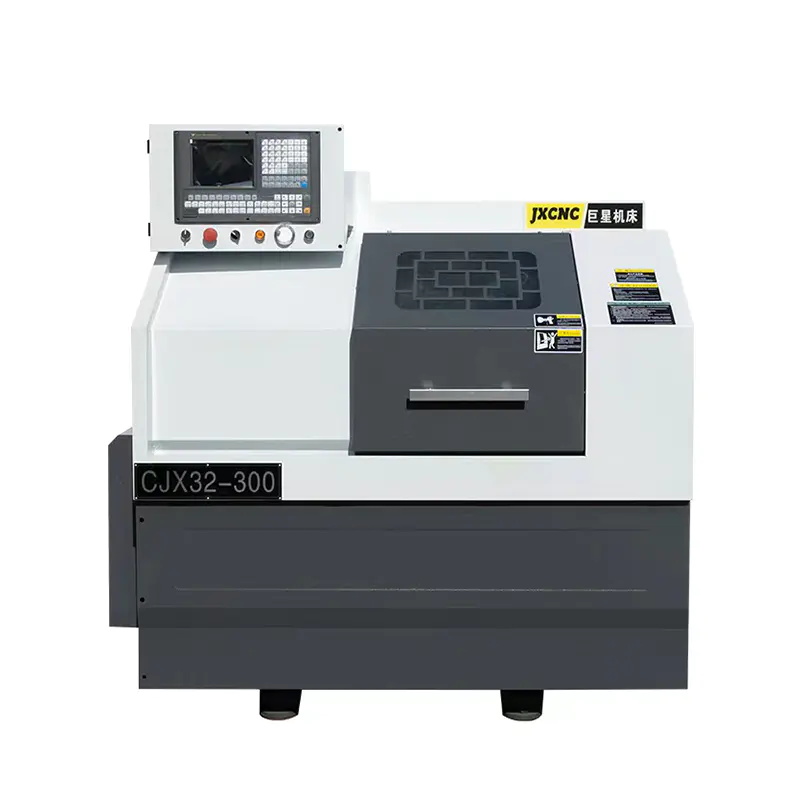
The JX32-300 Mini Economical CNC Lathe Machine is designed to provide high precision and efficient machining for a wide range of metal products. With ...
See Details
Introducing the JX36P China Good Supplier CNC Lathe Machine, a high-quality and efficient tool designed for precision machining. With its horizontal i...
See Details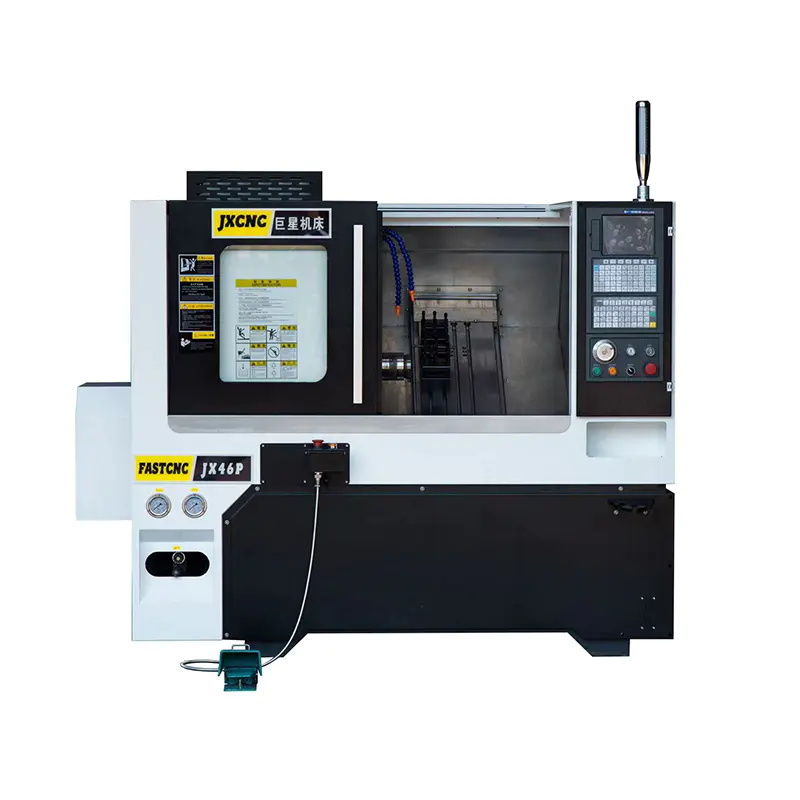
The JX46P Slant Bed CNC Lathe Machine of Cast Iron Machine Base is a high-performance machine tool designed for various machining operations. With its...
See Details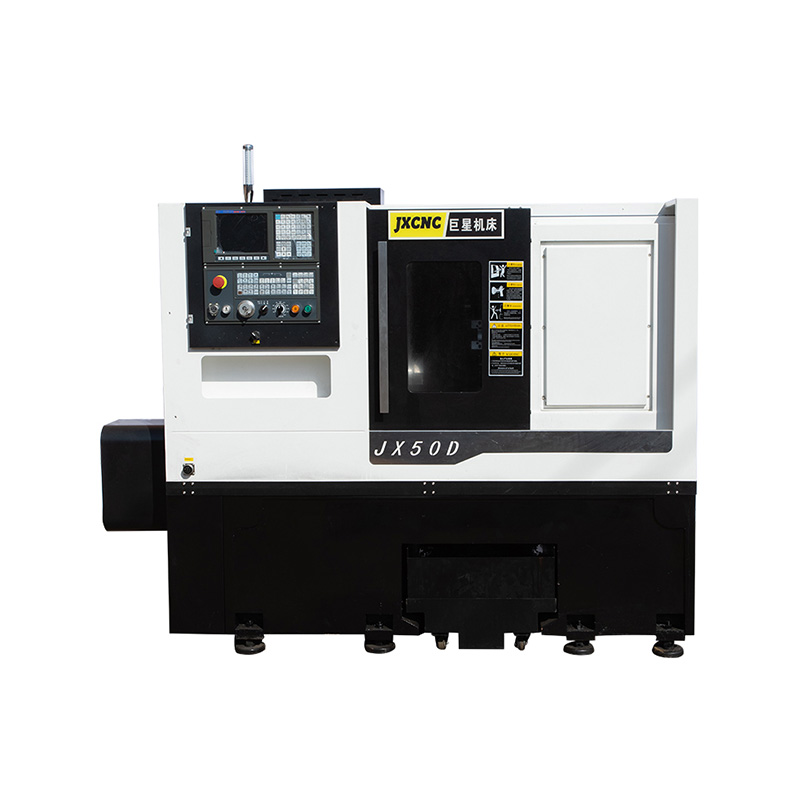
Introducing the JX50D CNC Machine Tools List from China's CNC machine tools manufacturer. Our machine tools are equipped with a servo hydraulic turret...
See Details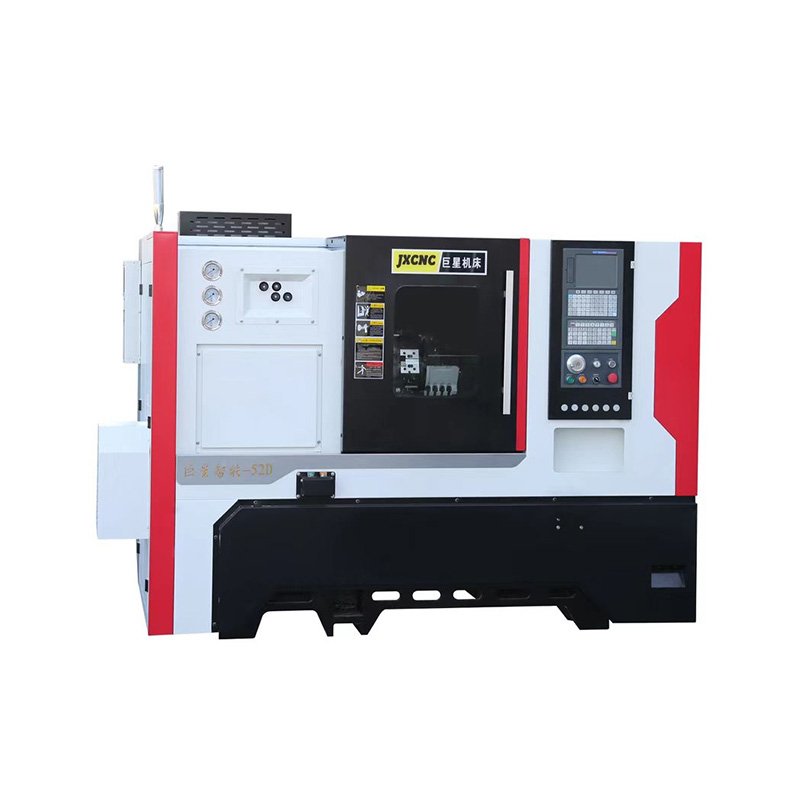
As a trusted machine tool equipment supplier in China, we prioritize customer satisfaction and strive to provide the solutions and support. Our JX52D ...
See Details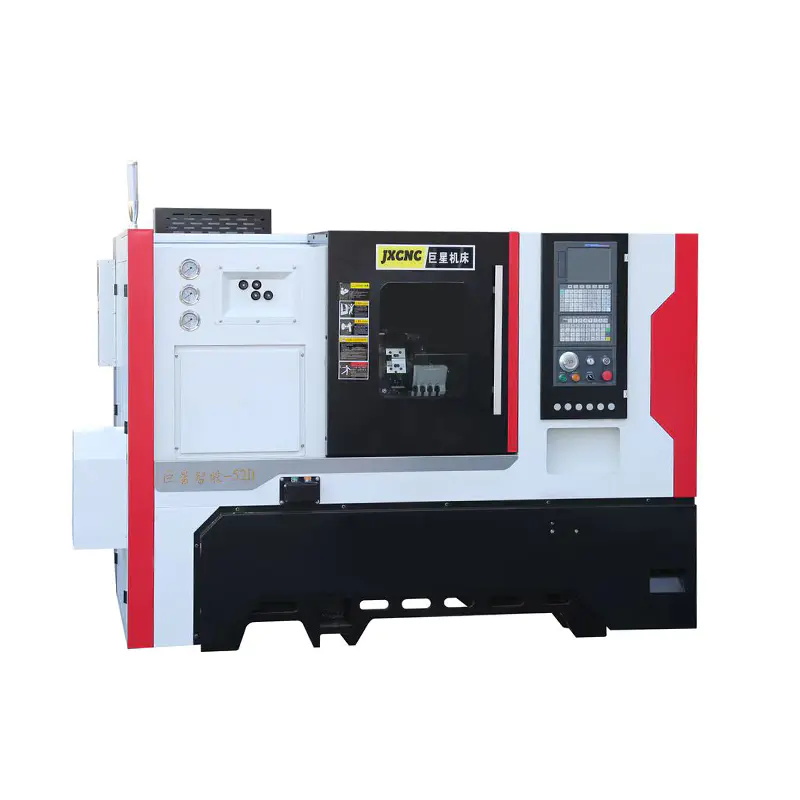
The JX52D Machine Tool CNC Lathe is specifically designed for lathe every kinds of material with precision and efficiency. It is equipped with advance...
See DetailsTEL : +86-576-87491531
FAX : +86-576-87493038
E-MAIL : chinajuxing@aliyun.com
ADDRESS: Longxi Industrial Zone, Yuhuan City, Taizhou City, Zhejiang Province, China
CopyrightTaizhou Yestar Intelligent Equipment Co., Ltd. All Rights Reserved.