English
 中文简体
中文简体 русский
CF32 Hydraulic Clamping CNC Polygon Turning Machine
Cat:Small Polygon Lathe
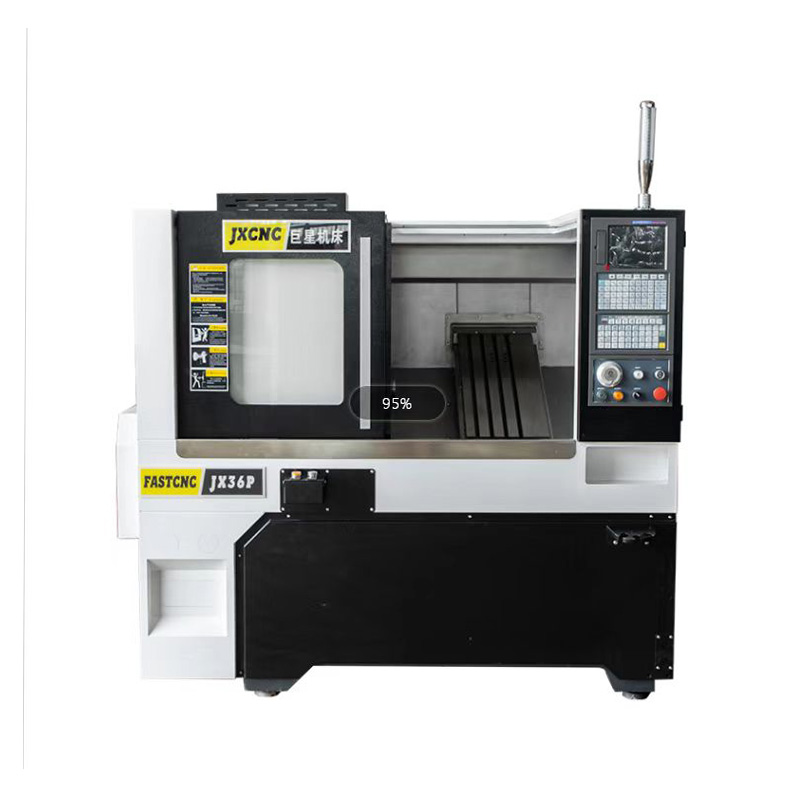
CF32 hydraulic clamping CNC polygon lathe is designed for milling small and medium-sized high-precision parts, which can mill square, octagonal, hexag...
See Details


Complex components often require more than turning. A single part may need external turning, internal boring, threading, cross-drilling, milling, and machining on both ends. Traditional production may divide these operations between several machines. A Dual-spindle Turning and Milling Machine takes a different approach by combining two spindle positions with milling and turning capabilities.
The second spindle is not simply an additional rotating unit. It can change how a component moves through the machining process, particularly for parts that require front-and-back operations or several features at different orientations.
Standard single-spindle turning generally holds the workpiece from one side throughout the main machining process. A dual-spindle configuration introduces a second gripping and machining position. The sub-spindle can receive the workpiece after selected operations are completed on the main spindle.
Current dual-spindle turning centers demonstrate this concept through synchronized spindles and automated part handoff. Some systems allow the transfer to take place while spindle synchronization is maintained, creating a continuous machining sequence.
The machining strategy becomes more flexible once live tooling and Y-axis movement are added. A Dual-spindle Turning and Milling Machine can combine rotational cutting with off-center milling, drilling, and tapping.
Haas, for example, lists Y-axis, C-axis, and live tooling as part of its dual-spindle turning-center architecture. Its DS-30Y provides ±50.8 mm of Y-axis travel, a 4,500 rpm main spindle, a 4,000 rpm secondary spindle, and live tooling capable of reaching 4,000 rpm.
Not every turned component requires two spindles. The configuration becomes particularly interesting for parts containing machining features on both ends or requiring several processes around the same component.
Such components can benefit from keeping critical features within the same CNC machining sequence. This can also simplify the production route for parts that would otherwise require repeated chucking and repositioning.
Two machines may both be described as dual-spindle turning and milling systems while offering very different capabilities. Buyers should examine the relationship between spindle size, bar capacity, turret configuration, live-tool speed, axis travel, and work envelope.
For example, the compact DS-20Y platform provides a 64 mm bar capacity, ±50.8 mm Y-axis travel, a 4,000 rpm main spindle, and live tooling rated up to 4,000 rpm. Larger models can provide greater chuck capacity and spindle power for heavier components.
Yes, provided the machine configuration supports them. Consider a component requiring external turning, an end thread, a radial hole, a milled flat, and machining on the opposite face. The main spindle can handle the initial turning operations, driven tools can create the radial features, and the sub-spindle can grip the component for back-side machining.
This changes the production concept from “turn first, transfer later” to a coordinated machining sequence. The Dual-spindle Turning and Milling Machine therefore becomes particularly valuable for components whose geometry crosses the boundaries between turning and milling.
The real advantage of a Dual-spindle Turning and Milling Machine is therefore not simply having two spindles. Its value comes from coordinating spindle transfer, turning, milling, drilling, and multi-axis positioning around the geometry of the actual component. For complex parts with features distributed across several surfaces, this machining strategy can create a much more integrated production route.
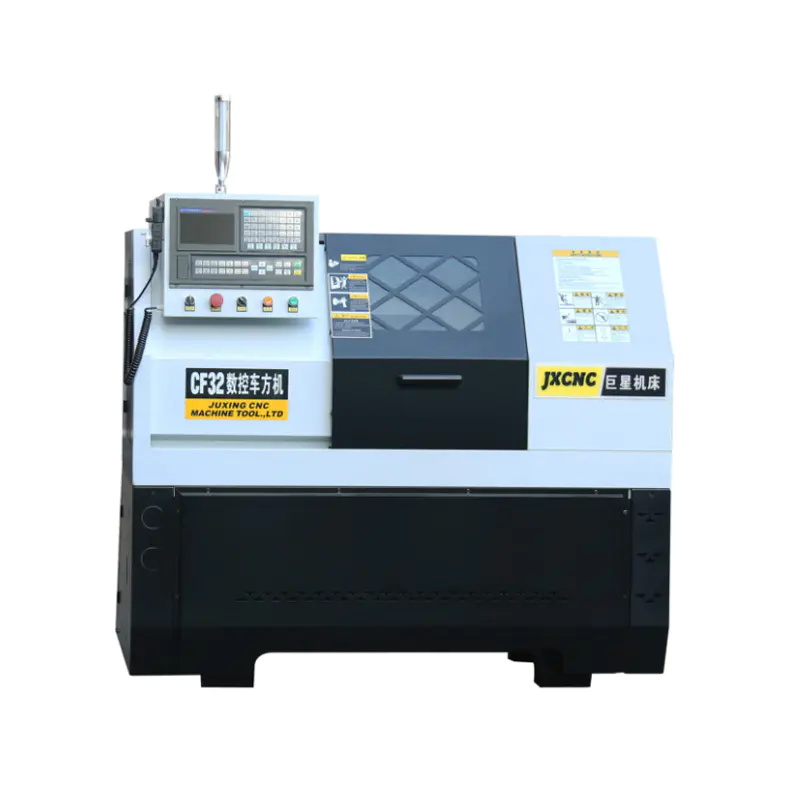
CF32 hydraulic clamping CNC polygon lathe is designed for milling small and medium-sized high-precision parts, which can mill square, octagonal, hexag...
See Details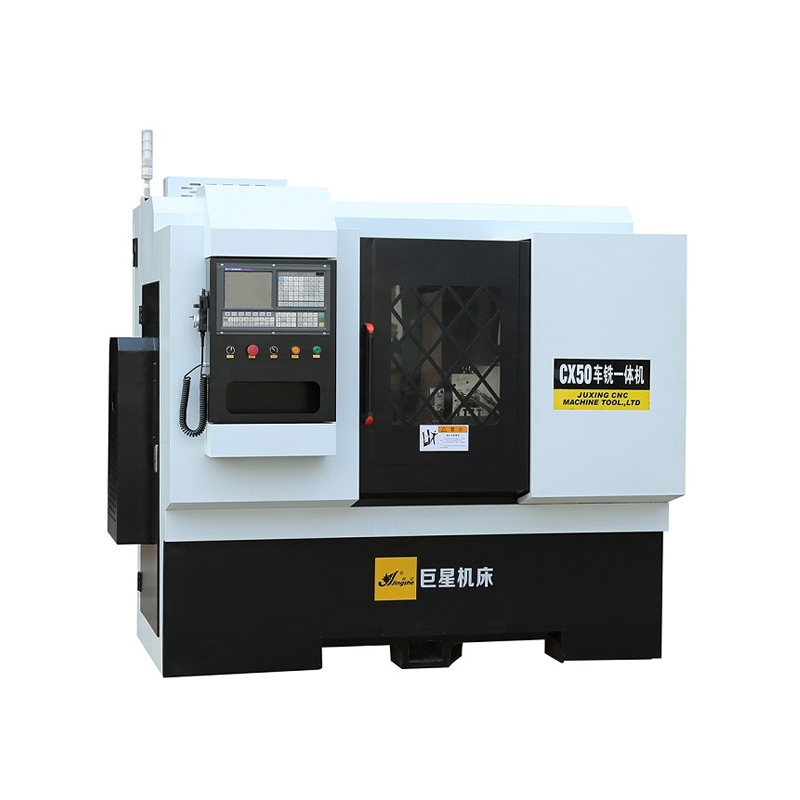
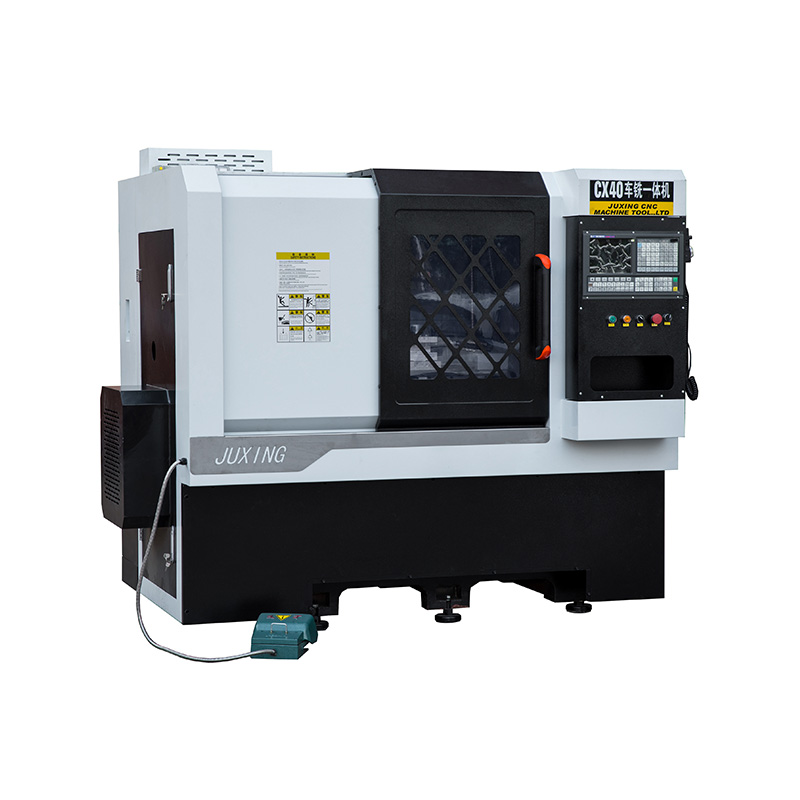
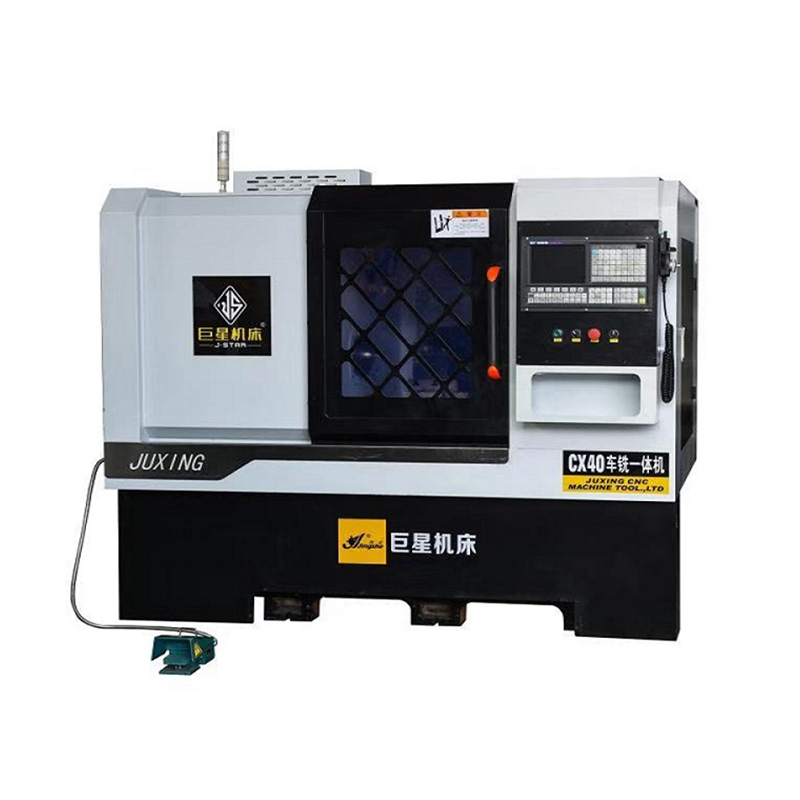
Are you looking for a machine that combines the capabilities of a CNC lathe and a square lathe? Look no further! Introducing the CX50 New CNC Turning ...
See Details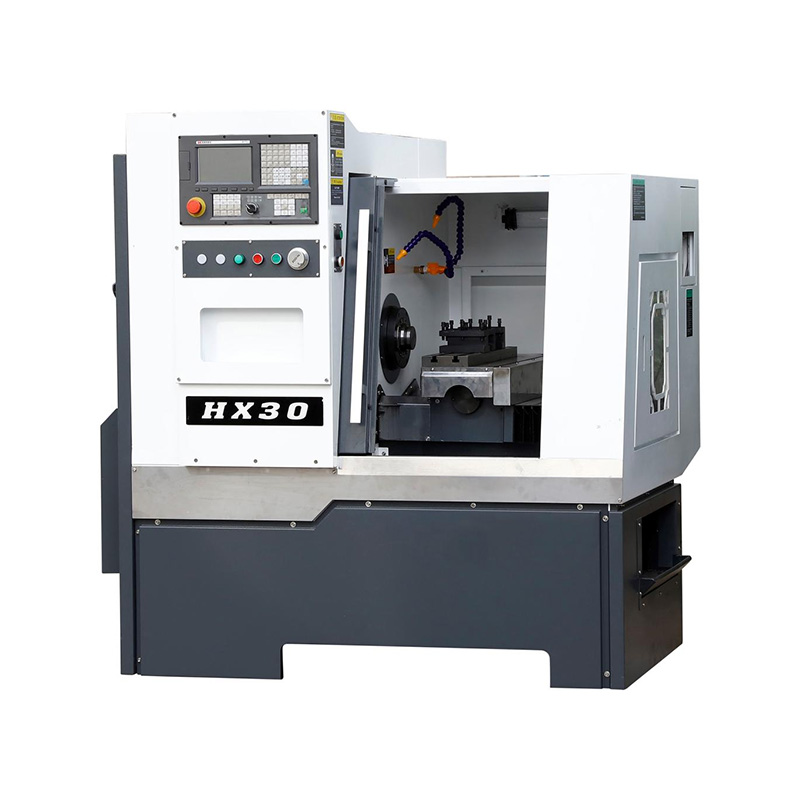
A notable feature of the HX30 Mandrel Bar Feeder Cheap CNC Lathe is its efficient and reliable mandrel bar feeder. The mandrel serves as a support for...
See Details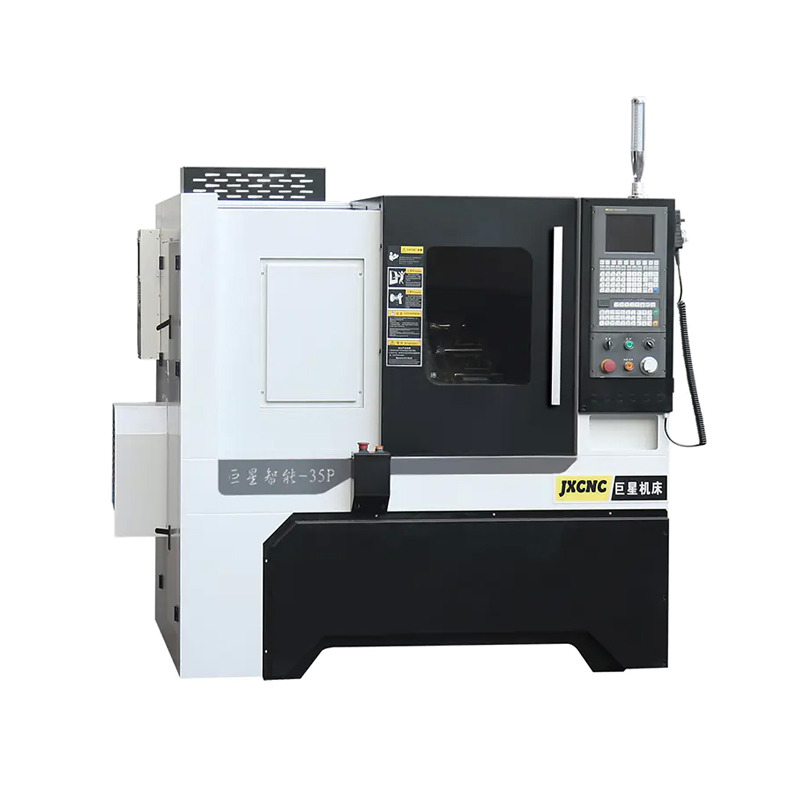
The JX35P CNC Hiwin Linear Guide Machine with High Precision is a reliable and robust solution for various machining applications. With its horizontal...
See Details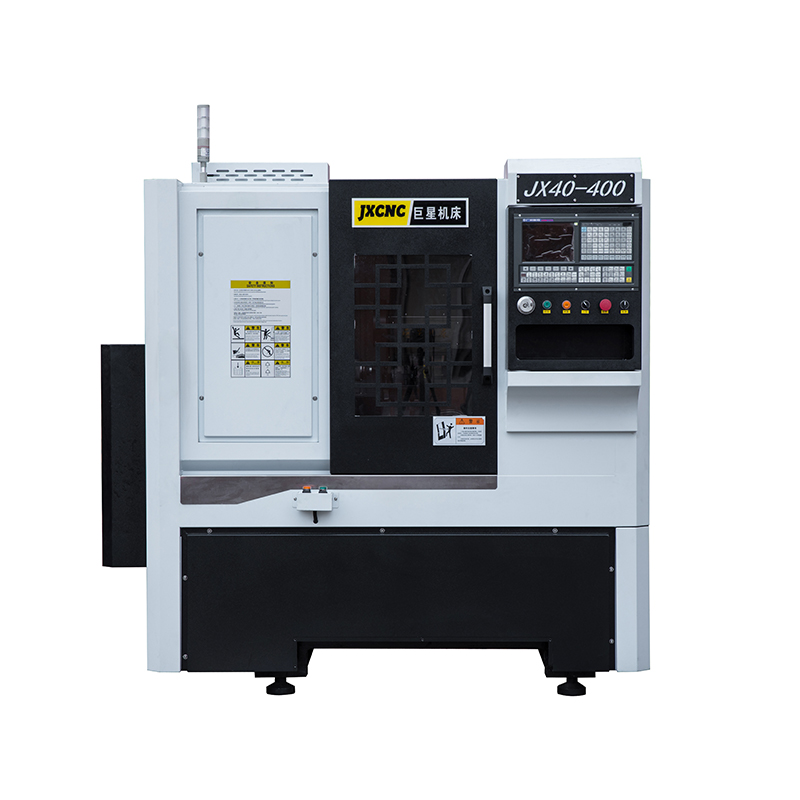
The JX40-400 Factory High Speed Precision CNC Lathes are designed to provide exceptional efficiency and accuracy in machining processes. With the abil...
See Details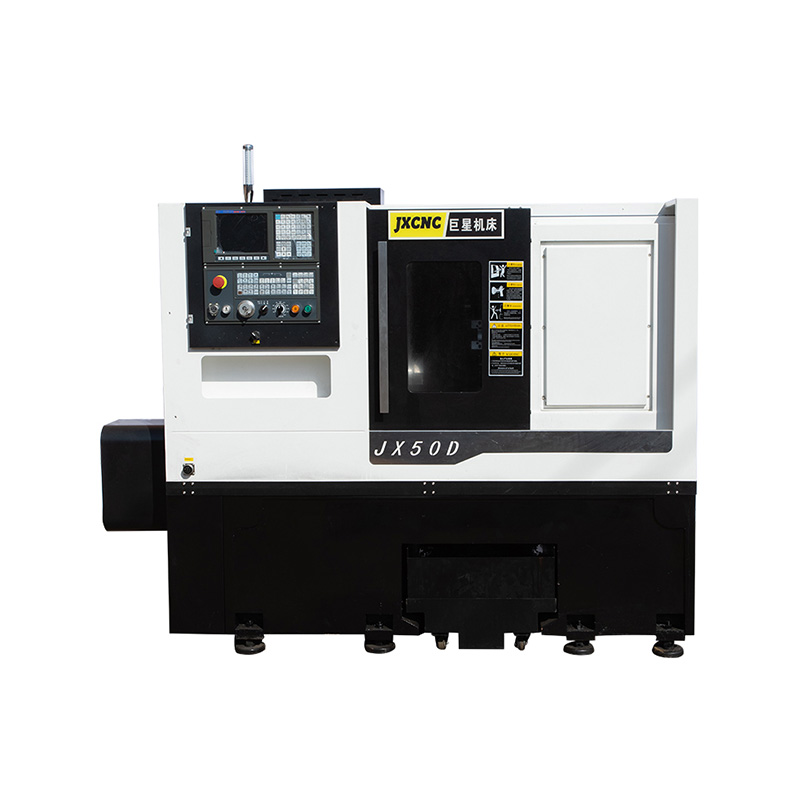
Introducing the JX50D CNC Machine Tools List from China's CNC machine tools manufacturer. Our machine tools are equipped with a servo hydraulic turret...
See Details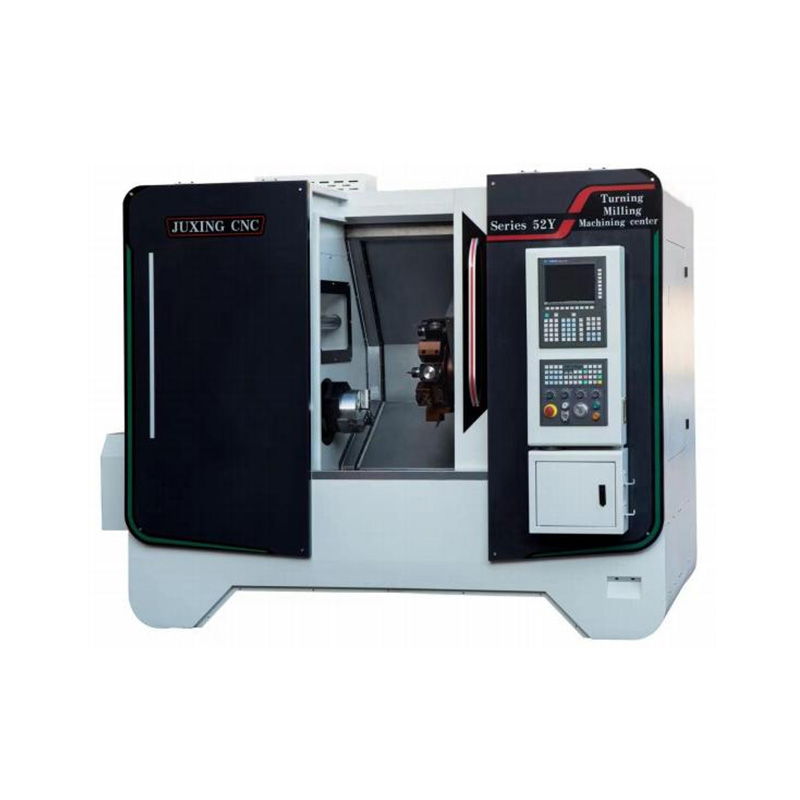
In conclusion, the JX52Y CNC Turning Lathes with Computer Control System is a highly advanced and efficient machine that combines the functionality of...
See Details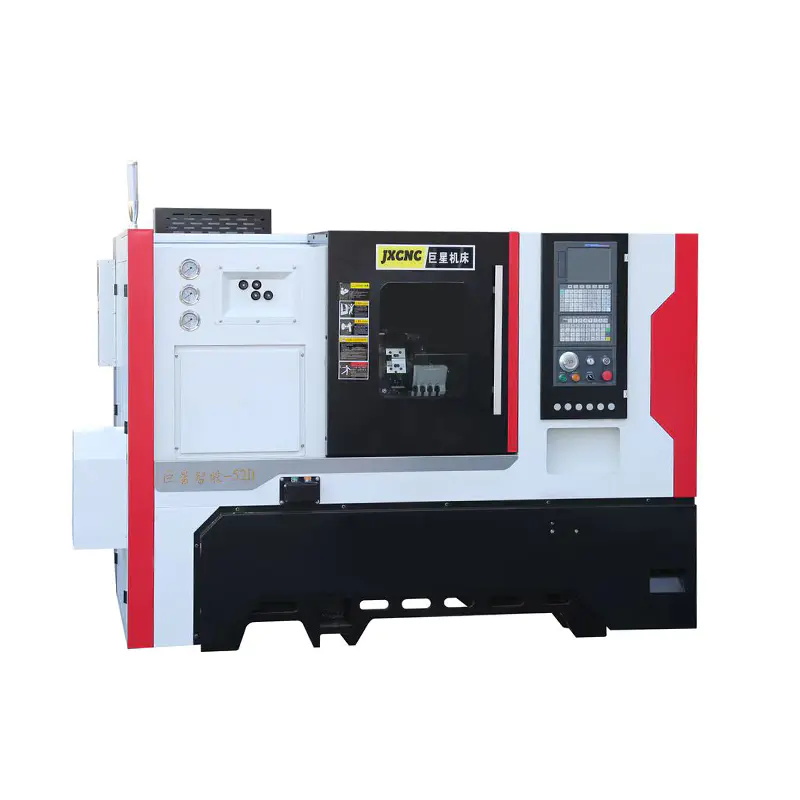
The JX52D Machine Tool CNC Lathe is specifically designed for lathe every kinds of material with precision and efficiency. It is equipped with advance...
See DetailsTEL : +86-576-87491531
FAX : +86-576-87493038
E-MAIL : chinajuxing@aliyun.com
ADDRESS: Longxi Industrial Zone, Yuhuan City, Taizhou City, Zhejiang Province, China
CopyrightTaizhou Yestar Intelligent Equipment Co., Ltd. All Rights Reserved.