English
 中文简体
中文简体 русский
CF32 Hydraulic Clamping CNC Polygon Turning Machine
Cat:Small Polygon Lathe
CF32 hydraulic clamping CNC polygon lathe is designed for milling small and medium-sized high-precision parts, which can mill square, octagonal, hexag...
See Details


Small precision components are becoming increasingly common across industries such as electronics, medical devices, automotive systems, and automation equipment. These parts often require accurate dimensions, consistent surface finishes, and stable production performance within compact sizes. Traditional machining methods may require multiple setups to complete different features, creating challenges for manufacturers handling high-volume small components.
A Precision CNC Gang Type Lathe provides a specialized solution for these machining requirements. Unlike conventional CNC lathes equipped with rotating turrets, gang type machines arrange multiple tools directly on a linear slide. This compact structure allows quick tool positioning and creates an efficient machining environment for small-diameter parts.
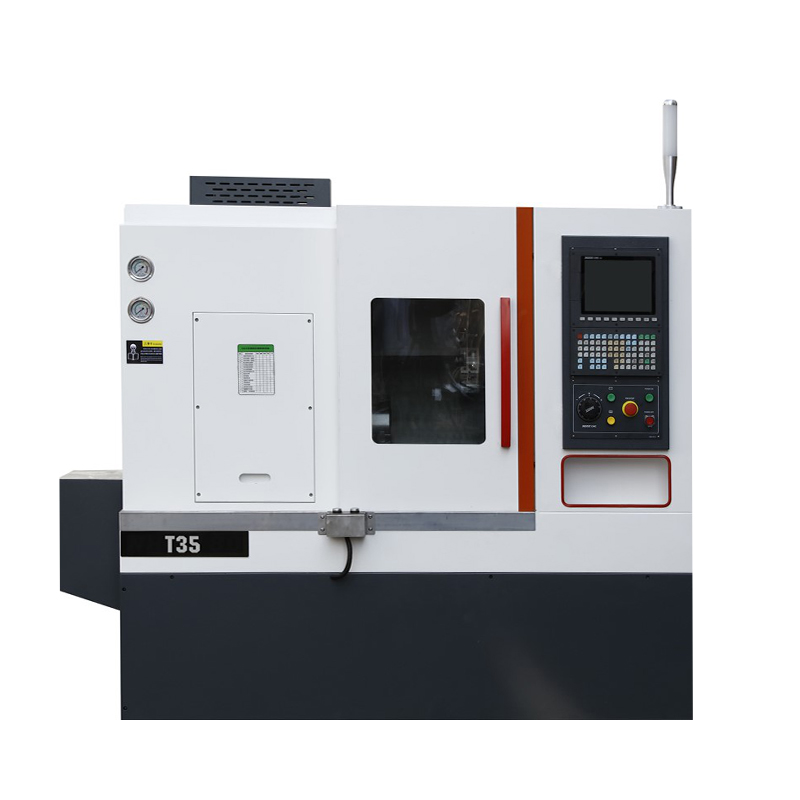
The main difference between a gang type lathe and a turret-style CNC lathe is the tooling arrangement. A gang type system places several cutting tools together on a fixed tool plate or cross slide. The machine moves the slide to position the required tool instead of rotating a turret.
This design reduces unnecessary tool movement and provides a direct cutting path between the tool and workpiece. For small components that require limited tooling operations, this configuration offers a practical machining method with a compact footprint.
Small components often have strict requirements for size control and repeatability. Parts such as pins, connectors, bushings, screws, shafts, and miniature mechanical elements may include multiple turning features within a limited diameter range.
A Precision CNC Gang Type Lathe is designed around these machining characteristics. The compact tooling layout keeps the cutting system close to the workpiece, helping maintain stable tool engagement during continuous operations.
Modern gang type CNC machines combine mechanical rigidity with advanced control technology. Although configurations vary between models, many precision machining systems include features designed for high accuracy small part production.
Some gang type CNC machines can also integrate driven tools, allowing operations such as drilling, milling flats, and cross-hole machining without removing the workpiece. Live tooling uses powered rotating cutters controlled by the CNC system, expanding the capability of turning platforms.
The compact design and machining flexibility of gang type CNC equipment make it suitable for industries requiring precise small components.
Electronic devices often contain miniature metal parts requiring tight dimensional control. Connector pins, housings, terminals, and precision fasteners can benefit from stable CNC turning processes.
Medical equipment uses many small metal components with detailed geometries. Surgical instrument parts, small fittings, and precision mechanical elements require reliable machining accuracy and smooth surface finishes.
Automotive systems contain numerous compact components, including sensor housings, shafts, and threaded connectors. Gang type CNC machining provides a suitable method for producing repeated parts with consistent dimensions.
Both gang type and turret CNC lathes have their own application areas. The choice depends on part size, geometry complexity, and production requirements.
Industry comparisons often point out that gang tooling works well for small diameter, short parts where rapid tool positioning and simple setups are important. Turret systems provide broader flexibility for larger or more complex machining tasks.
Modern manufacturing requires more than machining accuracy. Automated production systems, bar feeders, part collectors, and intelligent CNC controls are becoming common additions to precision turning equipment.
A Precision CNC Gang Type Lathe combined with automation equipment can support continuous production of small components while maintaining stable machining conditions. This makes the technology suitable for manufacturers producing large quantities of similar precision parts.
As products become smaller and more precise, machining equipment must adapt to increasingly detailed component designs. Gang type CNC technology continues developing through improved control systems, multifunction tooling, and automation integration.
The role of the Precision CNC Gang Type Lathe is expanding from simple turning equipment into a flexible production platform for miniature and precision components. Its compact structure, stable tooling arrangement, and compatibility with automated systems make it an important option for modern small part manufacturing.
Small part machining requires equipment that can balance precision, flexibility, and stable operation. A Precision CNC Gang Type Lathe addresses these requirements through its direct tooling layout, rigid structure, and ability to handle detailed components.
From electronic connectors to medical parts and automotive components, gang type CNC technology provides manufacturers with a practical approach to producing accurate small-scale metal parts. As precision requirements continue increasing, this machining method will remain valuable in advanced manufacturing applications.
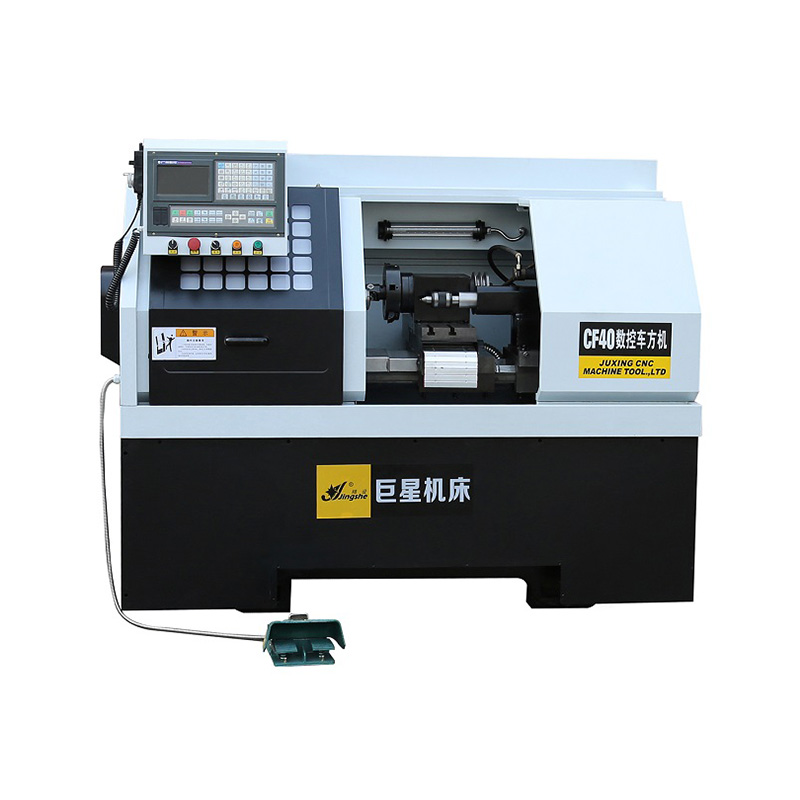
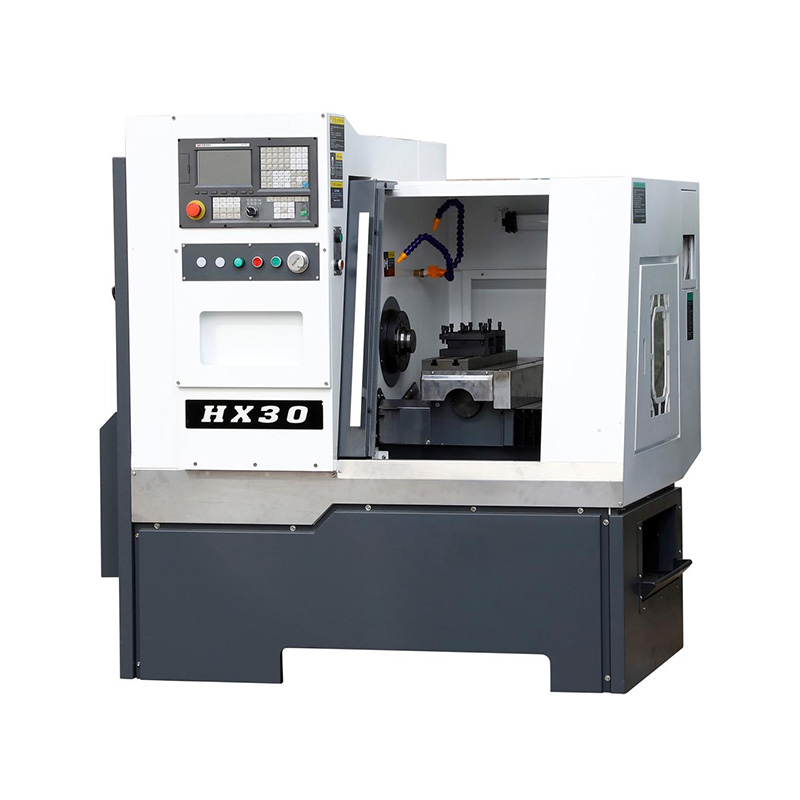
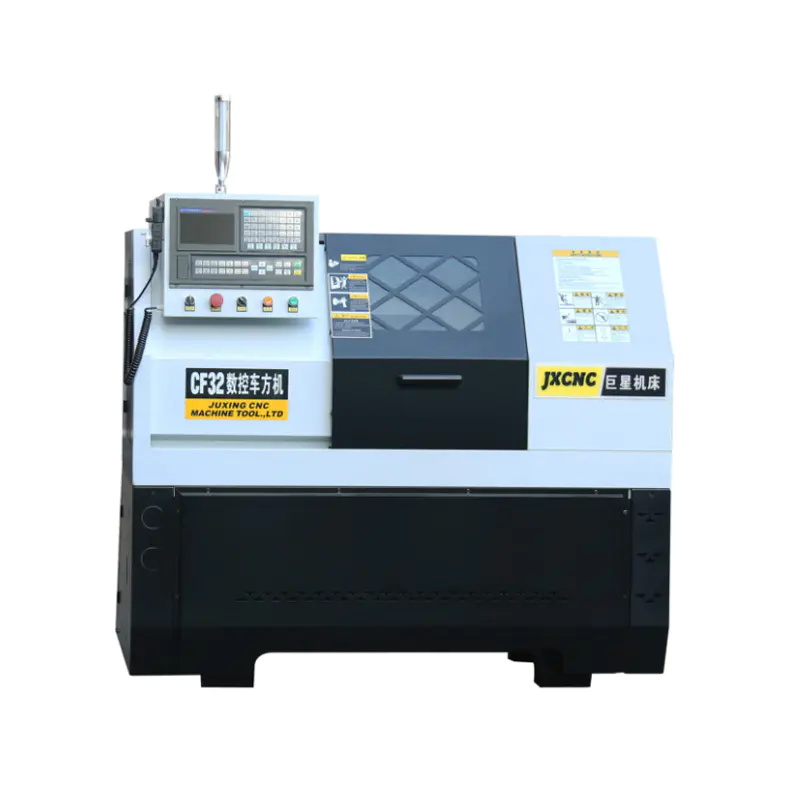
CF32 hydraulic clamping CNC polygon lathe is designed for milling small and medium-sized high-precision parts, which can mill square, octagonal, hexag...
See Details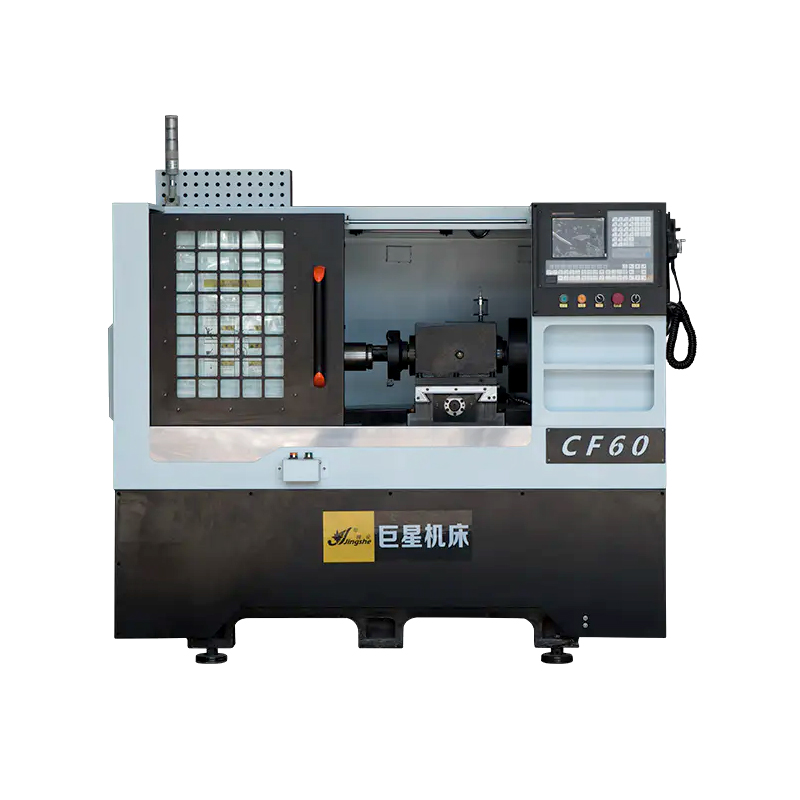
The CF60 CNC Polygon Lathe is a highly efficient and versatile machine tool designed for small to medium-sized precision parts milling. It is capable ...
See Details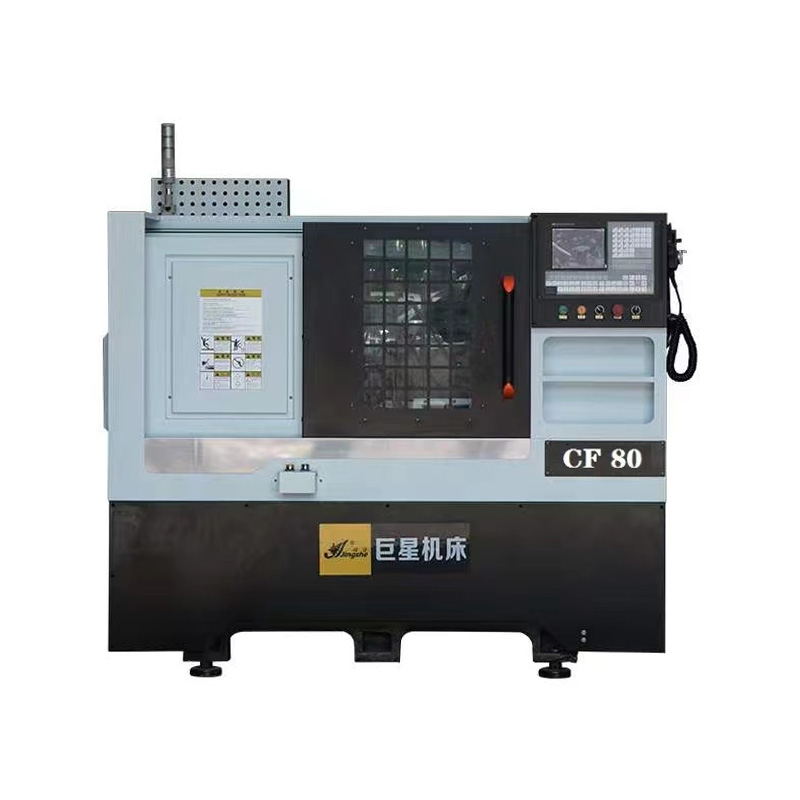
Introducing the CF80 Auto Polygon Lathe Hexagonal Tailstock Lathe Machine. This machine is specifically designed for the production of medium and smal...
See Details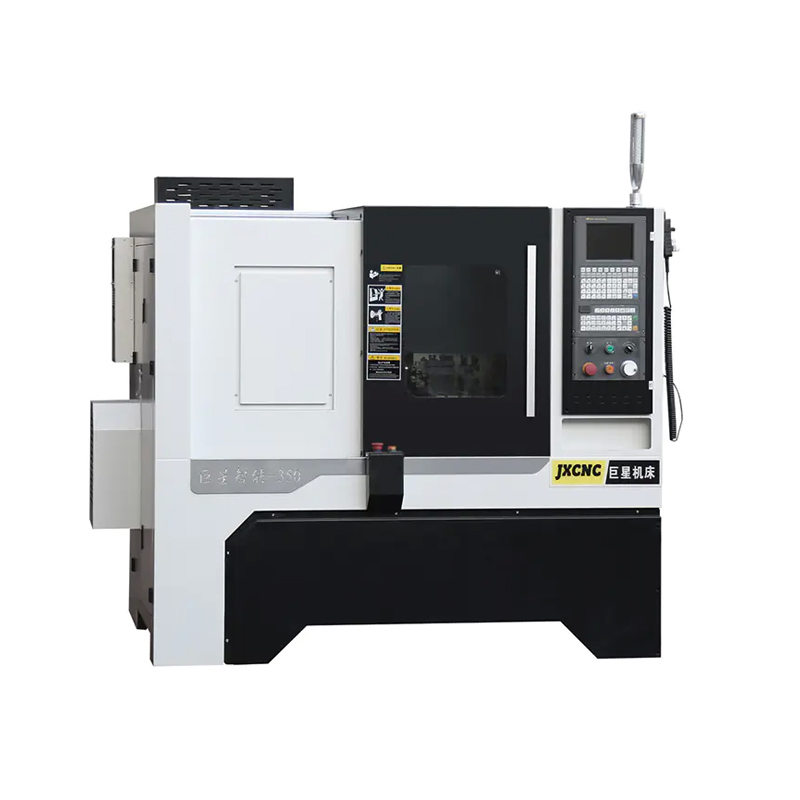
The JX350 Gang Type CNC Lathe for Cutting Tool with Rapid Tool Changing is designed to deliver high precision and efficiency in cutting tool operation...
See Details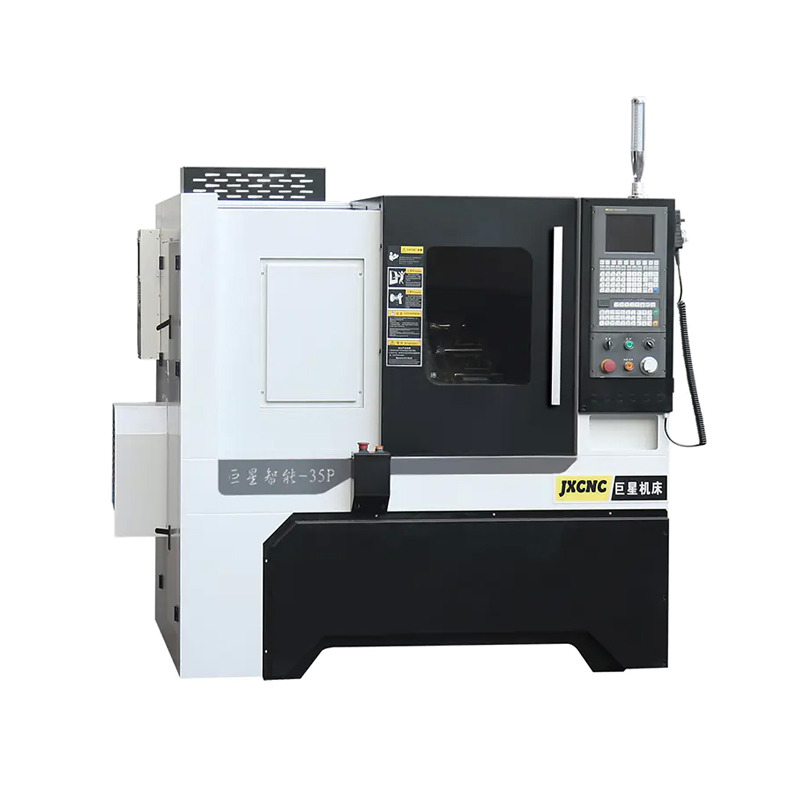
The JX35P CNC Hiwin Linear Guide Machine with High Precision is a reliable and robust solution for various machining applications. With its horizontal...
See Details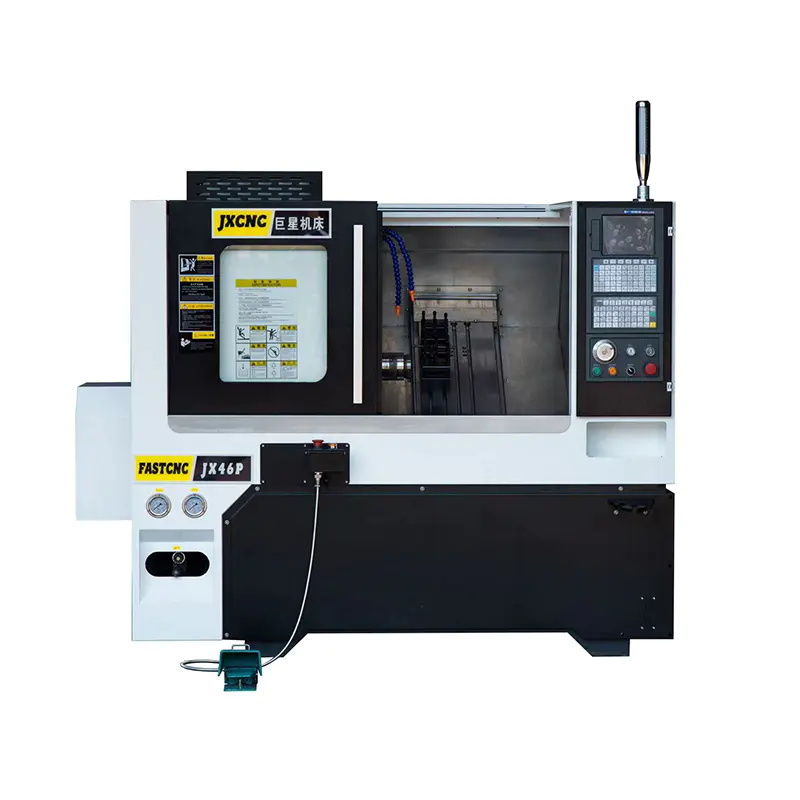
The JX46P Slant Bed CNC Lathe Machine of Cast Iron Machine Base is a high-performance machine tool designed for various machining operations. With its...
See Details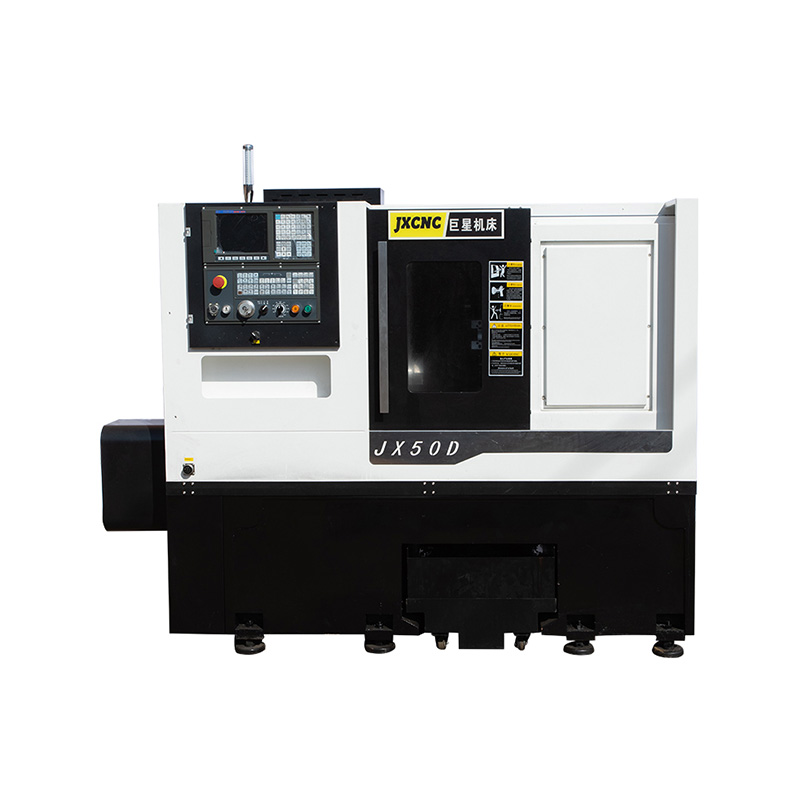
Introducing the JX50D CNC Machine Tools List from China's CNC machine tools manufacturer. Our machine tools are equipped with a servo hydraulic turret...
See Details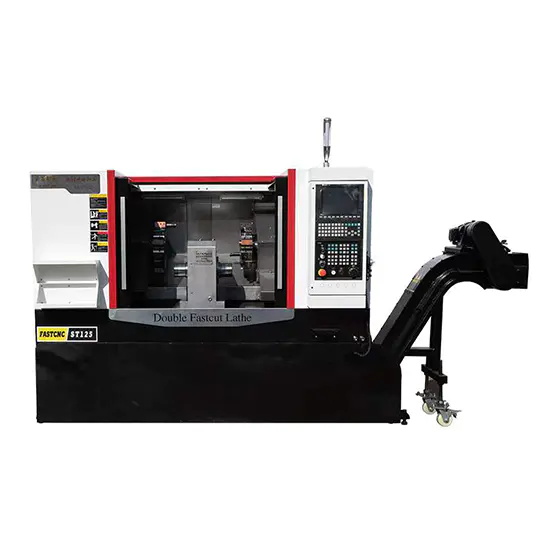
The JX125 Double Head CNC Machine is a cutting-edge machine tool that utilizes a central spindle, two Z-axes, two X-axes, and bidirectional drag plate...
See DetailsTEL : +86-576-87491531
FAX : +86-576-87493038
E-MAIL : chinajuxing@aliyun.com
ADDRESS: Longxi Industrial Zone, Yuhuan City, Taizhou City, Zhejiang Province, China
CopyrightTaizhou Yestar Intelligent Equipment Co., Ltd. All Rights Reserved.