English
 中文简体
中文简体 русский
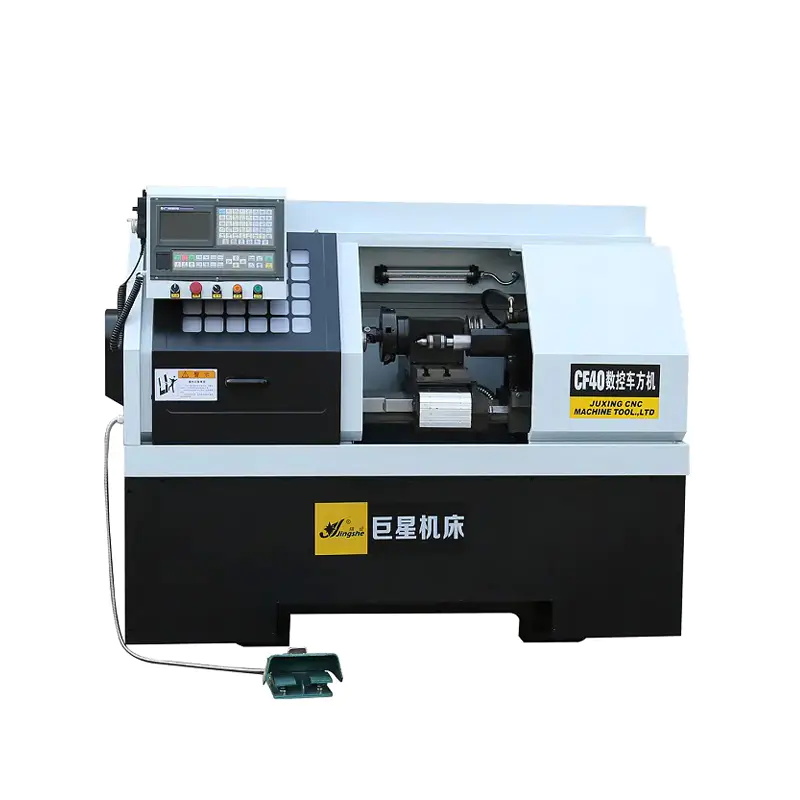
CF40 Automatic CNC Polygon Turning Machine Lathe
Cat:Small Polygon Lathe
The CF40 Automatic CNC Polygon Turning Machine Lathe is specifically designed for small to medium-sized, high-precision parts milling, enabling the ma...
See Details


High spindle speed is often associated with modern CNC turning, but speed alone does not define machining quality. As rotational speed increases, the machine has to manage heat, vibration, spindle stability, axis response, and cutting forces at the same time. This makes accuracy a particularly important consideration for a High Speed Slant Bed CNC Turning Lathe.
The interesting question is not simply how fast the spindle can rotate. It is whether the machine can maintain predictable machining behavior as operating speed increases.
Spindle rotation generates heat through bearings, motors, and other moving components. Cutting also adds heat to the machining zone. As operating conditions change, temperature distribution inside the machine can change as well.
Research on slant-bed CNC lathes has identified spindle heating as a significant contributor to thermal error. Bed and turret deformation can also interact with spindle-related thermal changes, making accuracy a system-level issue rather than a single-component problem.
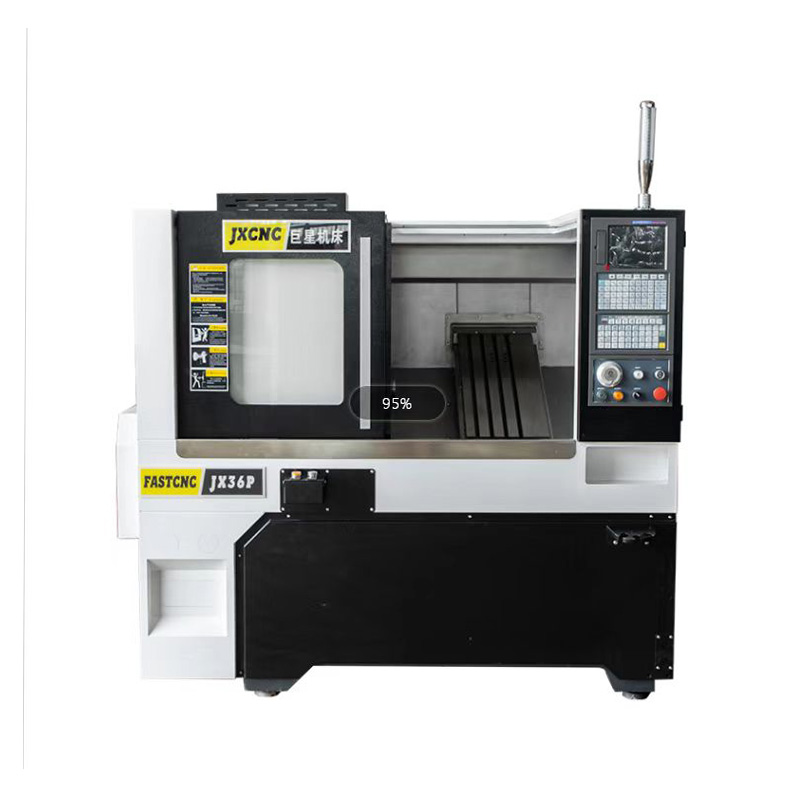
There is no universal RPM value at which a CNC lathe suddenly becomes inaccurate. The practical limit depends on spindle construction, bearing arrangement, workpiece size, tooling, material, cutting conditions, and thermal management.
Even relatively small dimensional changes can become important when machining precision components. Research into slant-bed lathe feed systems has shown that thermally induced positioning errors can be strongly influenced by operating conditions and heat generated during machine motion.
That means a High Speed Slant Bed CNC Turning Lathe should be evaluated according to its ability to maintain stable positioning throughout an actual machining cycle, rather than by its maximum spindle RPM alone.
The spindle is at the center of high-speed turning. Its bearings, motor, shaft structure, balancing condition, and cooling arrangement all influence how smoothly the workpiece rotates.
High-speed spindle research also shows that bearing thermal deformation can affect machine-tool accuracy, particularly as rotational speed increases.
Spindle performance cannot be separated from the machine structure. Slant-bed construction provides an inclined support arrangement for the carriage, guideways, and machining area. Depending on the design, common slant angles include approximately 30° to 45°.
The structural arrangement can influence how cutting forces and vibration travel through the machine. Yet bed geometry alone does not guarantee precision. Casting stiffness, guideway arrangement, spindle support, turret construction, and axis components all contribute to the final machining result.
Surface finish depends on more than spindle speed. Tool geometry, feed rate, material hardness, depth of cut, workpiece diameter, tool overhang, and machine stability all affect the finished surface.
Higher spindle speed can be useful for certain small-diameter components and finishing operations, but aggressive speed increases may also expose vibration or thermal problems that remain less noticeable at lower RPM.
Engineers therefore need to consider the complete cutting condition rather than treating spindle speed as an isolated specification.
Comparing a High Speed Slant Bed CNC Turning Lathe requires more than checking its maximum RPM. Several technical specifications can provide a clearer picture of its intended operating range.
High-speed turning does not have a single boundary between “fast” and “accurate.” Accuracy changes according to spindle speed, cutting conditions, machine temperature, workpiece dimensions, and operating time.
Recent research has focused specifically on modeling and compensating thermal errors in slant-bed CNC machines because spindle rotation and feed-system movement can create temperature-related dimensional changes.
That perspective changes how a High Speed Slant Bed CNC Turning Lathe should be evaluated. Maximum RPM is useful, but sustained thermal stability, spindle behavior, structural rigidity, positioning performance, and application-specific cutting conditions provide a much clearer picture of real-world precision.
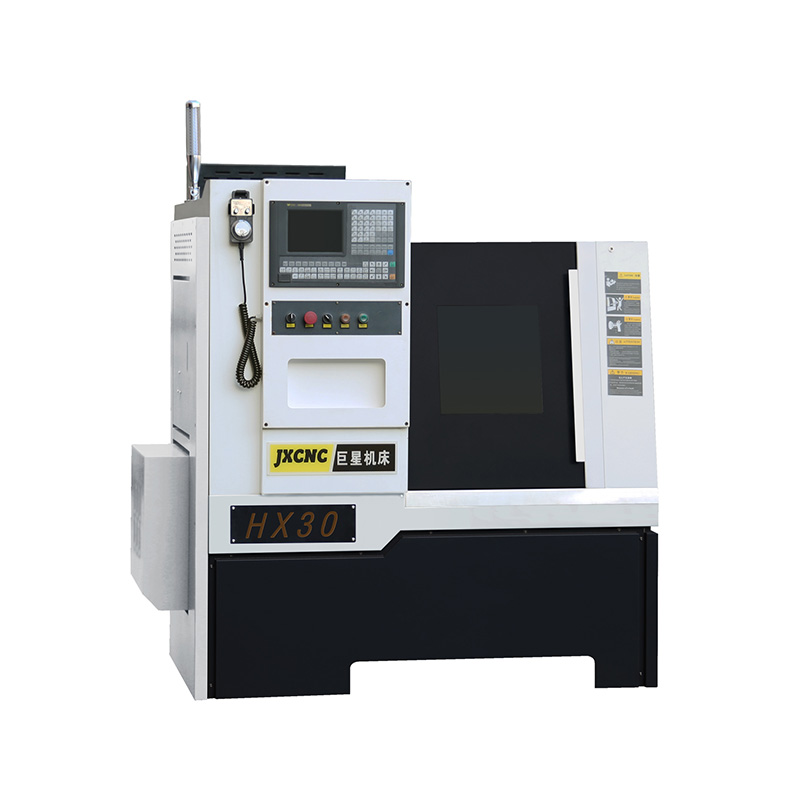
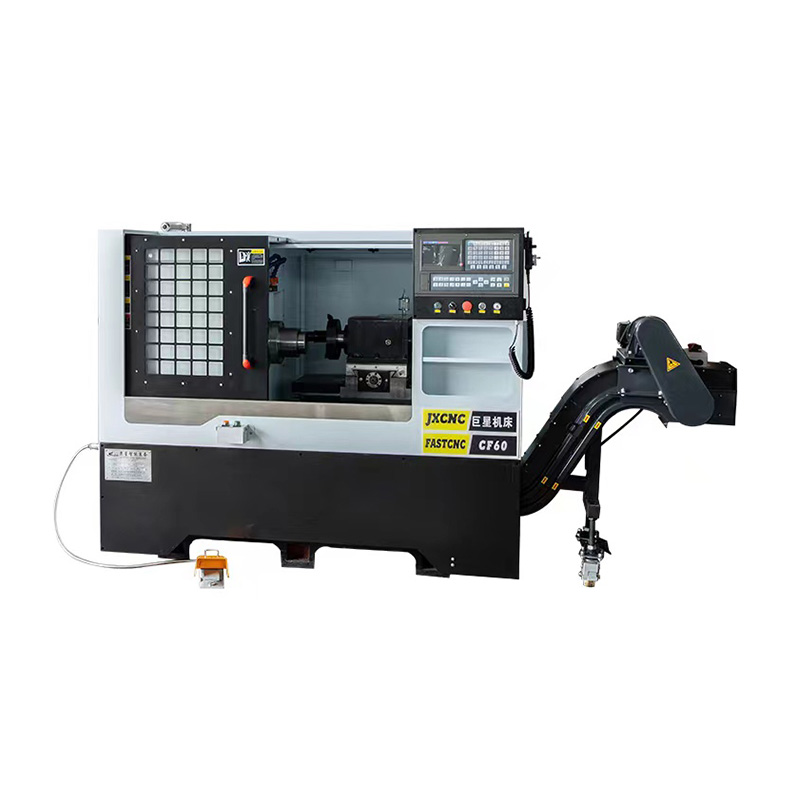
The CF40 Automatic CNC Polygon Turning Machine Lathe is specifically designed for small to medium-sized, high-precision parts milling, enabling the ma...
See Details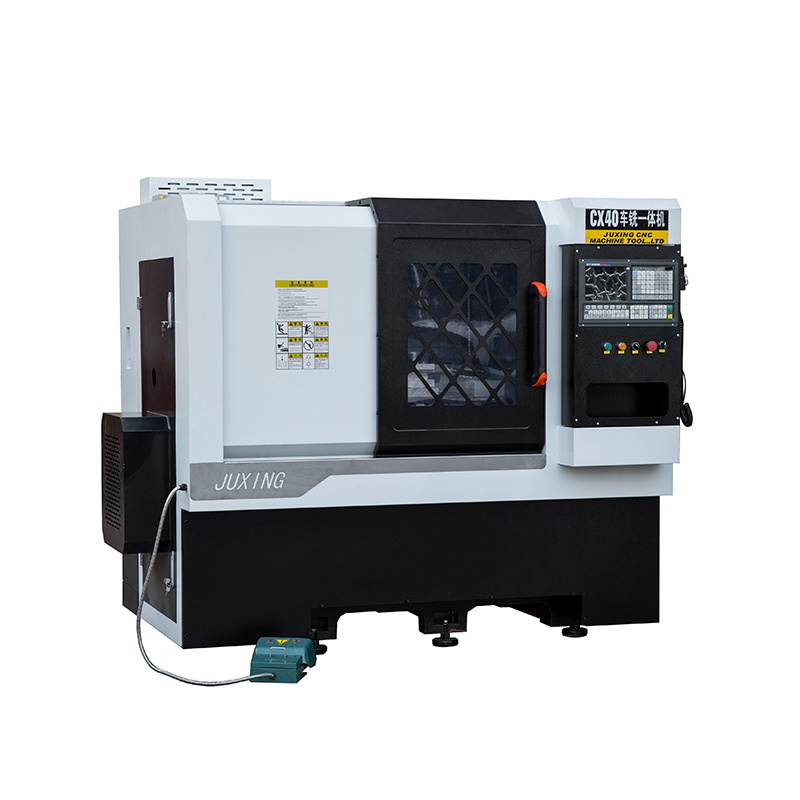
The CX40 High Precision Linear Track Horizontal CNC Lathe Machine is designed to provide exceptional performance and versatility for precision machini...
See Details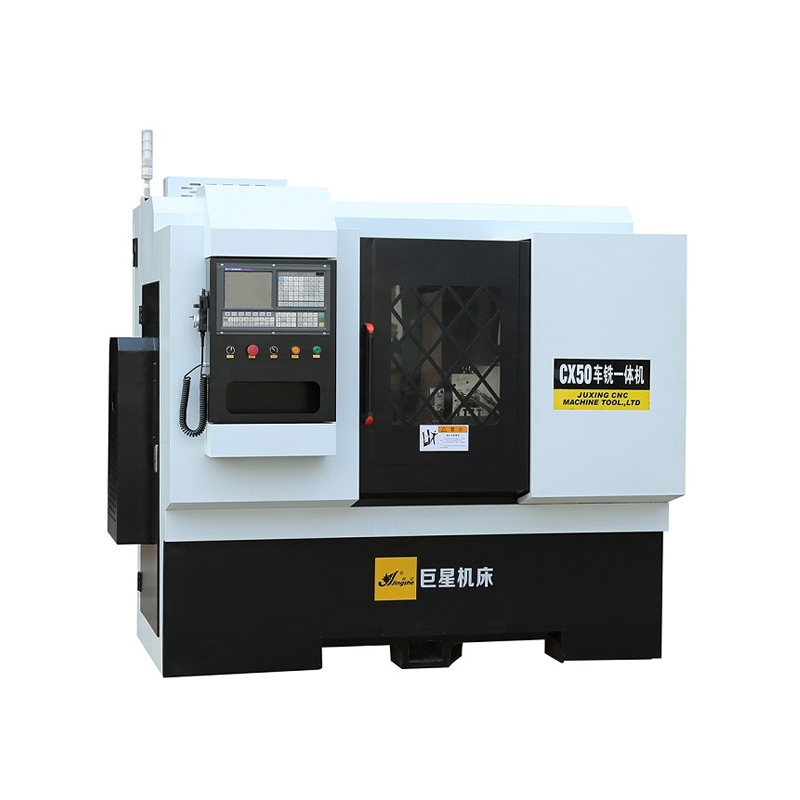
Are you looking for a machine that combines the capabilities of a CNC lathe and a square lathe? Look no further! Introducing the CX50 New CNC Turning ...
See Details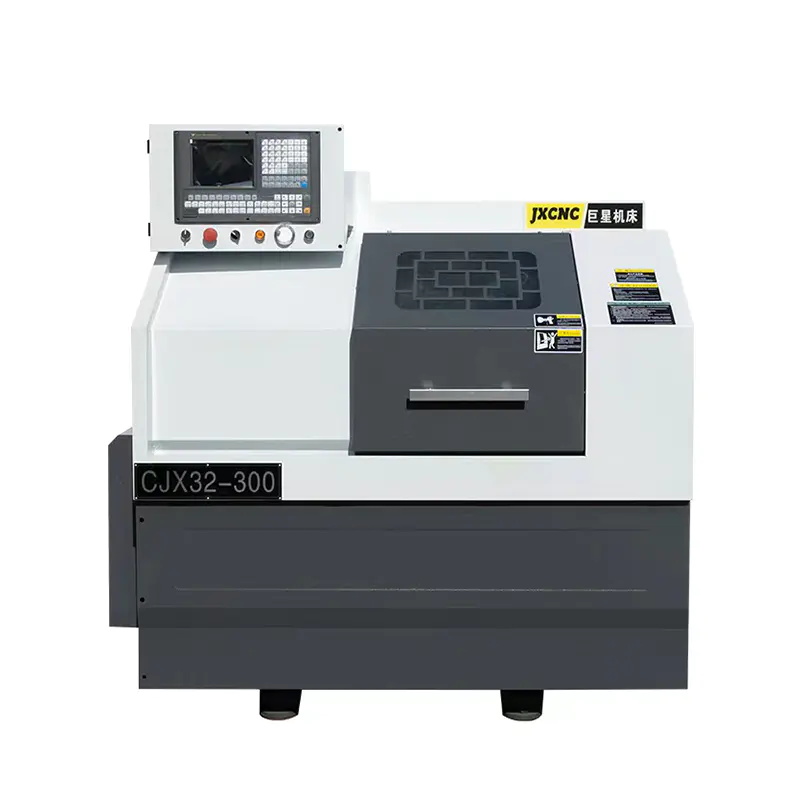
The JX32-300 Mini Economical CNC Lathe Machine is designed to provide high precision and efficient machining for a wide range of metal products. With ...
See Details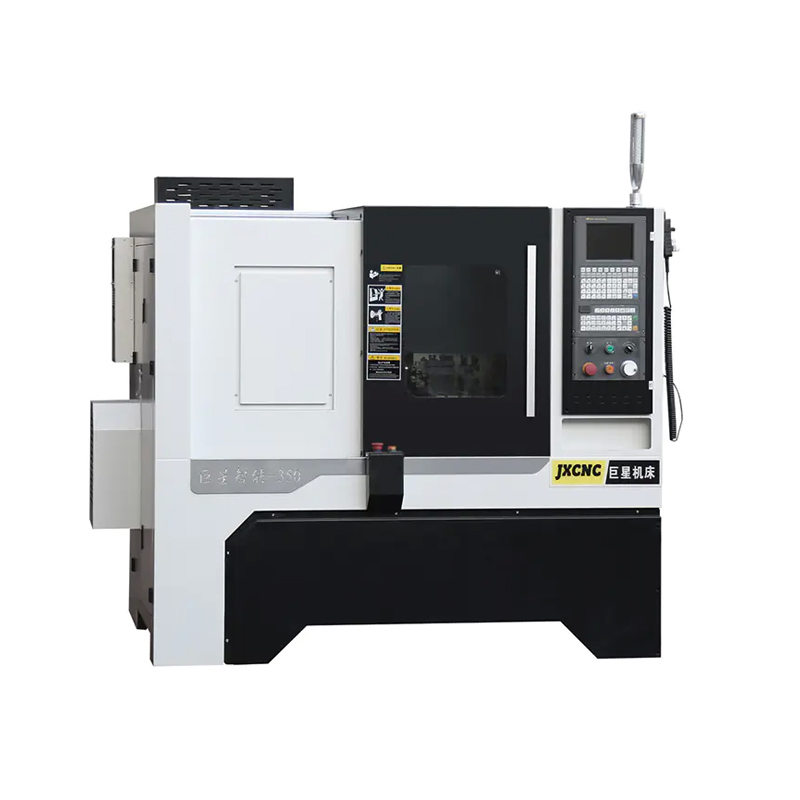
The JX350 Gang Type CNC Lathe for Cutting Tool with Rapid Tool Changing is designed to deliver high precision and efficiency in cutting tool operation...
See Details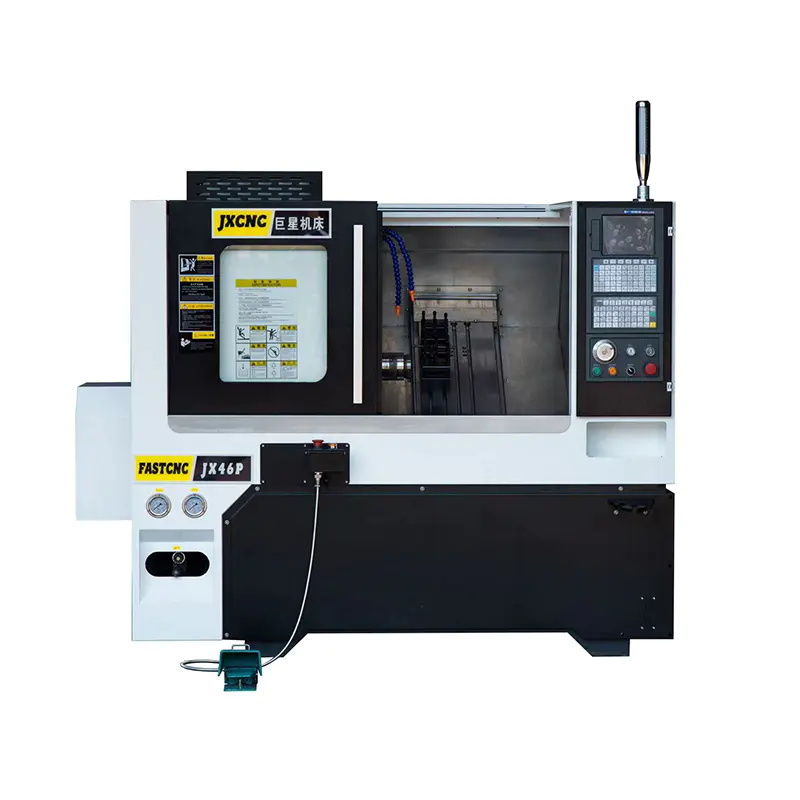
The JX46P Slant Bed CNC Lathe Machine of Cast Iron Machine Base is a high-performance machine tool designed for various machining operations. With its...
See Details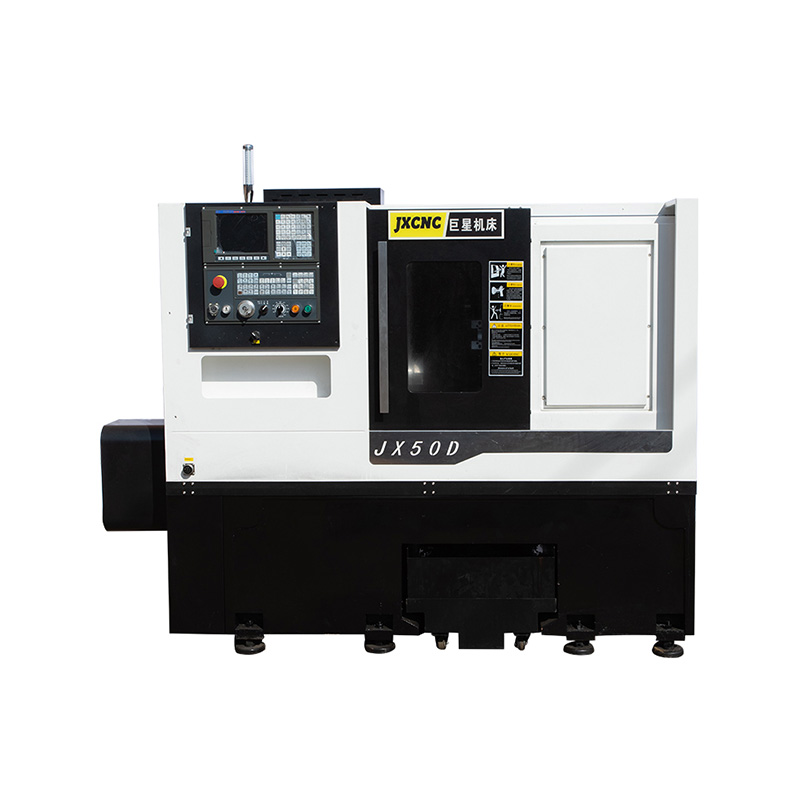
Introducing the JX50D CNC Machine Tools List from China's CNC machine tools manufacturer. Our machine tools are equipped with a servo hydraulic turret...
See Details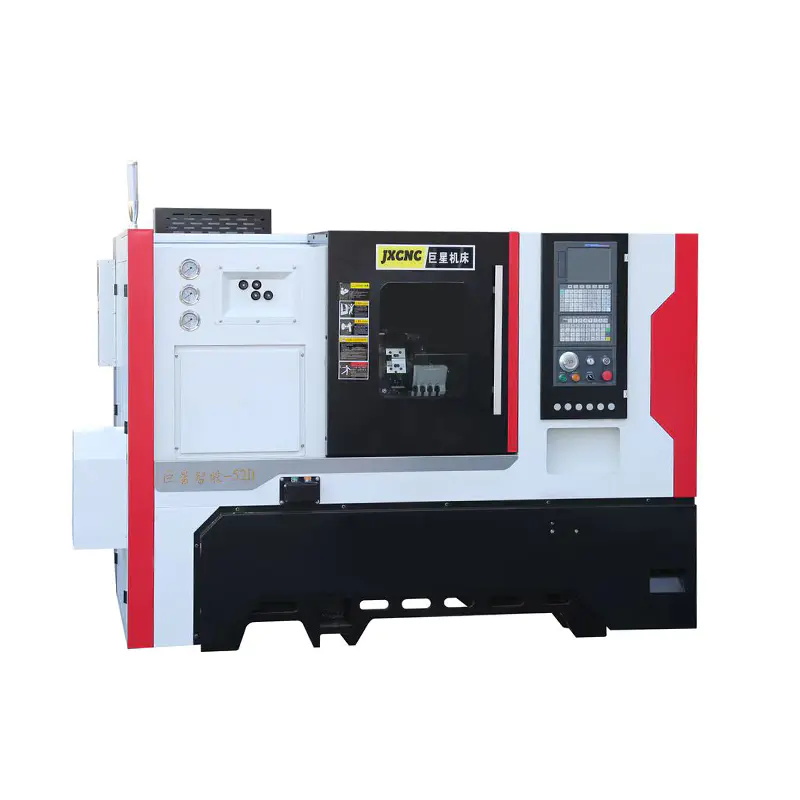
The JX52D Machine Tool CNC Lathe is specifically designed for lathe every kinds of material with precision and efficiency. It is equipped with advance...
See DetailsTEL : +86-576-87491531
FAX : +86-576-87493038
E-MAIL : chinajuxing@aliyun.com
ADDRESS: Longxi Industrial Zone, Yuhuan City, Taizhou City, Zhejiang Province, China
CopyrightTaizhou Yestar Intelligent Equipment Co., Ltd. All Rights Reserved.