English
 中文简体
中文简体 русский
CF40 Automatic CNC Polygon Turning Machine Lathe
Cat:Small Polygon Lathe
The CF40 Automatic CNC Polygon Turning Machine Lathe is specifically designed for small to medium-sized, high-precision parts milling, enabling the ma...
See Details


Manufacturers handling complex metal components often face a practical investment question: should turning and milling remain separate operations, or can a combined machine provide better value over the production cycle? The answer depends on part geometry, machining requirements, production volume, and the cost of coordinating multiple machines.
At Juxing, we develop CNC machine tools for industrial applications that require reliable machining processes and suitable equipment configurations. A conventional metal lathe and milling machine arrangement can serve many manufacturing needs, while a turning and milling compound machine integrates multiple operations into a single platform. Understanding the differences helps buyers make investment decisions based on actual production requirements rather than equipment specifications alone.
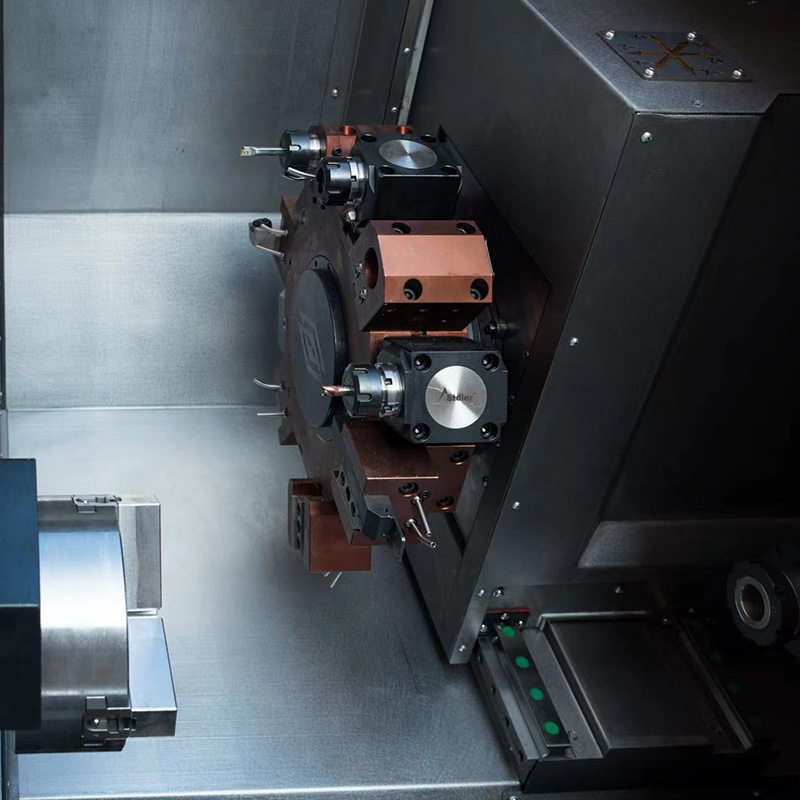
A turning and milling compound machine combines rotational machining with operations such as drilling, milling, and tapping. Depending on its configuration, the machine can process several features without transferring the workpiece to another machine.
Consider a metal fitting that requires an external turned diameter, an M12 thread, and a cross-hole. Using separate machines may require additional clamping, workpiece transfer, and alignment checks. A suitably configured compound machine may complete these features in one setup, reducing handling and helping maintain their positional relationship.
The financial case for compound machining involves more than the purchase price. Buyers should assess the operating costs associated with each production step.
Moving a component between machines requires loading, unloading, positioning, and sometimes additional inspection. Integrating turning and milling can remove some of these activities. The actual savings depend on the original process route and the number of secondary operations eliminated.
Reclamping a workpiece can introduce positioning variation. Machining related features within the same setup may help control concentricity, hole location, and the relationship between turned surfaces and milled features. Achievable accuracy still depends on machine condition, workholding, tooling, cutting parameters, and inspection methods.
Combining operations may reduce the need to coordinate separate production stations. It can also simplify material movement and work-in-process management. However, buyers should consider the space required by the compound machine, its auxiliary equipment, and the operator's working area rather than assuming that integration automatically reduces the entire factory footprint.
Compound machining is particularly relevant to manufacturers whose components require both turning and milling. Several practical indicators can help determine whether the investment deserves further evaluation.
Applications may include automotive fittings, valve components, hydraulic parts, and other industrial metal products. Each application still requires a technical review to confirm that the machine's working range, spindle capacity, tooling arrangement, and machining functions match the component specifications.
A purchase decision based only on the initial machine quotation may overlook important operating expenses. Juxing recommends evaluating the complete project scope before comparing a compound machine with separate equipment.
A straightforward way to evaluate the project is to compare annual operating costs under both production methods. Estimate the savings from reduced setup labor, handling, rework, and work-in-process, then subtract any additional programming, tooling, and service expenses.
Estimated payback period = Initial additional investment ÷ Annual net savings.
For illustration, an additional investment of $30,000 combined with estimated annual net savings of $15,000 would produce a simple payback period of two years. These figures are hypothetical and exclude financing, taxes, depreciation, and changes in production demand. Buyers should use their own operating data for a realistic assessment.
Integrating more functions does not automatically make a machine suitable for every factory. A dedicated CNC lathe may remain appropriate for components that require only turning, particularly during long production runs of standardized shafts or bushings. A standalone milling machine may be more suitable for large, non-rotational workpieces or applications requiring substantial milling capacity.
Separate machines can also make sense for factories that already have sufficient capacity and established workholding systems. Purchasing a compound machine may offer limited financial benefit if the existing workflow involves few secondary operations or if demand for combined machining is inconsistent.
Before investing, review representative part drawings, expected production volumes, cycle-time estimates, dimensional tolerances, and the availability of qualified operators. A trial machining assessment can help establish whether the proposed configuration can meet the actual requirements.
At Juxing, we believe that equipment investment should begin with the workpiece and the manufacturing process. Our turning and milling compound servo power turret machine is designed for applications that require integrated turning and milling capabilities. Buyers should review the available configuration, working range, tooling options, and technical specifications with our team to determine whether the machine fits their intended production tasks.
Prepare a selection package containing component drawings, material grades, critical tolerances, required machining operations, estimated output, and automation expectations. This information provides a practical basis for discussing equipment suitability and project costs.
Is a combined lathe-milling setup worth the investment? It can be a sound choice when it eliminates recurring secondary operations, supports important dimensional relationships, and delivers measurable savings across the production cycle. Juxing welcomes enquiries from manufacturers seeking to assess compound machining solutions against their existing processes and future production plans.
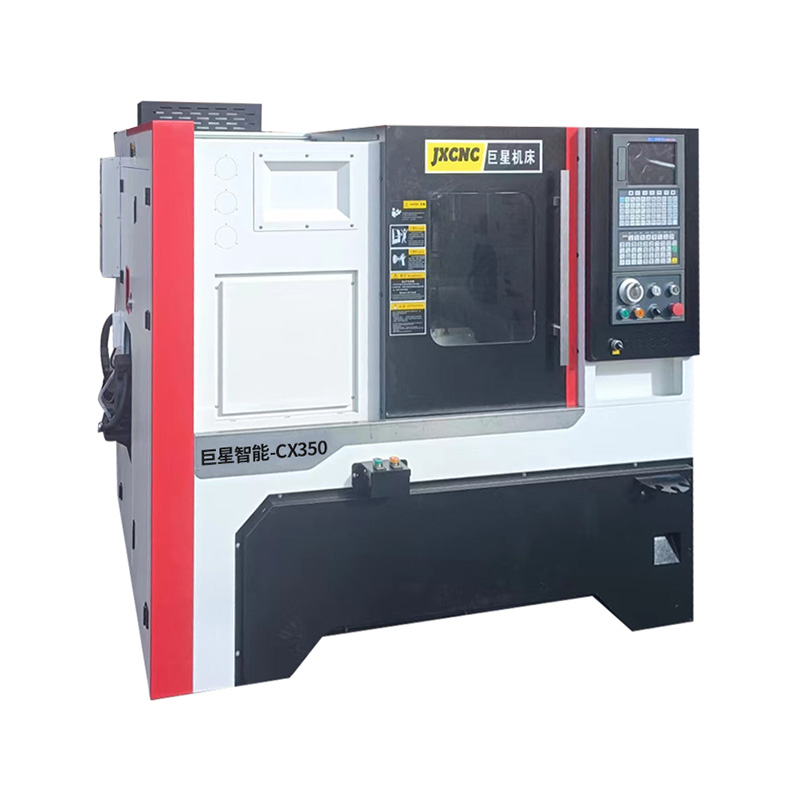
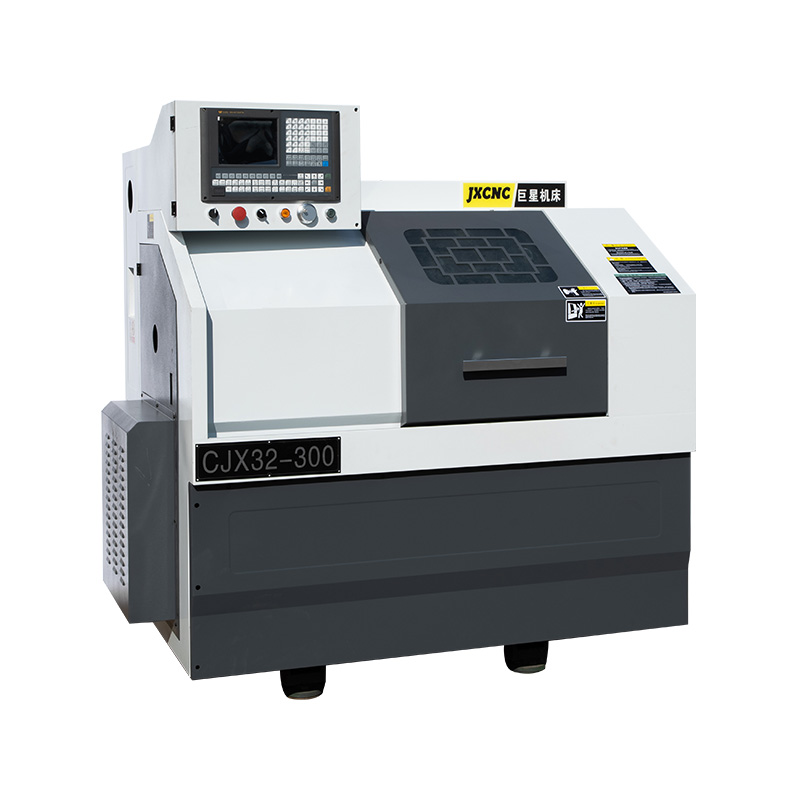
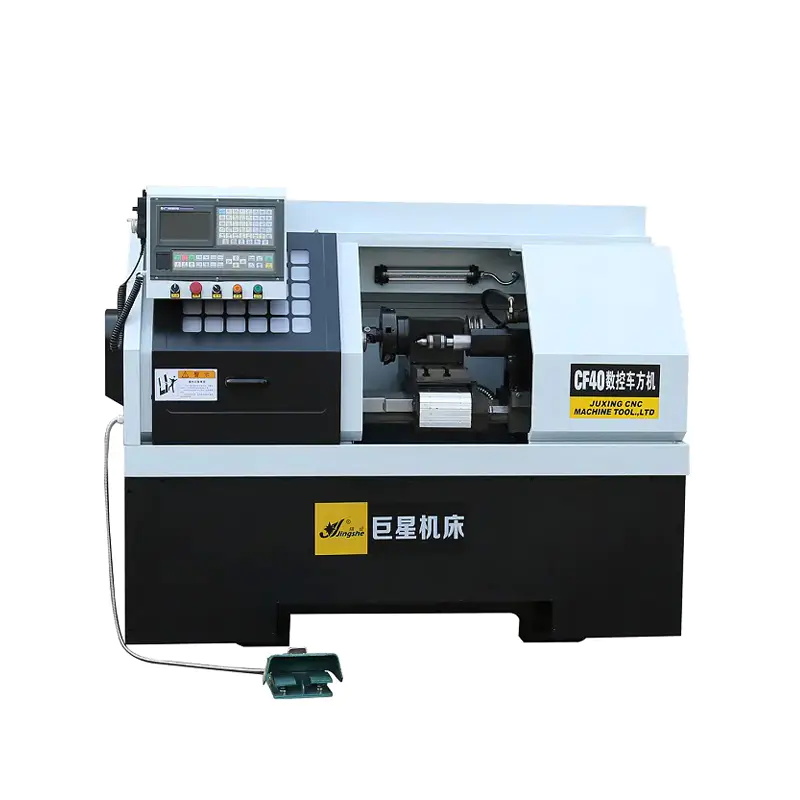
The CF40 Automatic CNC Polygon Turning Machine Lathe is specifically designed for small to medium-sized, high-precision parts milling, enabling the ma...
See Details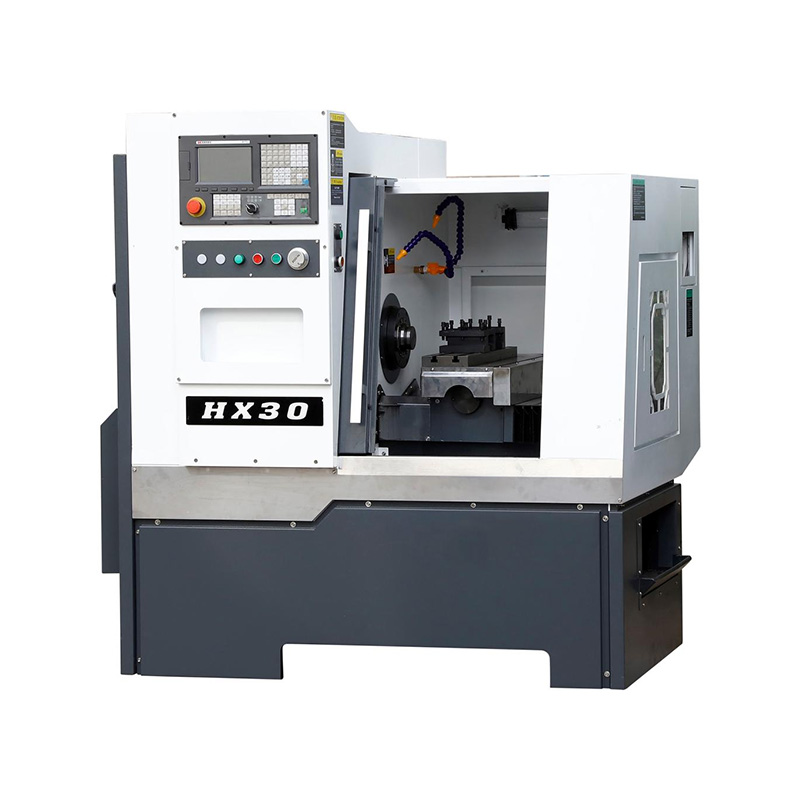
A notable feature of the HX30 Mandrel Bar Feeder Cheap CNC Lathe is its efficient and reliable mandrel bar feeder. The mandrel serves as a support for...
See Details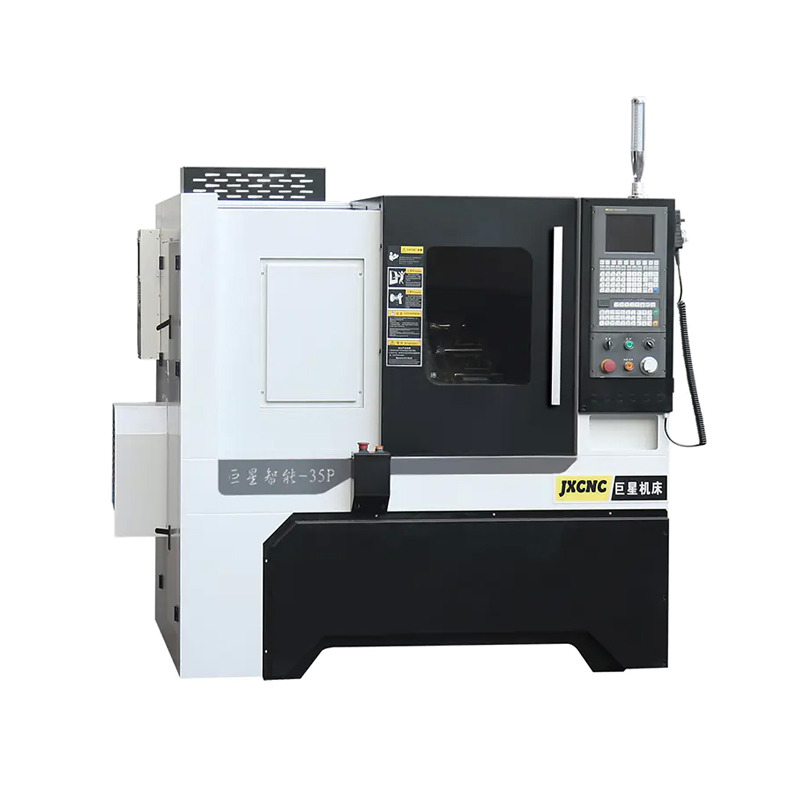
The JX35P CNC Hiwin Linear Guide Machine with High Precision is a reliable and robust solution for various machining applications. With its horizontal...
See Details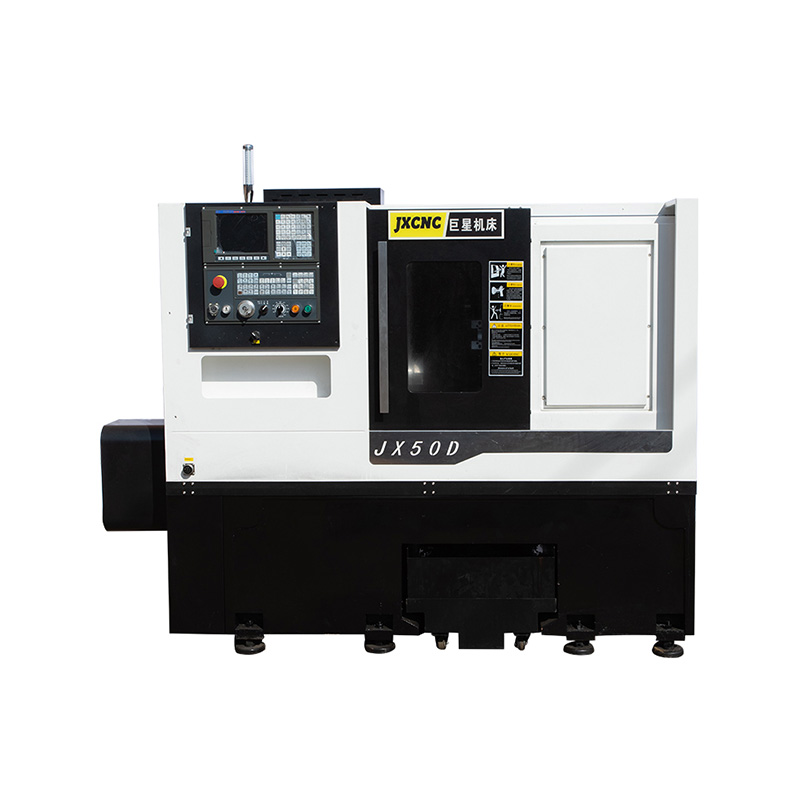
Introducing the JX50D CNC Machine Tools List from China's CNC machine tools manufacturer. Our machine tools are equipped with a servo hydraulic turret...
See Details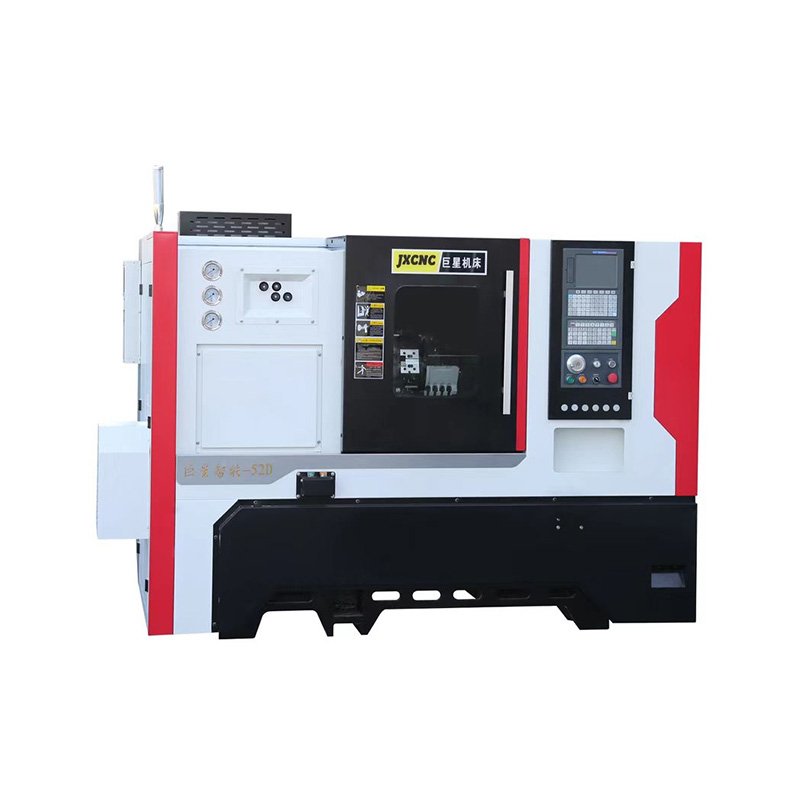
As a trusted machine tool equipment supplier in China, we prioritize customer satisfaction and strive to provide the solutions and support. Our JX52D ...
See Details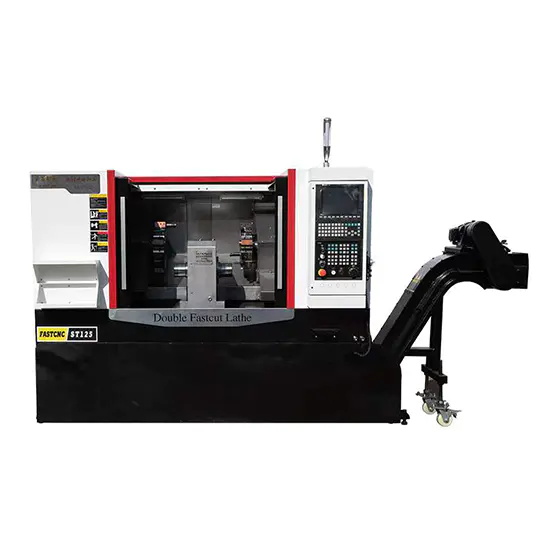
The JX125 Double Head CNC Machine is a cutting-edge machine tool that utilizes a central spindle, two Z-axes, two X-axes, and bidirectional drag plate...
See Details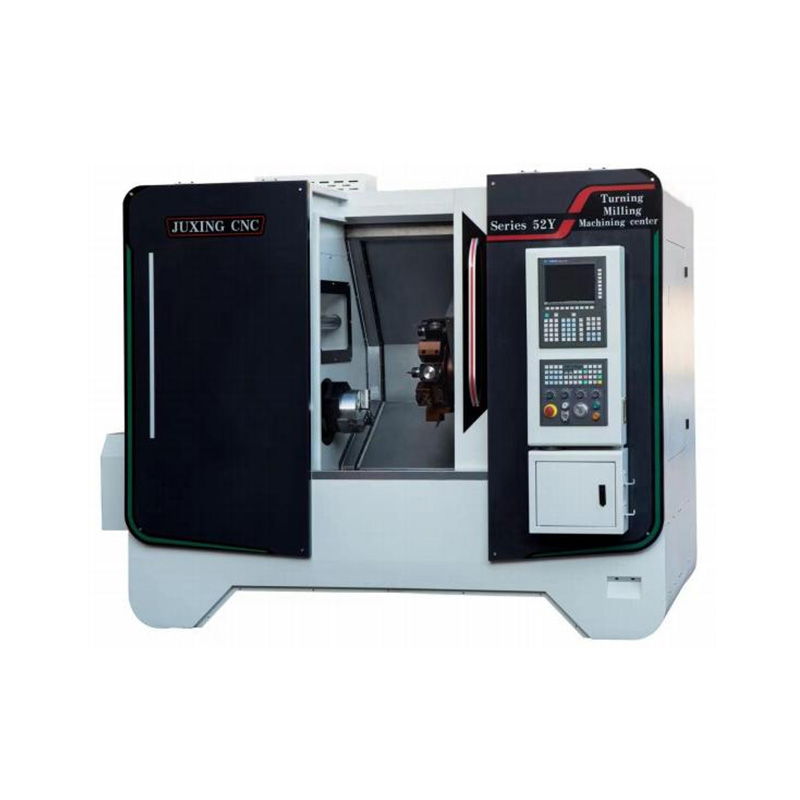
In conclusion, the JX52Y CNC Turning Lathes with Computer Control System is a highly advanced and efficient machine that combines the functionality of...
See Details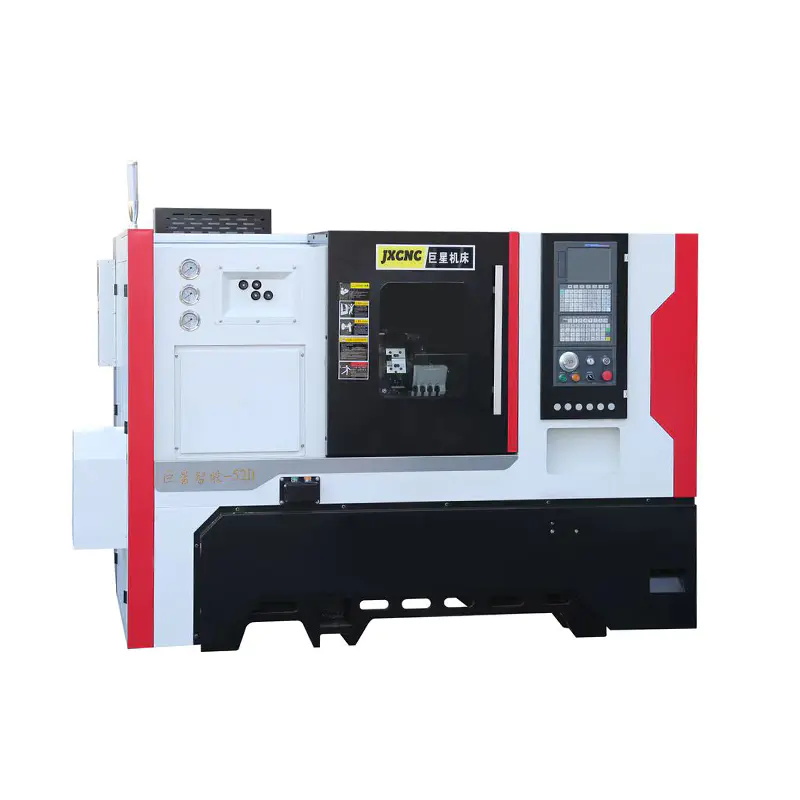
The JX52D Machine Tool CNC Lathe is specifically designed for lathe every kinds of material with precision and efficiency. It is equipped with advance...
See DetailsTEL : +86-576-87491531
FAX : +86-576-87493038
E-MAIL : chinajuxing@aliyun.com
ADDRESS: Longxi Industrial Zone, Yuhuan City, Taizhou City, Zhejiang Province, China
CopyrightTaizhou Yestar Intelligent Equipment Co., Ltd. All Rights Reserved.