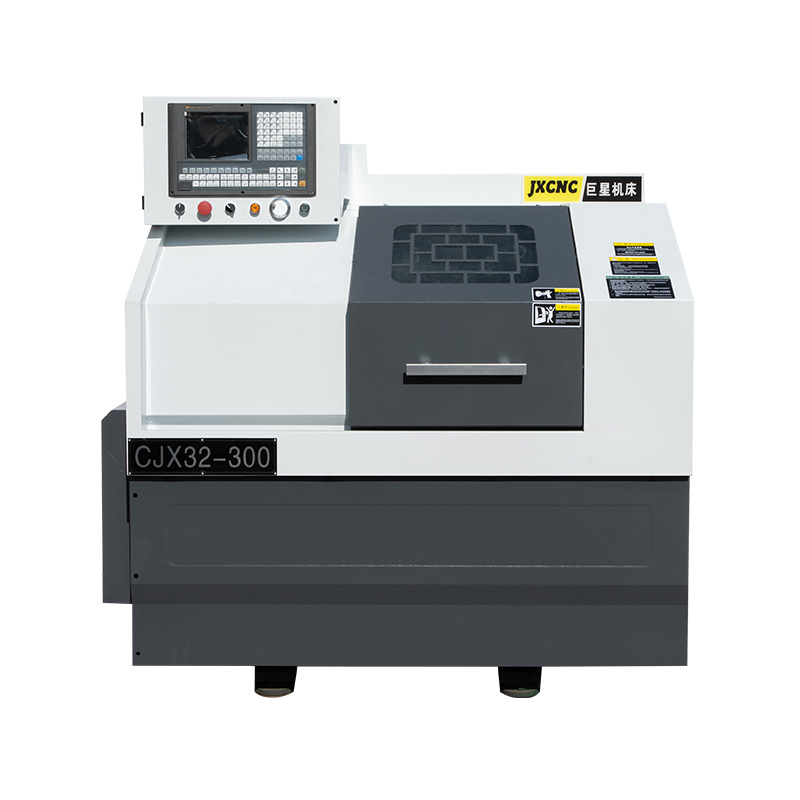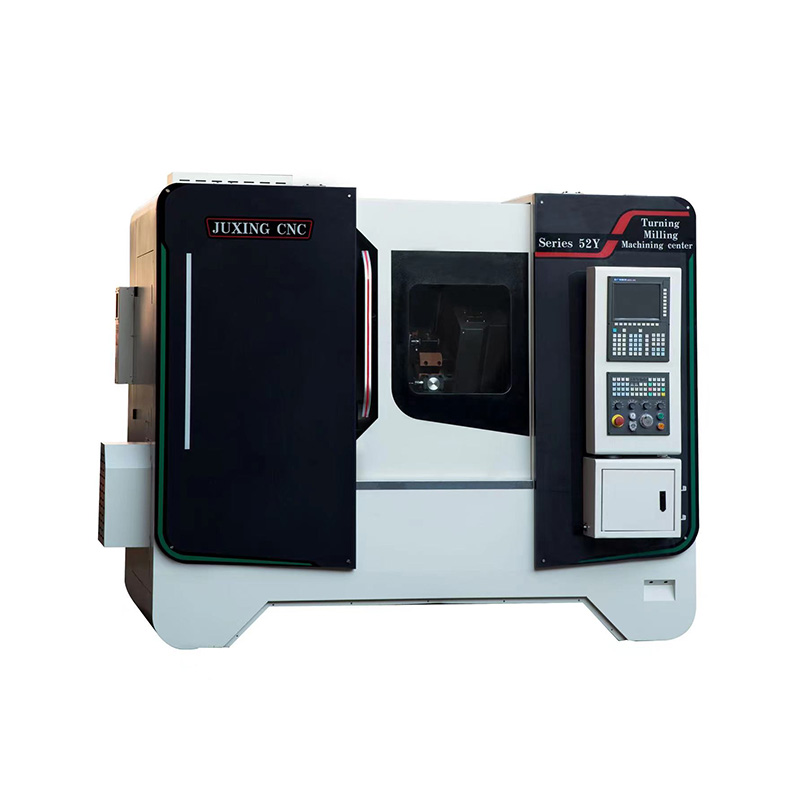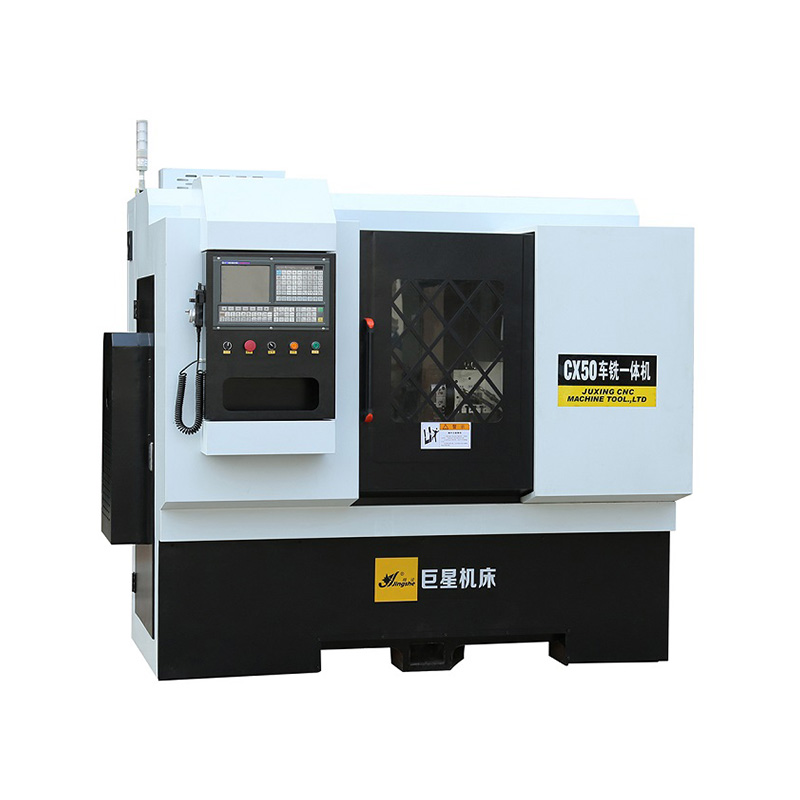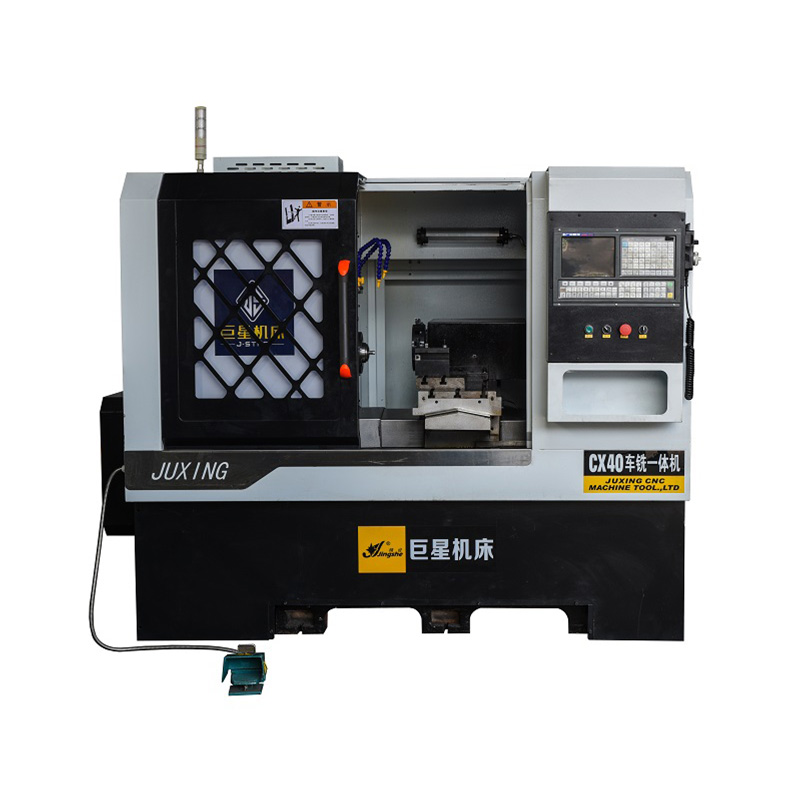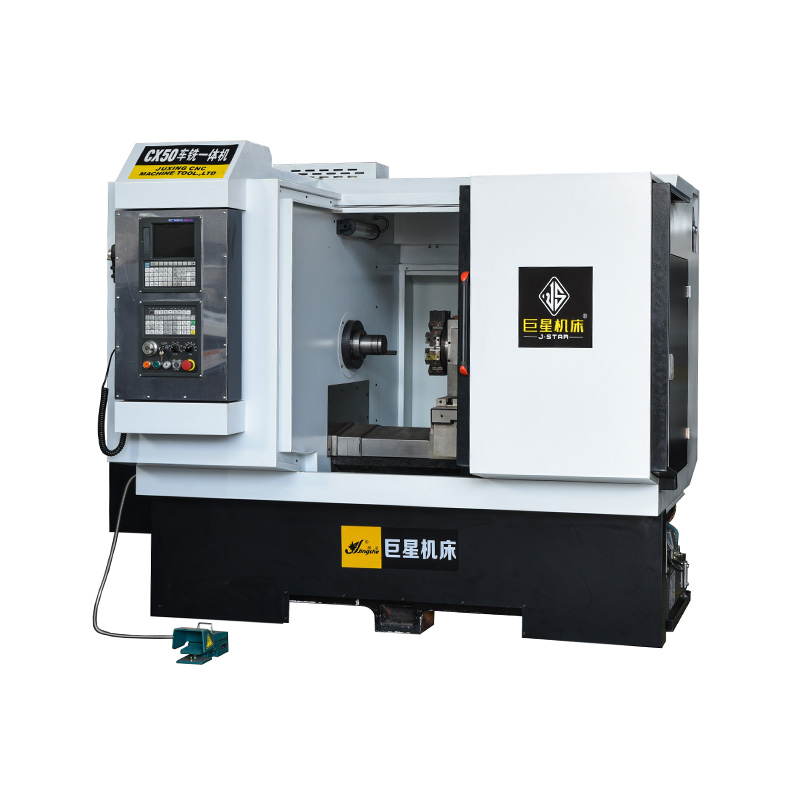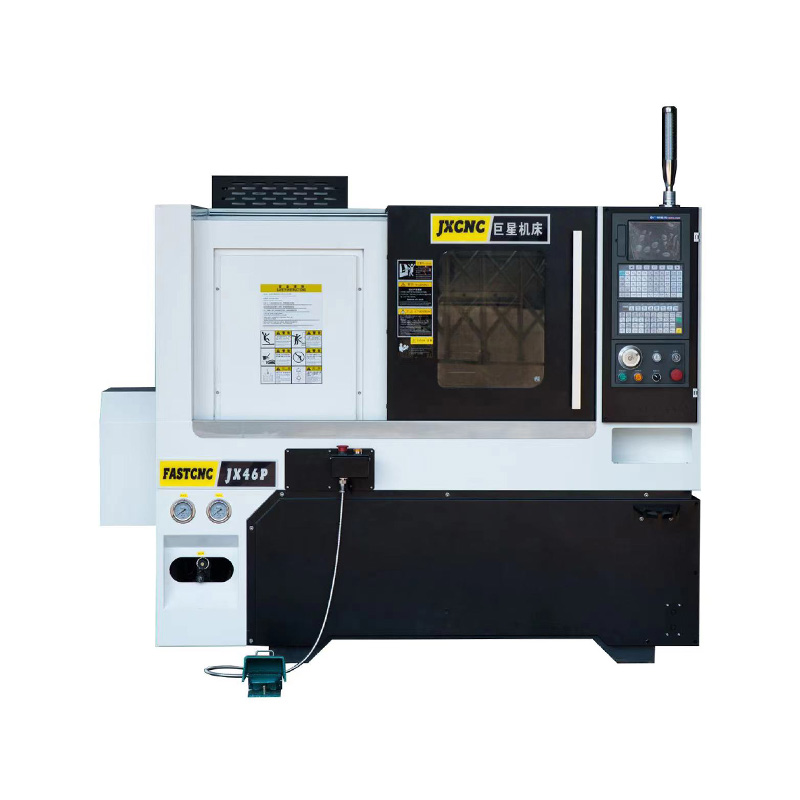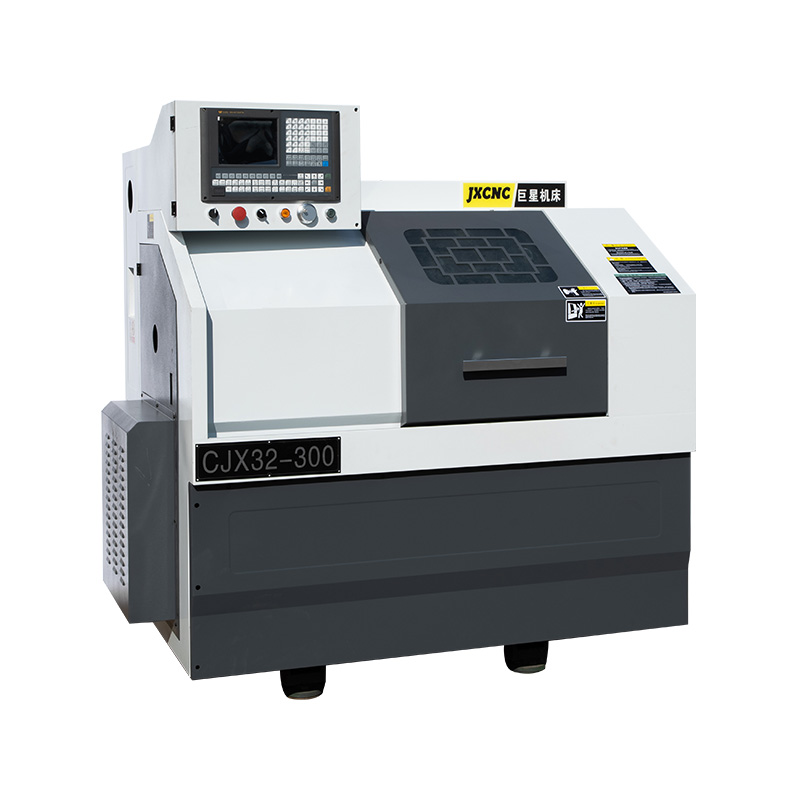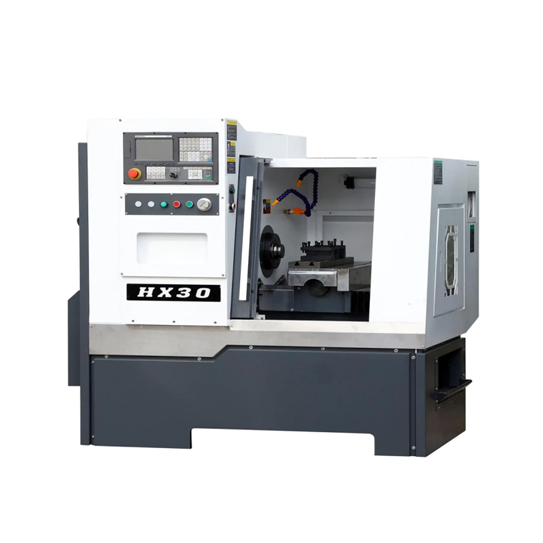


CNC machining factory, or Computer Numerical Control machining, is a widely used manufacturing process that employs computer-controlled machines to remove mater...
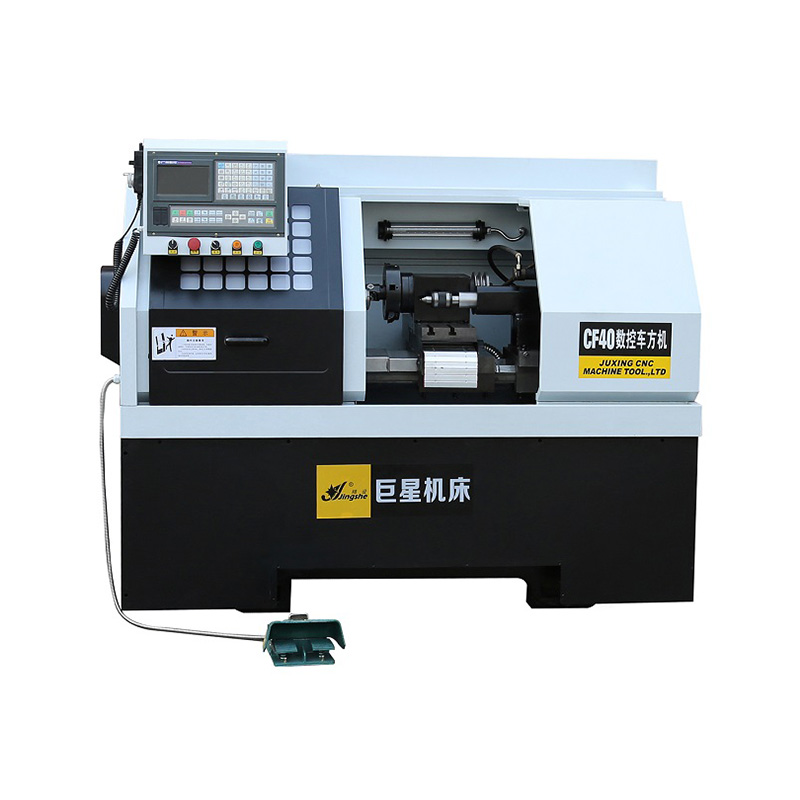
CNC turning machines factory, commonly referred to as lathes, are fundamental tools in modern manufacturing. They operate by rotating a workpiece while a statio...
A CNC machine lathe factory is a type of computer-controlled equipment used in modern manufacturing to produce precise cylindrical parts. It operates by rotatin...
1. Precision and Automation One of the significant advantages of CNC milling machines factory is their ability to perform high-precision tasks with minimal huma...
What Are the Disadvantages of CNC Lathe Machining? CNC lathe machining factory offers high precision and repeatability, but it also has several disadvantages th...
1. Precision and Accuracy One of the significant advantages of CNC turning lathes is their ability to achieve high levels of precision and accuracy. Tradition...
How Do CNC Machining Lathes Improve Precision and Consistency? Precision remains one of the discussed topics regarding CNC machining lathe factory. Compared wit...
What are the primary advantages of a CNC lathe over a manual lathe, and when is each appropriate? The advantages stem from automation, precision, and repeatabil...
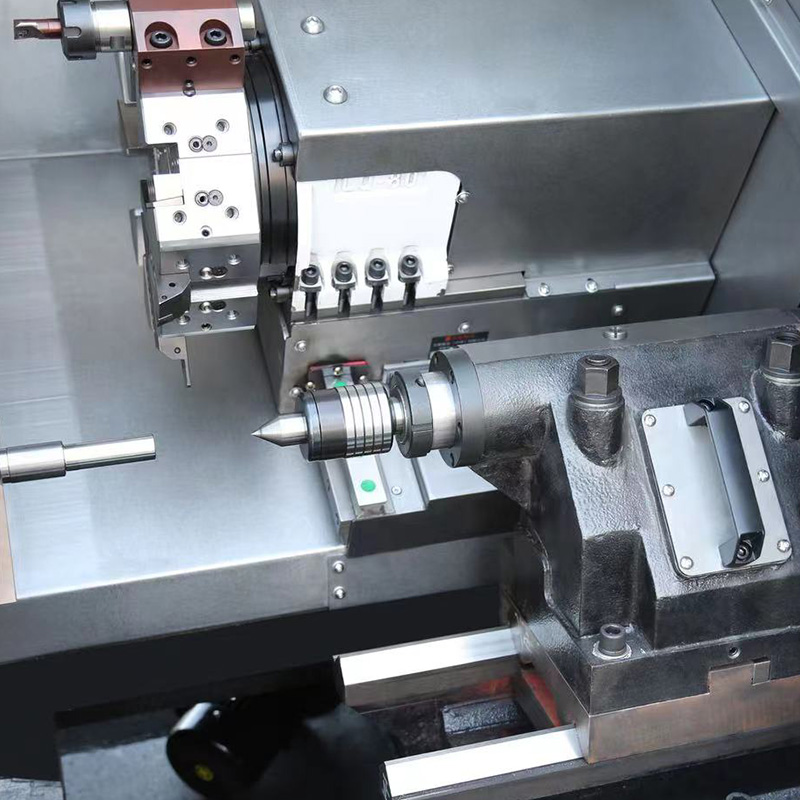
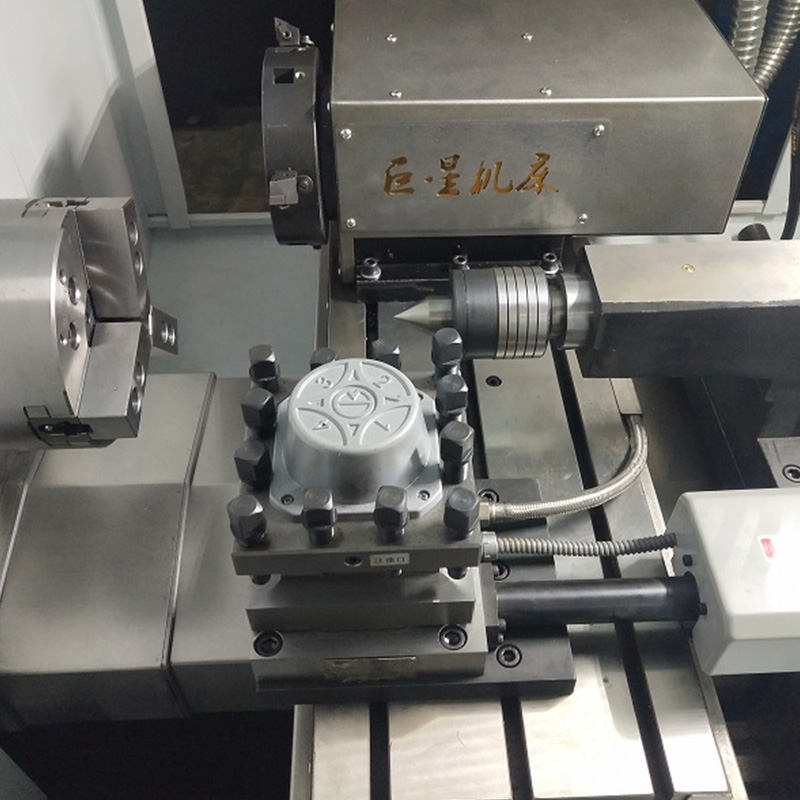
Structure and Design of a CNC Machining Lathe The structure of a CNC lathe factory is designed to support precision machining and reliable operation. Key compon...
What are the components of a CNC turning machine? A CNC turning machine factory integrates several subsystems into a single unit. Machine Bed and Frame: This i...
A CNC machine lathe factory is a precision machine tool used to shape materials such as metals, plastics, and composites. Its primary function is to rotate a wo...
Origins of Milling Machines: The Beginning of Precision Machining Milling machines appeared during the early stages of the Industrial Revolution, driven by the ...
TEL : +86-576-87491531
FAX : +86-576-87493038
E-MAIL : chinajuxing@aliyun.com
ADDRESS: Longxi Industrial Zone, Yuhuan City, Taizhou City, Zhejiang Province, China
Copyrighte 2024 Taizhou Yestar Intelligent Equipment Co., Ltd. All Rights Reserved.

 English
 中文简体
中文简体 русский