English
 中文简体
中文简体 русский
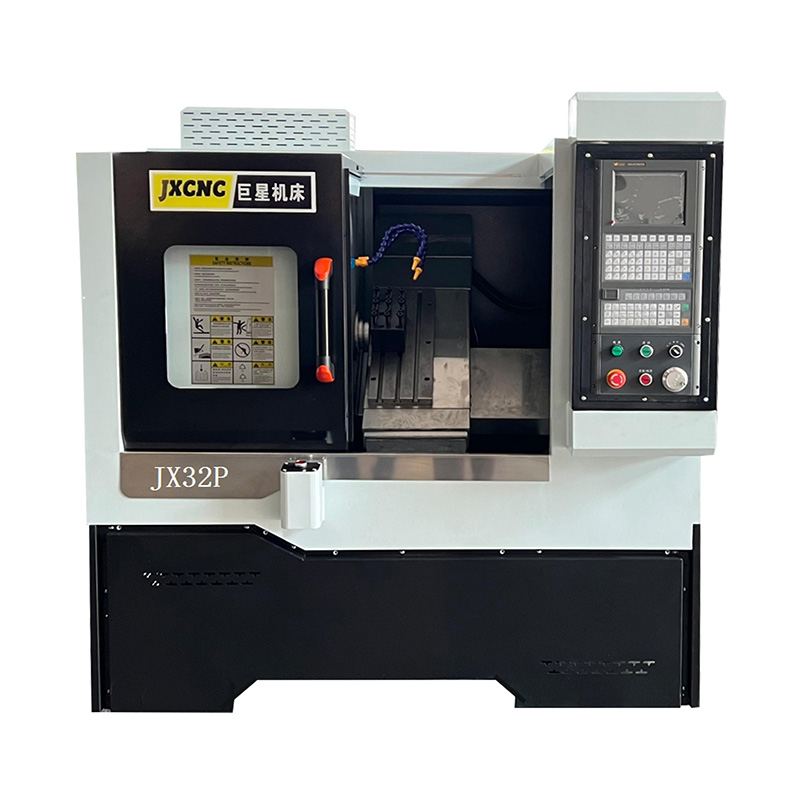
CF60 CNC Polygon Lathe
Cat:High Rigidity Polygon Lathe
The CF60 CNC Polygon Lathe is a highly efficient and versatile machine tool designed for small to medium-sized precision parts milling. It is capable ...
See Details


The advantages stem from automation, precision, and repeatability. A CNC lathe executes a programmed sequence of operations—tool changes, feed rates, spindle speeds, and complex movements—without continuous manual intervention. This results in consistent part quality across a production batch and reduces reliance on operator skill for complex geometries. It can produce intricate features like precise tapers, contours, and multi-start threads with accuracy that is difficult to achieve manually. Furthermore, once a program is proven, the same part can be reproduced identically at any future time.
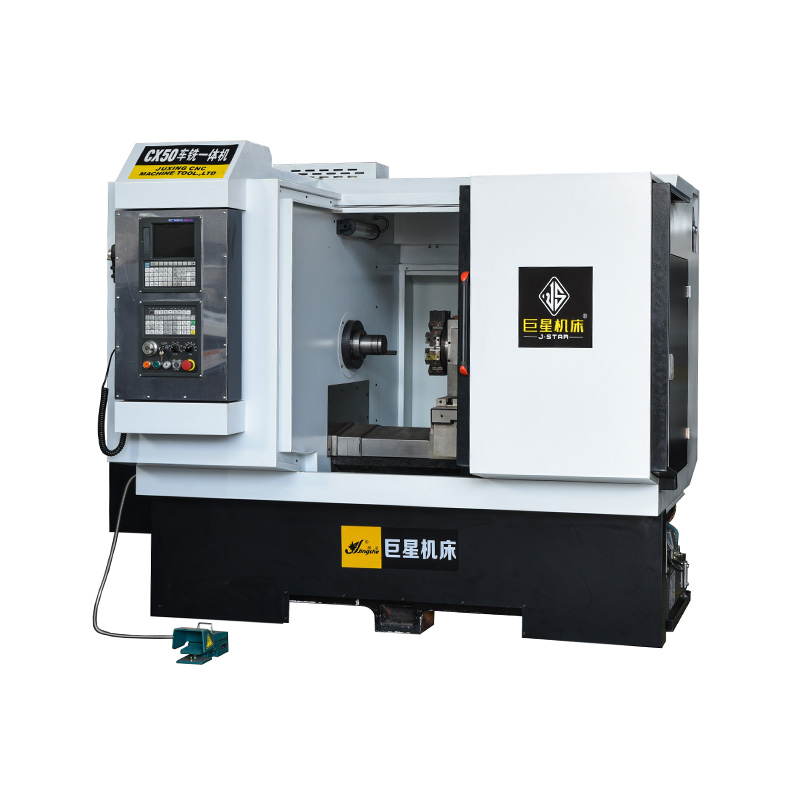
A manual lathe remains appropriate for specific scenarios. It is often more cost-effective for one-off repairs, simple turned parts, or in low-volume job shops where programming time would outweigh machining time. It is also a valuable tool for training in fundamental machining principles. The choice is largely economic and volume-based: manual lathes suit highly varied, low-quantity work; CNC lathes are justified for repetitive production, complex parts, or when consistent tolerances are required across multiple units.
Selection is based on the intended workpiece, required precision, and production goals. The swing over bed and distance between centers define the diameter and length of workpiece the machine can physically accommodate. The spindle power and speed range determine the machine's ability to handle different materials; high torque is needed for steel, while high RPM is beneficial for aluminum or plastics. The number of tools the turret can hold impacts the complexity of parts that can be made in one setup without manual tool changes.
Another major consideration is the control system (e.g., Fanuc, Siemens, Heidenhain). Its user interface, programming compatibility, and support network affect operator training and long-term usability. For more complex parts, additional axes are considered. A basic 2-axis machine (X and Z) handles standard turning. A CNC turning center with live tooling (driven tools in the turret) and a Y-axis or C-axis (spindle indexing) allows for milling, drilling, and off-center features to be completed in a single setup, a process known as "done-in-one" machining.
Several technical challenges can arise during operation, each with typical solutions. Chatter is a resonant vibration between the tool and workpiece, bring about poor surface finish and tool wear. It is addressed by increasing rigidity (shortening tool overhang, using steady rests), adjusting cutting parameters (reducing speed or depth of cut), or using anti-vibration toolholders. Poor chip control results in long, stringy chips that can damage the part and machine. This is managed by selecting inserts with appropriate chip-breaker geometries and optimizing feed rate and depth of cut to encourage chip breaking.
Tool wear and premature failure are constant concerns. Wear patterns indicate the cause: flank wear from abrasion, crater wear from heat. Solutions include selecting the correct insert grade (carbide, ceramic) for the workpiece material, applying appropriate coolant, and using optimized cutting speeds and feeds. Thermal expansion can cause dimensional inaccuracy over a long production run as the machine and workpiece heat up. Mitigation strategies include running a warm-up cycle for the machine spindle and slides, applying consistent coolant, and monitoring shop temperature.
Effective operation requires a blend of traditional machining knowledge and modern technical skills. A foundational understanding of manual machining principles—speeds and feeds, tool geometry, material properties, and metrology—is essential for troubleshooting and optimizing programs. Technical drawing literacy (reading GD&T symbols) is necessary to interpret part specifications.
For programming, knowledge of G-code is fundamental, whether writing code manually or using CAM (Computer-Aided Manufacturing) software. CAM software skill is increasingly important for programming complex parts efficiently. Skill in machine setup is critical, including workpiece fixturing (using chucks, collets, centers), tool presetting and offset entry, and establishing the program zero point. Basic maintenance and diagnostic ability—understanding lubrication schedules, recognizing abnormal sounds, and performing simple diagnostics using the machine control—are necessary for sustained operation and reduce downtime.
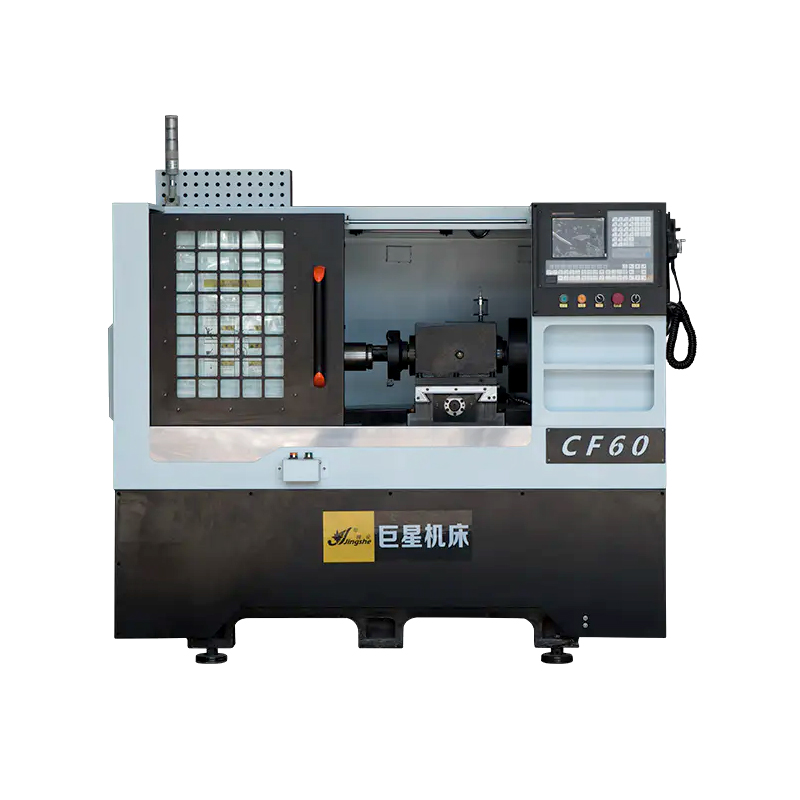
The CF60 CNC Polygon Lathe is a highly efficient and versatile machine tool designed for small to medium-sized precision parts milling. It is capable ...
See Details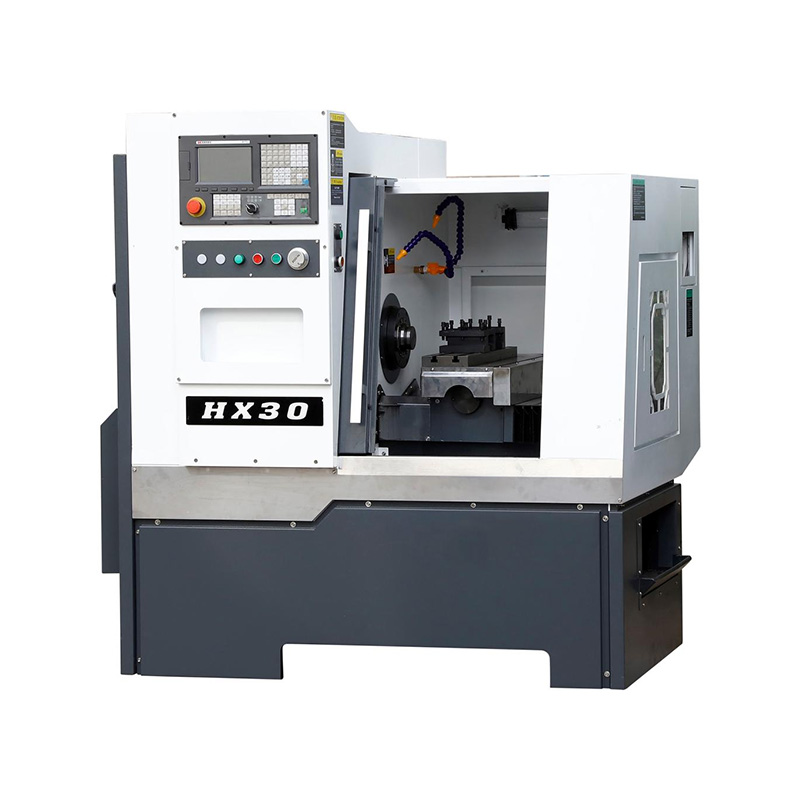
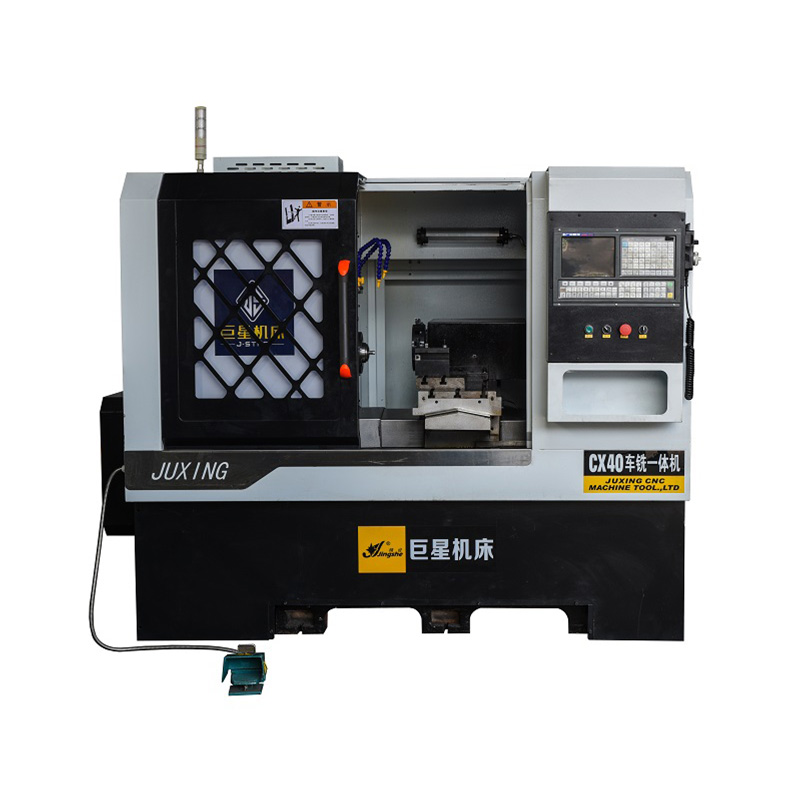
A notable feature of the HX30 Mandrel Bar Feeder Cheap CNC Lathe is its efficient and reliable mandrel bar feeder. The mandrel serves as a support for...
See Details
Introducing the JX36P China Good Supplier CNC Lathe Machine, a high-quality and efficient tool designed for precision machining. With its horizontal i...
See Details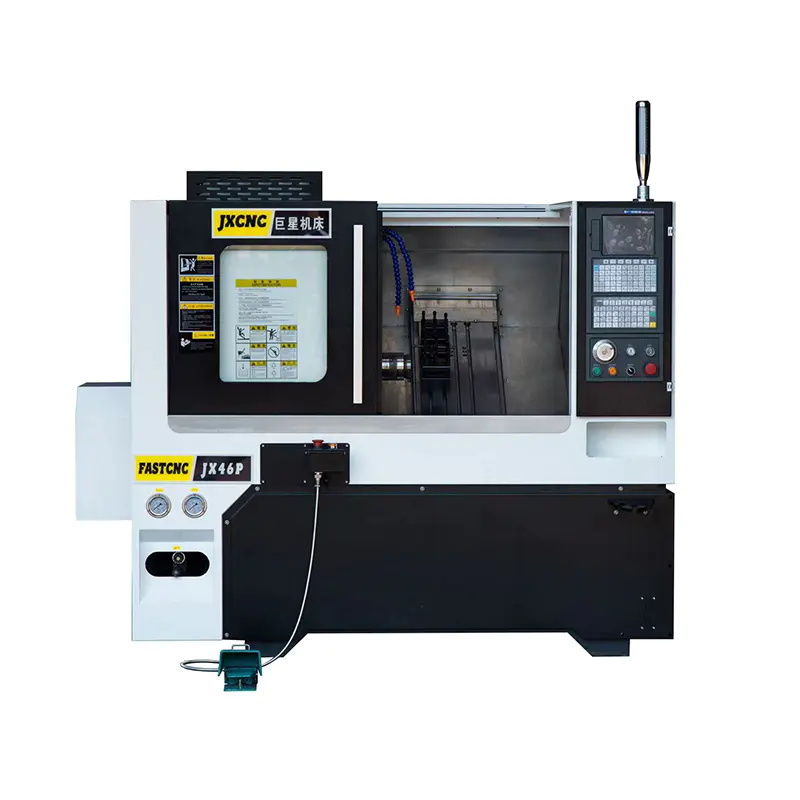
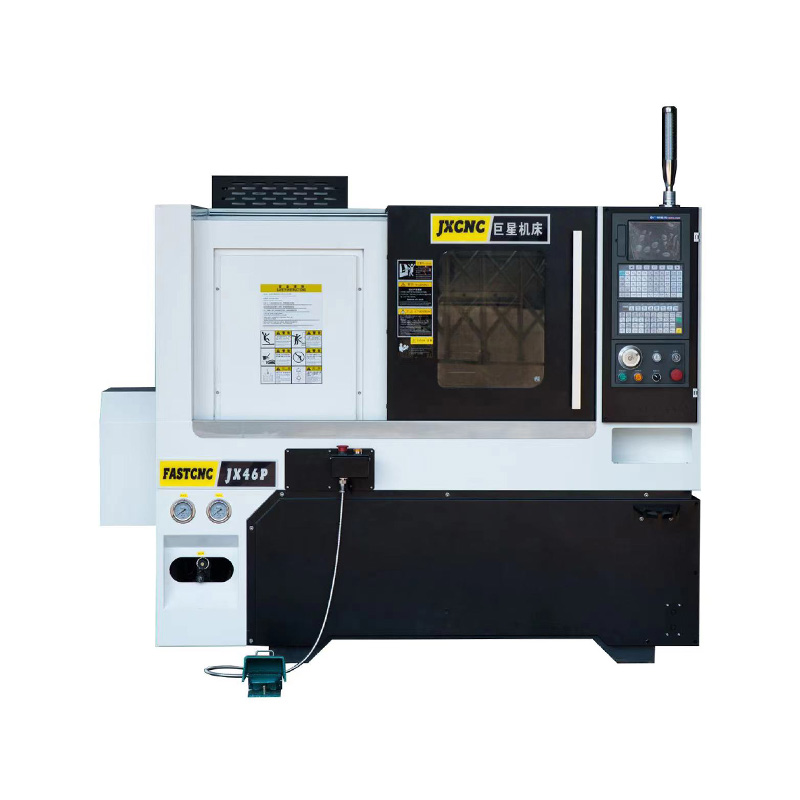
The JX46P Slant Bed CNC Lathe Machine of Cast Iron Machine Base is a high-performance machine tool designed for various machining operations. With its...
See Details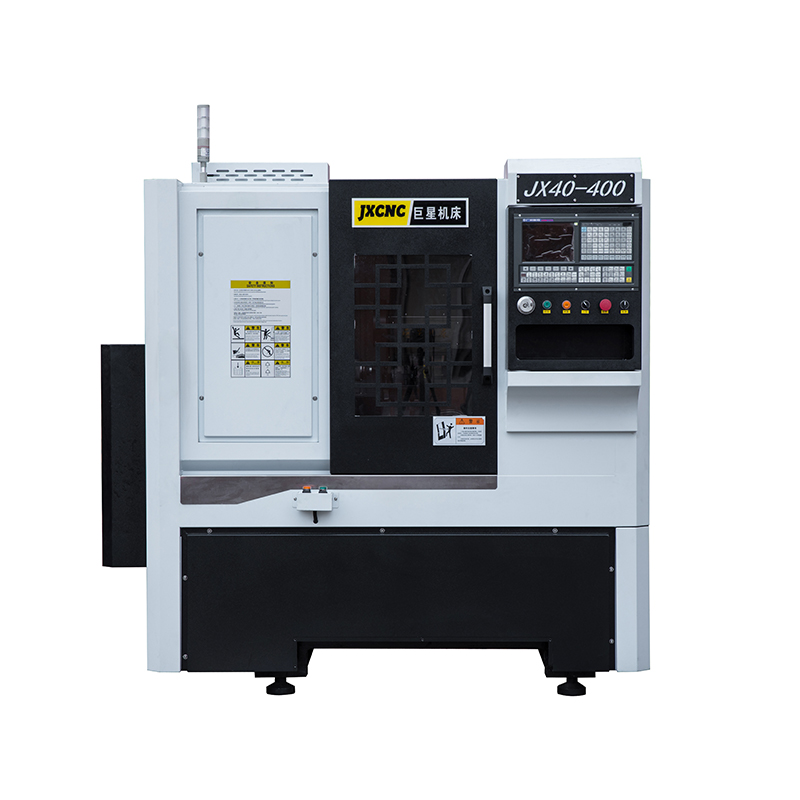
The JX40-400 Factory High Speed Precision CNC Lathes are designed to provide exceptional efficiency and accuracy in machining processes. With the abil...
See Details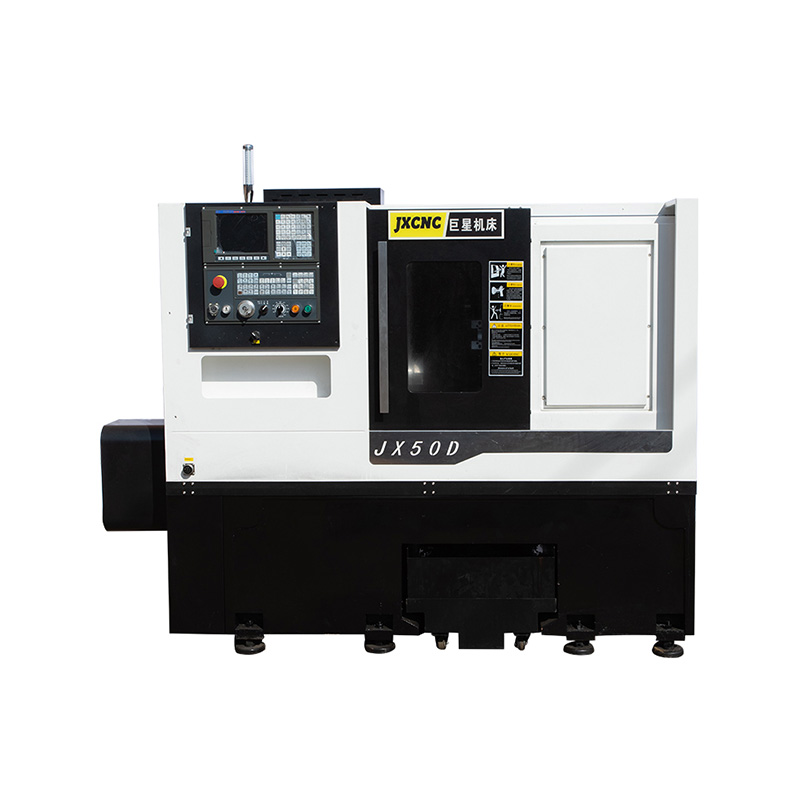
Introducing the JX50D CNC Machine Tools List from China's CNC machine tools manufacturer. Our machine tools are equipped with a servo hydraulic turret...
See Details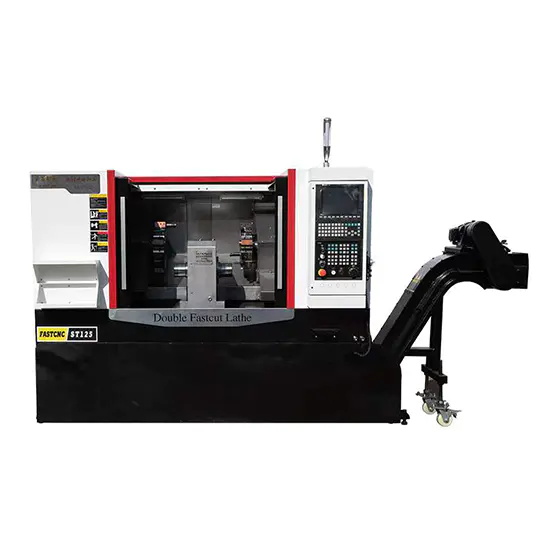
The JX125 Double Head CNC Machine is a cutting-edge machine tool that utilizes a central spindle, two Z-axes, two X-axes, and bidirectional drag plate...
See DetailsTEL : +86-576-87491531
FAX : +86-576-87493038
E-MAIL : chinajuxing@aliyun.com
ADDRESS: Longxi Industrial Zone, Yuhuan City, Taizhou City, Zhejiang Province, China
CopyrightTaizhou Yestar Intelligent Equipment Co., Ltd. All Rights Reserved.