English
 中文简体
中文简体 русский
CF40 Automatic CNC Polygon Turning Machine Lathe
Cat:Small Polygon Lathe
The CF40 Automatic CNC Polygon Turning Machine Lathe is specifically designed for small to medium-sized, high-precision parts milling, enabling the ma...
See Details


The widely used type is the 2-axis CNC lathe, often considered the foundational model in CNC turning operations. As the name suggests, this machine operates mainly along two axes: the X axis, which controls tool movement toward or away from the workpiece diameter, and the Z axis, which guides the tool parallel to the spindle. This configuration enables basic turning processes such as facing, grooving, threading, drilling, and boring. Although relatively straightforward, the 2-axis CNC lathe provides dependable performance for cylindrical parts without requiring advanced features.
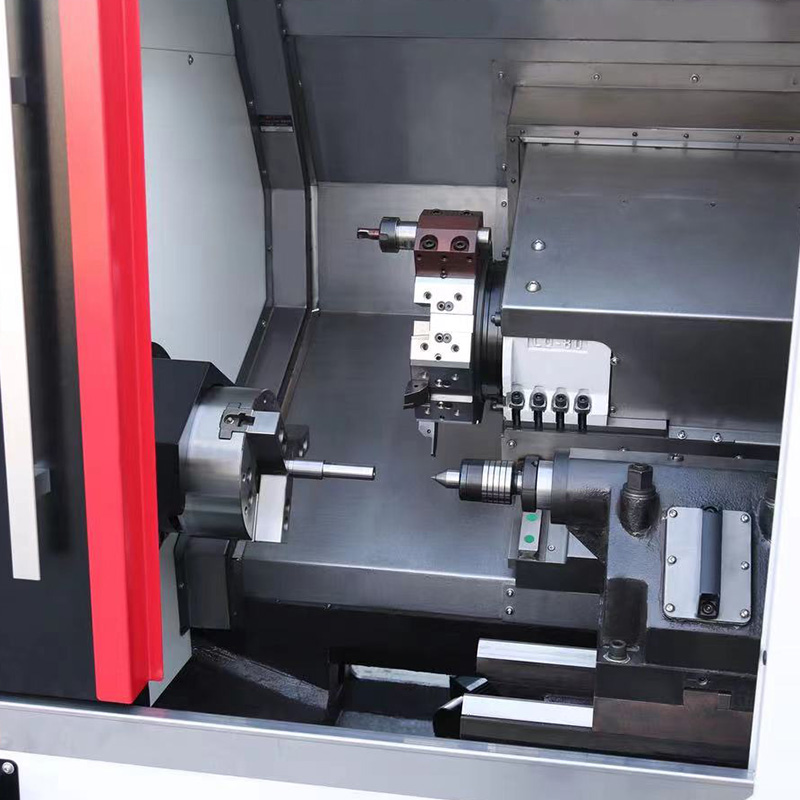
One of the main advantages of a 2-axis CNC lathe is its simplicity. Operators find it easier to program and set up compared with more complex machines. It is also suitable for producing moderate quantities of parts where consistent dimensions are required. Industries such as plumbing, automotive repair, and general hardware manufacturing rely on 2-axis lathes to produce shafts, bushings, pins, couplings, and sleeves. While this type may not handle intricate geometries, it remains a practical choice for many organizations due to its balanced cost and stable performance capabilities.
A second common type is the CNC turning center, which expands the functions of a traditional CNC lathe. Turning centers usually include extra axes, such as the Y axis, and are equipped with live tooling. Live tooling allows the machine to perform milling, drilling, tapping, and slotting without requiring a separate machining center. In addition, many turning centers come with automatic tool changers, sub-spindles, and more sophisticated control systems.
These additional features support the production of complex, multi-surface components in a single setup, reducing the need to transfer the workpiece to another machine. This improves overall productivity and helps maintain dimensional accuracy. Industries that require parts with multiple milled features—such as aerospace, electronics, fluid control, and precision instrument manufacturing—often rely on turning centers. Components such as connectors, housings, valve parts, and instrument fittings benefit from turning center operations.
The versatility of CNC turning centers allows them to handle both simple and intricate tasks, making them suitable for medium to high production volumes. Although the programming and maintenance requirements can be more demanding than those of a 2-axis CNC lathe, the range of capabilities generally makes turning centers a valuable resource for companies that require flexibility in part design.
The third widely seen category is the Swiss-type CNC lathe, sometimes called a Swiss-turn or sliding-head lathe. This type operates differently from conventional lathes because the workpiece is supported by a guide bushing. Instead of the tool moving along the entire length of the part, the material feeds through the guide bushing and past the stationary cutting tools. This design minimizes deflection, especially for slender or long components that would otherwise bend under machining pressure.
Swiss-type CNC lathes are commonly used to produce small, high-precision parts with tight tolerances. Industries such as medical device manufacturing, electronics, timepiece production, and micro-mechanical engineering rely heavily on these machines. Typical components include surgical screws, dental implants, miniature pins, electrical contacts, and precision fasteners. The machine’s structure enables continuous cutting with stability, even when machining small-diameter materials.
Many Swiss-type lathes also include live tooling and multiple spindles, enabling a combination of turning and milling processes within one setup. Because they can operate efficiently with bar feeders for unattended or long-run production, Swiss lathes are often chosen for batch manufacturing of small components.
Across these three types—2-axis CNC lathes, turning centers, and Swiss-type lathes—several shared characteristics contribute to their importance in modern machining. All rely on computer-controlled programming, which enhances repeatability and reduces operator dependence. They also support a range of materials, such as steel, aluminum, brass, titanium, and plastics, making them suitable for multiple sectors. What distinguishes each type is how it balances simplicity, versatility, and precision.
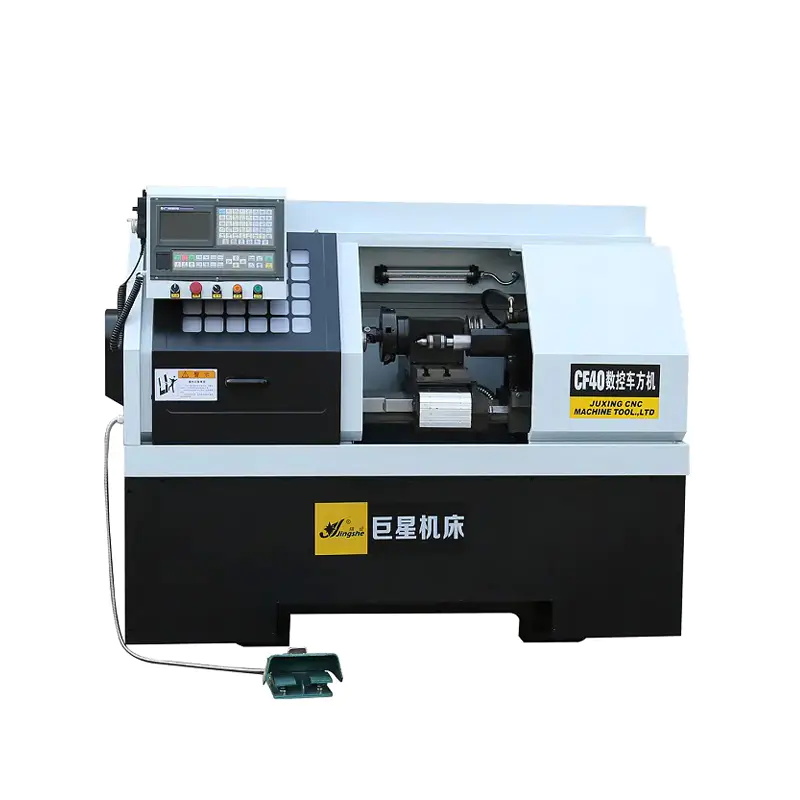
The CF40 Automatic CNC Polygon Turning Machine Lathe is specifically designed for small to medium-sized, high-precision parts milling, enabling the ma...
See Details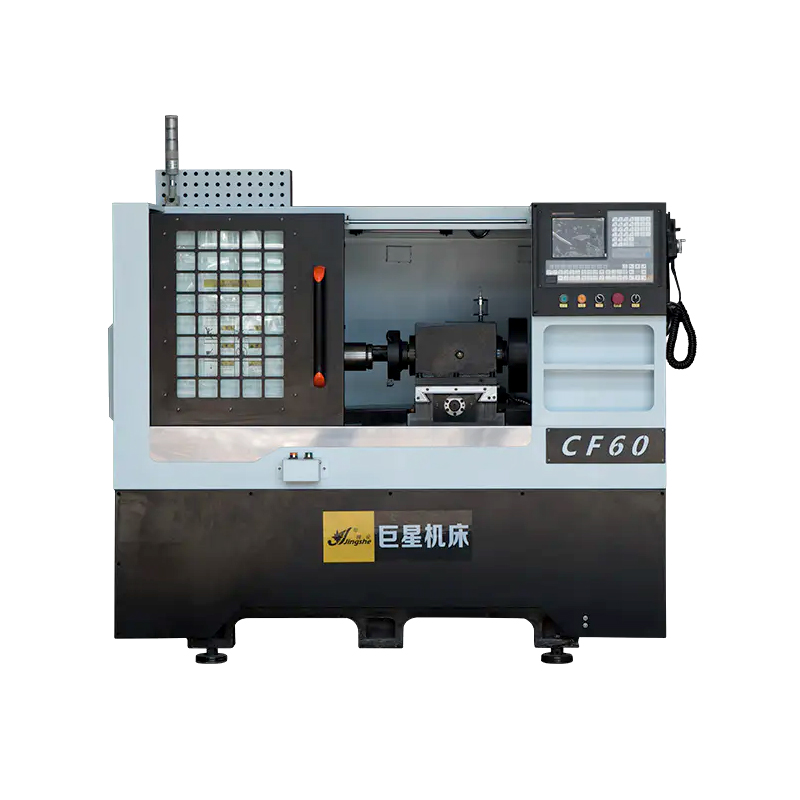
The CF60 CNC Polygon Lathe is a highly efficient and versatile machine tool designed for small to medium-sized precision parts milling. It is capable ...
See Details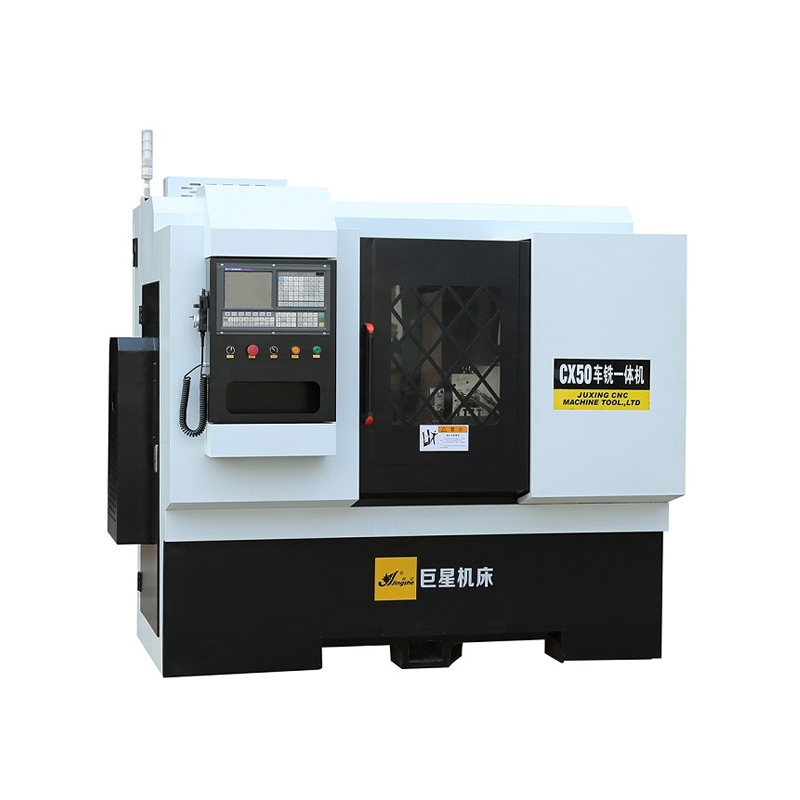
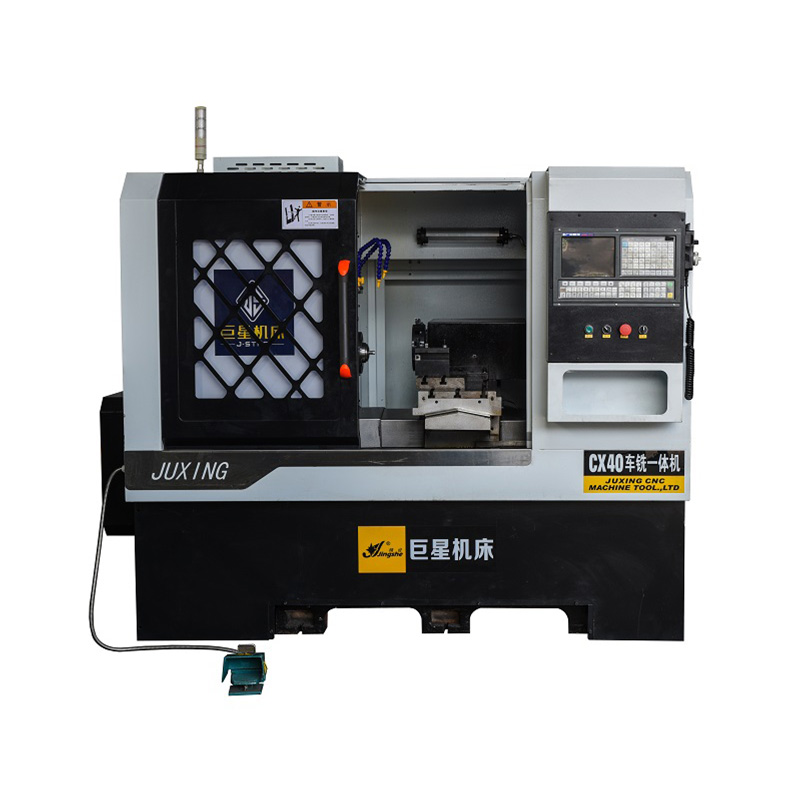
Are you looking for a machine that combines the capabilities of a CNC lathe and a square lathe? Look no further! Introducing the CX50 New CNC Turning ...
See Details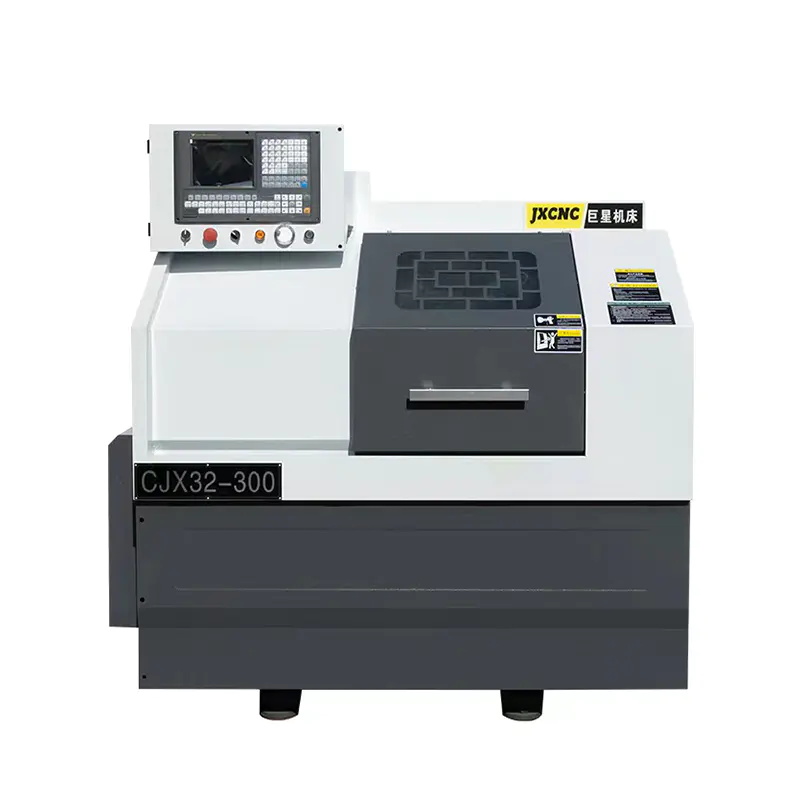
The JX32-300 Mini Economical CNC Lathe Machine is designed to provide high precision and efficient machining for a wide range of metal products. With ...
See Details
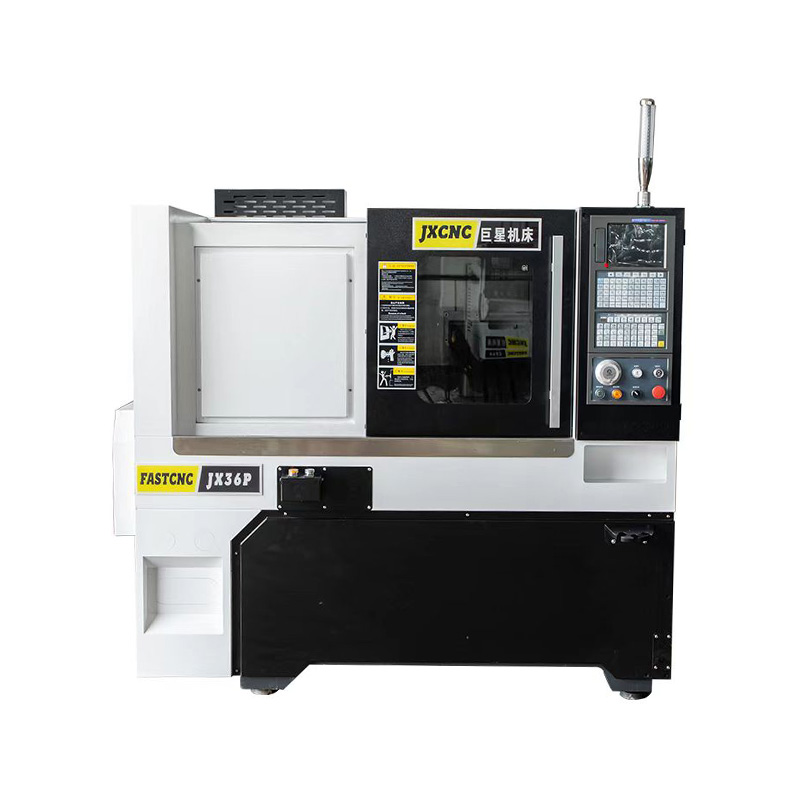
Introducing the JX36P China Good Supplier CNC Lathe Machine, a high-quality and efficient tool designed for precision machining. With its horizontal i...
See Details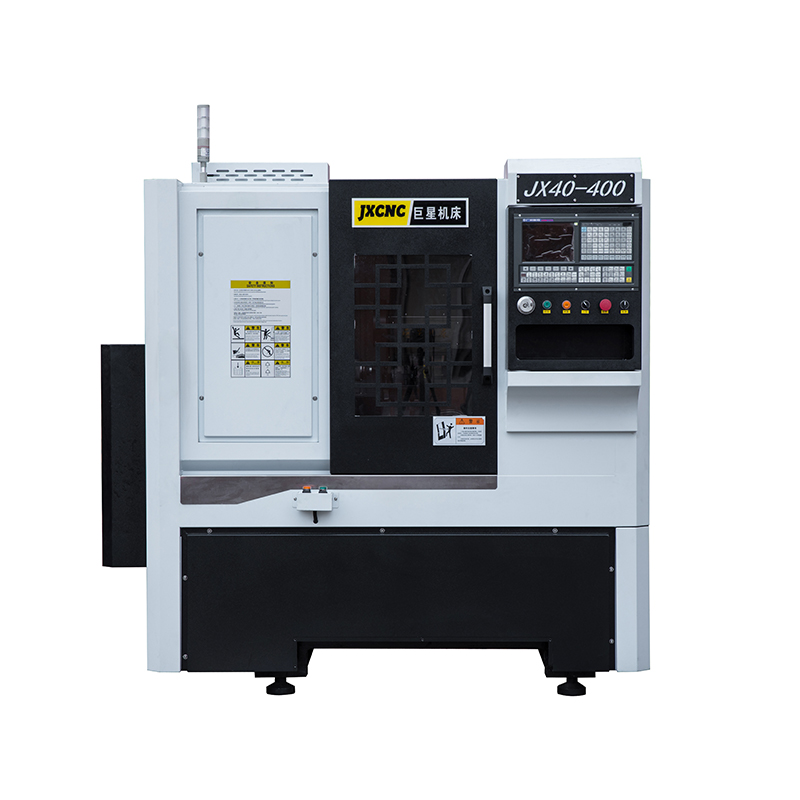
The JX40-400 Factory High Speed Precision CNC Lathes are designed to provide exceptional efficiency and accuracy in machining processes. With the abil...
See Details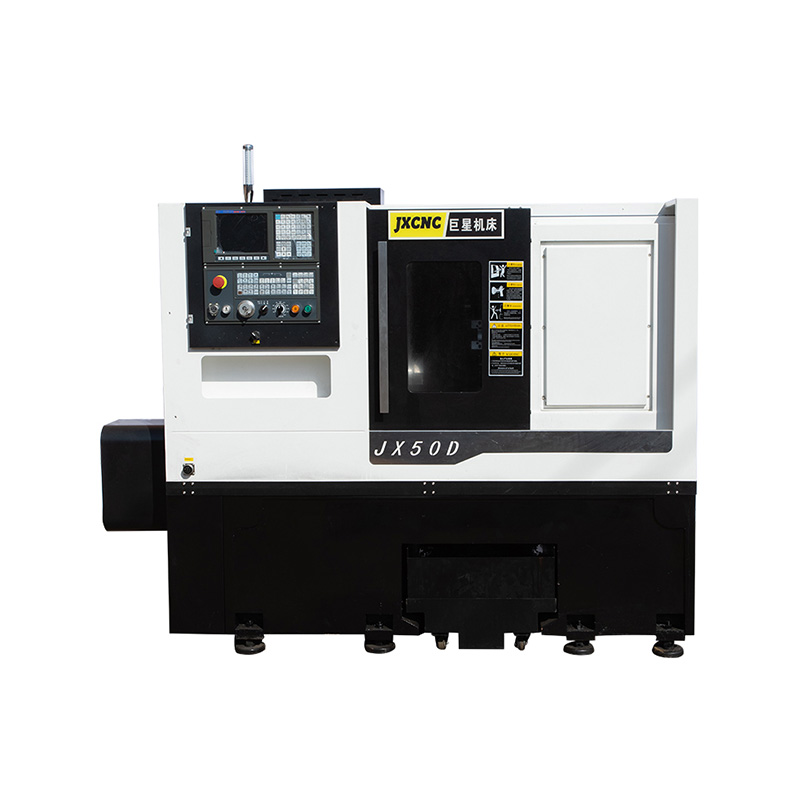
Introducing the JX50D CNC Machine Tools List from China's CNC machine tools manufacturer. Our machine tools are equipped with a servo hydraulic turret...
See Details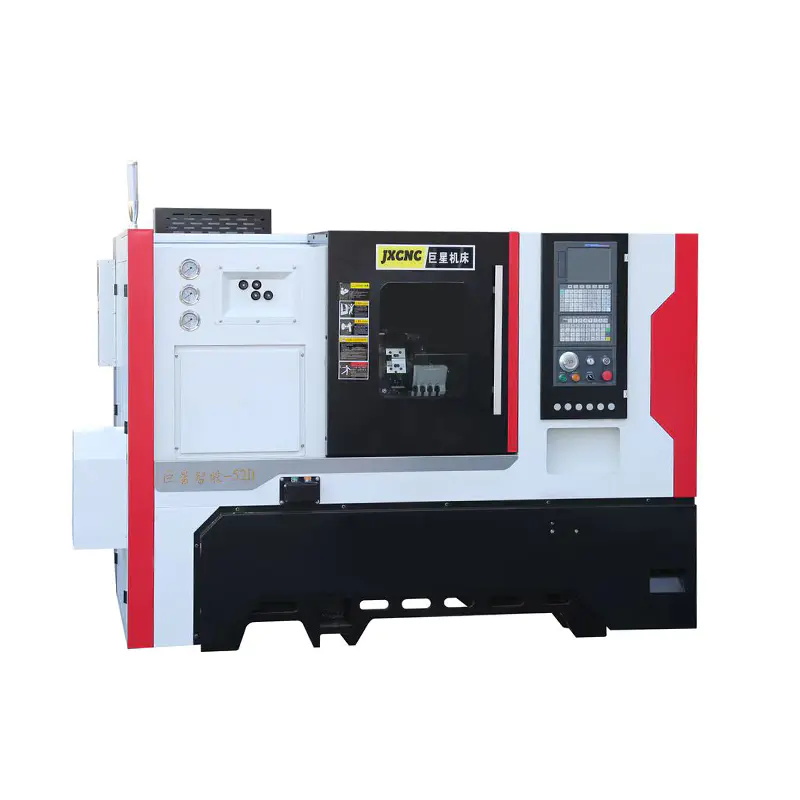
The JX52D Machine Tool CNC Lathe is specifically designed for lathe every kinds of material with precision and efficiency. It is equipped with advance...
See DetailsTEL : +86-576-87491531
FAX : +86-576-87493038
E-MAIL : chinajuxing@aliyun.com
ADDRESS: Longxi Industrial Zone, Yuhuan City, Taizhou City, Zhejiang Province, China
CopyrightTaizhou Yestar Intelligent Equipment Co., Ltd. All Rights Reserved.