English
 中文简体
中文简体 русский
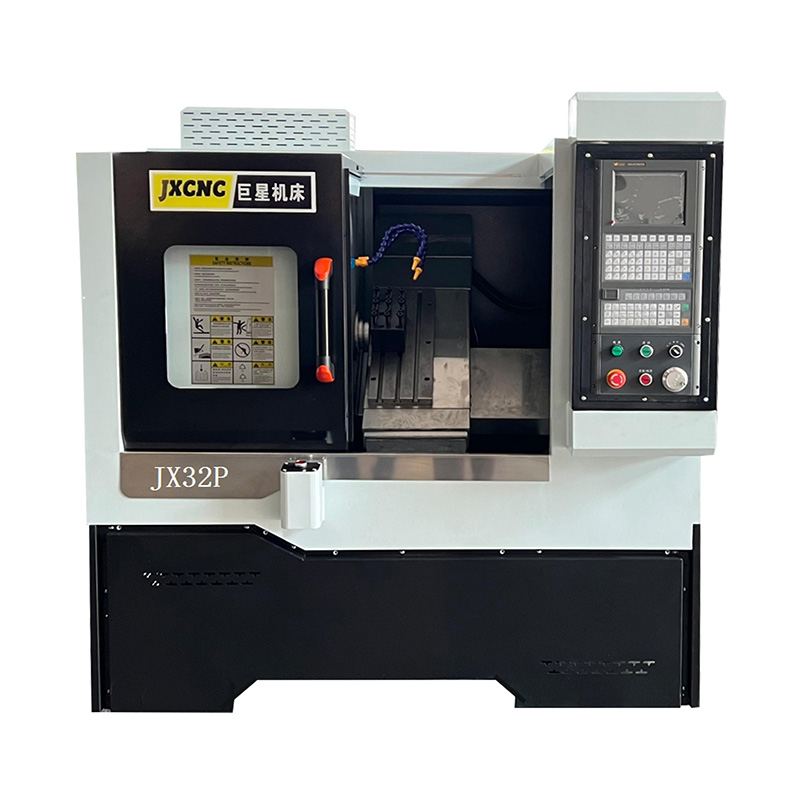
CF40 Automatic CNC Polygon Turning Machine Lathe
Cat:Small Polygon Lathe
The CF40 Automatic CNC Polygon Turning Machine Lathe is specifically designed for small to medium-sized, high-precision parts milling, enabling the ma...
See Details


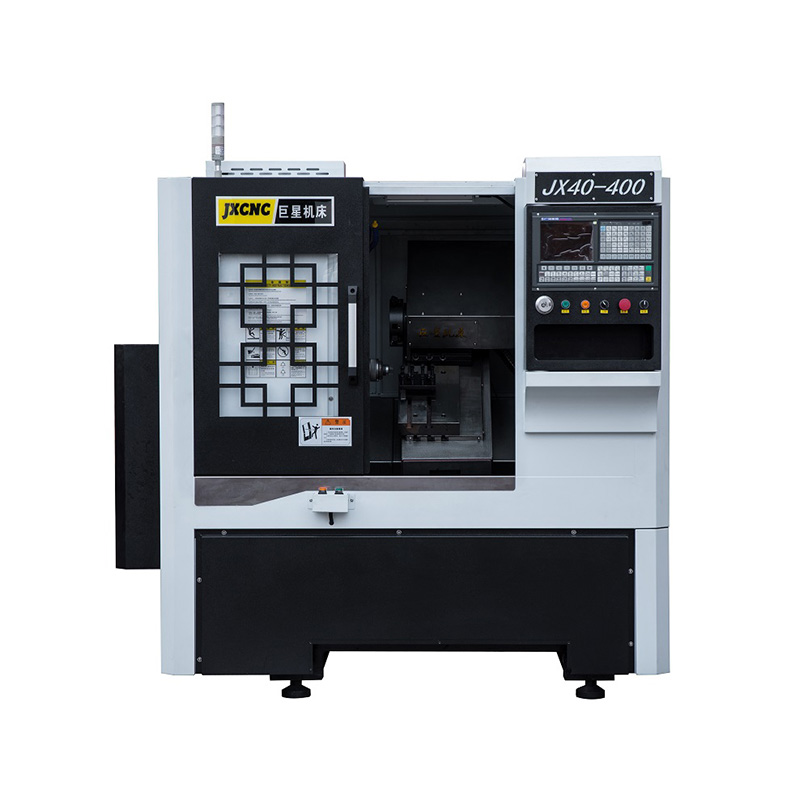
A CNC machine lathe factory is a precision machine tool used to shape materials such as metals, plastics, and composites. Its primary function is to rotate a workpiece around a stationary cutting tool, removing material to achieve a desired shape or dimension. Unlike manual lathes, CNC lathes are computer-controlled, allowing for automated, accurate, and repeatable operations.
Material Shaping and Cutting
The main function of a CNC lathe is to cut and shape cylindrical or rotationally symmetrical components. The workpiece rotates while the cutting tool moves along multiple axes to perform turning, facing, threading, drilling, or grooving operations. This allows manufacturers to create complex and precise shapes that would be difficult or time-consuming to achieve manually.
Precision and Consistency
CNC lathes ensure consistent accuracy across multiple parts. The computer-controlled system maintains exact dimensions and tolerances, making it possible to produce parts that meet strict engineering specifications. This function is particularly important in industries where precise components are critical, such as automotive, aerospace, and machinery manufacturing.
Automation and Efficiency
Another key function of a CNC machine lathe is automation. The lathe can operate continuously with minimal human intervention once programmed. This function allows manufacturers to produce large quantities of identical parts efficiently, reducing manual labor and reduce errors in repetitive tasks.
Overall, the main function of a CNC machine lathe is to provide accurate, repeatable, and efficient shaping and cutting of workpieces, ensuring high-quality components for industrial applications.
Uses of a CNC Machine Lathe
CNC lathes are used in a variety of industries for producing both simple and complex components. Their versatility allows them to handle multiple applications effectively.
Automotive and Aerospace Applications
CNC lathes are commonly used to manufacture engine components, shafts, gears, and other rotational parts in the automotive and aerospace sectors. The ability to maintain precise tolerances is crucial for these industries, where small deviations can affect overall system performance. CNC lathes can produce multiple identical parts quickly, which is essential for high-volume production.
Metal and Plastic Fabrication
CNC lathes are widely used in metalworking and plastic fabrication to produce fittings, bushings, threaded rods, and custom parts. By using different cutting tools and programs, the lathe can create intricate designs, threads, or grooves on cylindrical workpieces. This versatility makes it suitable for custom manufacturing and prototype development.
Industrial Machinery and Tooling
In industrial machinery manufacturing, CNC lathes produce precision components such as rollers, spindles, and drive shafts. These parts are essential for mechanical systems to function correctly. CNC lathes are also used in tool making to create dies, molds, and specialized cutting tools, demonstrating their wide range of applications in engineering and manufacturing.
CNC lathes are essential for industries requiring high-precision parts, repetitive production, and custom fabrication, demonstrating their broad range of uses.
Advantages of a CNC Machine Lathe
CNC lathes offer multiple advantages over manual lathes and other traditional machining tools. These benefits contribute to improved productivity, quality, and cost efficiency.
Precision and Accuracy
One major advantage of a CNC machine lathe is its ability to produce highly precise and accurate components. Computer control allows the lathe to maintain tight tolerances across multiple parts, ensuring uniformity and reducing the risk of defects. This is especially important in industries like aerospace and automotive, where precision is critical.
Efficiency and Productivity
CNC lathes can operate continuously with minimal supervision. Once programmed, the machine performs repetitive tasks efficiently, reducing human error and manual labor requirements. This bring about higher production rates and shorter turnaround times compared to manual machining, which relies heavily on operator skill.
Flexibility and Customization
Another advantage of CNC lathes is flexibility. The same machine can produce different parts simply by updating the program or changing the cutting tools. This allows manufacturers to handle small production runs, prototypes, and custom components without needing new machines.
Reduced Waste and Maintenance
CNC lathes reduce material waste by accurately cutting components according to specifications, reduce excess material removal. Additionally, their automated operation and precise control decrease tool wear and maintenance requirements, improving the overall cost-efficiency of the manufacturing process.
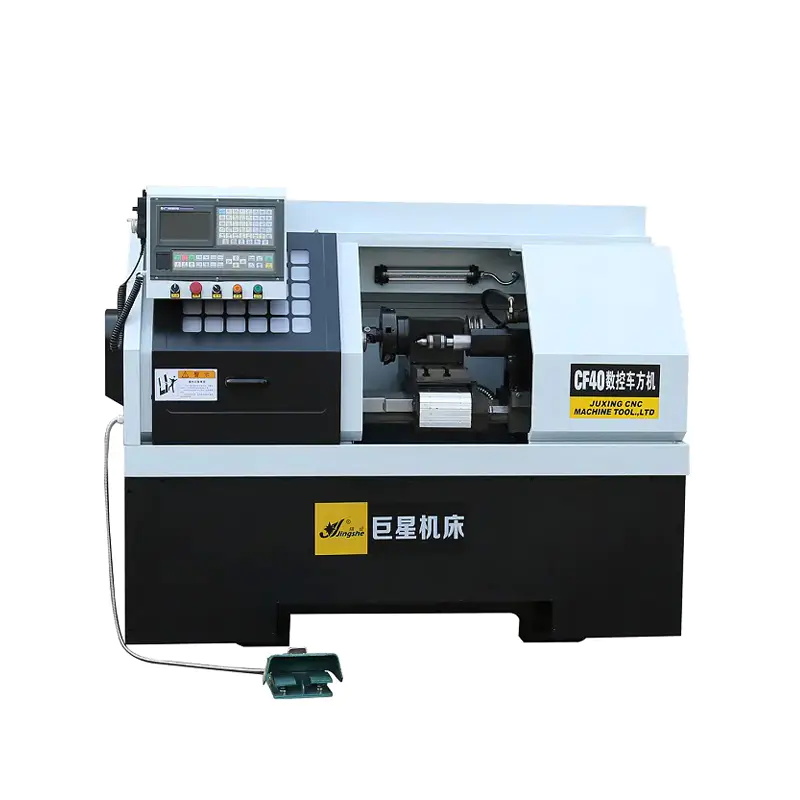
The CF40 Automatic CNC Polygon Turning Machine Lathe is specifically designed for small to medium-sized, high-precision parts milling, enabling the ma...
See Details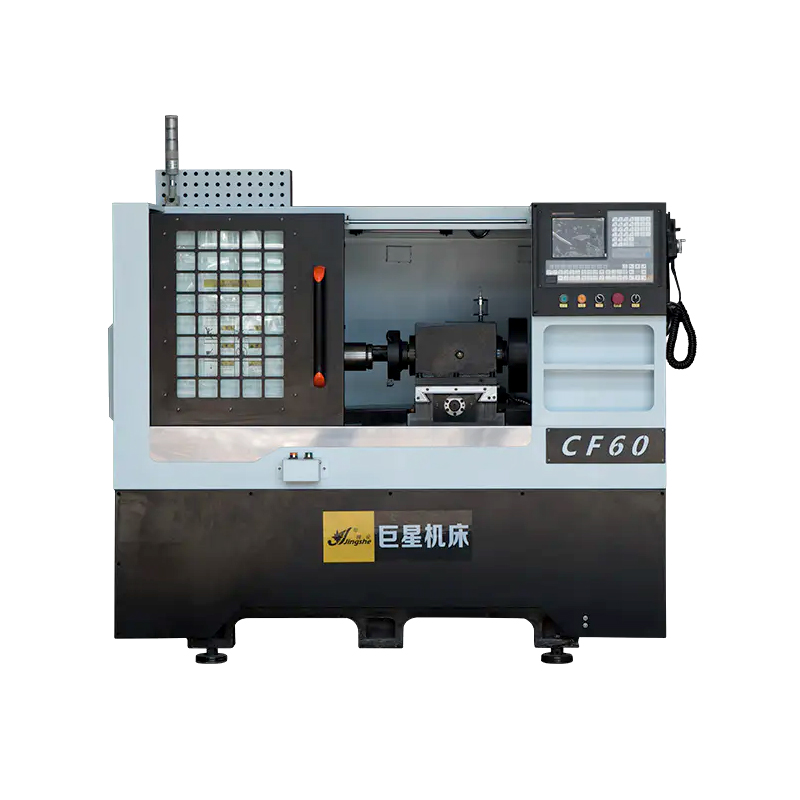
The CF60 CNC Polygon Lathe is a highly efficient and versatile machine tool designed for small to medium-sized precision parts milling. It is capable ...
See Details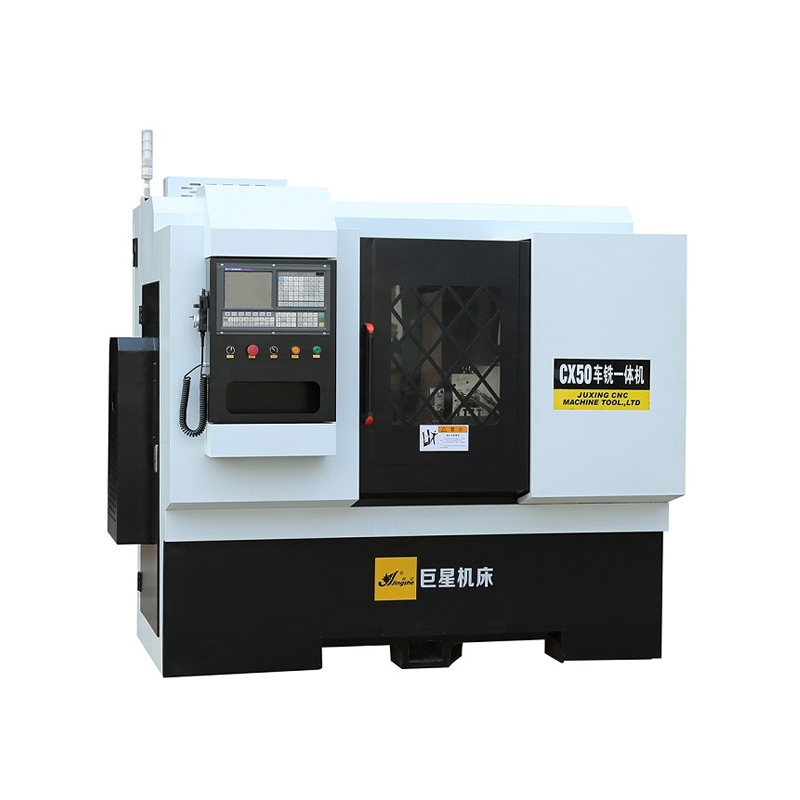
Are you looking for a machine that combines the capabilities of a CNC lathe and a square lathe? Look no further! Introducing the CX50 New CNC Turning ...
See Details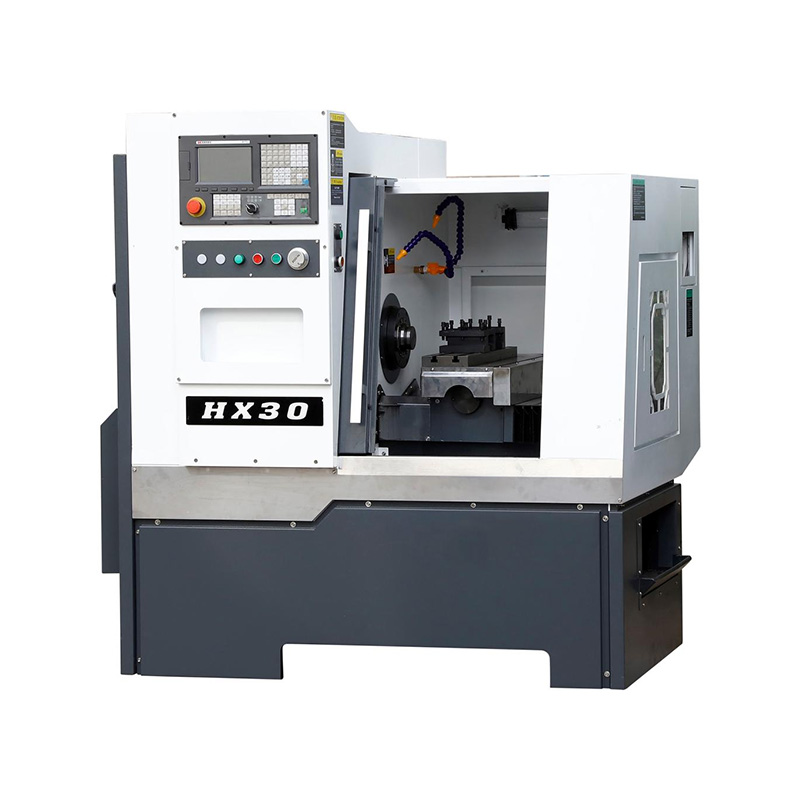
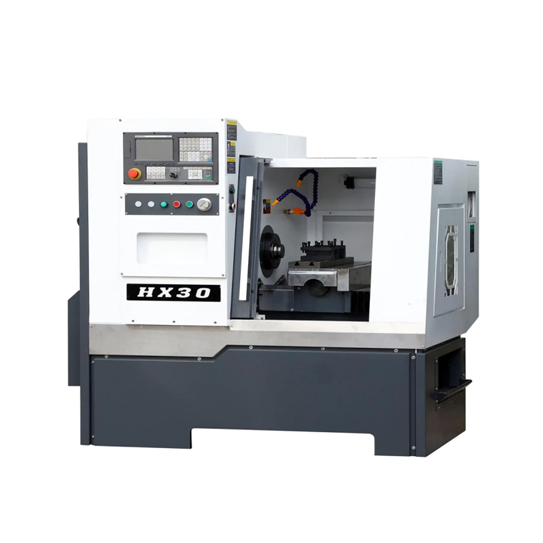
A notable feature of the HX30 Mandrel Bar Feeder Cheap CNC Lathe is its efficient and reliable mandrel bar feeder. The mandrel serves as a support for...
See Details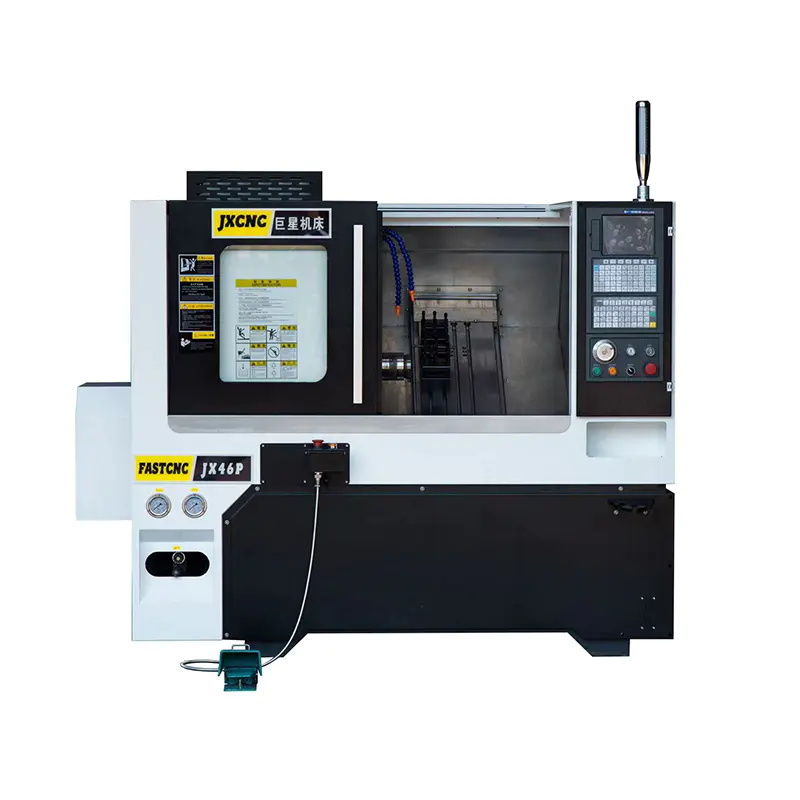
The JX46P Slant Bed CNC Lathe Machine of Cast Iron Machine Base is a high-performance machine tool designed for various machining operations. With its...
See Details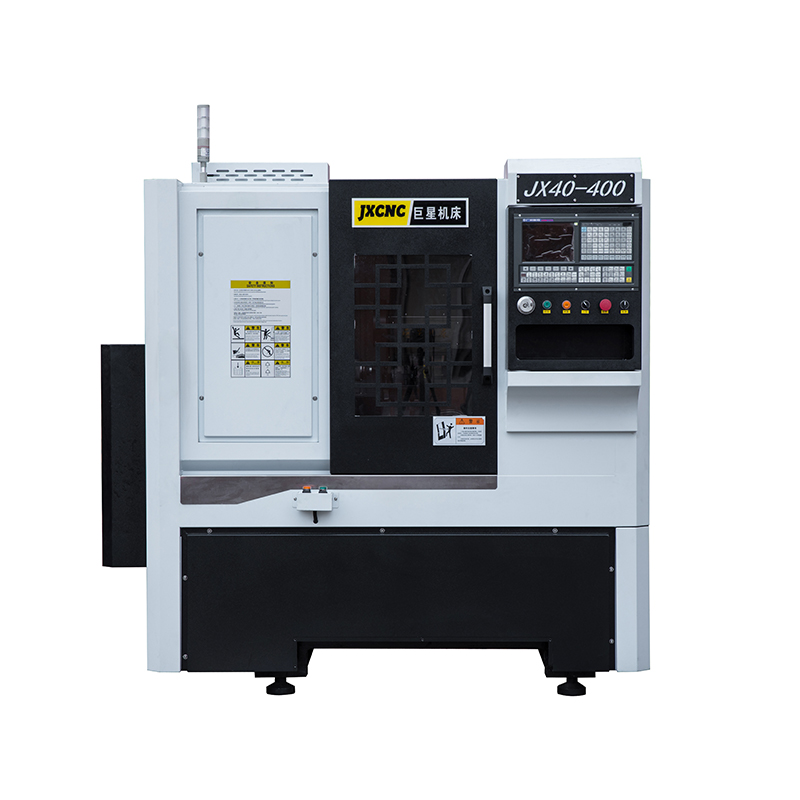
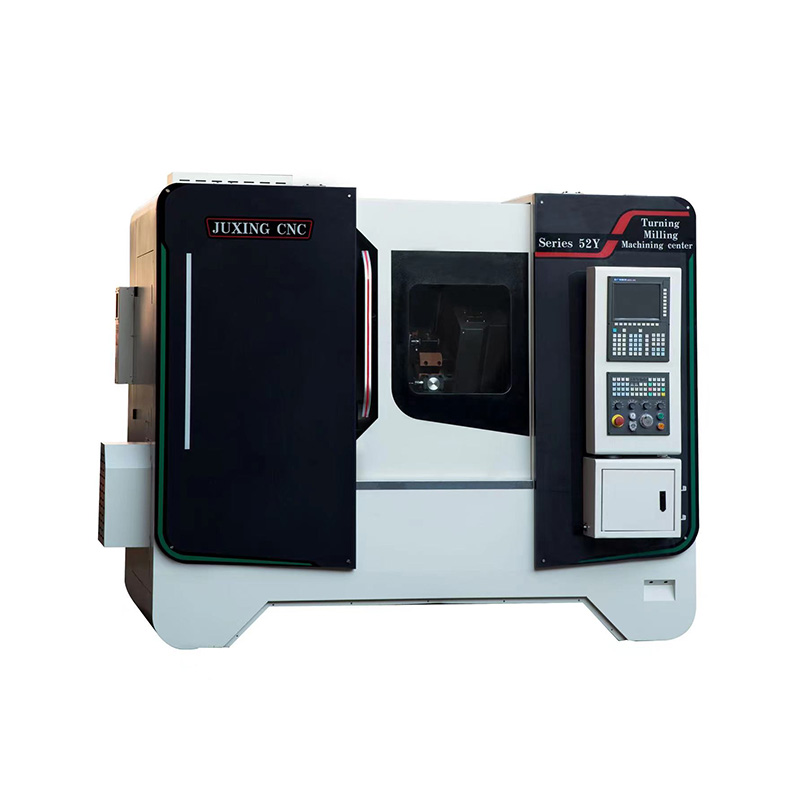
The JX40-400 Factory High Speed Precision CNC Lathes are designed to provide exceptional efficiency and accuracy in machining processes. With the abil...
See Details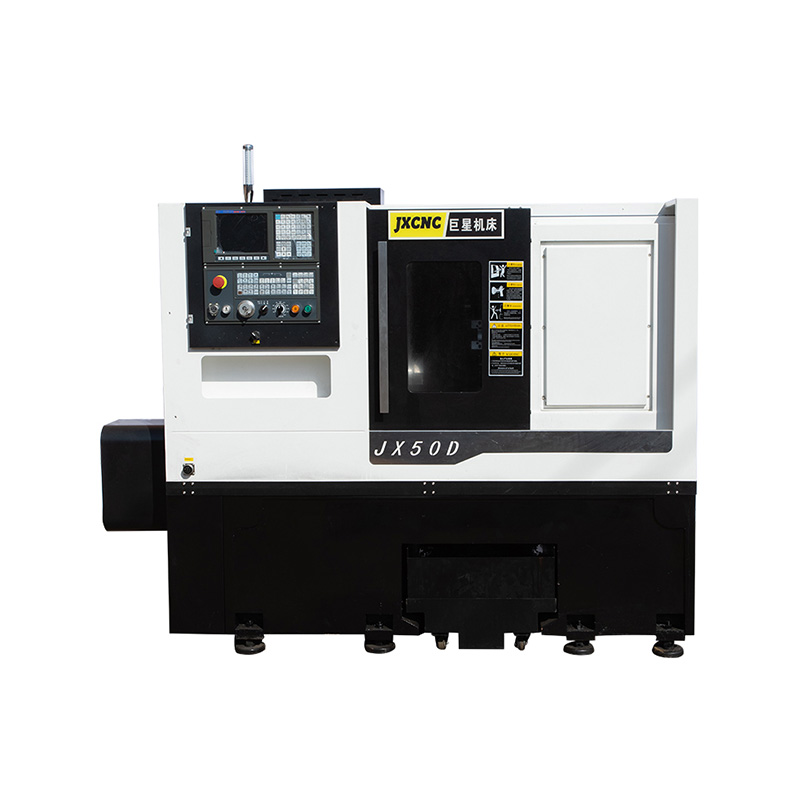
Introducing the JX50D CNC Machine Tools List from China's CNC machine tools manufacturer. Our machine tools are equipped with a servo hydraulic turret...
See DetailsTEL : +86-576-87491531
FAX : +86-576-87493038
E-MAIL : chinajuxing@aliyun.com
ADDRESS: Longxi Industrial Zone, Yuhuan City, Taizhou City, Zhejiang Province, China
CopyrightTaizhou Yestar Intelligent Equipment Co., Ltd. All Rights Reserved.