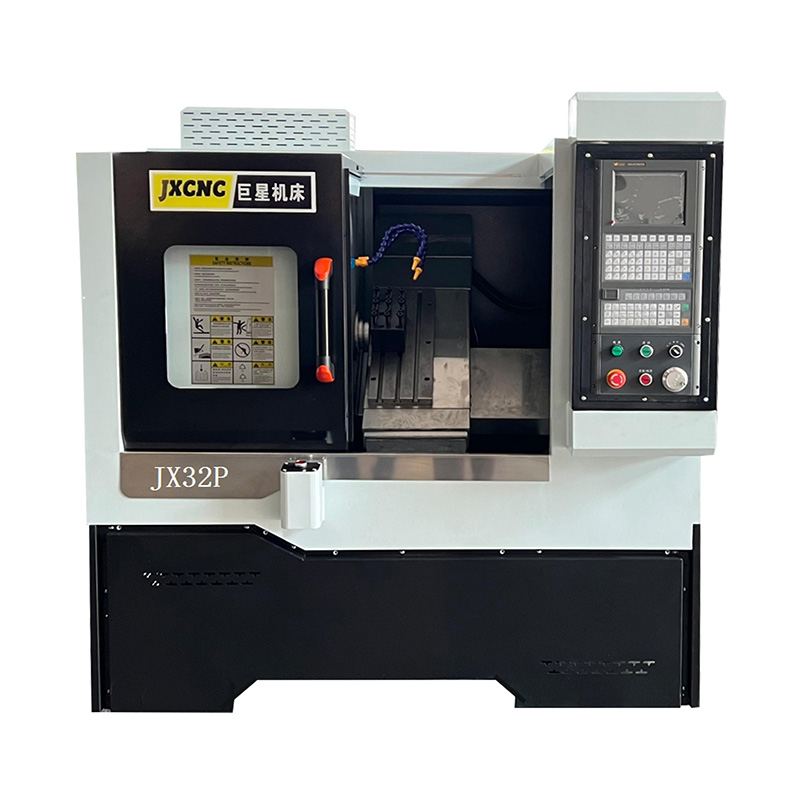
Origins of Milling Machines: The Beginning of Precision Machining
Milling machines appeared during the early stages of the Industrial Revolution, driven by the growing need for precision and efficiency in manufacturing. Prior to the advent of milling machines, manual tools such as lathes and drills were used for cutting and shaping materials, but these lacked the versatility required for mass production.
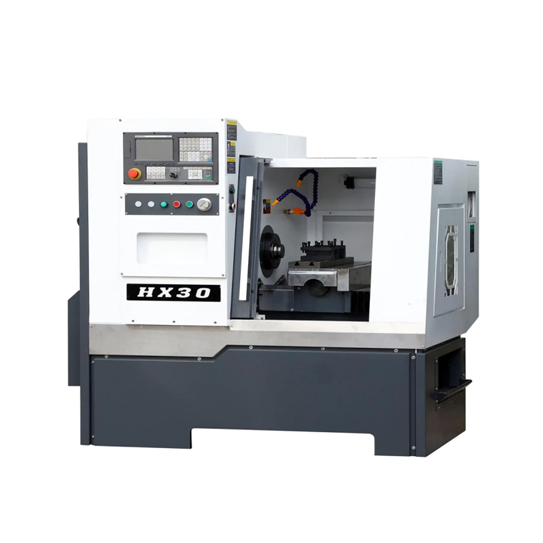
Early Developments: The concept of milling machines began to take shape in the late 18th and early 19th centuries. Eli Whitney, an American inventor, is often credited with the creation of the milling machine in the 1810s. Whitney's invention was aimed at improving the production of interchangeable parts for the U.S. government's firearm industry. His machine, which incorporated a rotating cutter and a feed mechanism to move the workpiece, marked a crucial turning point in industrial manufacturing.
Evolution of Design: The early milling machines were manually operated, and their functionality was relatively simple compared to modern models. They were used primarily for slotting, planing, and cutting flat surfaces. As industrialization progressed, so did the need for more advanced machining processes, and milling machines began to incorporate additional features such as adjustable feeds and cutting tools.
Technological Improvements: The Rise of CNC Milling Machines
By the mid-20th century, technological improvements began to radically transform the capabilities of milling machines. The development of computer numerical control (CNC) technology was perhaps the significant advancement during this period, allowing milling machines to be operated with greater precision and automation.
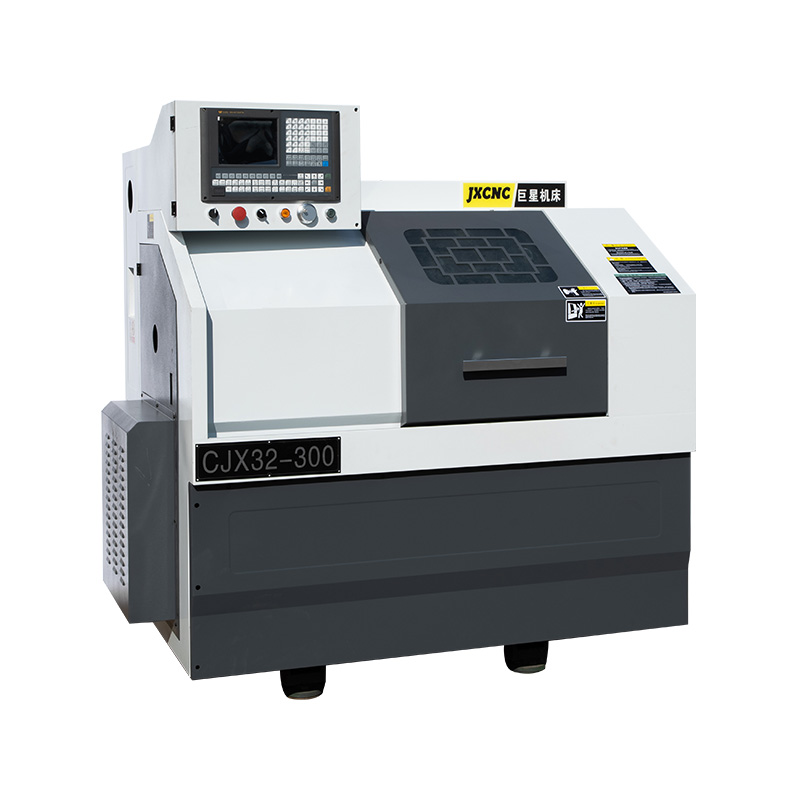
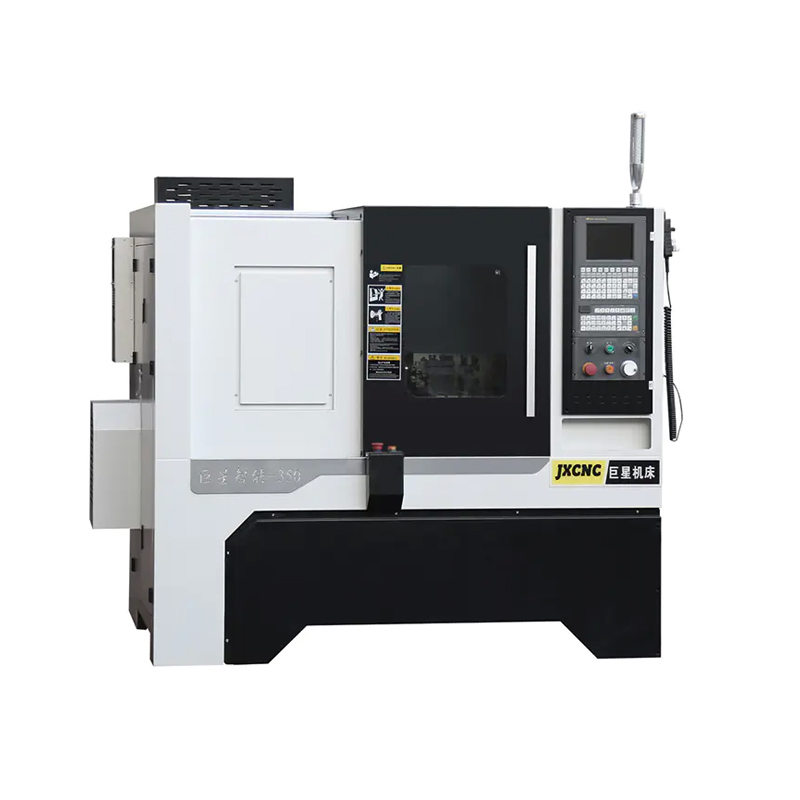
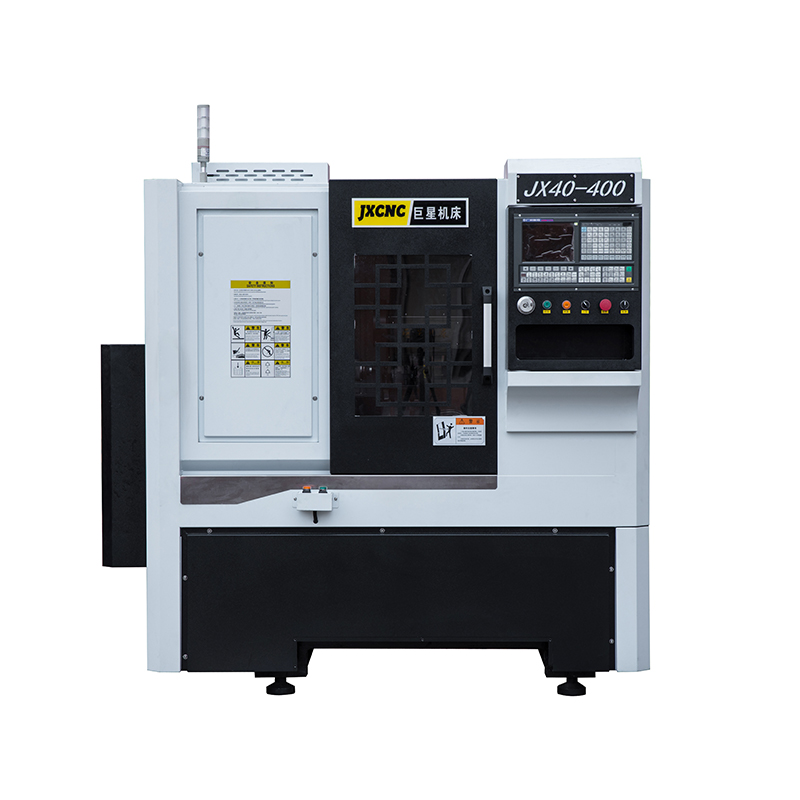
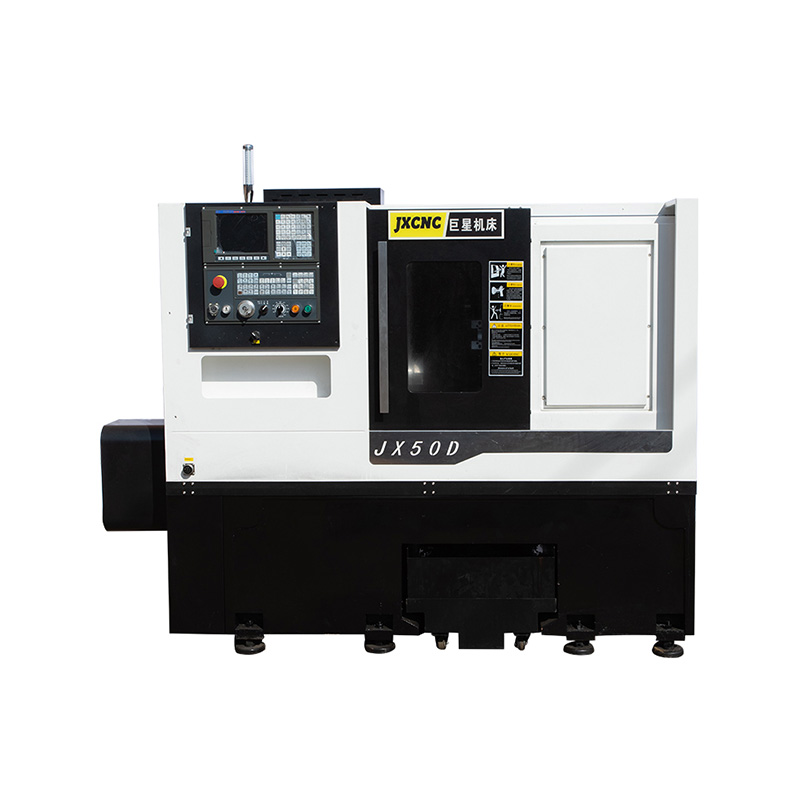
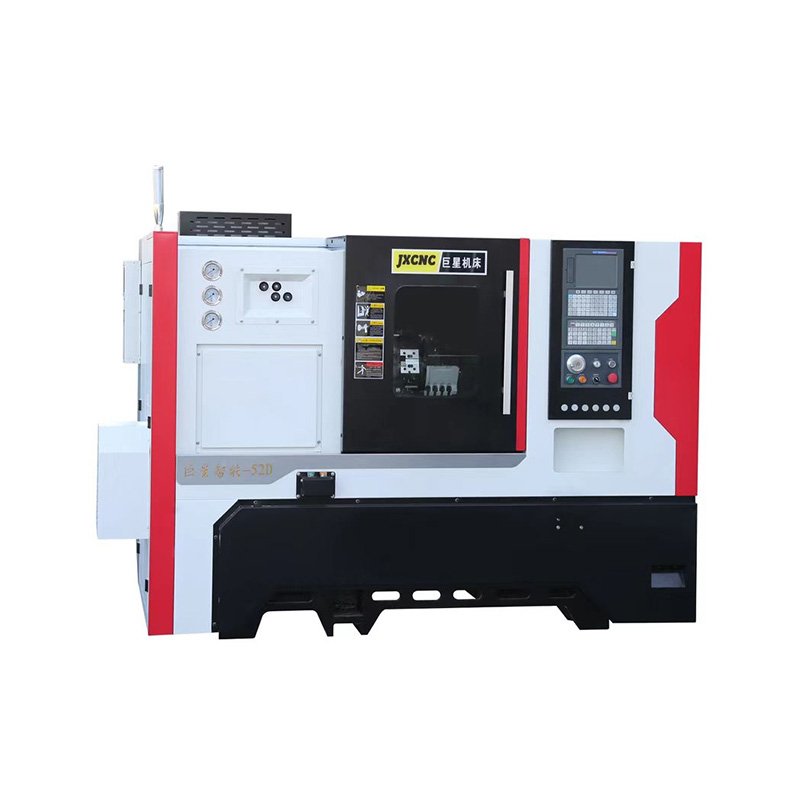
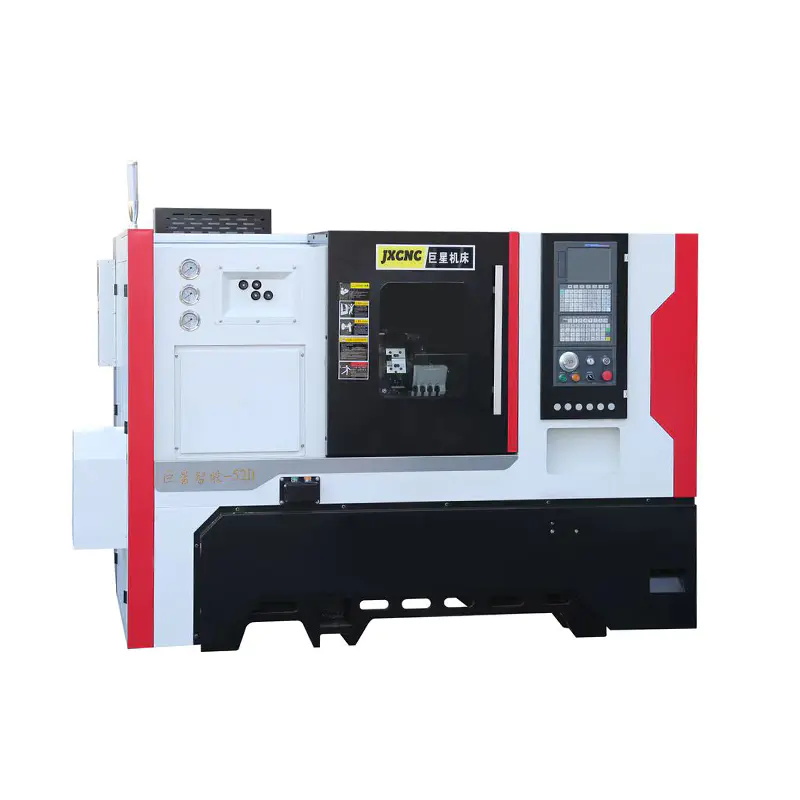
Introduction of CNC Technology: The 1950s and 1960s saw the introduction of CNC technology in milling machines. CNC machines use a computer to control the movement of the machine's tools, allowing for much more accurate and consistent operations than manual control. These machines could now follow complex, pre-programmed instructions that enabled faster production times and reduced human error. The ability to automate milling processes meant that manufacturers could produce high-quality components in large quantities with fewer labor costs.
Advancements in Materials and Speed: Alongside the introduction of CNC technology, improvements in materials and tool designs also played a key role in the evolution of milling machines. Harder materials such as high-speed steel and carbide allowed for more efficient cutting, and the development of faster motors and better precision equipment improved machine performance. These changes made CNC milling machines capable of working with tougher materials, which expanded their applications in industries such as aerospace, automotive, and medical device manufacturing.
Functional Advancements: Multi-Functionality and Complex Operations
As the demand for more intricate and precise parts grew, milling machines underwent functional advancements that enabled them to perform more complex operations. These innovations made milling machines more versatile and capable of producing a wider variety of components, making them indispensable in modern production processes.
- Vertical and Horizontal Milling Machines: Initially, milling machines were primarily horizontal, meaning the cutting tool rotated parallel to the surface of the workpiece. However, vertical milling machines were developed, allowing the cutting tool to move vertically along the workpiece. Vertical mills are now commonly used for operations that require precision on smaller parts, while horizontal mills are used for heavy-duty cutting.
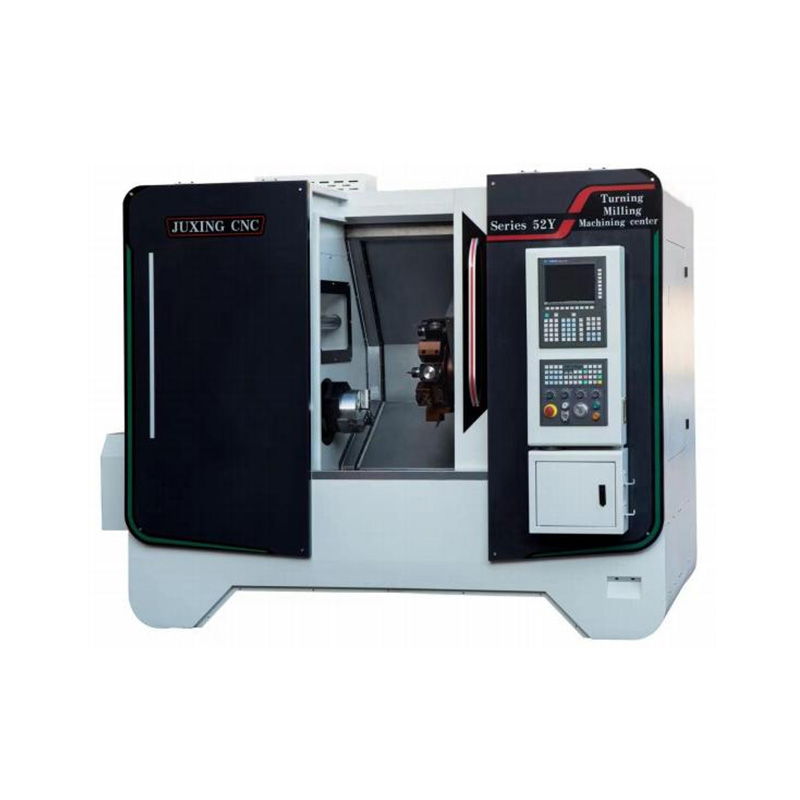
- Addition of 5-Axis Milling: One of the most notable functional advancements in milling machines has been the development of 5-axis milling. Traditional milling machines typically operate on 3 axes (X, Y, and Z), which means that the cutting tool can move along three directions. However, 5-axis machines allow for two additional axes of rotation, making them capable of cutting more complex geometries with increased precision. This feature is particularly valuable for industries that require highly detailed components, such as aerospace and medical manufacturing.
- Integration of Automation and Robotics: Modern milling machines often integrate automation and robotic systems, allowing for automated loading, unloading, and tool changing. This reduces the need for manual labor and increases the speed and efficiency of production. These machines are capable of operating for extended periods without human intervention, resulting in significant cost savings for manufacturers.
Impact on Industries: From Traditional to Modern Manufacturing
Milling machines have had a profound impact on the development of numerous industries, from automotive and aerospace to electronics and medical devices. The evolution of milling machines has enabled manufacturers to produce complex parts with high precision, which has, in turn, led to advancements in product design and performance.
- Precision Manufacturing: The development of CNC and 5-axis milling machines has significantly improved the accuracy of parts production. This is especially important in industries such as aerospace, where even the slightest deviation in a part can result in failure. Milling machines are now capable of producing components that require tight tolerances and high-quality finishes, ensuring that they meet the demanding standards of industries like aerospace, automotive, and medical technology.
- Efficiency in Mass Production: Milling machines have also played a crucial role in the rise of mass production. With the ability to automate repetitive tasks and reduce human involvement, milling machines have made it possible to produce large quantities of parts quickly and efficiently. This has been particularly beneficial in industries that require high-volume production, such as the automotive sector, where consistency and speed are crucial to meeting demand.
- Customization and Small-Batch Production: Although milling machines are widely associated with mass production, they have also made it easier for manufacturers to produce custom or small-batch components. The flexibility of CNC milling machines allows for quick changes in design and tool setup, making them ideal for producing custom parts for specialized applications. This has made milling machines a key technology for industries that rely on customized components, such as the medical and defense sectors.



 English
 中文简体
中文简体 русский