English
 中文简体
中文简体 русский
CF40 Automatic CNC Polygon Turning Machine Lathe
Cat:Small Polygon Lathe
The CF40 Automatic CNC Polygon Turning Machine Lathe is specifically designed for small to medium-sized, high-precision parts milling, enabling the ma...
See Details


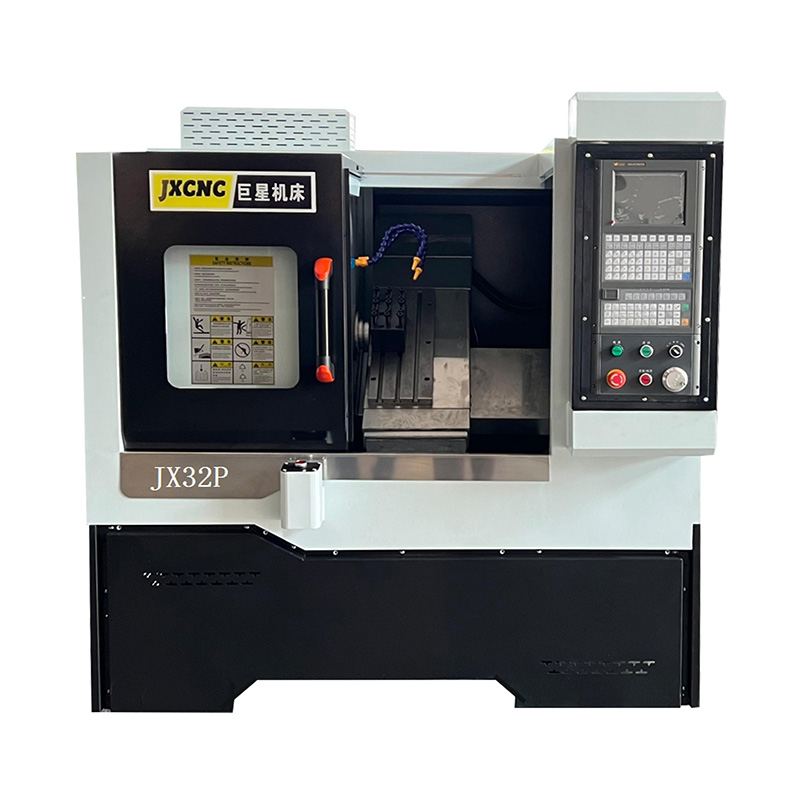
A CNC turning machine factory integrates several subsystems into a single unit.
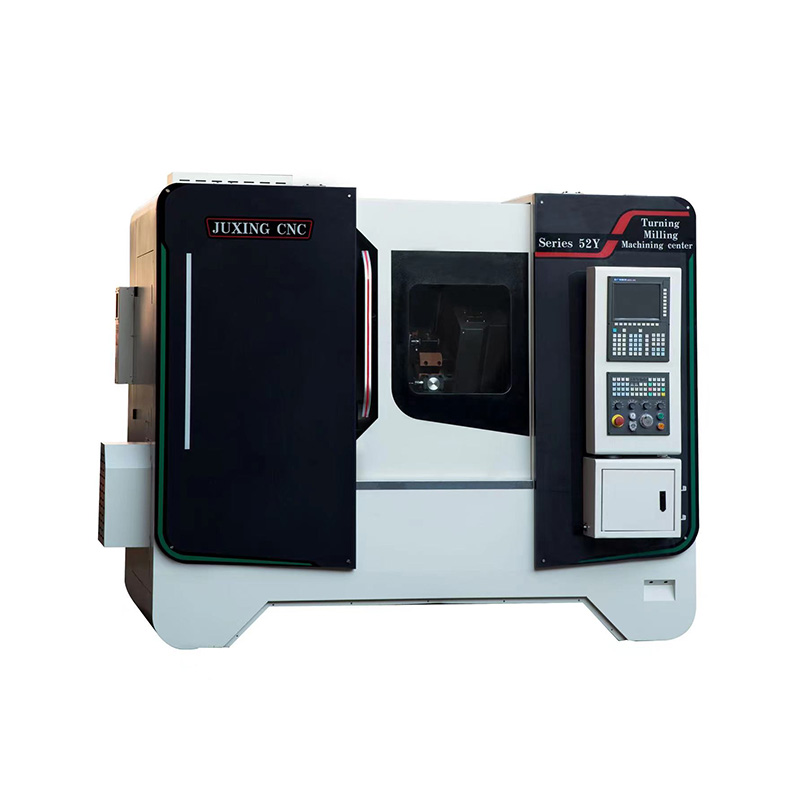
Machine Bed and Frame: This is the heavy, rigid cast iron or steel base that provides stability and absorbs vibration. It supports all other components.
Headstock and Spindle: The headstock houses the main spindle, which is a high-precision rotating shaft driven by an electric motor. The spindle holds the workpiece using a chuck, collet, or between centers, and provides the rotational power (RPM) for the cutting operation.
Tailstock: Located opposite the headstock, this movable unit provides support for the free end of long workpieces using a center point, preventing deflection during machining.
Tool Turret: This is an indexable carrier that holds multiple cutting tools (turning tools, drills, boring bars). It rotates to bring the required tool into the cutting position automatically, as programmed.
Carriage and Slides: The carriage is the assembly that moves the tool turret. It rides on hardened and ground linear slides or guideways, precisely positioned by ball screws. Motion is divided into axes: the X-axis controls radial movement (in/out), and the Z-axis controls longitudinal movement (left/right along the bed).
CNC Controller and Drive System: This is the computer and software that interprets the part program (G-code). It sends electronic signals to servo motors or stepper motors that drive the ball screws, controlling the precise position, speed, and feed of the tool turret and other machine functions.
Coolant System: A pump, tank, and nozzles deliver cutting fluid to the tool-workpiece interface to reduce heat, improve surface finish, and flush away metal chips.
Chip Management System: This includes a chip conveyor or pan to remove the continuous metal shavings (chips) produced during cutting, keeping the work area clear.
The development and dominance of CNC turning are driven by specific industrial needs for precision, repeatability, and efficiency in manufacturing rotational parts.
Precision and Complex Geometry Execution
CNC turning exists to produce parts with high dimensional accuracy and intricate features that are difficult or impossible to achieve consistently with manual lathes. The computer-controlled movement allows for the precise machining of complex contours, tapers, and threads, as well as the integration of milling and drilling operations via driven tools in the turret.
Automated, Repeatable Production
A primary purpose is to automate the machining cycle. Once a program is verified, the machine can run continuously, producing identical parts with minimal operator intervention. This ensures consistency across small or large batch sizes, reduces human error in measurement and tool movement, and allows for unattended operation during certain cycles.
Enhanced Productivity and Flexibility
Compared to manual machining, CNC turning significantly reduces the time required for part production by executing complex sequences of cuts rapidly and without pauses. The quick-change tool turret minimizes tool setup time between operations. Furthermore, the same machine can produce vastly different parts simply by loading a new program and tooling, providing manufacturing flexibility without requiring dedicated machinery for each part design.
Operating a CNC lathe involves technical challenges that can affect part quality, tool life, and machine productivity.
Chatter and Vibration: This is an unstable, oscillating condition between the tool and workpiece, causing poor surface finish, dimensional inaccuracy, and accelerated tool wear. It is often caused by insufficient rigidity in the workpiece setup, tool overhang, or inappropriate cutting parameters (speed, feed, depth of cut). Correcting chatter requires adjusting these parameters, improving workpiece support, or using specialized tool holders with damping features.
Tool Wear and Breakage: Cutting tools degrade due to mechanical abrasion, high temperature, and chemical reactions at the cutting edge. Monitoring and managing tool wear is a constant process issue. Unexpected tool breakage can bring about scrapped parts and machine downtime. This requires selecting appropriate tool materials (carbide, ceramic) and geometries, applying correct coolant strategies, and implementing tool life management systems in the CNC to prompt changes.
Chip Control: The formation of long, stringy chips poses a significant problem. These chips can wrap around the workpiece or tool, scratch finished surfaces, interfere with cutting, and create hazards. Process issues involve selecting inserts with chip-breaking geometries and optimizing feeds and speeds to produce short, manageable chips that are easily evacuated by the coolant.
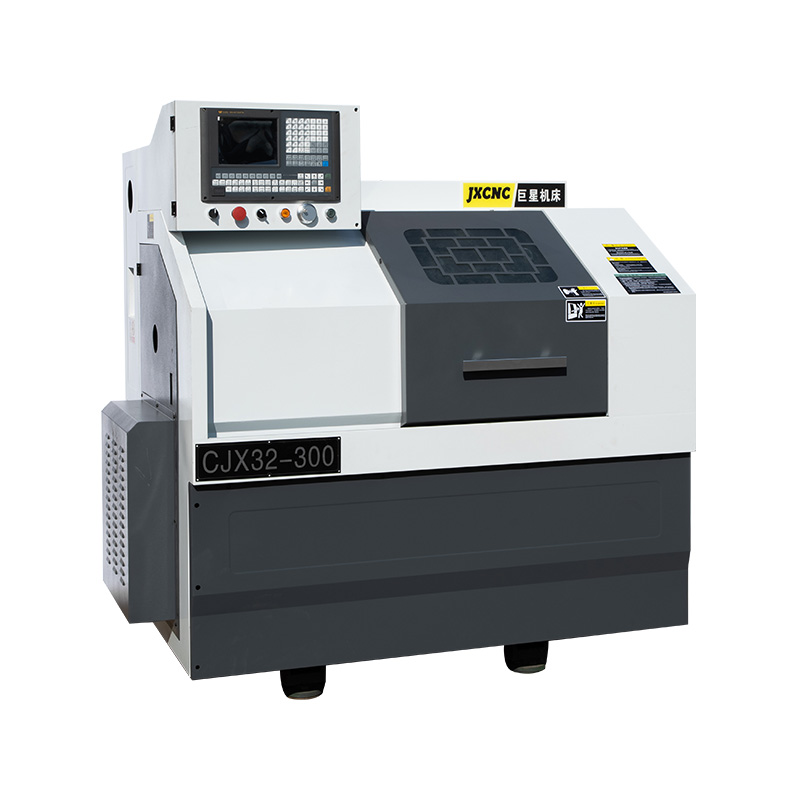
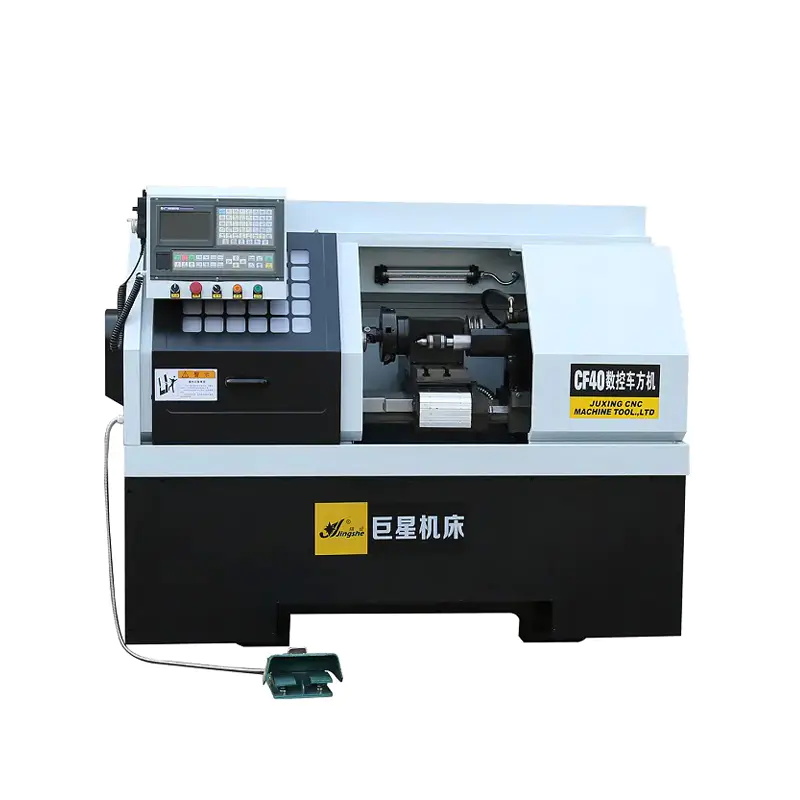
The CF40 Automatic CNC Polygon Turning Machine Lathe is specifically designed for small to medium-sized, high-precision parts milling, enabling the ma...
See Details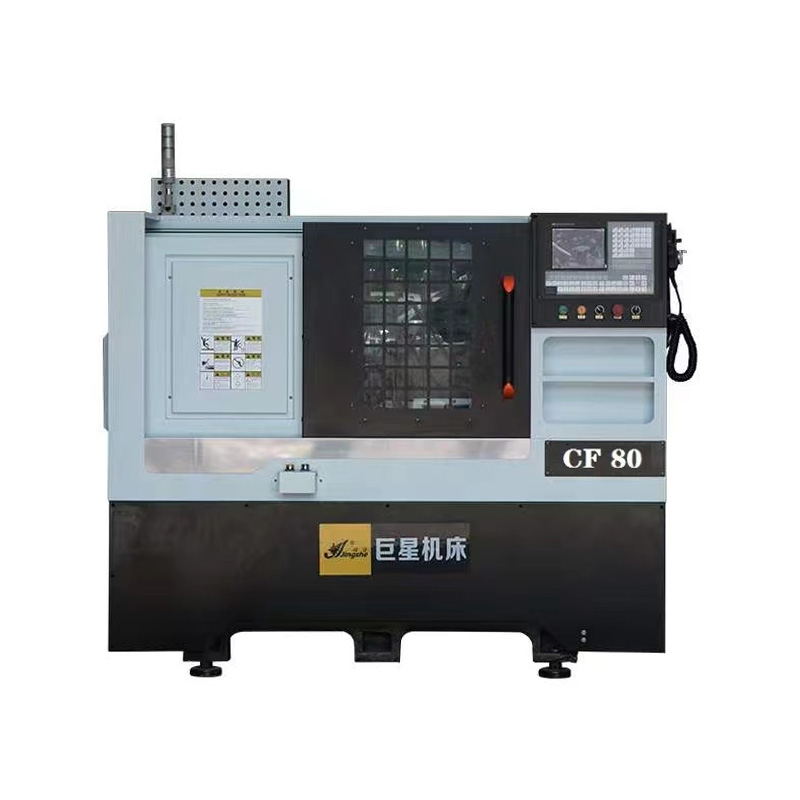
Introducing the CF80 Auto Polygon Lathe Hexagonal Tailstock Lathe Machine. This machine is specifically designed for the production of medium and smal...
See Details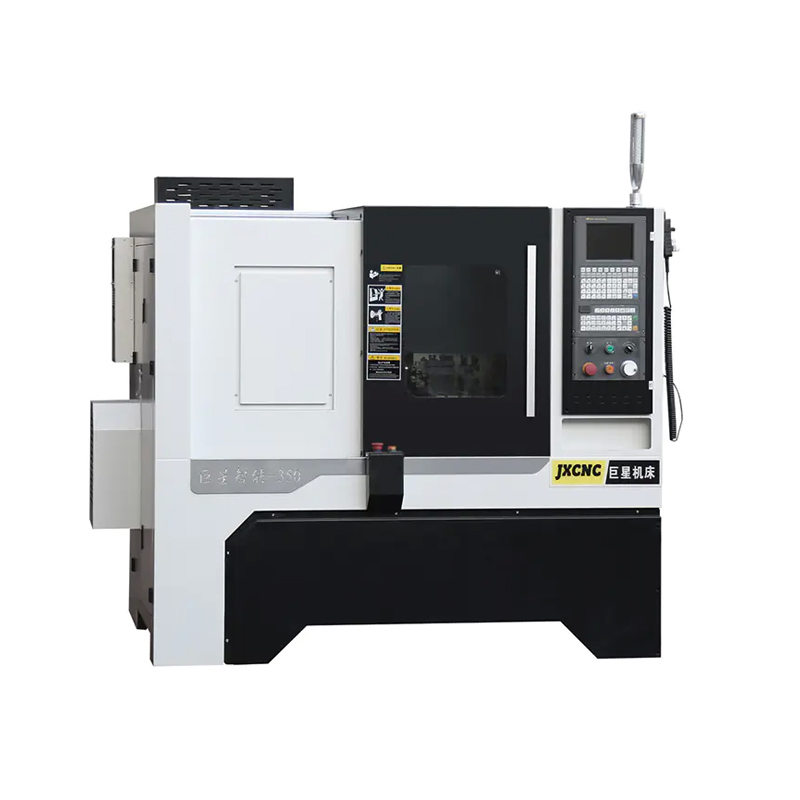
The JX350 Gang Type CNC Lathe for Cutting Tool with Rapid Tool Changing is designed to deliver high precision and efficiency in cutting tool operation...
See Details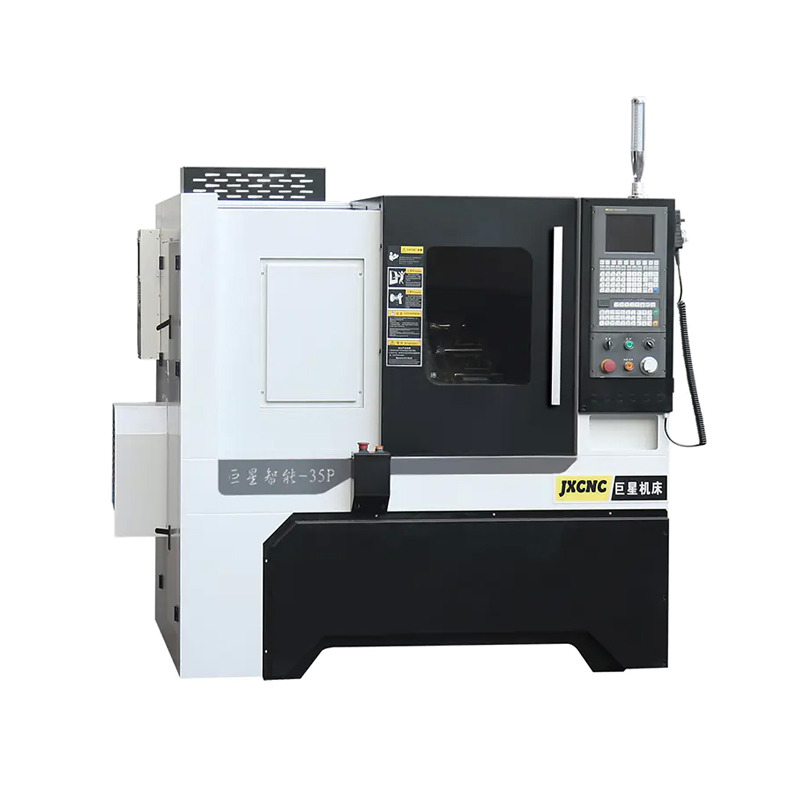
The JX35P CNC Hiwin Linear Guide Machine with High Precision is a reliable and robust solution for various machining applications. With its horizontal...
See Details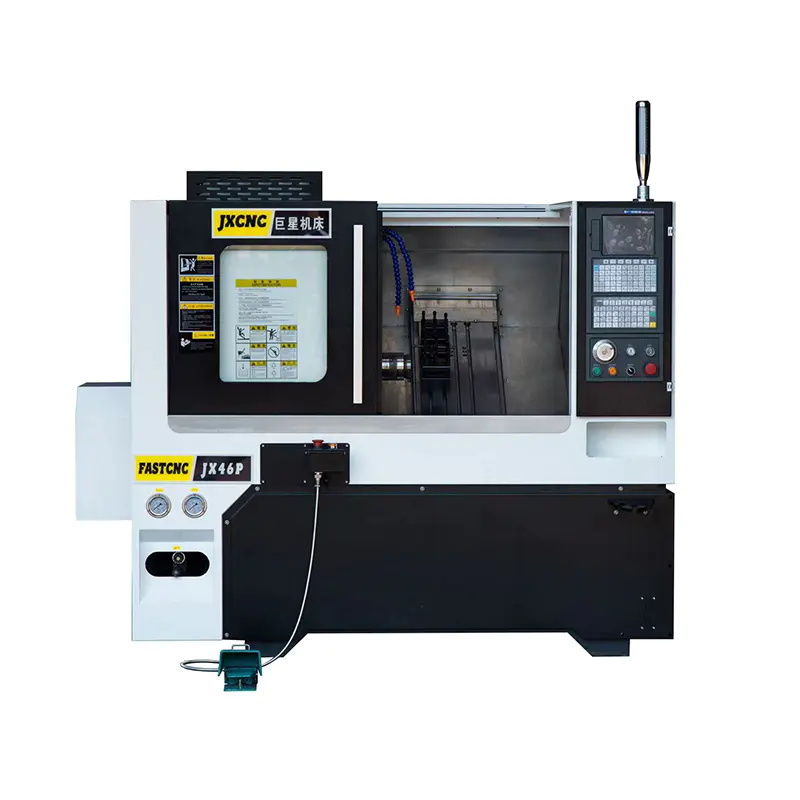
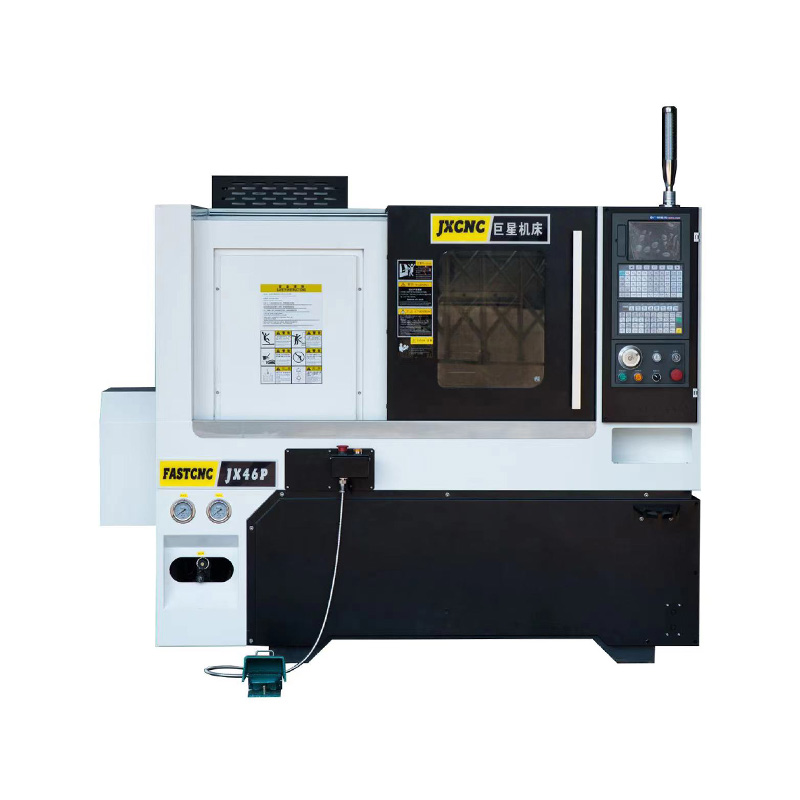
The JX46P Slant Bed CNC Lathe Machine of Cast Iron Machine Base is a high-performance machine tool designed for various machining operations. With its...
See Details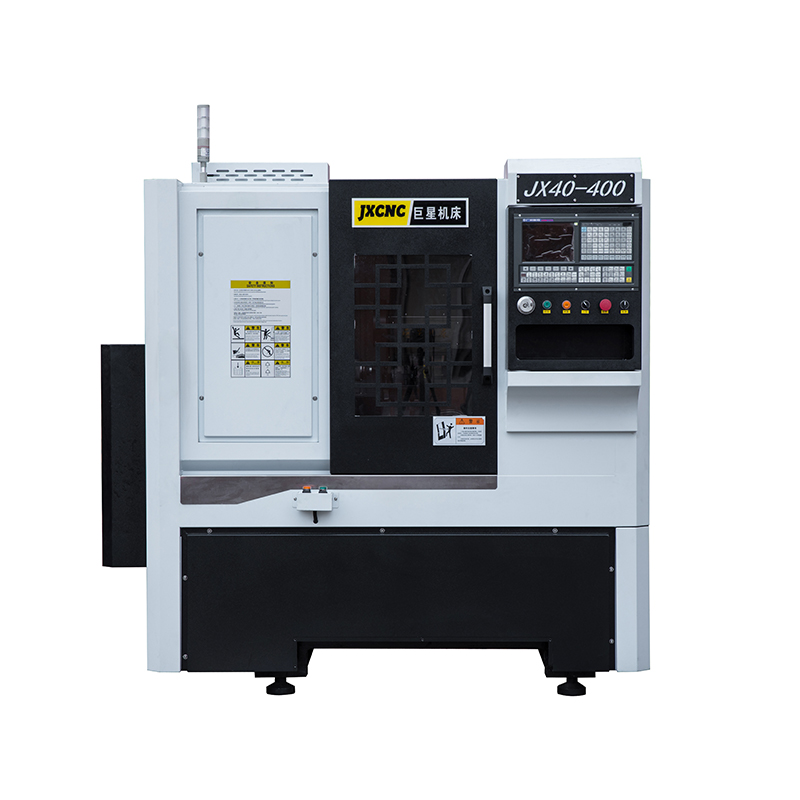
The JX40-400 Factory High Speed Precision CNC Lathes are designed to provide exceptional efficiency and accuracy in machining processes. With the abil...
See Details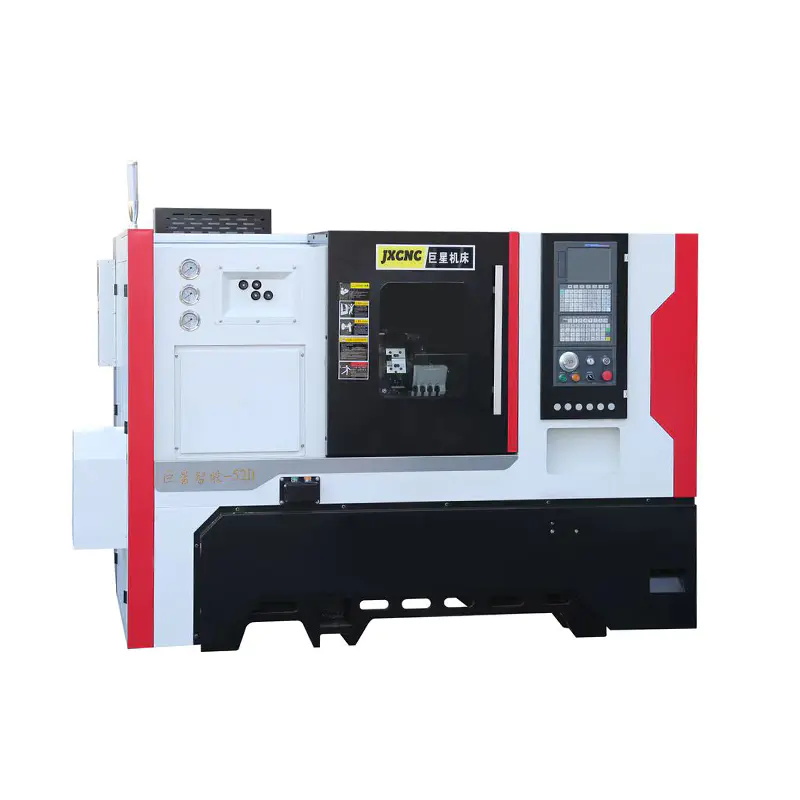
The JX52D Machine Tool CNC Lathe is specifically designed for lathe every kinds of material with precision and efficiency. It is equipped with advance...
See DetailsTEL : +86-576-87491531
FAX : +86-576-87493038
E-MAIL : chinajuxing@aliyun.com
ADDRESS: Longxi Industrial Zone, Yuhuan City, Taizhou City, Zhejiang Province, China
CopyrightTaizhou Yestar Intelligent Equipment Co., Ltd. All Rights Reserved.