English
 中文简体
中文简体 русский
HX30 Mandrel Bar Feeder Cheap CNC Lathe
Cat:Flat Bed with Gang Tool Type Machine
A notable feature of the HX30 Mandrel Bar Feeder Cheap CNC Lathe is its efficient and reliable mandrel bar feeder. The mandrel serves as a support for...
See Details


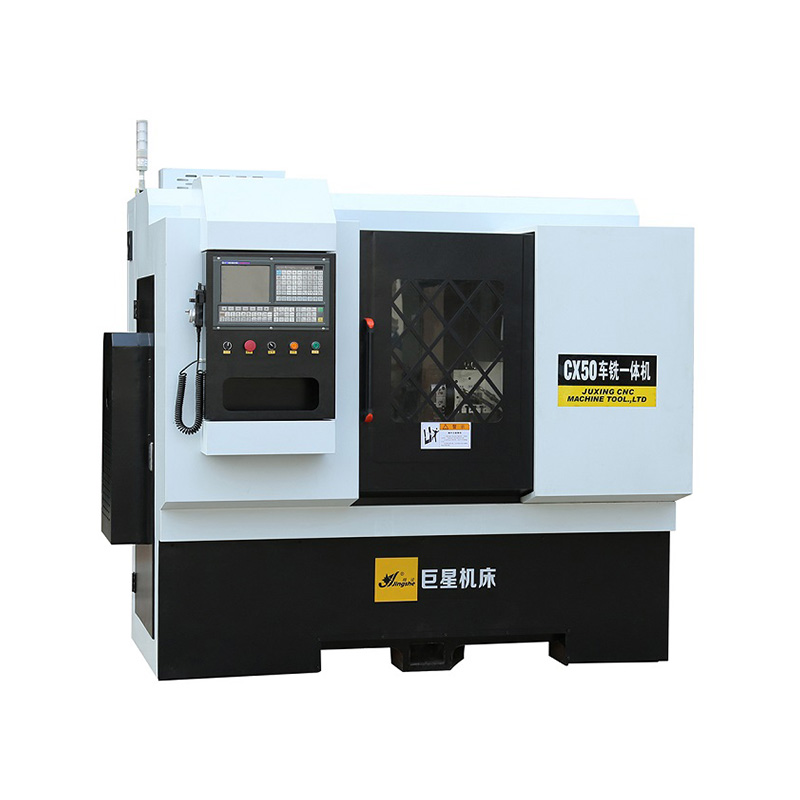
The conventional CNC Lathe Machining Factory is one of the common types of CNC machines used in manufacturing. This type of machine is primarily used for turning operations, where the material is held in a rotating chuck, and a cutting tool is fed into the material to remove excess material and form the desired shape.
Design and Operation: The conventional CNC lathe machine consists of a rotating spindle that holds the workpiece in place, and a cutting tool that moves along different axes (typically X, Y, and Z). The cutting tool removes material from the rotating workpiece to shape it into the required dimensions. The movement of the cutting tool and the workpiece is controlled by a CNC system, which interprets programmed instructions to create the desired part.
Applications: Conventional CNC lathes are versatile and can be used for a wide range of turning operations such as facing, drilling, boring, and threading. These lathes are commonly used in industries such as automotive, metalworking, and manufacturing of mechanical parts. They are ideal for producing simple cylindrical shapes, as well as more complex parts with concentric holes, grooves, and threads.
Advantages: The conventional CNC lathe is known for its reliability and efficiency in producing medium to high volumes of parts. The technology has been in use for decades and is well understood by machinists. Additionally, these lathes are suitable for parts of various sizes and materials, making them highly adaptable to different production needs.
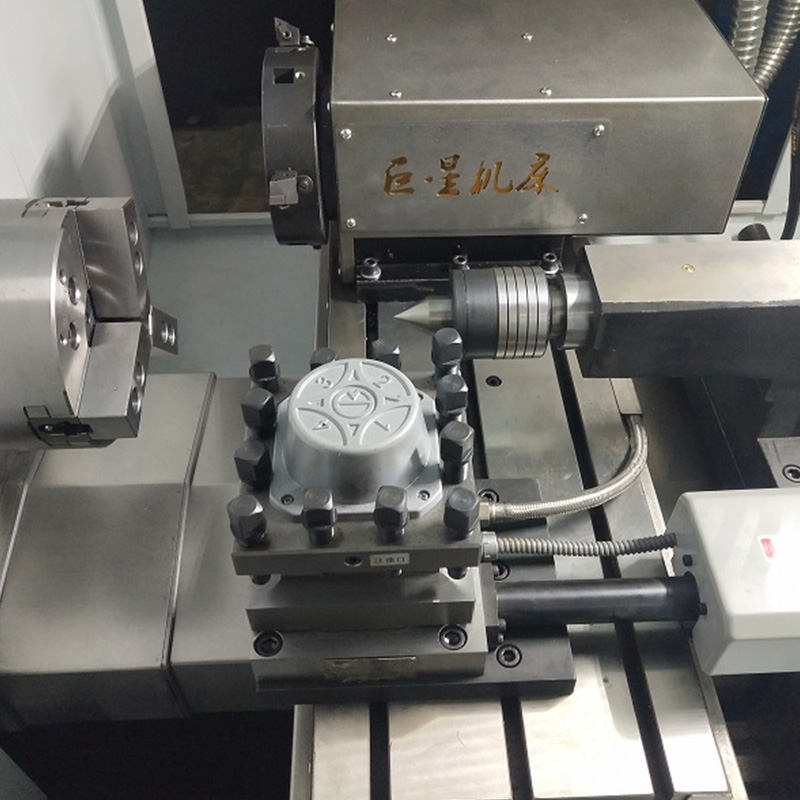
The CNC milling lathe, often referred to as a turning center or lathe-milling hybrid, is a more advanced variation of the conventional CNC lathe. While traditional CNC lathes focus primarily on turning operations, CNC milling lathes combine both turning and milling capabilities, enabling more complex machining processes.
Design and Operation: A CNC milling lathe typically has a combination of rotary and linear movements. The workpiece is held on a rotating chuck, and in addition to the turning tools, a rotating spindle with milling cutters is used. This allows for both turning and milling operations to be carried out in a single setup. As a result, these machines can perform tasks such as drilling, tapping, and slotting, which are typically associated with milling machines.
Applications: CNC milling lathes are suitable for more complex parts that require multiple machining operations. They are commonly used in industries where parts have intricate features, such as aerospace, automotive, and medical device manufacturing. These lathes are often employed to machine parts that need to be both turned and milled, reducing the need for multiple setups and increasing overall efficiency.
Advantages: The main advantage of a CNC milling lathe is its ability to perform both turning and milling operations in one machine, significantly reducing the need for manual intervention and multiple setups. This can faster production times and increased accuracy. Additionally, these lathes are capable of producing highly complex parts with greater precision, making them ideal for industries that require high-quality components.
The CNC Swiss lathe is a specialized type of lathe used primarily for precision machining of small, complex parts. It is often preferred for manufacturing high-precision components that require tight tolerances and fine details.
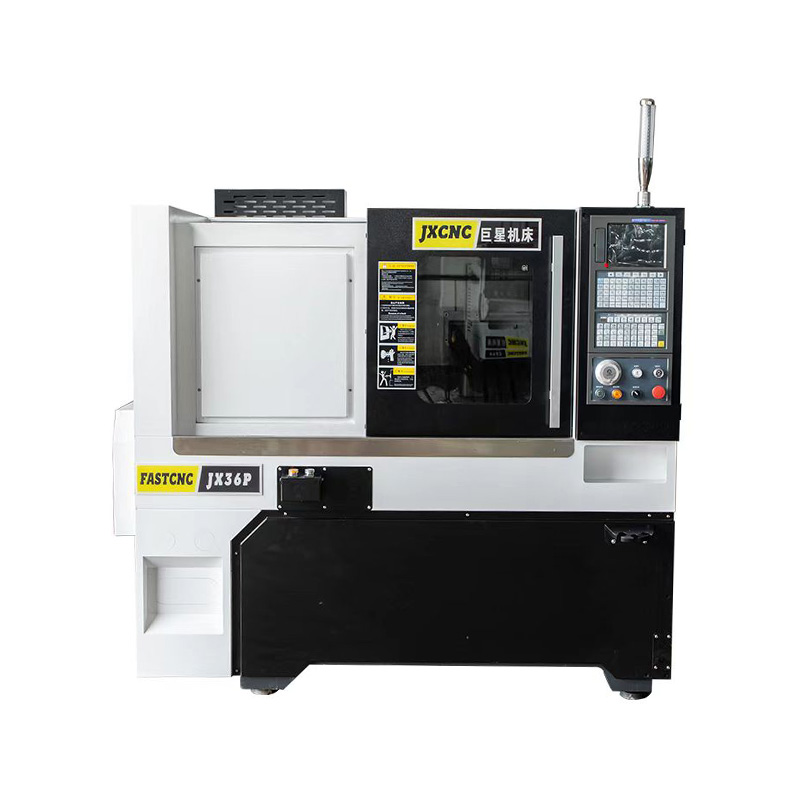
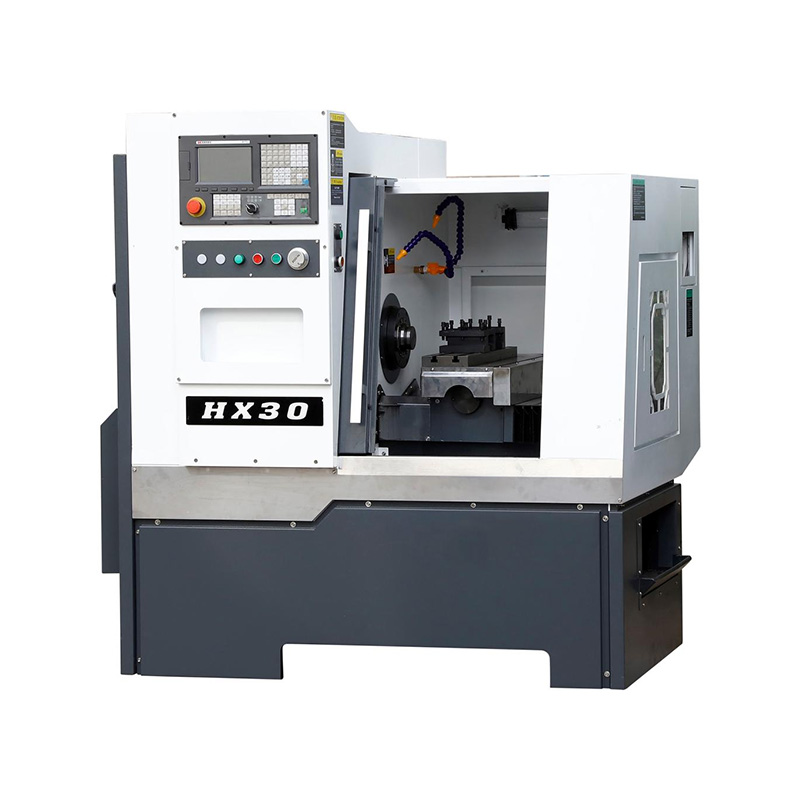
A notable feature of the HX30 Mandrel Bar Feeder Cheap CNC Lathe is its efficient and reliable mandrel bar feeder. The mandrel serves as a support for...
See Details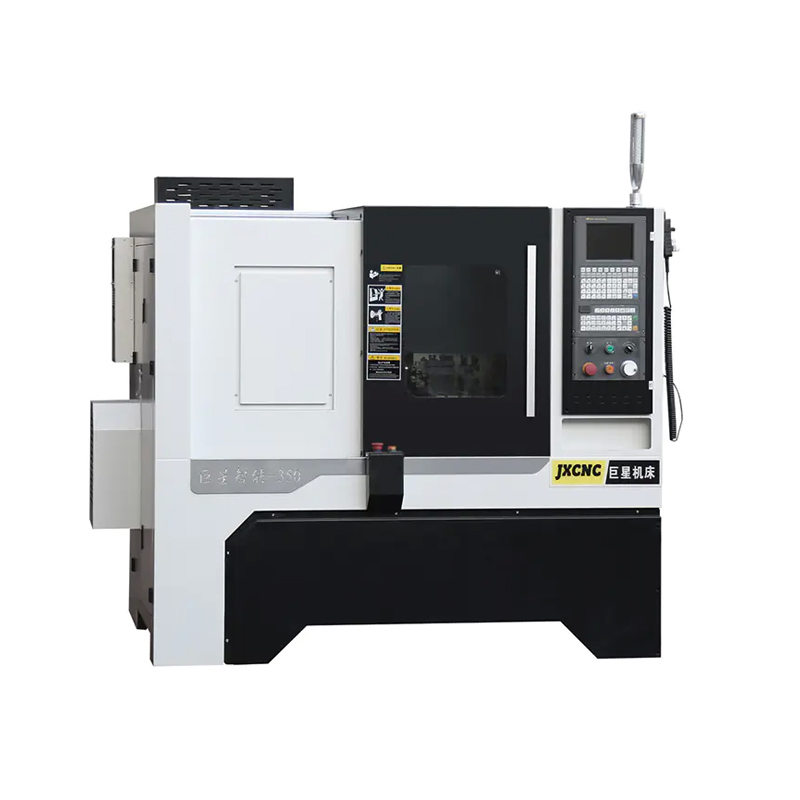
The JX350 Gang Type CNC Lathe for Cutting Tool with Rapid Tool Changing is designed to deliver high precision and efficiency in cutting tool operation...
See Details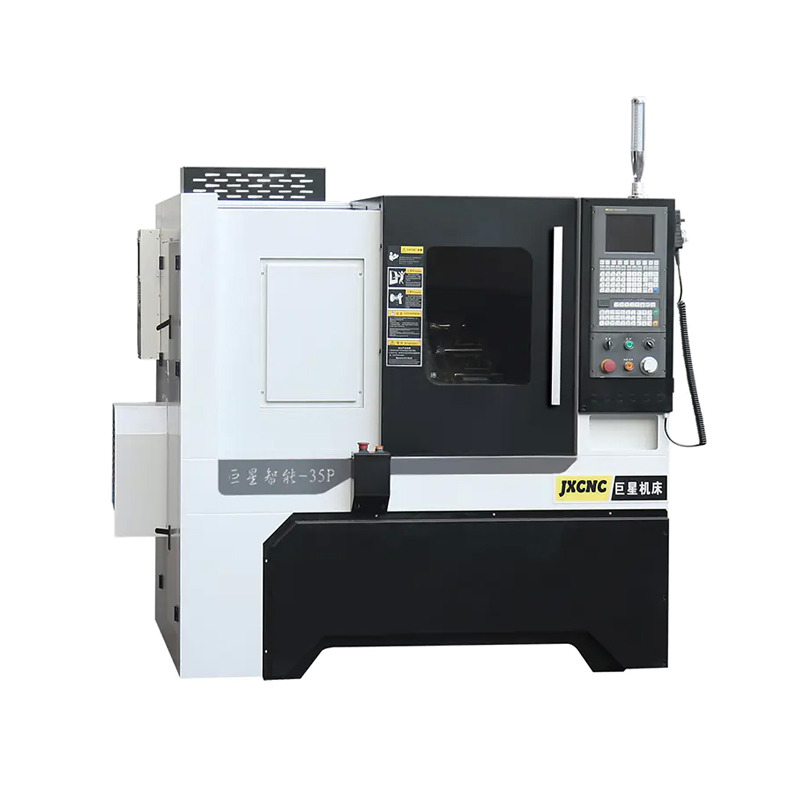
The JX35P CNC Hiwin Linear Guide Machine with High Precision is a reliable and robust solution for various machining applications. With its horizontal...
See Details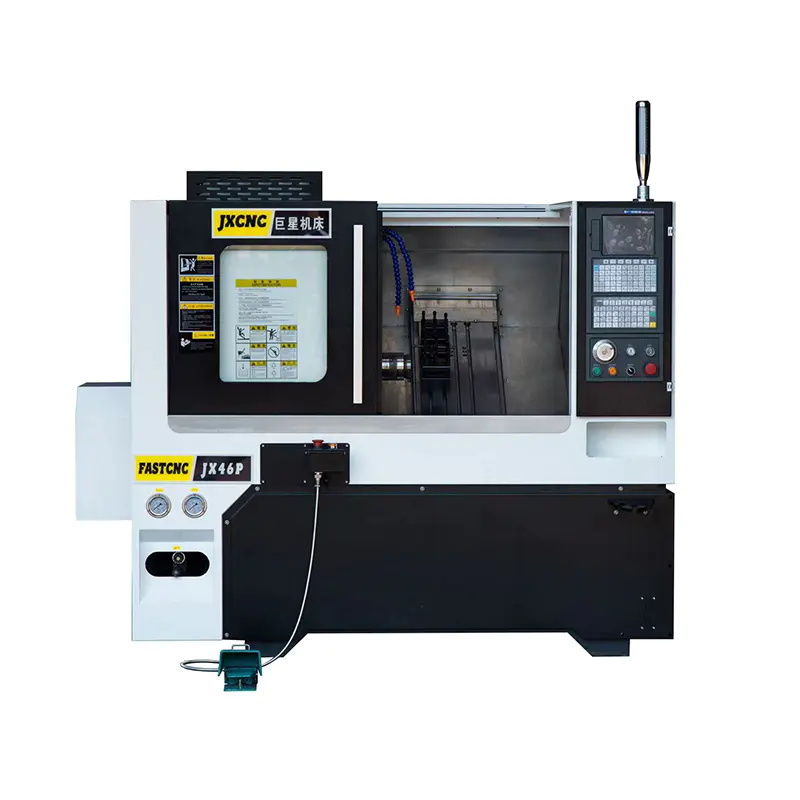
The JX46P Slant Bed CNC Lathe Machine of Cast Iron Machine Base is a high-performance machine tool designed for various machining operations. With its...
See Details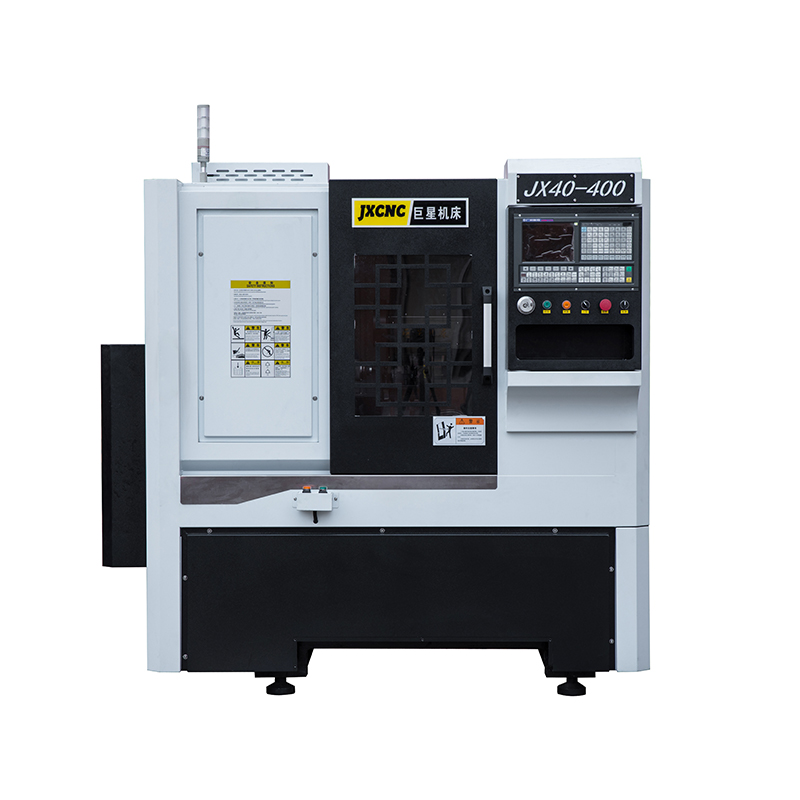
The JX40-400 Factory High Speed Precision CNC Lathes are designed to provide exceptional efficiency and accuracy in machining processes. With the abil...
See Details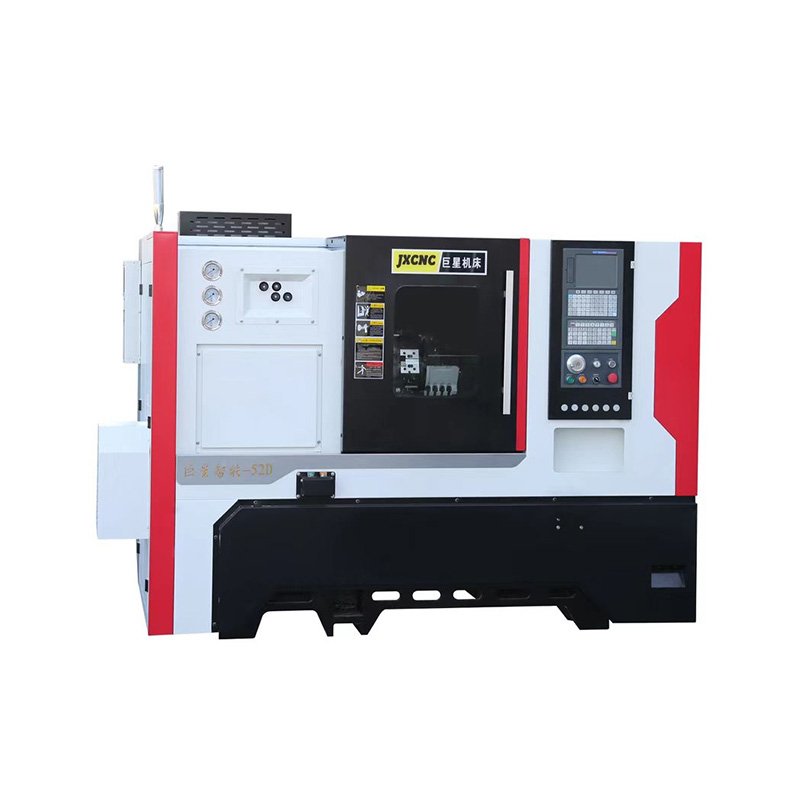
As a trusted machine tool equipment supplier in China, we prioritize customer satisfaction and strive to provide the solutions and support. Our JX52D ...
See Details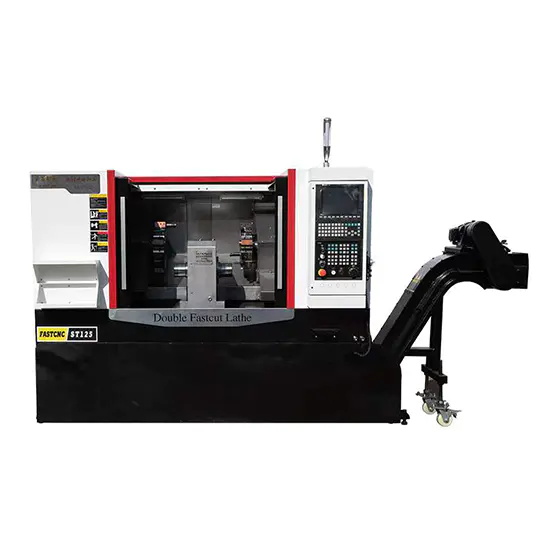
The JX125 Double Head CNC Machine is a cutting-edge machine tool that utilizes a central spindle, two Z-axes, two X-axes, and bidirectional drag plate...
See Details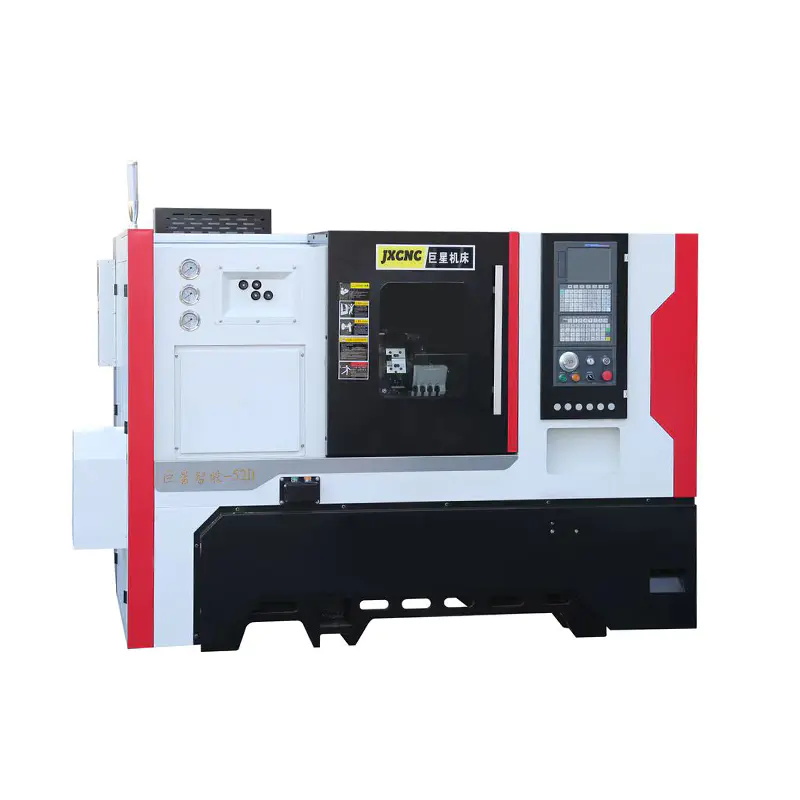
The JX52D Machine Tool CNC Lathe is specifically designed for lathe every kinds of material with precision and efficiency. It is equipped with advance...
See DetailsTEL : +86-576-87491531
FAX : +86-576-87493038
E-MAIL : chinajuxing@aliyun.com
ADDRESS: Longxi Industrial Zone, Yuhuan City, Taizhou City, Zhejiang Province, China
CopyrightTaizhou Yestar Intelligent Equipment Co., Ltd. All Rights Reserved.