English
 中文简体
中文简体 русский
CF32 Hydraulic Clamping CNC Polygon Turning Machine
Cat:Small Polygon Lathe
CF32 hydraulic clamping CNC polygon lathe is designed for milling small and medium-sized high-precision parts, which can mill square, octagonal, hexag...
See Details


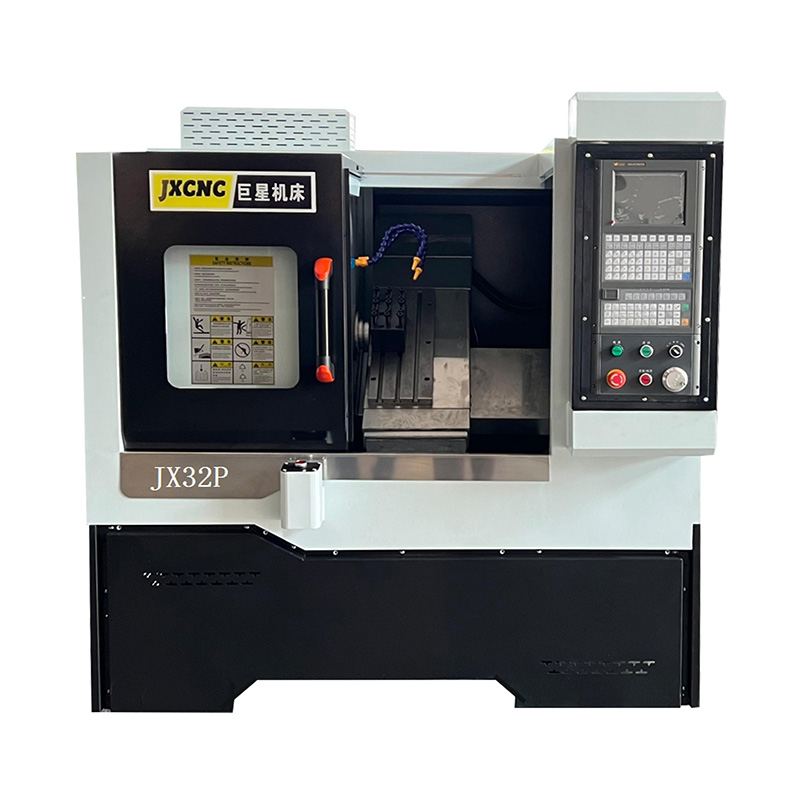
The structure of a CNC lathe factory is designed to support precision machining and reliable operation. Key components include the bed, which provides a stable base; the headstock, which houses the spindle and drives the rotation of the workpiece; and the tailstock, which can support long workpieces when needed. The tool turret or tool post allows multiple cutting tools to be mounted and automatically changed during operations, improving efficiency and versatility.
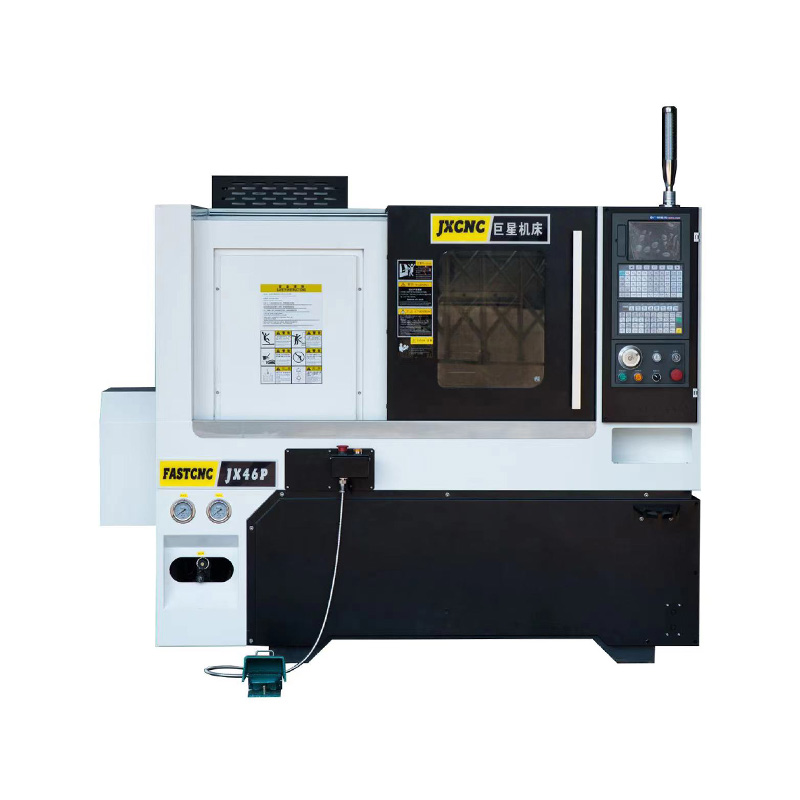
CNC lathes also include a control panel or computer interface, which allows the operator to input programs and adjust machining parameters. Modern CNC lathes may include additional features such as automated chip removal, coolant delivery systems, and safety enclosures to ensure smooth and reliable operation. The combination of mechanical components and computer control enables CNC lathes to maintain precision even during extended operations.
The operation of a CNC lathe relies on computer numerical control (CNC) technology. The machine follows a pre-programmed set of instructions in the form of G-code or similar coding language, which dictates the movement of the cutting tool and spindle speed. During turning operations, the workpiece rotates continuously while the tool moves along the longitudinal (X-axis) or radial (Z-axis) directions to shape the material.
CNC lathes can perform a variety of operations, including facing, threading, grooving, drilling, and cutting complex contours. The precise control of tool paths and feed rates ensures that each workpiece meets exact dimensional specifications. Automation reduces the likelihood of human error, and the machine can perform repetitive tasks consistently over long production runs.
CNC lathes are used in multiple industries where precision and consistency are required. In the automotive sector, they produce engine components, drive shafts, and other rotational parts with exact tolerances. In aerospace manufacturing, CNC lathes create critical components such as turbine shafts and landing gear parts, where accuracy is essential for safety and performance.
CNC lathes are also widely used in industrial machinery production, making spindles, rollers, and tool components for various mechanical systems. Additionally, they are used in prototype and custom manufacturing, allowing designers to produce specialized parts without the need for extensive manual machining. Their ability to work with a range of materials, including metals, plastics, and composites, adds to their versatility.
CNC lathes offer several operational advantages compared to manual lathes. One key advantage is precision and repeatability. Once a program is created, the lathe can produce identical parts with tight tolerances, which is crucial for high-volume or safety-critical manufacturing.
CNC lathes can operate continuously with minimal supervision, reducing production time and labor costs. The ability to automate tool changes and adjust machining parameters also increases overall productivity.
CNC lathes provide flexibility in production. Different programs can be loaded to create various parts without requiring new machines or significant retooling. This makes CNC lathes suitable for both mass production and small-scale custom work.
Finally, CNC lathes reduce material waste and minimize errors. The computer-controlled process ensures accurate material removal, reducing scrap and improving cost-effectiveness. Proper maintenance and calibration further ensure the machine maintains long-term performance.
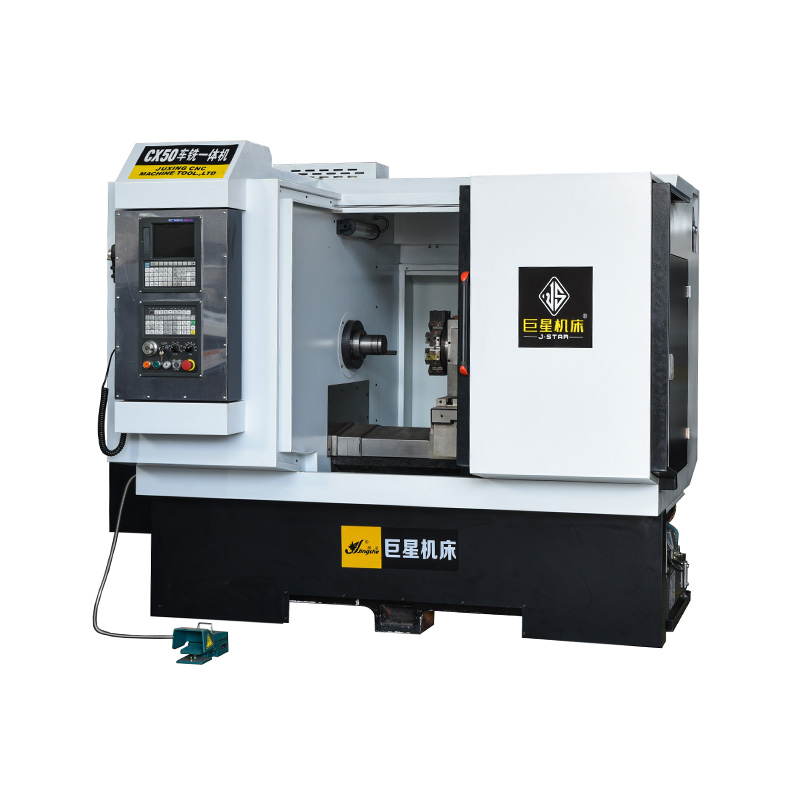
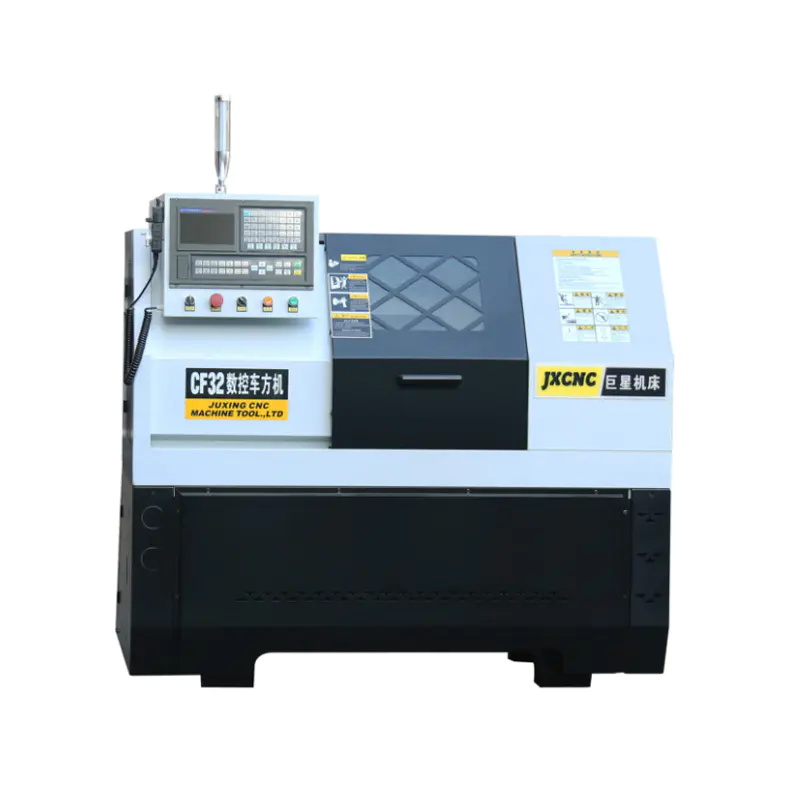
CF32 hydraulic clamping CNC polygon lathe is designed for milling small and medium-sized high-precision parts, which can mill square, octagonal, hexag...
See Details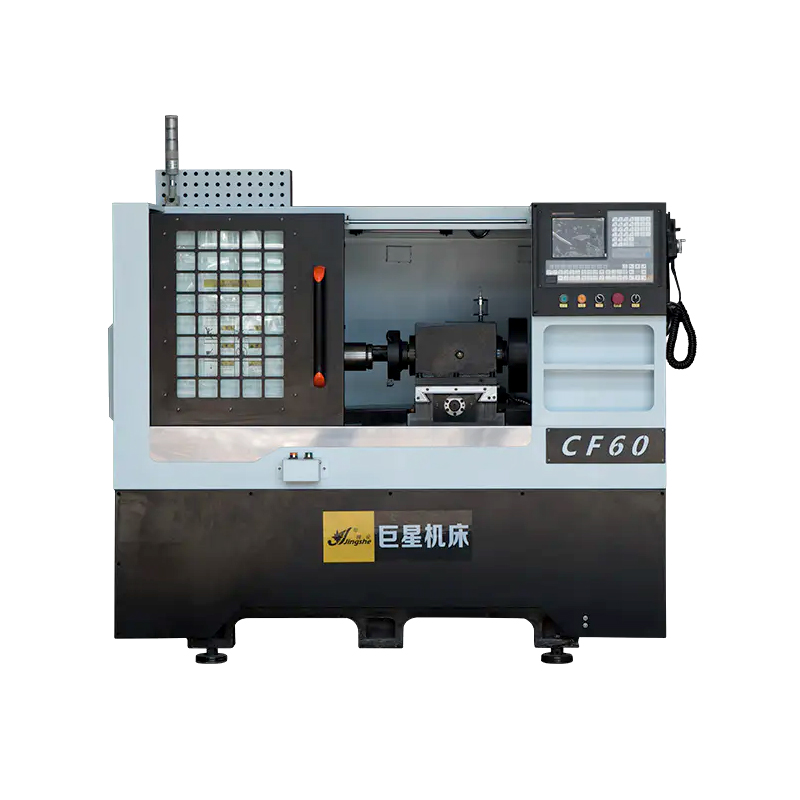
The CF60 CNC Polygon Lathe is a highly efficient and versatile machine tool designed for small to medium-sized precision parts milling. It is capable ...
See Details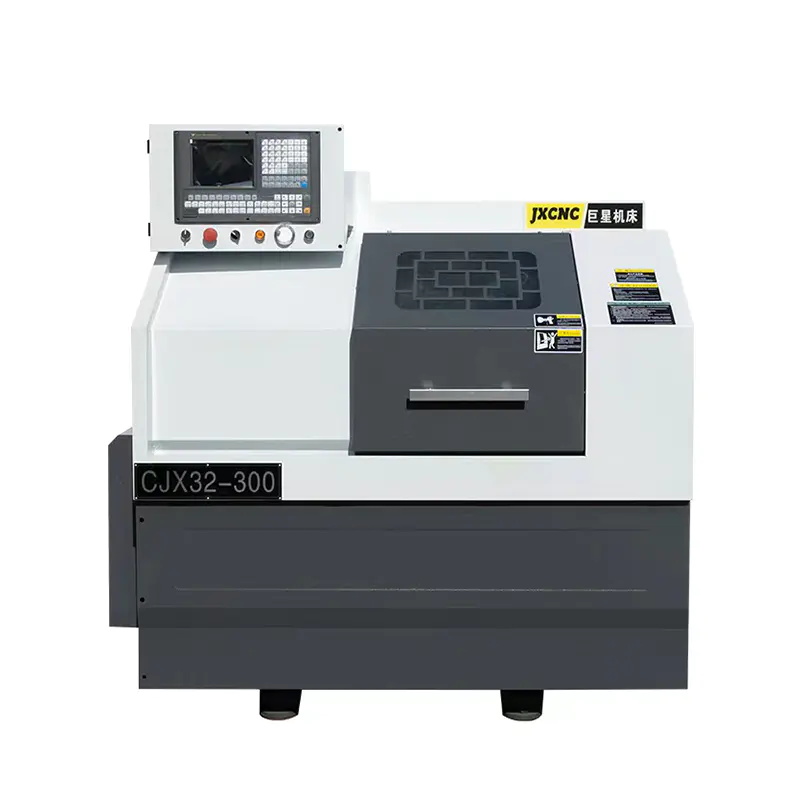
The JX32-300 Mini Economical CNC Lathe Machine is designed to provide high precision and efficient machining for a wide range of metal products. With ...
See Details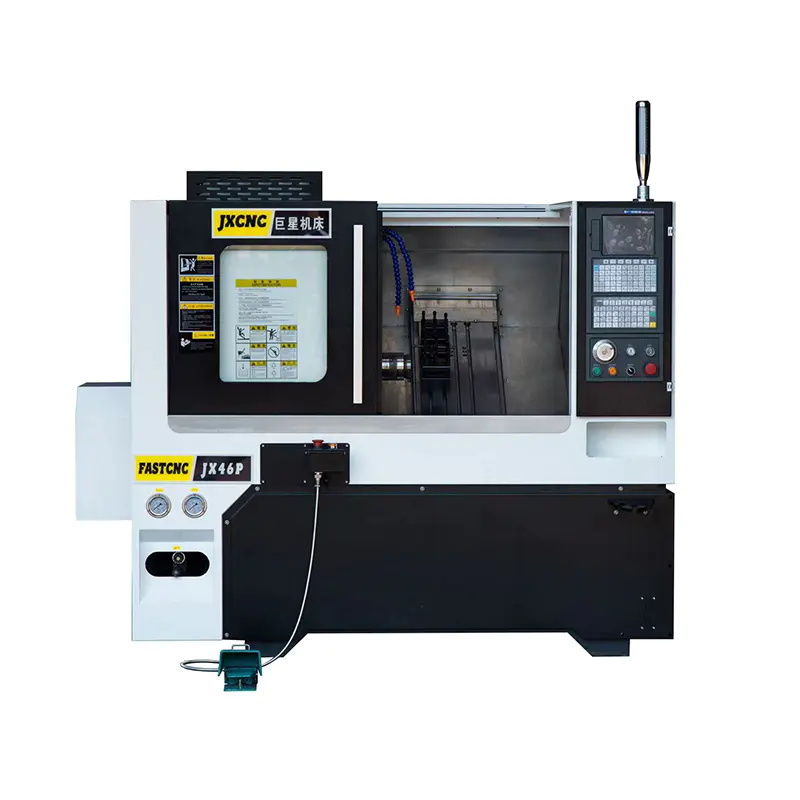
The JX46P Slant Bed CNC Lathe Machine of Cast Iron Machine Base is a high-performance machine tool designed for various machining operations. With its...
See Details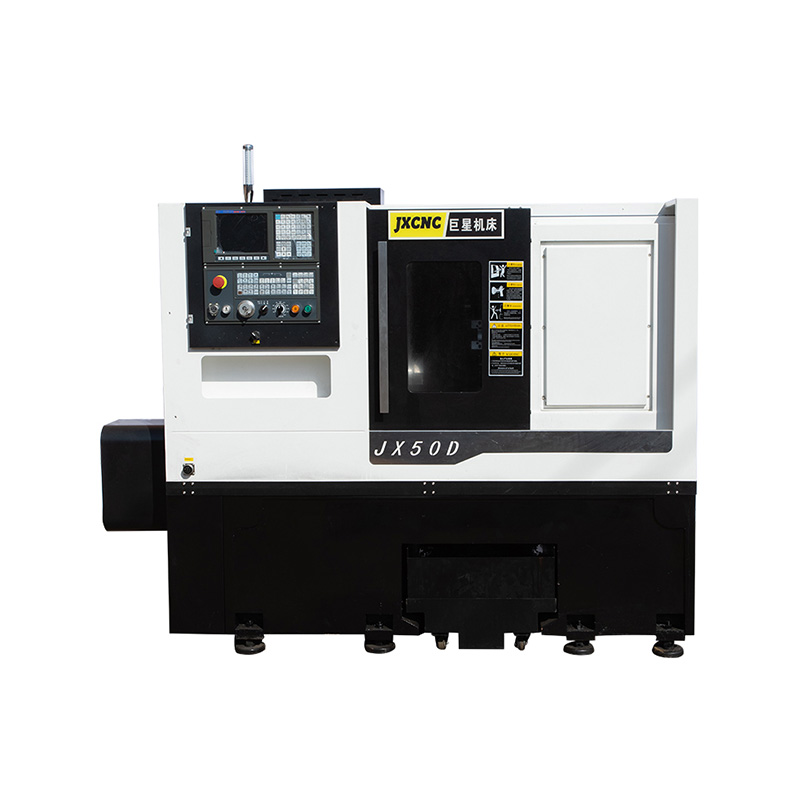
Introducing the JX50D CNC Machine Tools List from China's CNC machine tools manufacturer. Our machine tools are equipped with a servo hydraulic turret...
See Details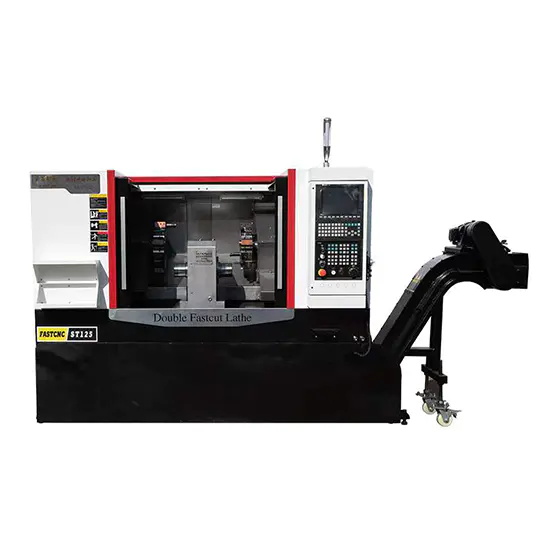
The JX125 Double Head CNC Machine is a cutting-edge machine tool that utilizes a central spindle, two Z-axes, two X-axes, and bidirectional drag plate...
See Details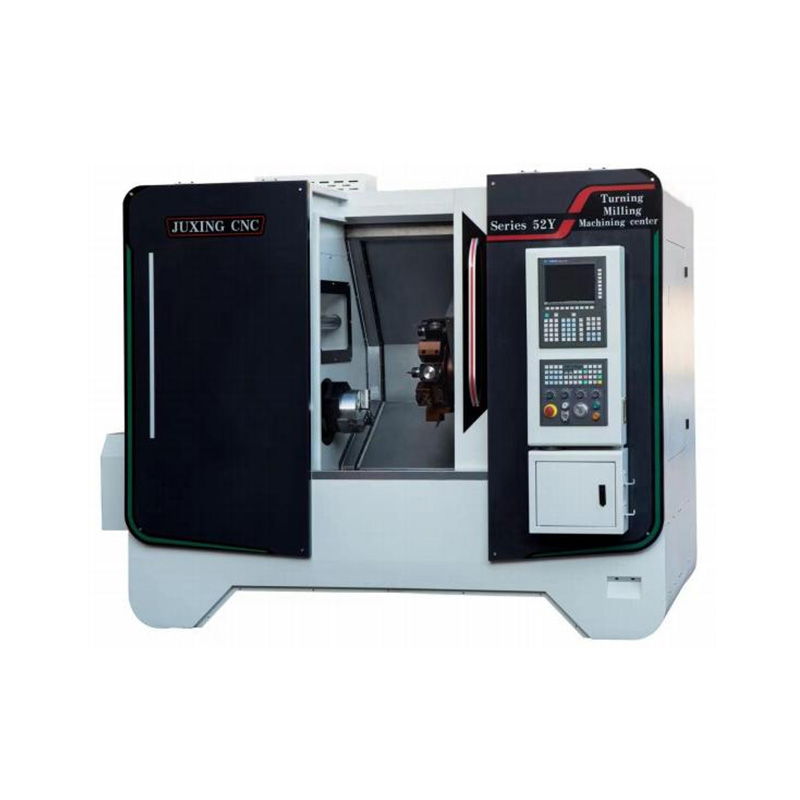
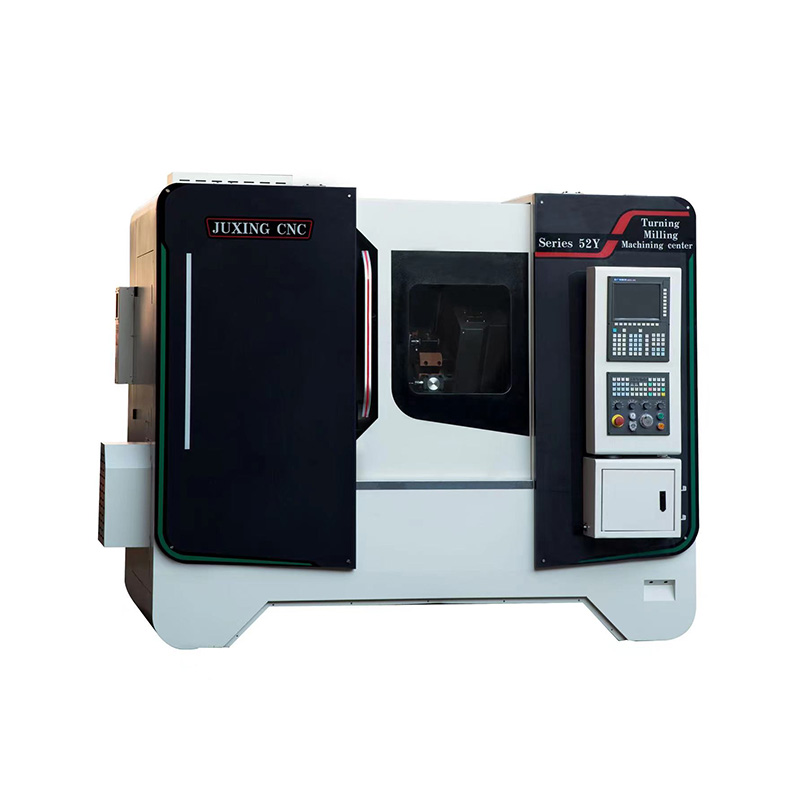
In conclusion, the JX52Y CNC Turning Lathes with Computer Control System is a highly advanced and efficient machine that combines the functionality of...
See DetailsTEL : +86-576-87491531
FAX : +86-576-87493038
E-MAIL : chinajuxing@aliyun.com
ADDRESS: Longxi Industrial Zone, Yuhuan City, Taizhou City, Zhejiang Province, China
CopyrightTaizhou Yestar Intelligent Equipment Co., Ltd. All Rights Reserved.