English
 中文简体
中文简体 русский
CF40 Automatic CNC Polygon Turning Machine Lathe
Cat:Small Polygon Lathe
The CF40 Automatic CNC Polygon Turning Machine Lathe is specifically designed for small to medium-sized, high-precision parts milling, enabling the ma...
See Details


A metal lathe machine factory is a fundamental tool in metalworking and mechanical workshops. It is used to shape, cut, and finish metal workpieces by rotating them against cutting tools. Known for its versatility, the metal lathe allows precision machining of cylindrical, conical, and complex shapes. This essay examines the metal lathe machine from four perspectives: structure, functions, applications, and maintenance.
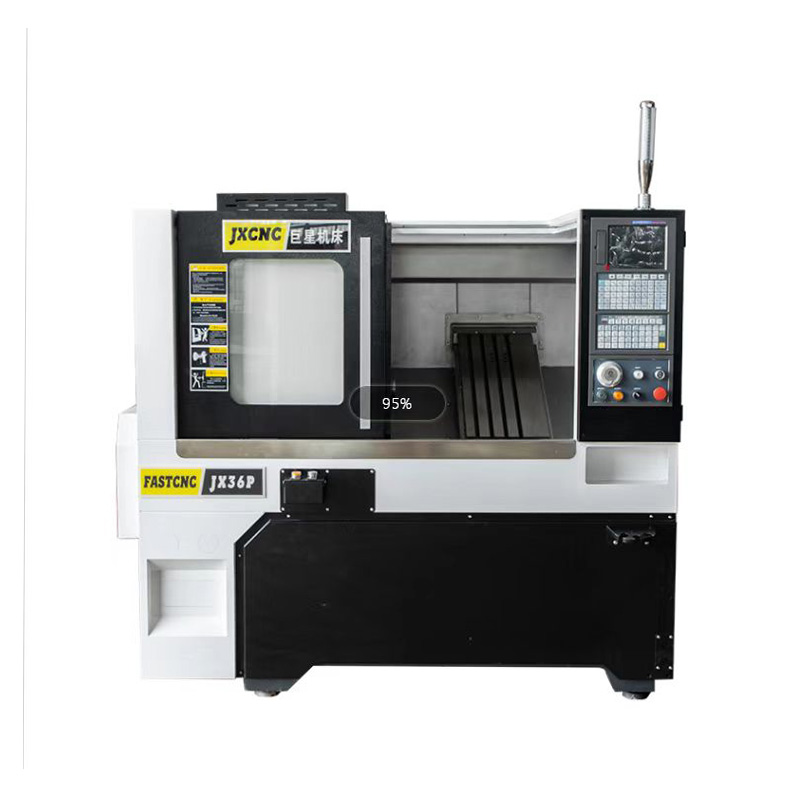
The structure of a metal lathe machine is designed to provide stability, precision, and ease of operation. The main components include:
Bed: The foundation of the machine that supports other components. It is made of cast iron or steel for rigidity.
Headstock: Located on the left side of the bed, it houses the spindle, gears, and drive mechanisms. It provides rotational motion to the workpiece.
Tailstock: Positioned opposite the headstock, it supports the end of the workpiece for long or flexible materials. The tailstock can hold tools such as drills or reamers.
Carriage: Slides along the bed and holds the cutting tool. It includes the cross slide, compound slide, and tool post.
Lead Screw and Feed Rod: Mechanisms that drive the carriage for precise longitudinal movement.
The arrangement of these components ensures stable machining operations and accurate workpiece shaping.
Metal lathe machines perform a variety of tasks, making them versatile tools in workshops and industrial settings. Key functions include:
Turning: Reduces the diameter of a workpiece by cutting along its length.
Facing: Produces flat surfaces perpendicular to the workpiece axis.
Thread Cutting: Generates external or internal threads on cylinders or rods.
Drilling and Boring: Uses the tailstock to drill holes or enlarge existing ones.
Knurling: Creates textured patterns on cylindrical surfaces for grip or decoration.
Bullet points for additional functional capabilities:
Chamfering edges to remove sharp corners.
Taper turning for conical shapes.
Parting off sections of a workpiece.
Reaming for precise hole dimensions.
These capabilities allow operators to produce accurate and complex parts from raw metal materials.
Metal lathe machines are used in a wide range of industries and for different types of metalworking projects. Common applications include:
Automotive Industry: Manufacturing shafts, bushings, and engine components.
Aerospace Components: Machining precise, high-tolerance parts for aircraft engines and systems.
Tool and Die Production: Creating molds, dies, and fixtures for other manufacturing processes.
General Workshop Tasks: Repairing and modifying parts, producing replacement components, or performing custom metalworking jobs.
Other applications include producing cylindrical metal rods, precision screws, and decorative metal elements. The metal lathe remains essential wherever precision turning or shaping of metals is required.
Proper maintenance ensures the metal lathe machine operates efficiently and safely over time. Regular practices include:
Cleaning: Remove metal shavings and lubricate moving parts to prevent wear.
Inspection: Check for loose bolts, worn gears, or misalignment.
Lubrication: Apply oil to spindle bearings, lead screws, and slides for smooth motion.
Tool Care: Keep cutting tools sharp and replace worn tools to maintain machining quality.
Safety Measures: Always wear protective eyewear, avoid loose clothing, and ensure the workpiece is properly secured before starting the machine.
Periodic maintenance minimizes breakdowns, improves accuracy, and extends the lifespan of the machine. Proper adherence to safety procedures prevents accidents and ensures a stable working environment.
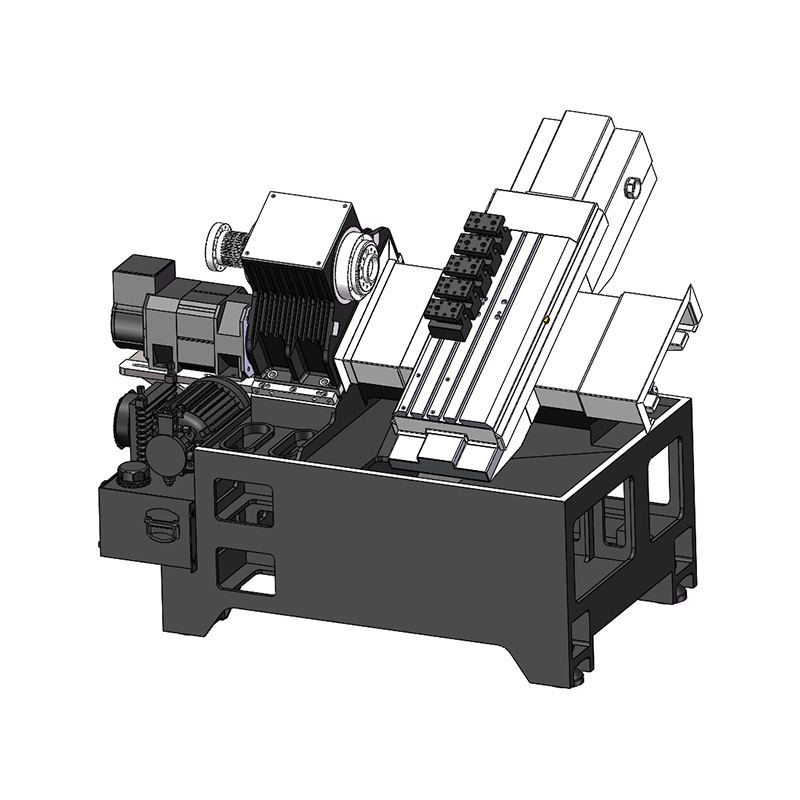
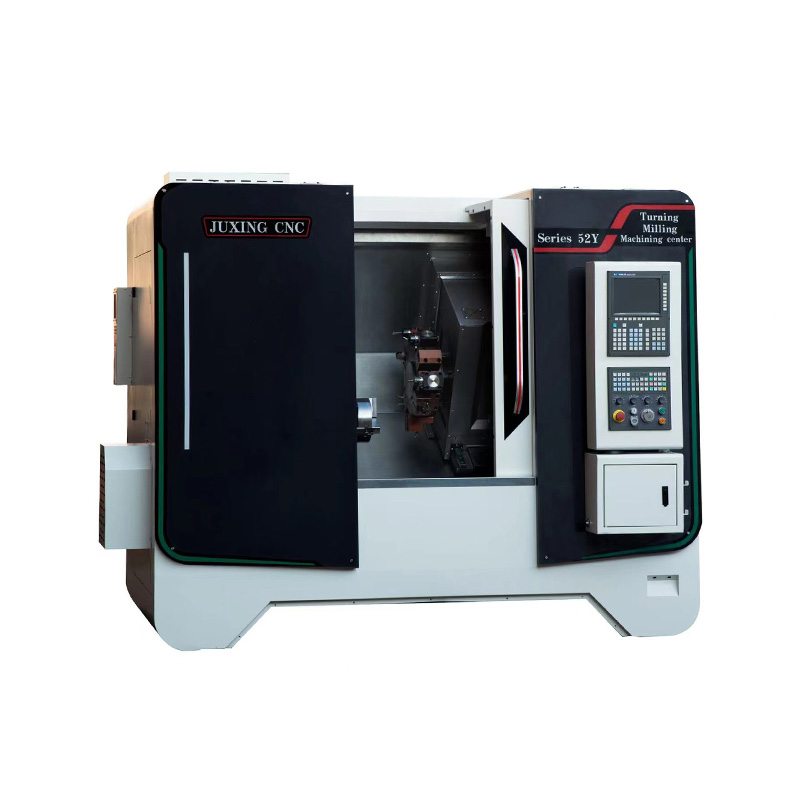
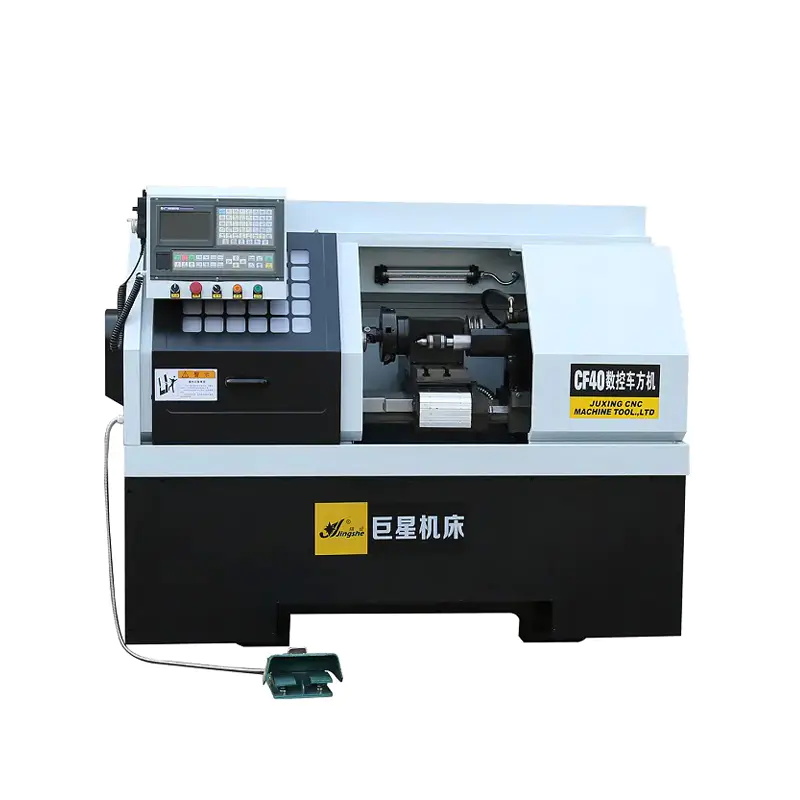
The CF40 Automatic CNC Polygon Turning Machine Lathe is specifically designed for small to medium-sized, high-precision parts milling, enabling the ma...
See Details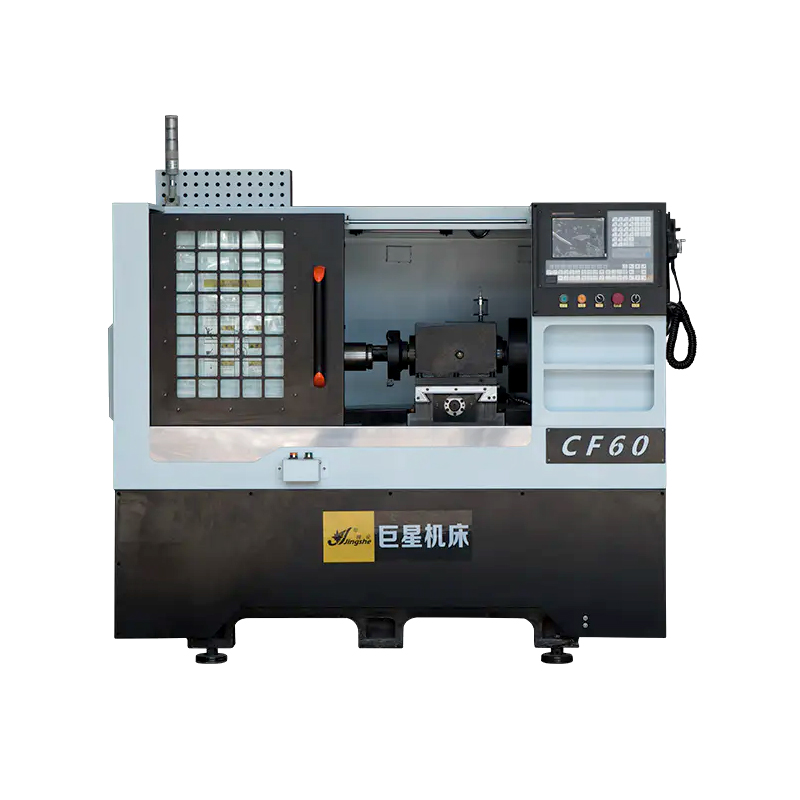
The CF60 CNC Polygon Lathe is a highly efficient and versatile machine tool designed for small to medium-sized precision parts milling. It is capable ...
See Details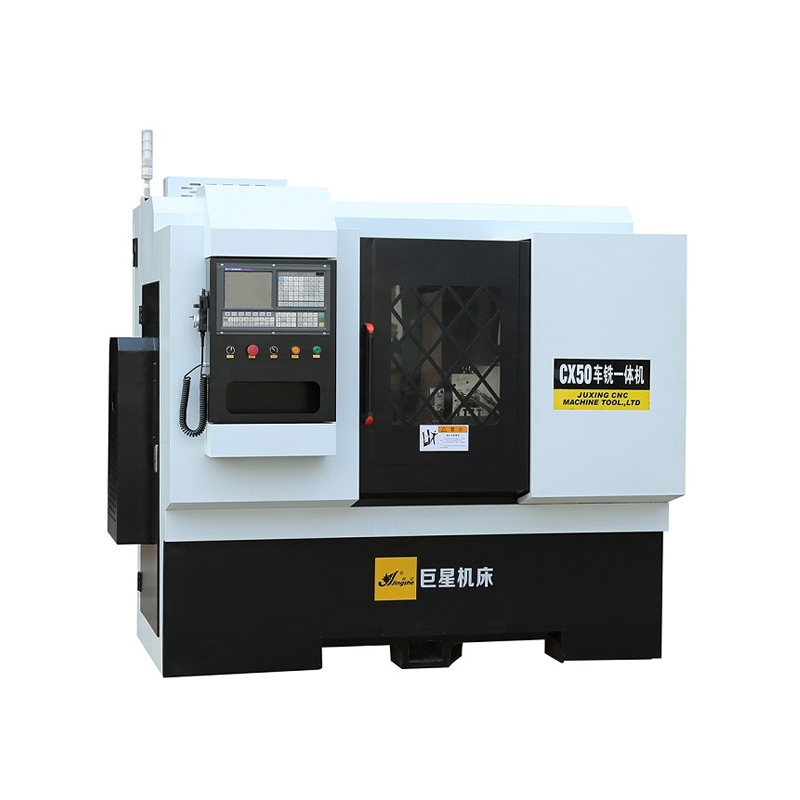
Are you looking for a machine that combines the capabilities of a CNC lathe and a square lathe? Look no further! Introducing the CX50 New CNC Turning ...
See Details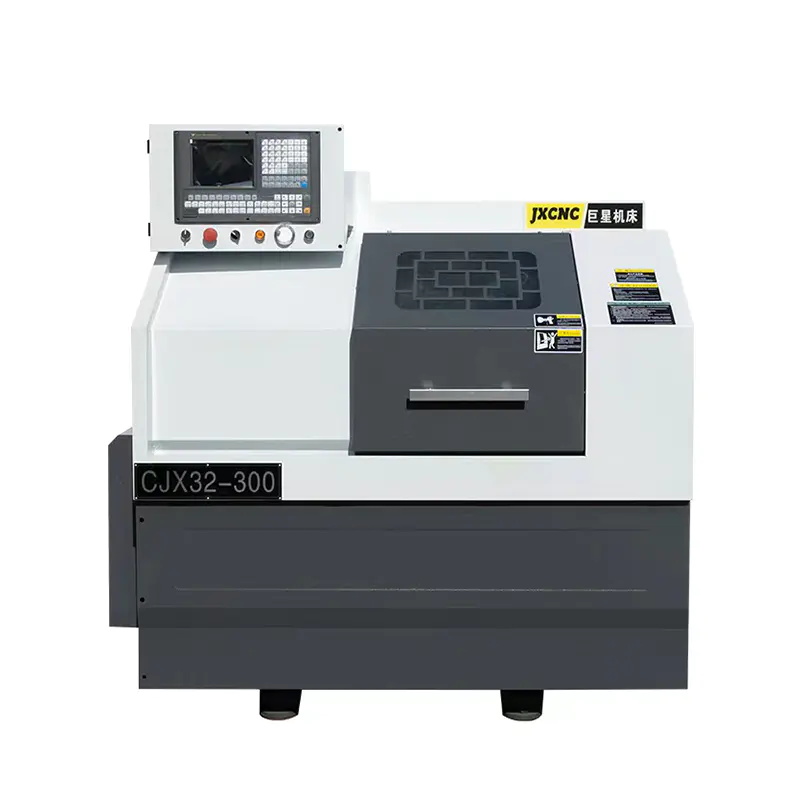
The JX32-300 Mini Economical CNC Lathe Machine is designed to provide high precision and efficient machining for a wide range of metal products. With ...
See Details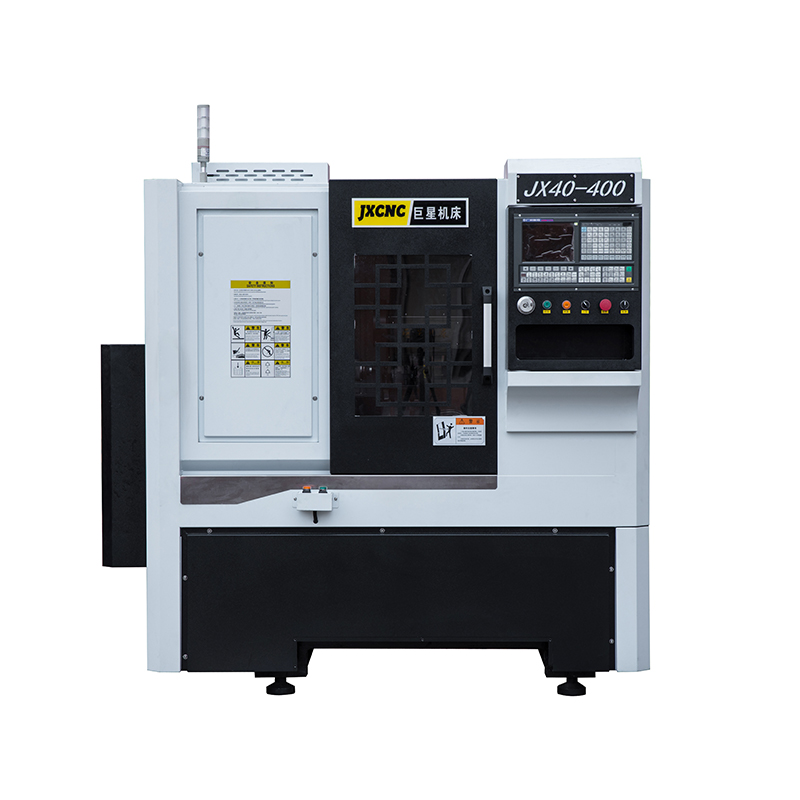
The JX40-400 Factory High Speed Precision CNC Lathes are designed to provide exceptional efficiency and accuracy in machining processes. With the abil...
See Details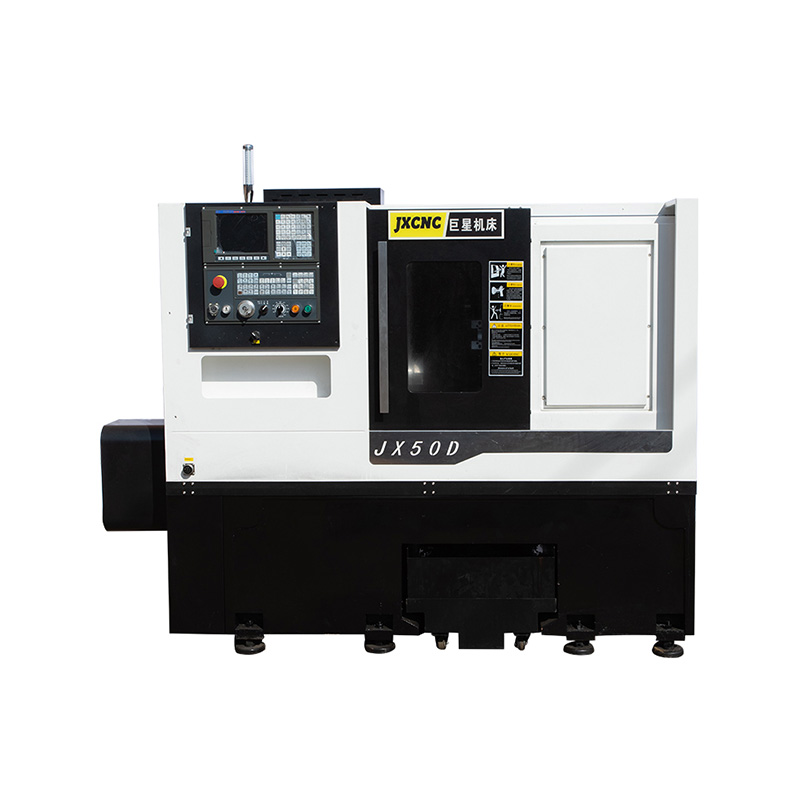
Introducing the JX50D CNC Machine Tools List from China's CNC machine tools manufacturer. Our machine tools are equipped with a servo hydraulic turret...
See Details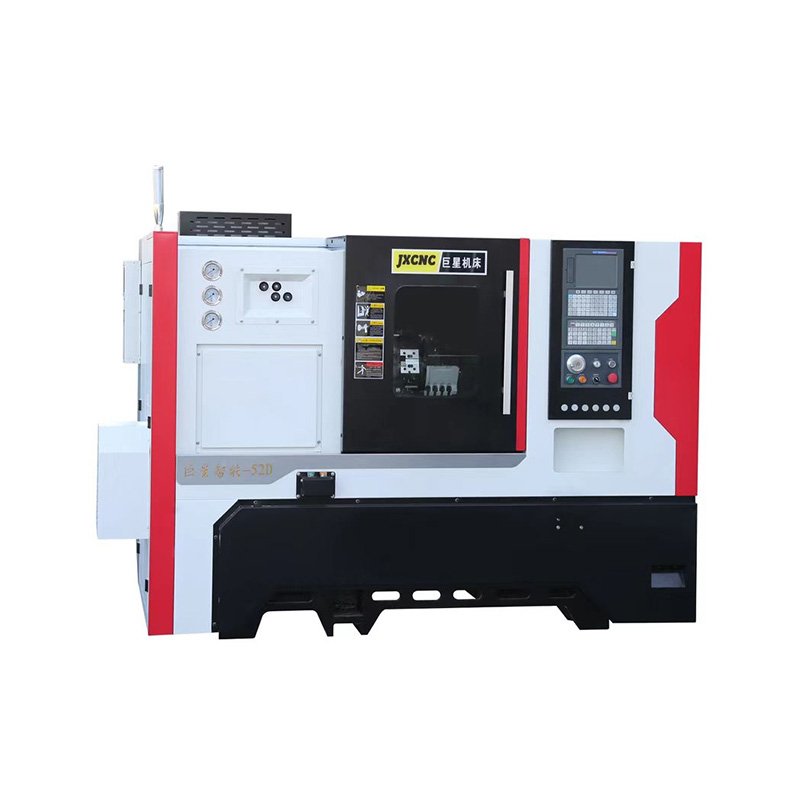
As a trusted machine tool equipment supplier in China, we prioritize customer satisfaction and strive to provide the solutions and support. Our JX52D ...
See Details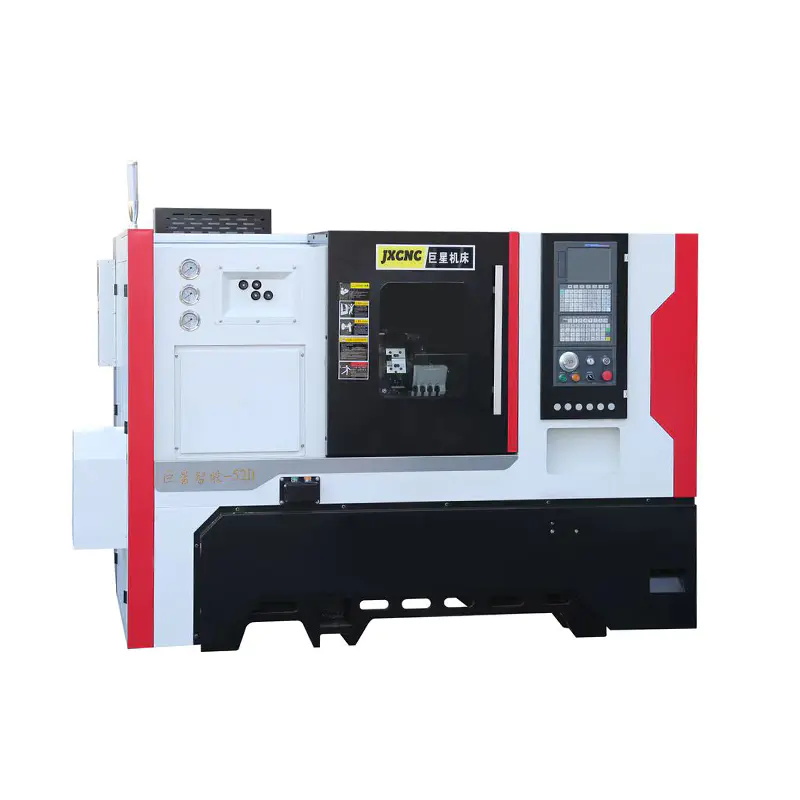
The JX52D Machine Tool CNC Lathe is specifically designed for lathe every kinds of material with precision and efficiency. It is equipped with advance...
See DetailsTEL : +86-576-87491531
FAX : +86-576-87493038
E-MAIL : chinajuxing@aliyun.com
ADDRESS: Longxi Industrial Zone, Yuhuan City, Taizhou City, Zhejiang Province, China
CopyrightTaizhou Yestar Intelligent Equipment Co., Ltd. All Rights Reserved.