English
 中文简体
中文简体 русский
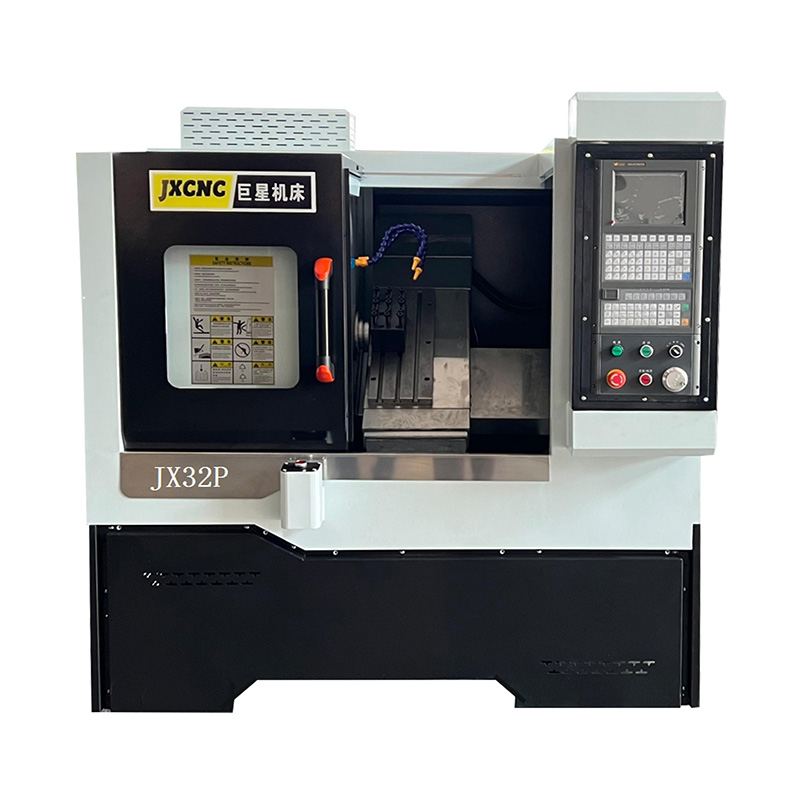
CF40 Automatic CNC Polygon Turning Machine Lathe
Cat:Small Polygon Lathe
The CF40 Automatic CNC Polygon Turning Machine Lathe is specifically designed for small to medium-sized, high-precision parts milling, enabling the ma...
See Details


CNC lathe machine factory are classified according to their configuration, spindle orientation, and functional capabilities. Each type serves distinct manufacturing requirements.
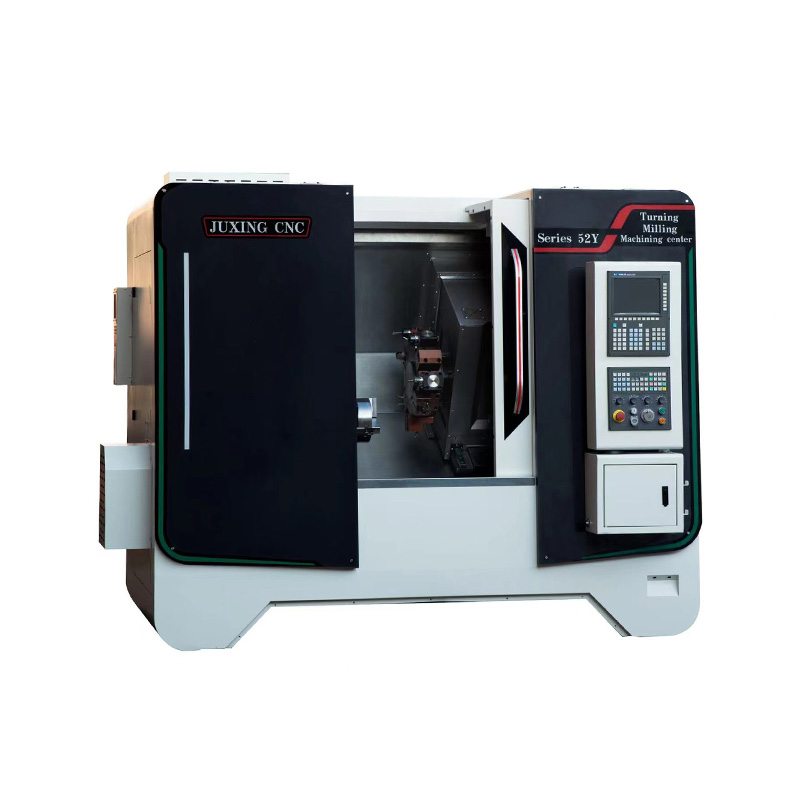
2-Axis CNC Lathe: The basic configuration, featuring X-axis (cross-slide) and Z-axis (longitudinal) movement. Used for external turning, facing, and drilling operations. Suitable for producing cylindrical parts with simple geometries such as shafts, bushings, and threaded components.
Multi-Axis CNC Lathe: Incorporates additional axes beyond the standard X and Z. The Y-axis allows off-center milling and drilling. C-axis provides spindle indexing, enabling live tooling operations. These machines perform both turning and milling in a single setup, reducing handling time and improving accuracy for complex parts.
Swiss-Type CNC Lathe: Also known as sliding headstock lathes. The bar stock slides through a guide bushing while the cutting tools remain stationary. Designed for machining small-diameter, long, slender components with high precision. Common in medical device manufacturing and electronics industries for parts such as bone screws and connector pins.
Vertical CNC Lathe: Features a vertically oriented spindle with a rotating table. Workpieces are mounted on the horizontal chuck. Designed for large-diameter, heavy components such as brake drums, flywheels, and large bearings, where gravitational force assists with stability and chip evacuation.
Chucker CNC Lathe: Equipped with a collet chuck or jaw chuck for holding short workpieces. Designed for high-volume production of small to medium-sized parts. Often lacks a tailstock, as workpieces are supported entirely by the chuck.
Gang Tool CNC Lathe: Utilizes multiple cutting tools mounted on a single tool slide, eliminating the need for a turret. Tool indexing occurs through slide positioning rather than turret rotation. Offers faster cycle times for small parts but limited tool capacity.
Applications of CNC Lathe Machines
Automotive Industry
CNC lathes produce engine components, including pistons, valve stems, and camshafts. Transmission parts such as gears, shafts, and housings are machined on lathes. Brake system components—rotors, drums, and caliper pistons—require turning operations. The industry relies on high-volume production capabilities for these cylindrical components.
Aerospace Sector
Aerospace applications demand high precision and material traceability. CNC lathes machine turbine blades, engine mounts, landing gear components, and hydraulic fittings. Materials commonly processed include titanium alloys, Inconel, and high-strength aluminum. Swiss-type lathes produce small, complex components for avionics and fuel systems.
Medical Device Manufacturing
Surgical instruments such as bone drills, reamers, and forceps components are machined on CNC lathes. Implantable devices including hip stems, bone screws, and spinal rods require the precision and surface finish capabilities of modern lathes. Stainless steel, titanium, and cobalt-chrome alloys are typical materials.
Oil and Gas Industry
Downhole tools, drill collars, and valve bodies are produced on CNC lathes. The large-diameter capacity of vertical lathes accommodates heavy, oversized components. Threading capabilities are essential for pipe connections and tool joints. Material requirements include corrosion-resistant alloys such as Inconel and duplex stainless steel.
General Manufacturing and Job Shops
Job shops utilize CNC lathes for prototype development and low-to-medium volume production. Components such as shafts, bushings, pulleys, and fasteners are common. The flexibility of CNC programming allows quick changeover between different part configurations.
Electronics and Consumer Goods
Precision components for consumer electronics—including connectors, housings, and heat sinks—are machined on Swiss-type and gang tool lathes. High-volume production of small, intricate parts characterizes this application sector.
Components of a CNC Lathe Machine
Bed. The base of the machine, typically cast from gray iron. Provides structural rigidity and absorbs vibration during cutting operations.
Headstock. Houses the main spindle and drive system. Contains bearings that support spindle rotation. May include gearboxes for speed control.
Spindle. Rotates the workpiece. Hollow design allows bar stock to pass through. Driven by an electric motor, typically with variable speed control.
Chuck. Mounted on the spindle. Grips the workpiece using jaws. Available in manual, hydraulic, or pneumatic configurations.
Tailstock. Positioned on the opposite end from the headstock. Supports long workpieces using a center. Can be programmed for positioning in CNC models.
Tool Turret. Holds multiple cutting tools. Rotates to index tools into position. Typically mounted on the cross-slide.
Cross-Slide. Moves perpendicular to the spindle axis (X-axis). Carries the tool turret or gang tool assembly.
Carriage. Moves parallel to the spindle axis (Z-axis). Supports the cross-slide assembly.
Control Panel. Contains the computer numerical control interface. Displays program information and machine status. Accepts program input and manual commands.
Coolant System. Delivers cutting fluid to the tool-workpiece interface. Includes reservoir, pump, and nozzles. Aids in chip removal and temperature control.
Chip Conveyor. Removes chips from the machining area. Reduces manual cleaning requirements. Maintains consistent operating conditions.
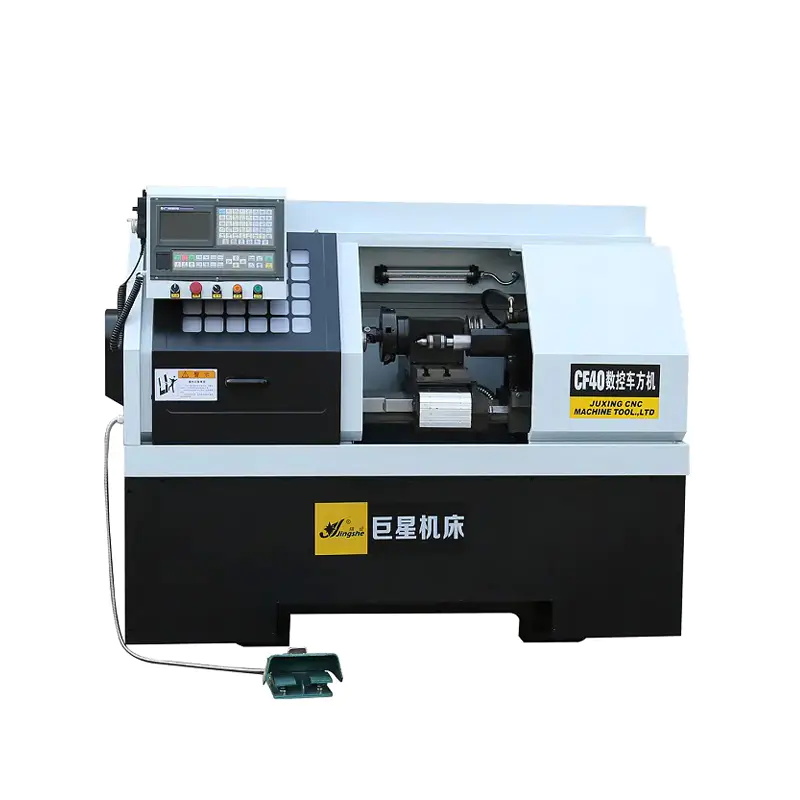
The CF40 Automatic CNC Polygon Turning Machine Lathe is specifically designed for small to medium-sized, high-precision parts milling, enabling the ma...
See Details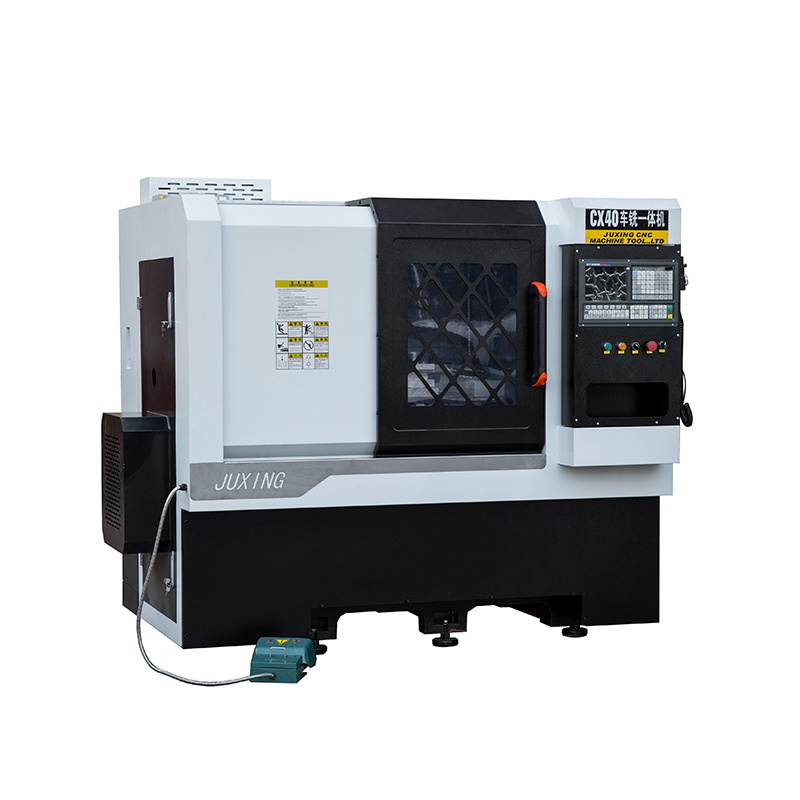
The CX40 High Precision Linear Track Horizontal CNC Lathe Machine is designed to provide exceptional performance and versatility for precision machini...
See Details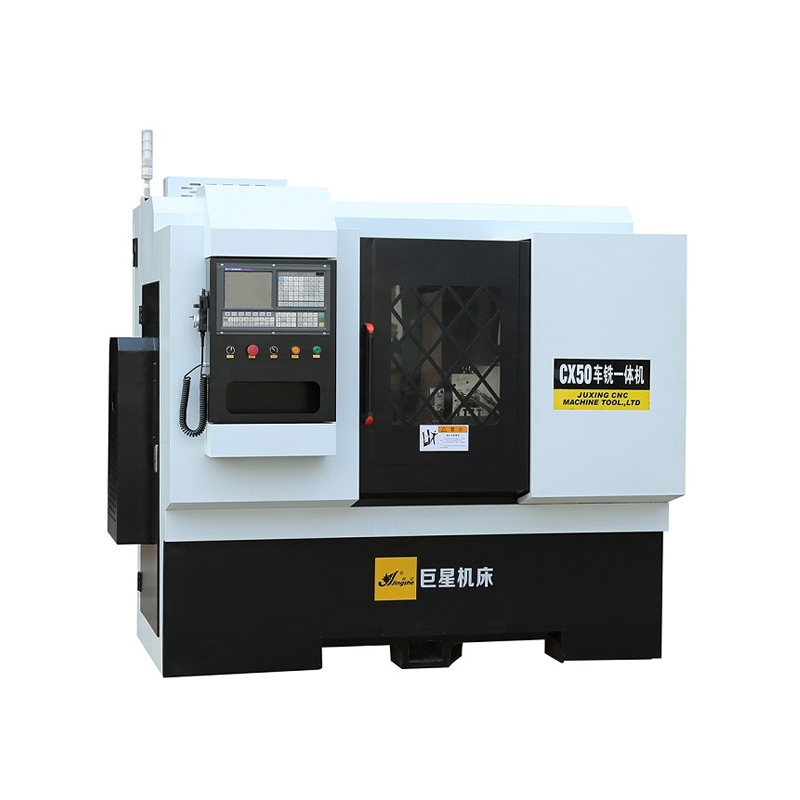
Are you looking for a machine that combines the capabilities of a CNC lathe and a square lathe? Look no further! Introducing the CX50 New CNC Turning ...
See Details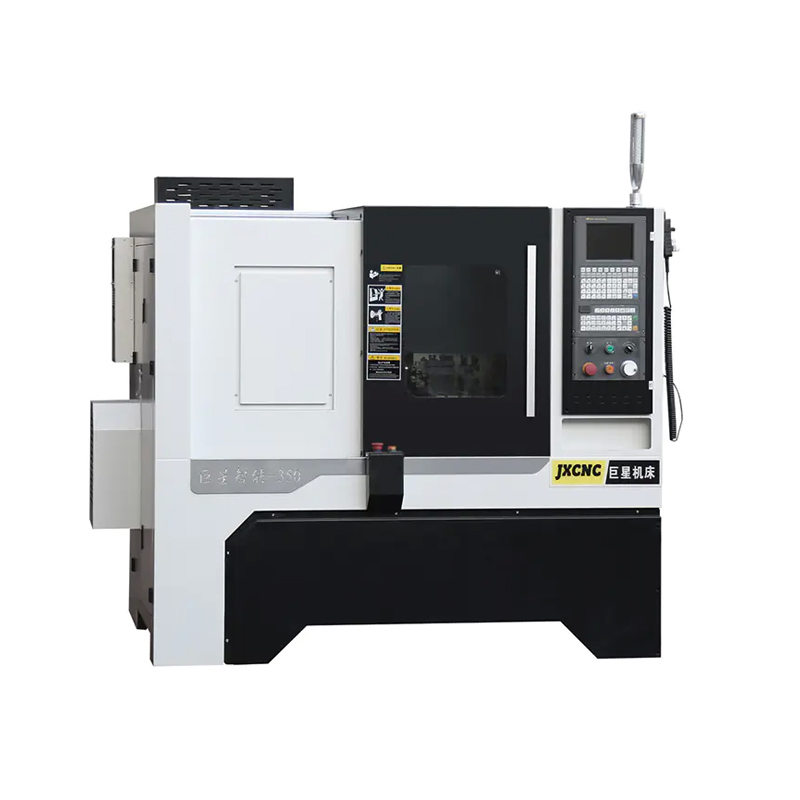
The JX350 Gang Type CNC Lathe for Cutting Tool with Rapid Tool Changing is designed to deliver high precision and efficiency in cutting tool operation...
See Details
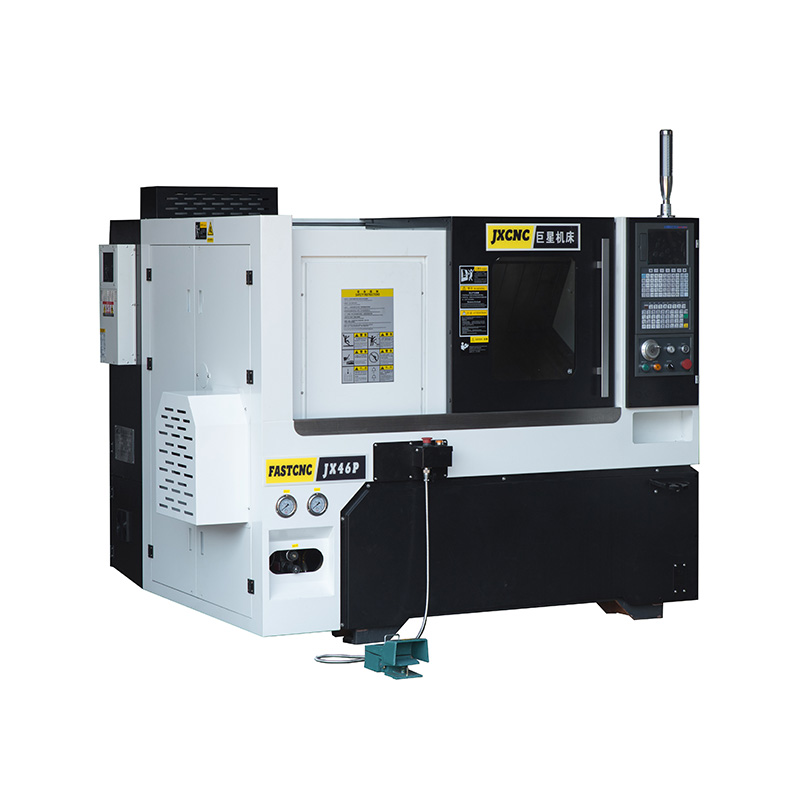
Introducing the JX36P China Good Supplier CNC Lathe Machine, a high-quality and efficient tool designed for precision machining. With its horizontal i...
See Details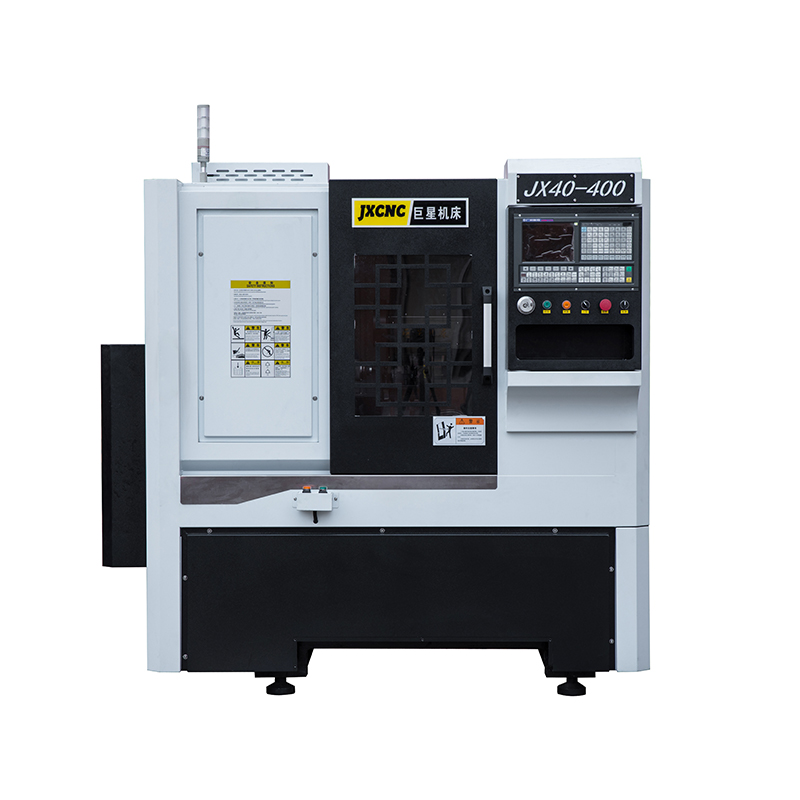
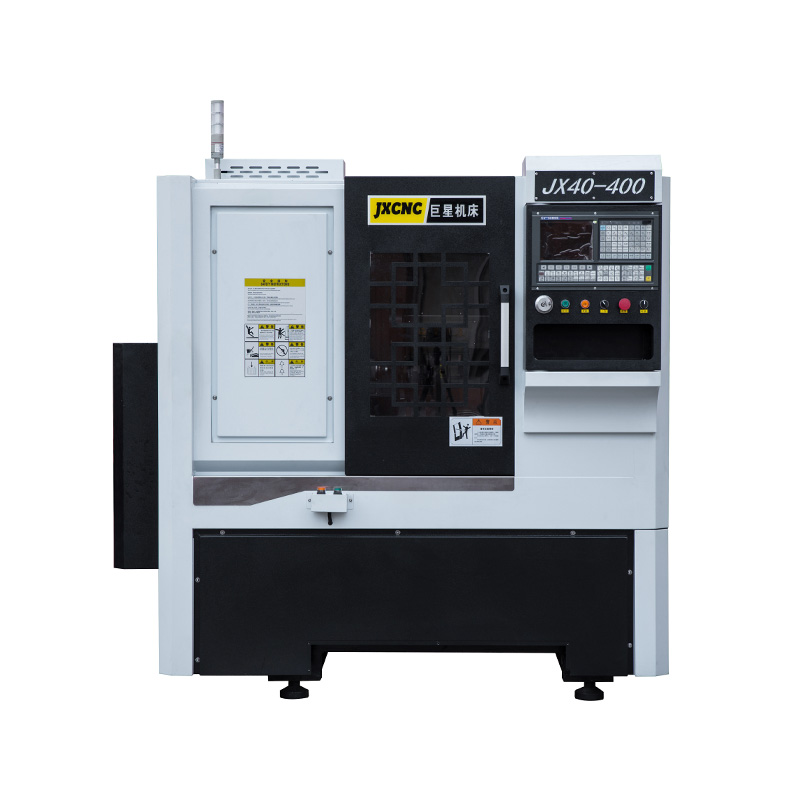
The JX40-400 Factory High Speed Precision CNC Lathes are designed to provide exceptional efficiency and accuracy in machining processes. With the abil...
See Details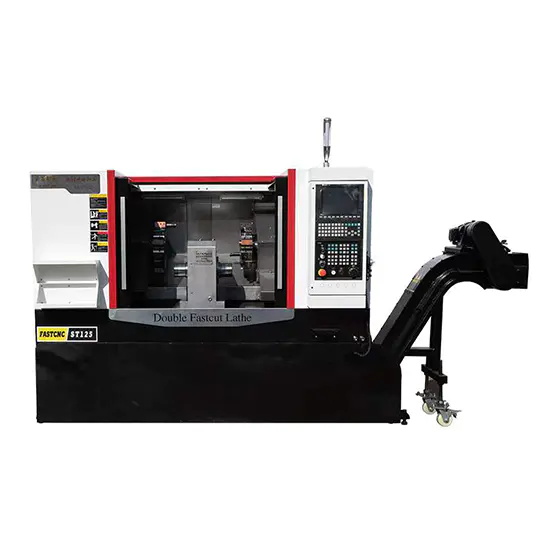
The JX125 Double Head CNC Machine is a cutting-edge machine tool that utilizes a central spindle, two Z-axes, two X-axes, and bidirectional drag plate...
See DetailsTEL : +86-576-87491531
FAX : +86-576-87493038
E-MAIL : chinajuxing@aliyun.com
ADDRESS: Longxi Industrial Zone, Yuhuan City, Taizhou City, Zhejiang Province, China
CopyrightTaizhou Yestar Intelligent Equipment Co., Ltd. All Rights Reserved.