English
 中文简体
中文简体 русский
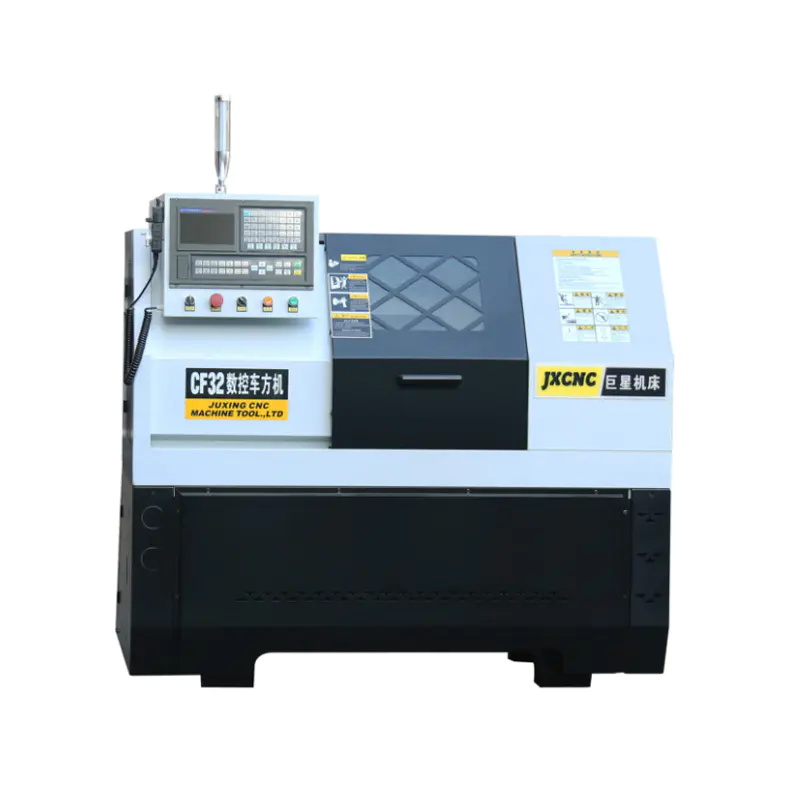
CF32 Hydraulic Clamping CNC Polygon Turning Machine
Cat:Small Polygon Lathe
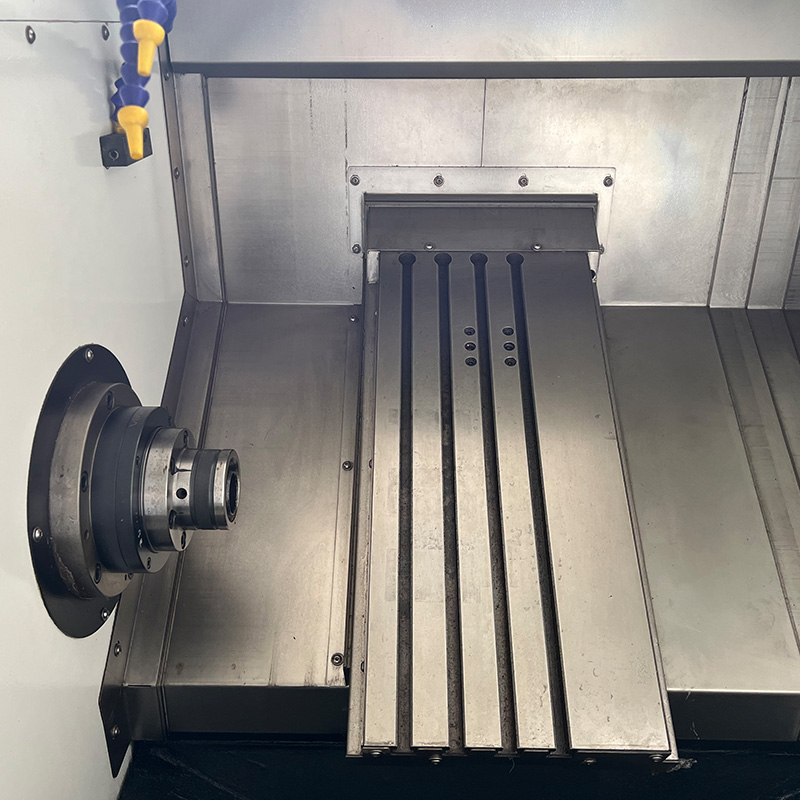
CF32 hydraulic clamping CNC polygon lathe is designed for milling small and medium-sized high-precision parts, which can mill square, octagonal, hexag...
See Details


Selecting a CNC milling machine factory requires matching machine capabilities to the requirements of the parts to be produced. Several interrelated factors influence this decision, and understanding them helps avoid under-specification or unnecessary capital expenditure.
Machine configuration and axes
The number and arrangement of axes determine the complexity of parts a machine can produce. Three-axis machines handle flat surfaces, pockets, and contours on a single plane. Four-axis machines add a rotary axis, allowing machining around cylindrical parts or indexed operations on multiple faces. Five-axis machines provide continuous machining on complex geometries, reducing setups and improving accuracy for parts such as turbine blades, impellers, and medical implants. The decision between three, four, or five axes depends on part complexity and production volume. For many job shops, a three-axis machine with a rotary table option provides flexibility without the higher cost of a full five-axis system.
Spindle specifications
Spindle speed and power directly affect the materials a machine can process efficiently. Higher spindle speeds—typically 10,000 to 30,000 RPM—are required for machining aluminum, plastics, and other non-ferrous materials with small-diameter tools. Lower spindle speeds with higher torque—typically 6,000 to 10,000 RPM—are suited for steel, titanium, and other ferrous materials. Machines designed for heavy roughing require spindle power exceeding 15 kilowatts (20 horsepower) to maintain cutting parameters under heavy loads. The spindle taper also matters: CAT40 and BT40 are common for general-purpose machining, while CAT50 and BT50 provide greater rigidity for heavy cutting and larger tools.
CNC milling operations encounter several recurring challenges that affect productivity, part quality, and tool life. Recognizing these issues and implementing appropriate countermeasures improves overall process reliability.
Tool wear and breakage
Cutting tools wear progressively during operation, affecting surface finish, dimensional accuracy, and cycle times. Sudden tool breakage can damage the workpiece and the machine spindle. Addressing tool wear requires:
Establishing tool life data through systematic testing for each material and tool combination
Implementing tool wear compensation in the CNC program, typically through offset adjustments
Using tool condition monitoring systems that detect changes in spindle load or acoustic emissions
Selecting appropriate tool coatings—such as TiAlN for high-temperature alloys or AlTiN for stainless steel—that match the specific material being machined
Employing high-pressure coolant through the tool to improve chip evacuation and reduce thermal stress
Chatter and vibration
Chatter—self-excited vibration during cutting—produces poor surface finish, accelerates tool wear, and limits material removal rates. Causes include insufficient tool rigidity, improper spindle speed selection, and inadequate workpiece fixturing. Solutions involve:
Using the shortest possible tool length and the largest tool diameter practical for the operation
Selecting spindle speeds that avoid the system's natural frequency, often using stability lobe diagrams available in modern CAM software
Employing variable flute pitch end mills that disrupt the harmonics, causing chatter
Improving workpiece fixturing with additional clamps, larger contact areas, or custom fixtures
Utilizing high-speed machining strategies that maintain consistent chip load and tool engagement
Chip management
Chips that are not effectively removed can recut, damaging the workpiece and tools. In deep pockets or cavities, chip packing can lead to tool breakage. Solutions include:
Through-spindle coolant directed at the cutting zone to flush chips away
High-pressure coolant systems (typically 300 to 1,000 psi) for deep-hole drilling and pocket milling
Air blast systems for materials that do not require coolant
Programming strategies such as trochoidal milling that produce smaller, more manageable chips
Ensuring the machine's chip conveyor and coolant filtration system are properly sized for the anticipated material removal rate
Thermal stability
Machining operations generate heat that causes thermal expansion of both the machine and the workpiece, affecting dimensional accuracy. Solutions include:
Running warm-up cycles at the beginning of each shift to stabilize machine temperatures
Using spindles with integrated cooling systems that maintain a consistent temperature
Implementing thermal compensation features available in many modern CNC controls
Employing coolant-through tools that remove heat directly from the cutting zone
Programming strategies that maintain consistent cutting conditions rather than allowing intermittent heavy cuts followed by idle periods
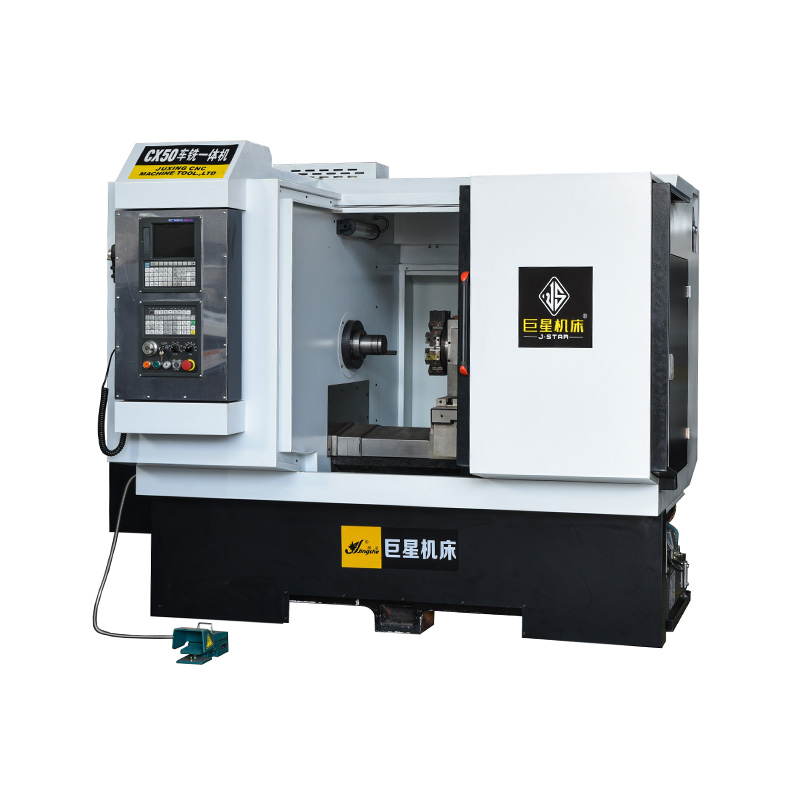
CF32 hydraulic clamping CNC polygon lathe is designed for milling small and medium-sized high-precision parts, which can mill square, octagonal, hexag...
See Details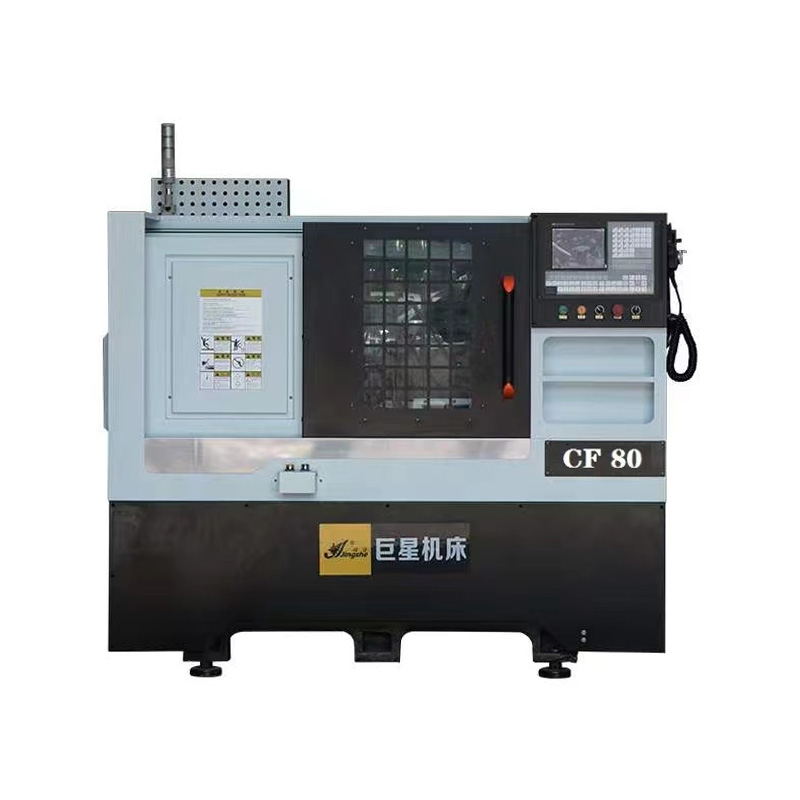
Introducing the CF80 Auto Polygon Lathe Hexagonal Tailstock Lathe Machine. This machine is specifically designed for the production of medium and smal...
See Details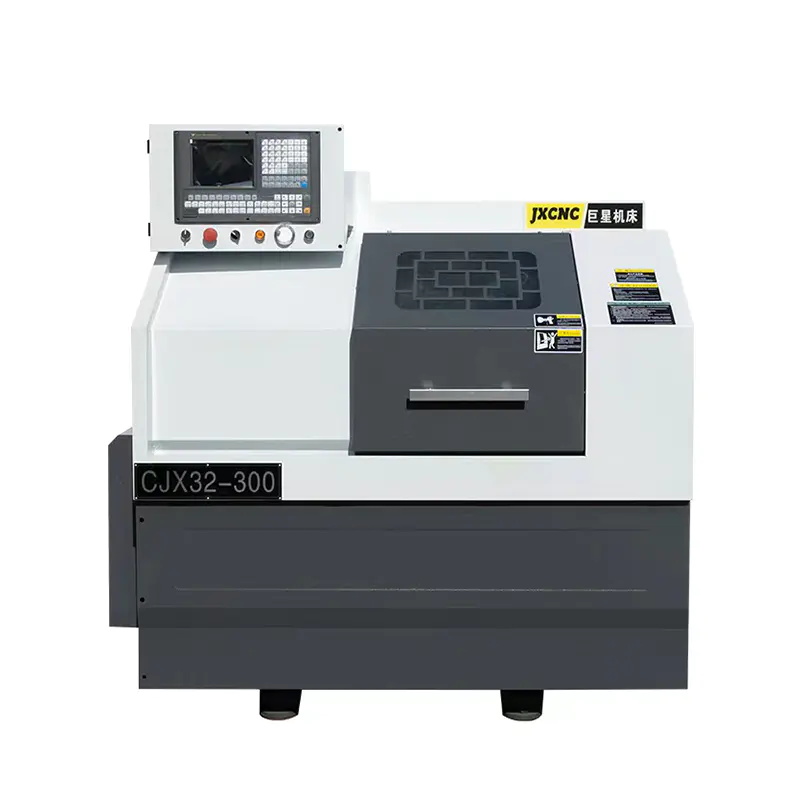
The JX32-300 Mini Economical CNC Lathe Machine is designed to provide high precision and efficient machining for a wide range of metal products. With ...
See Details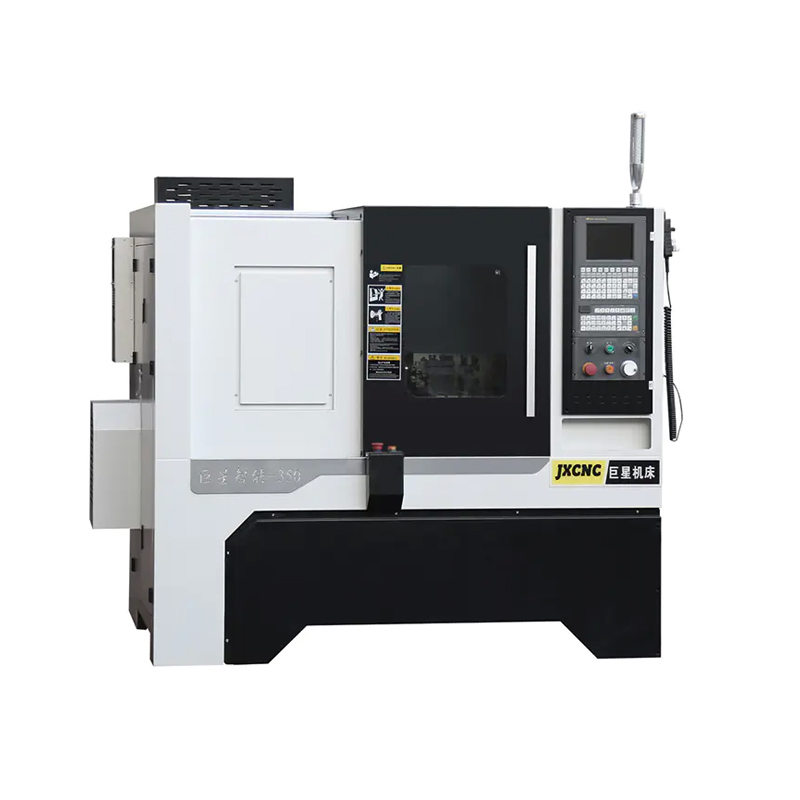
The JX350 Gang Type CNC Lathe for Cutting Tool with Rapid Tool Changing is designed to deliver high precision and efficiency in cutting tool operation...
See Details
Introducing the JX36P China Good Supplier CNC Lathe Machine, a high-quality and efficient tool designed for precision machining. With its horizontal i...
See Details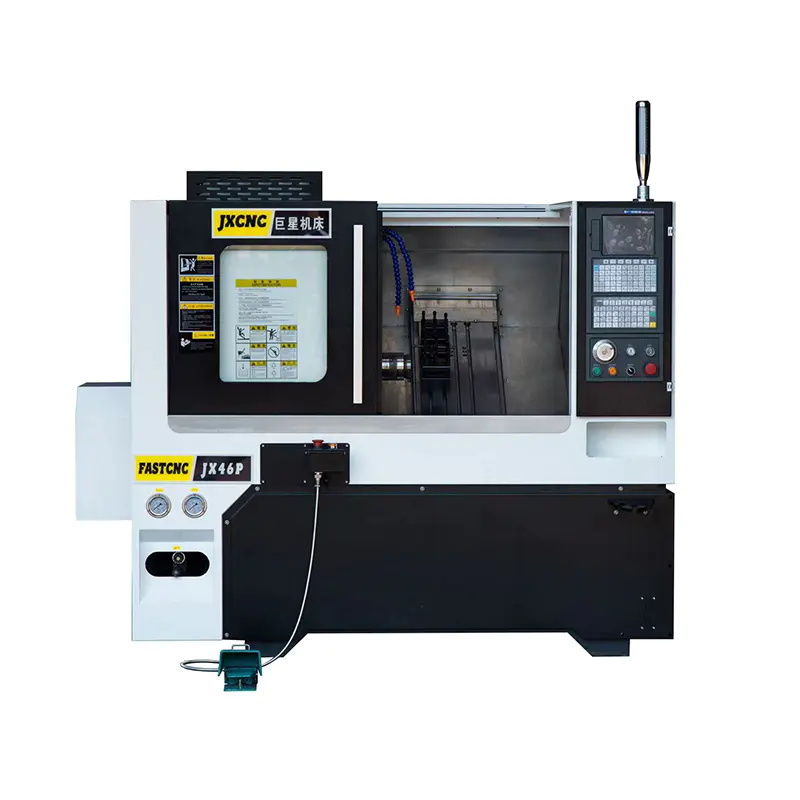
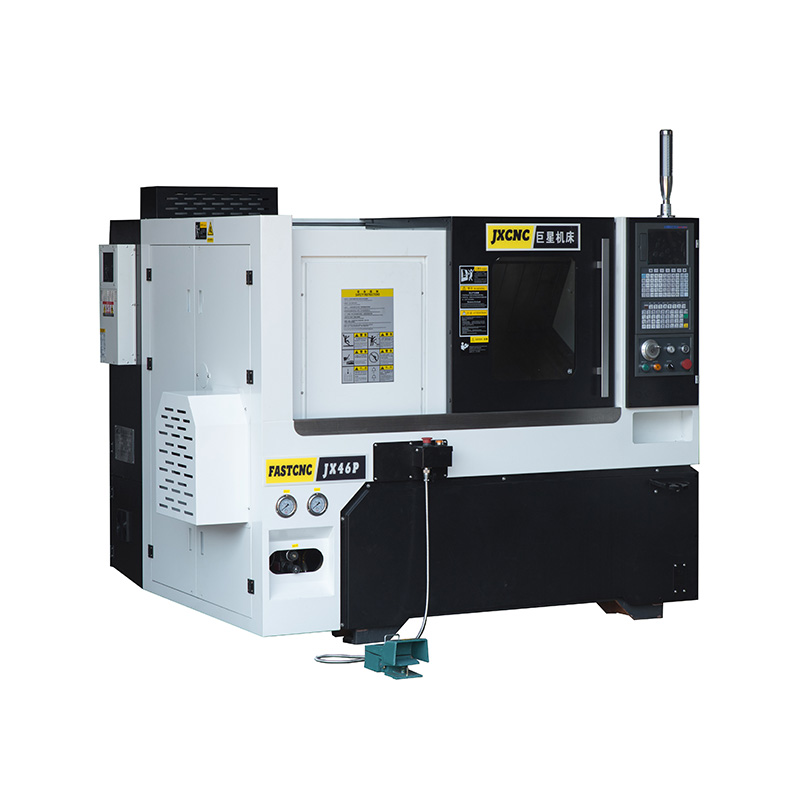
The JX46P Slant Bed CNC Lathe Machine of Cast Iron Machine Base is a high-performance machine tool designed for various machining operations. With its...
See Details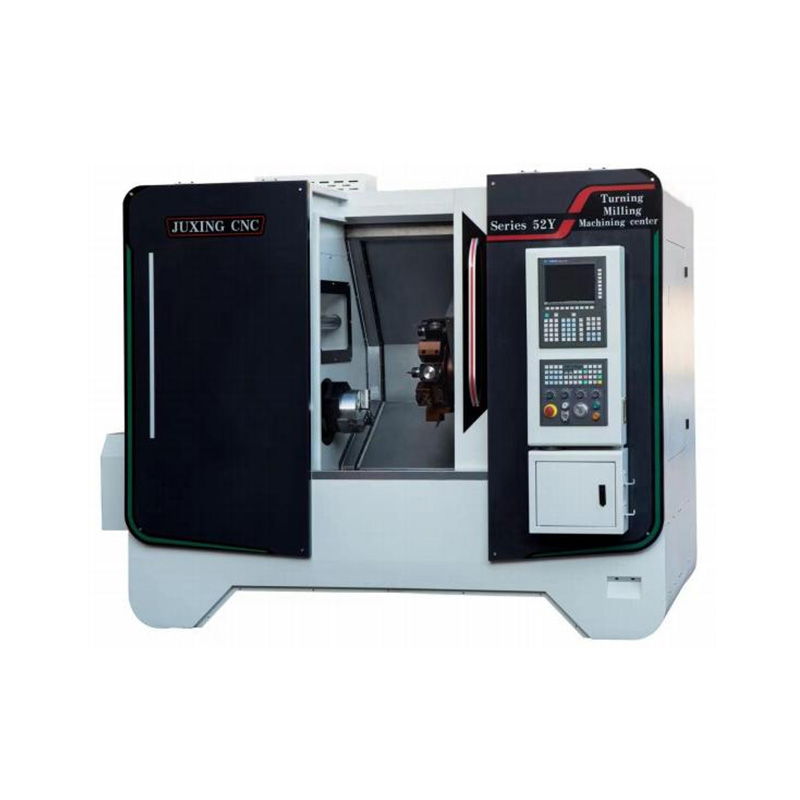
In conclusion, the JX52Y CNC Turning Lathes with Computer Control System is a highly advanced and efficient machine that combines the functionality of...
See Details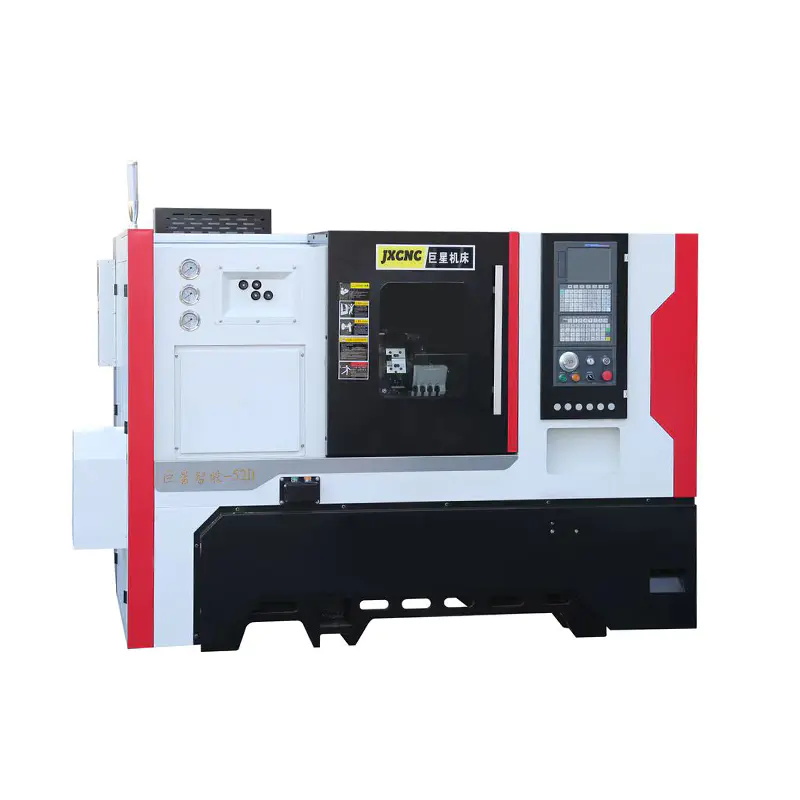
The JX52D Machine Tool CNC Lathe is specifically designed for lathe every kinds of material with precision and efficiency. It is equipped with advance...
See DetailsTEL : +86-576-87491531
FAX : +86-576-87493038
E-MAIL : chinajuxing@aliyun.com
ADDRESS: Longxi Industrial Zone, Yuhuan City, Taizhou City, Zhejiang Province, China
CopyrightTaizhou Yestar Intelligent Equipment Co., Ltd. All Rights Reserved.