Precision turning has entered an era in which micron-level accuracy is becoming a standard requirement across many industries. Automotive components, hydraulic parts, aerospace connectors, and medical components often require extremely consistent dimensions across thousands of production cycles. However, maintaining synchronization between spindle movement, servo axes, and cutting tools becomes increasingly difficult as machining speed rises.
The challenge is not simply about increasing spindle RPM. High-speed CNC machining requires that every mechanical and electronic system respond simultaneously. A small delay between programmed movement and actual machine response can create surface errors, dimensional variation, or unstable cutting conditions.
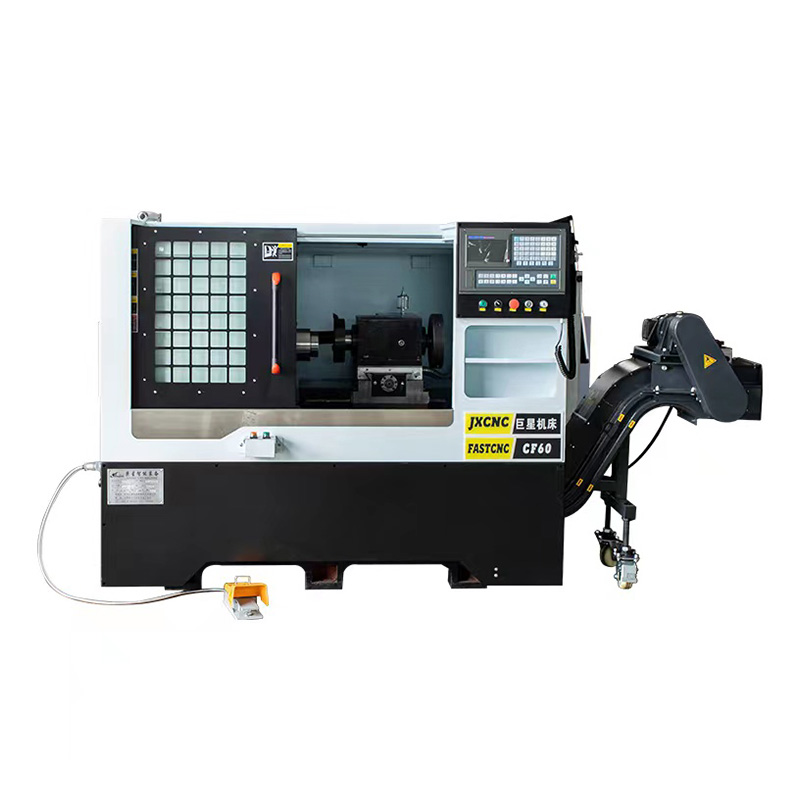
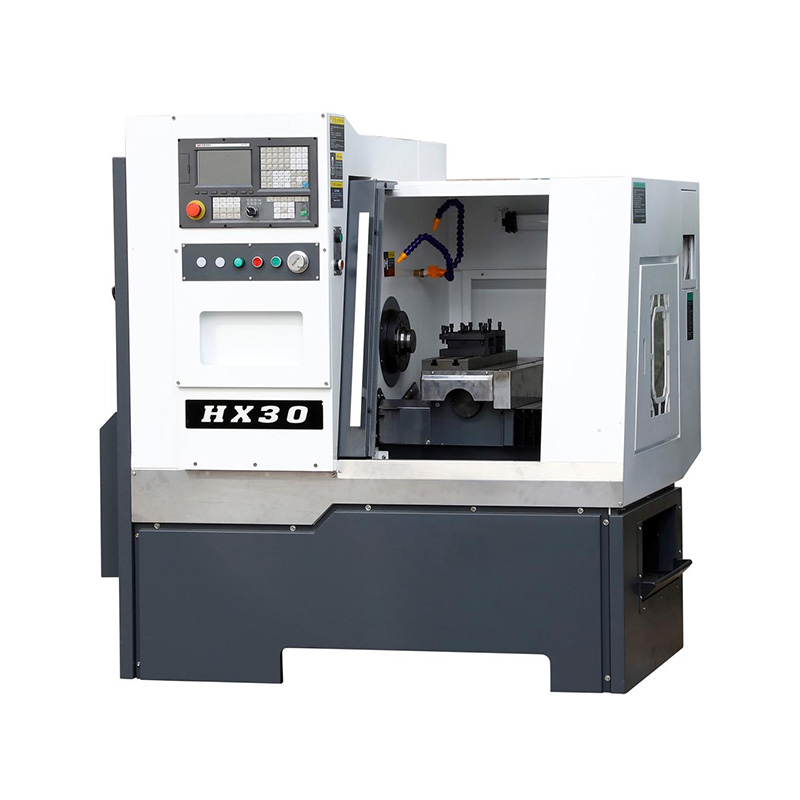
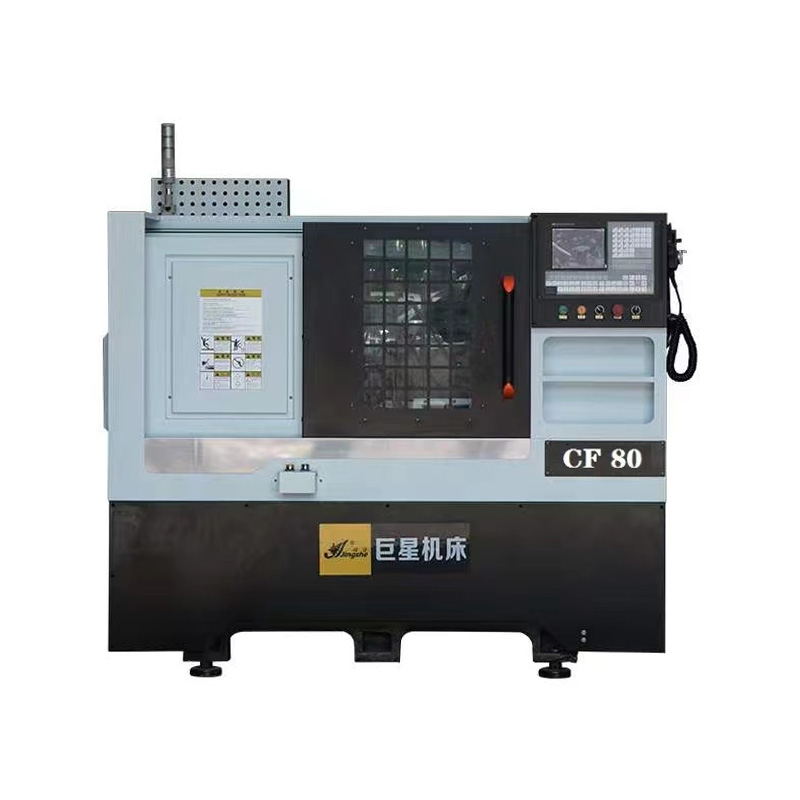
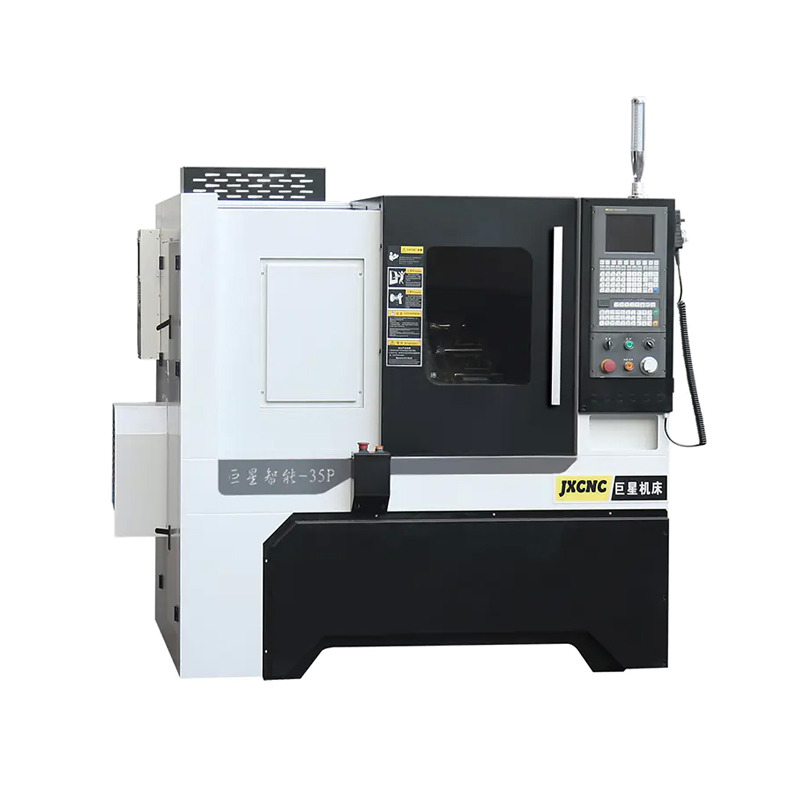
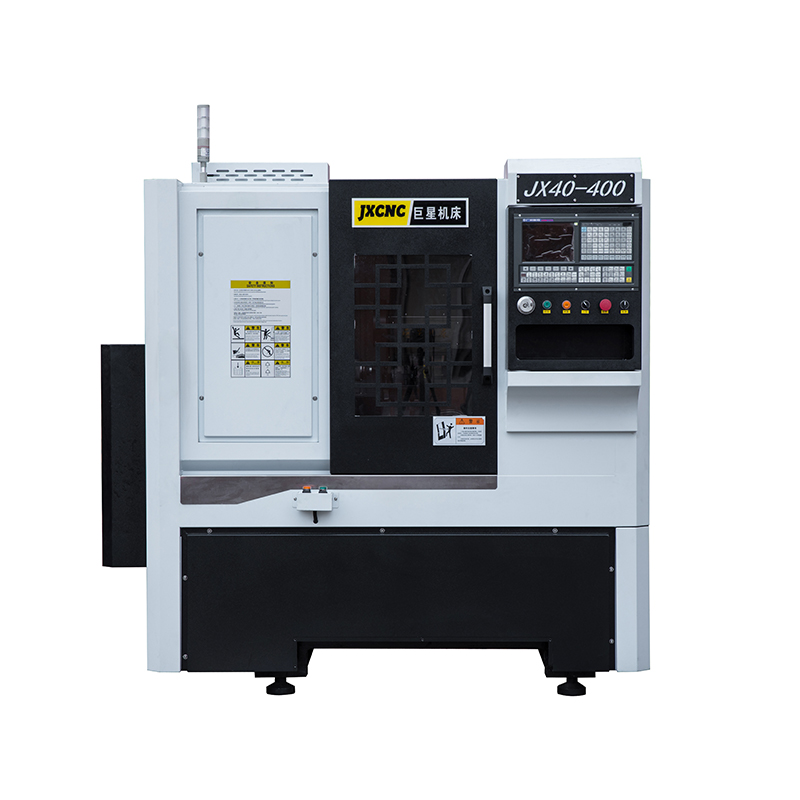
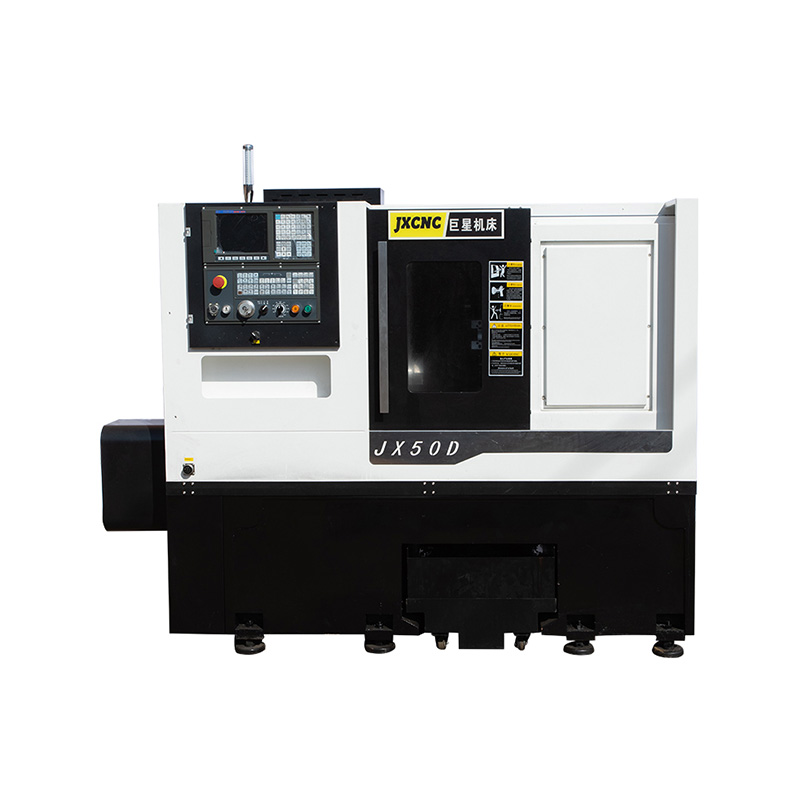
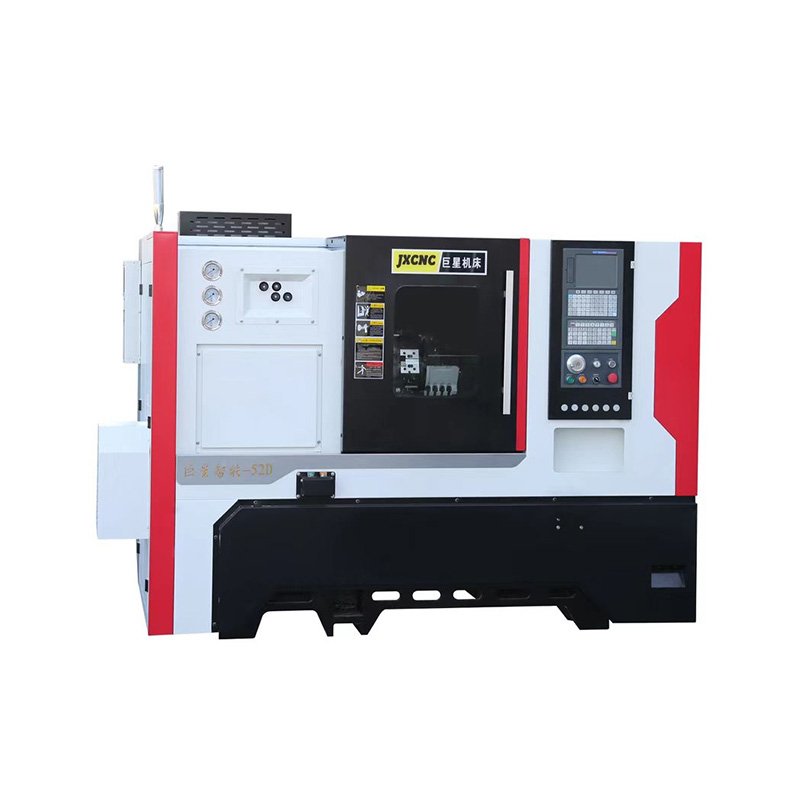
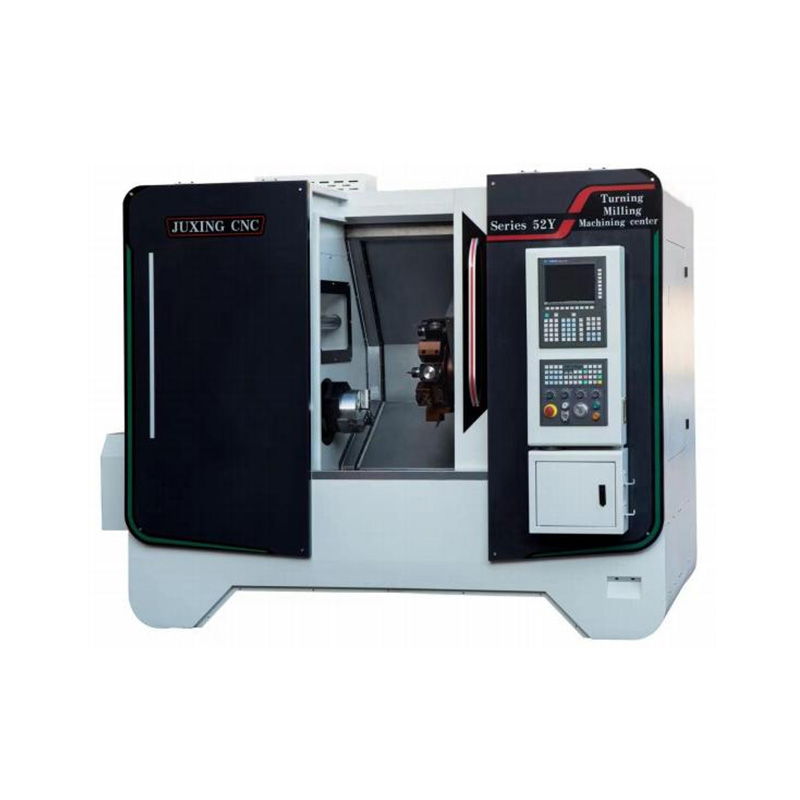
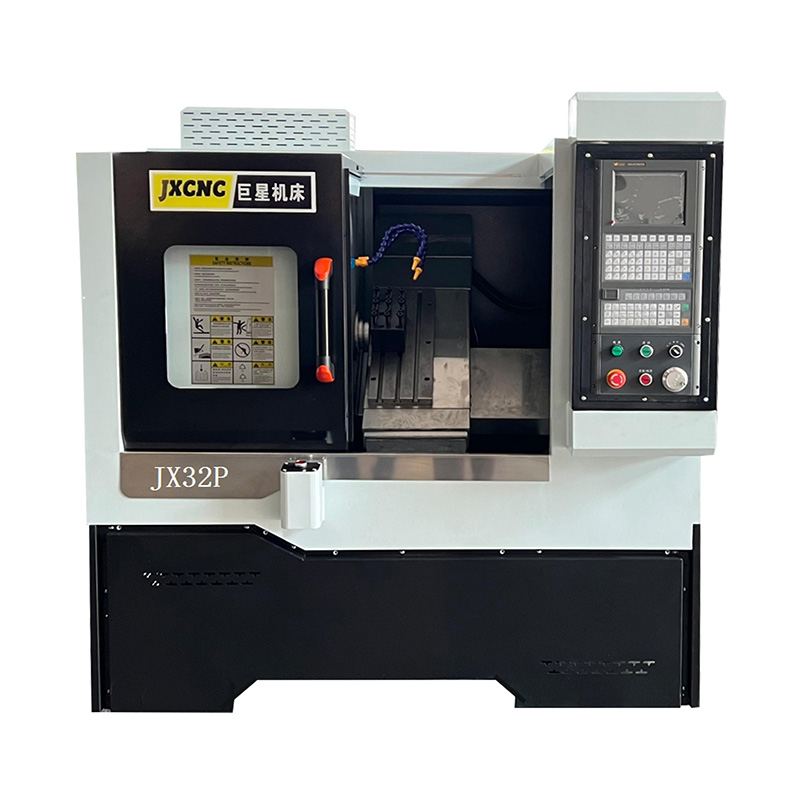
Many manufacturers use a slant bed CNC lathe machine because its rigid structure provides better support during high-speed operations. The inclined bed design improves resistance against bending and vibration, creating a more stable platform for synchronized machining processes.
Why does synchronization become harder at higher speeds?
CNC machining depends on precise coordination between multiple systems. The spindle rotates at a controlled speed, while servo motors move cutting axes according to programmed instructions. At low speeds, small response differences may have limited influence. However, high-speed operation reduces the available reaction time for correction.
- Servo response delay: Small delays between command signals and axis movement can create contour errors.
- Spindle fluctuation: Minor speed changes influence threading, profiling, and synchronized cutting operations.
- Mechanical vibration: Dynamic movement can disturb the relationship between tool position and workpiece rotation.
Research on CNC machine dynamics shows that high-speed accuracy depends on the interaction between motion systems, control units, motors, and mechanical structures. The combined behavior of these subsystems directly affects dynamic performance.
How does a slant bed structure help synchronization stability?
The machine frame provides the foundation for all synchronized movements. A weak structure can amplify small control errors because vibration and deformation change the actual position of the cutting tool.
A slant bed CNC lathe uses an inclined guideway layout that increases structural rigidity and improves cutting force distribution. Compared with traditional flat-bed structures, the larger supporting cross-section helps reduce bending and torsional deformation during heavy machining.
This structural advantage supports synchronization in several ways:
- Stable tool positioning: Reduced deformation helps the cutting edge remain closer to the programmed path.
- Lower vibration impact: A rigid base reduces unwanted movement during rapid acceleration and deceleration.
- Improved repeatability: Consistent mechanical behavior supports identical results across repeated cycles.
What causes tiny tolerance errors during high-speed turning?
Achieving extremely tight tolerances requires controlling several sources of error at the same time. Even a small positioning deviation can affect the final part measurement.
- Thermal expansion: Heat generated by spindle rotation and cutting friction changes component dimensions.
- Ball screw movement error: Transmission clearance influences positioning accuracy during axis reversal.
- Encoder feedback delay: Inaccurate position feedback prevents immediate correction.
- Tool wear variation: Cutting edge changes influence the actual machining path.
Thermal error studies on CNC lathes indicate that temperature changes inside feed systems can affect positioning accuracy, and compensation methods are often used to improve repeatability during precision machining.
Why is spindle and servo coordination important?
High-speed turning requires the spindle and feed axes to operate as a coordinated system. This is especially important during operations such as thread cutting, non-circular turning, and complex profile machining.
A spindle encoder provides rotational feedback, allowing the CNC controller to calculate the exact position of the workpiece. The servo system then adjusts axis movement according to this information.
Common synchronization challenges include:
- Acceleration mismatch: Axis motors may require different response times during rapid movement.
- Load changes: Cutting force variation affects motor torque requirements.
- Control processing limits: Complex calculations require fast and stable CNC processors.
Studies on lathe synchronization have examined the relationship between rotational speed, servo drives, and synchronization errors, showing that coordinated motion accuracy is a key factor in multi-system machining performance.
Can advanced CNC controls solve synchronization problems?
Modern CNC systems have introduced improved interpolation algorithms, real-time monitoring, and compensation functions to reduce synchronization issues. These technologies help machines adjust movement based on actual operating conditions.
However, software improvements cannot completely compensate for mechanical limitations. A machine with insufficient rigidity may still experience vibration, thermal deformation, or structural movement during demanding operations.
The best results usually come from combining:
- Rigid machine construction: Provides a stable foundation for precise movement.
- High-resolution feedback systems: Improve position monitoring accuracy.
- Optimized machining parameters: Balance speed, feed rate, and cutting force.
How can operators maintain synchronization accuracy?
Even advanced CNC equipment requires proper setup and operation. Small adjustments in machining conditions can influence synchronization performance.
- Regular calibration: Checking positioning accuracy helps identify mechanical deviations.
- Temperature monitoring: Tracking heat changes supports stable production conditions.
- Proper tooling management: Maintaining sharp cutting edges reduces unexpected load changes.
Is synchronization still a major challenge for future CNC machining?
As industries demand smaller tolerances and faster production cycles, synchronization will remain a critical technical challenge. Future CNC machines will continue improving through smarter controllers, stronger structures, and more accurate feedback systems.
The development of the slant bed CNC lathe machine demonstrates how mechanical design and control technology must work together. High-speed machining accuracy is not created by a single component but by the coordination of every part within the system.
Maintaining synchronization at tiny tolerances requires a balanced combination of rigidity, precision control, thermal management, and intelligent compensation. These factors determine whether a CNC lathe can deliver stable performance under demanding production conditions.



 English
 中文简体
中文简体 русский