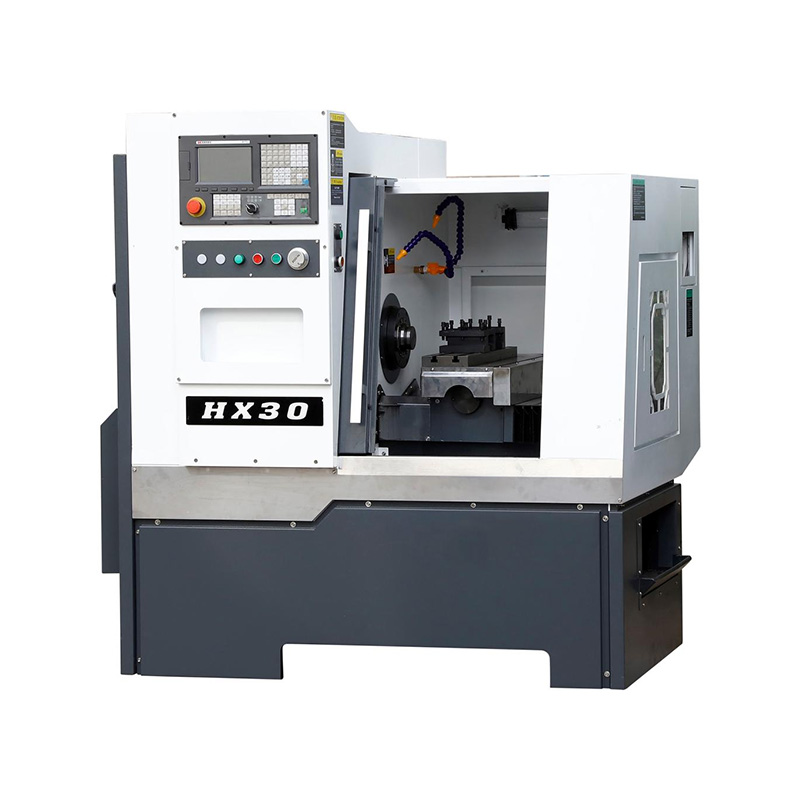
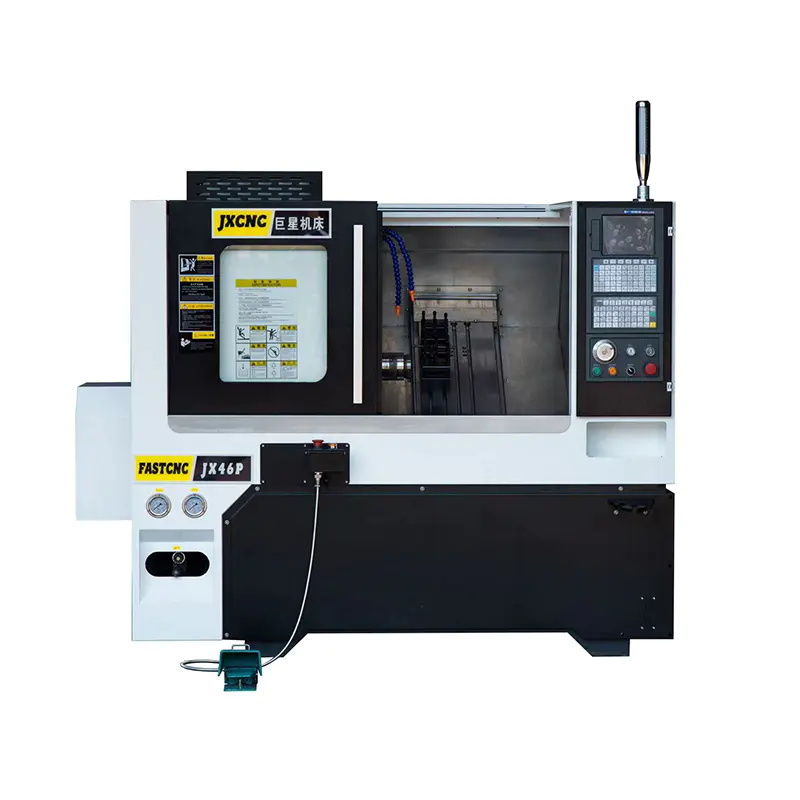
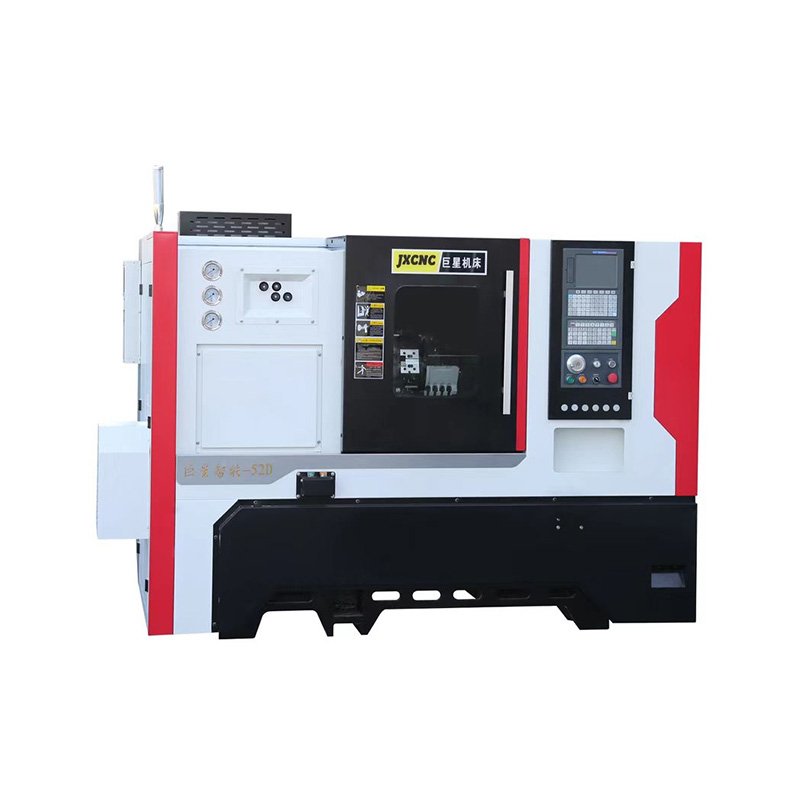
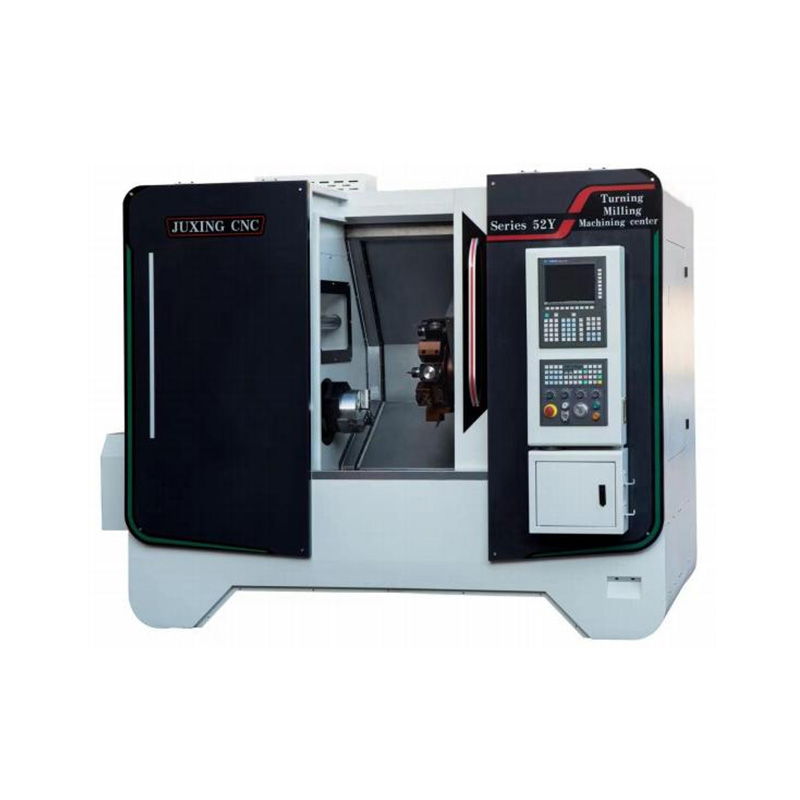
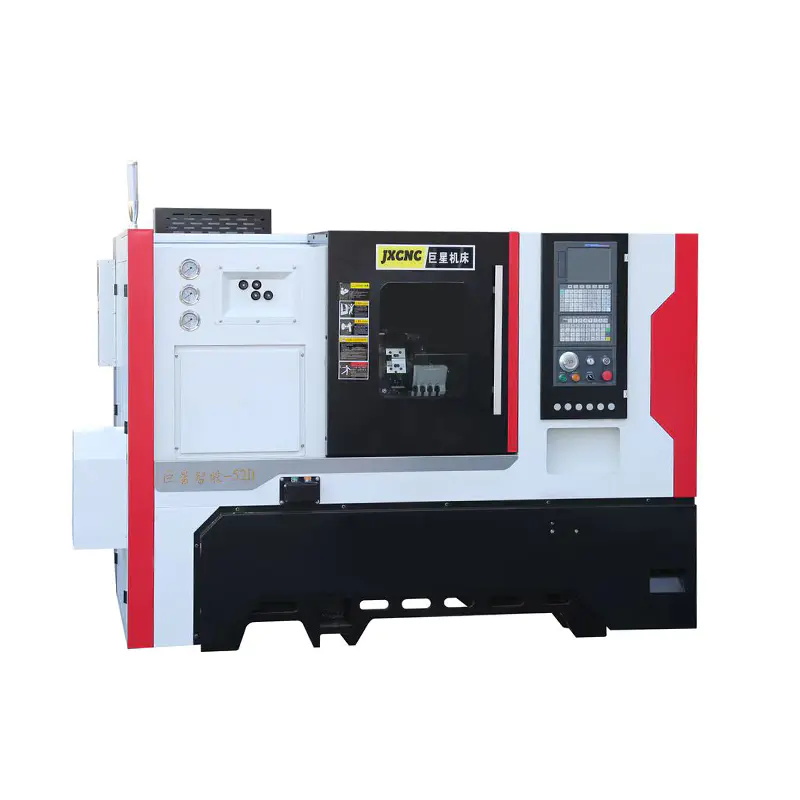
The demand for more flexible machining solutions is changing how manufacturers approach CNC turning. Traditional turning methods were mainly focused on cylindrical parts, but modern industries increasingly require components with multiple surfaces, polygon profiles, grooves, and irregular geometric features. This shift has encouraged the development of advanced turning systems capable of handling different shapes within a single machining process.
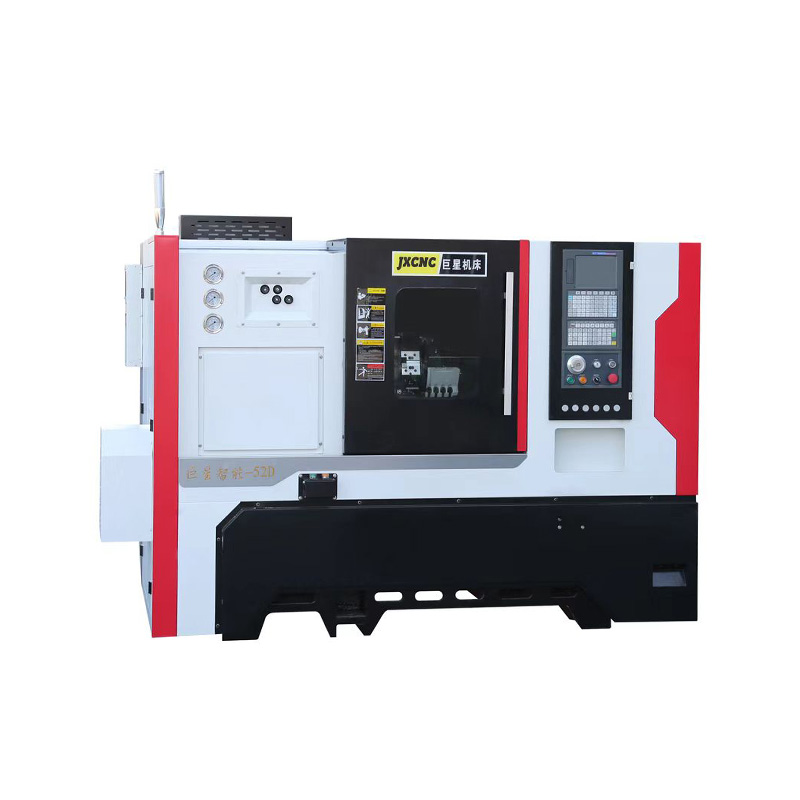
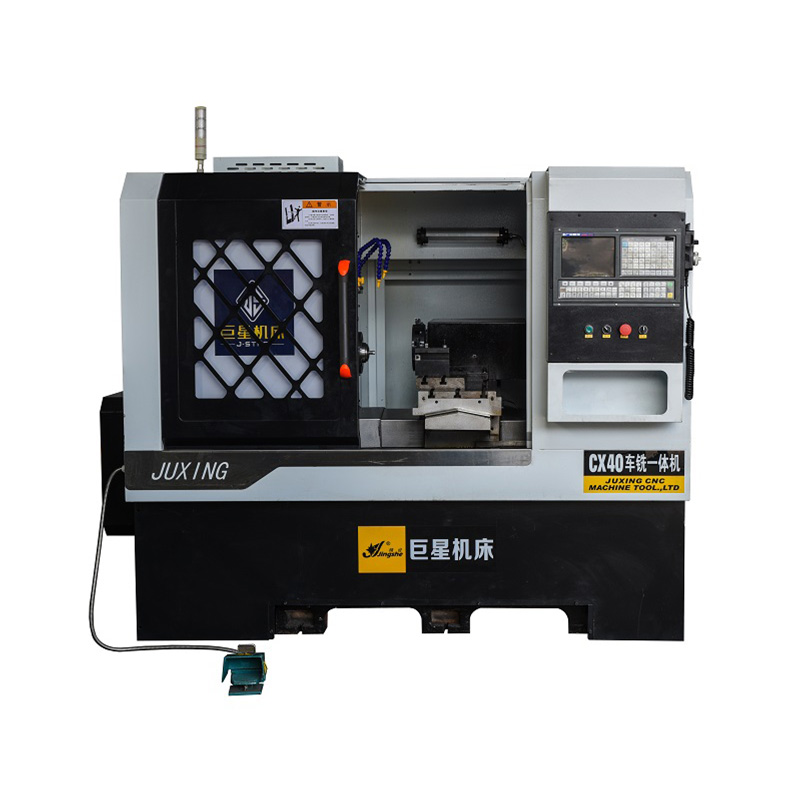
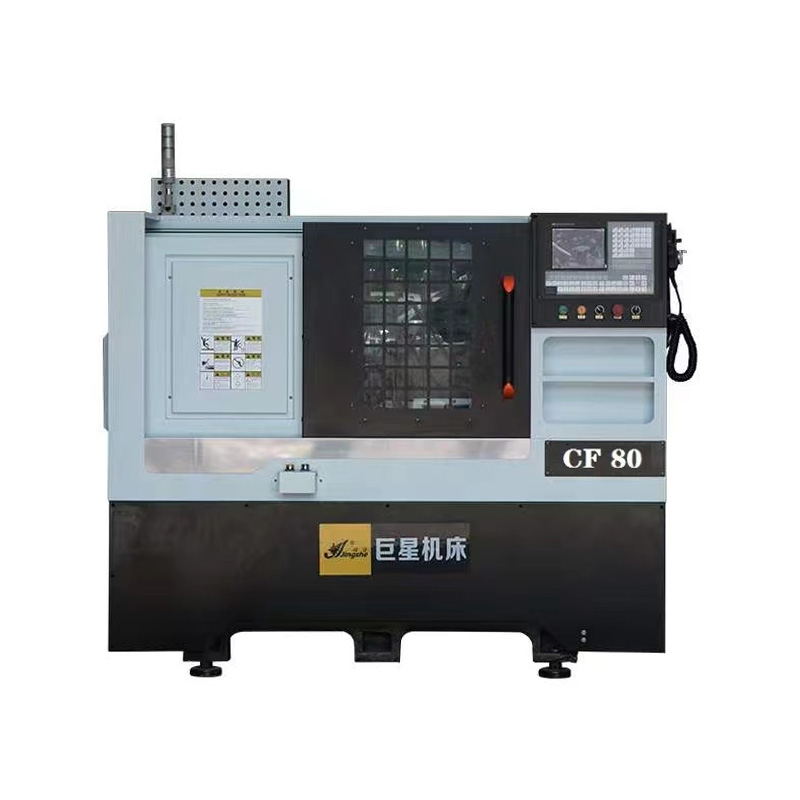
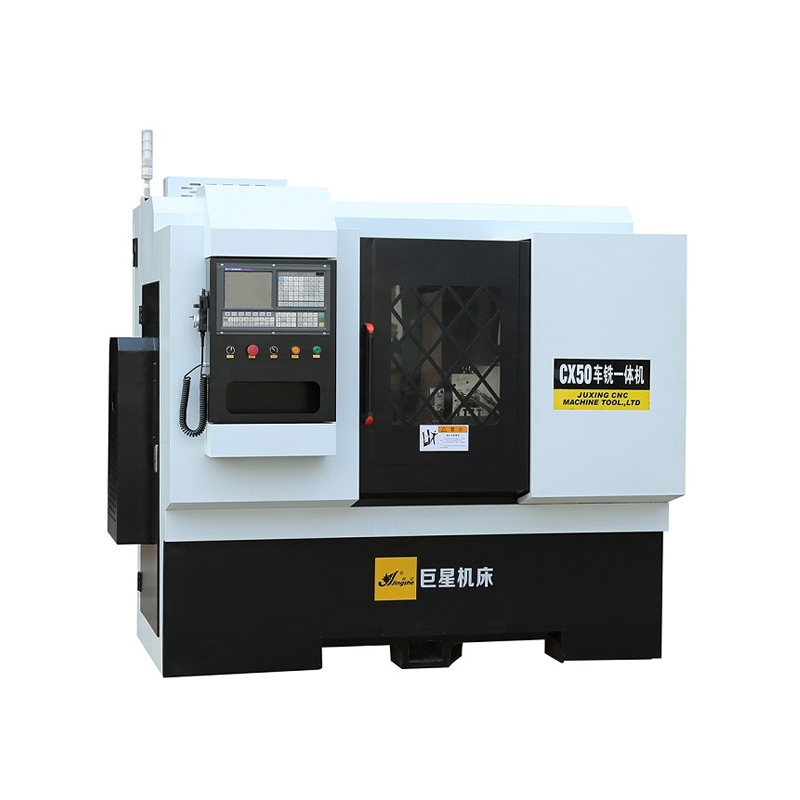
Multi-shape CNC turning combines accurate positioning, synchronized movement, and improved workpiece support to expand the capability of conventional lathes. A Hexagonal Tailstock Lathe Machine represents this direction by providing enhanced support for complex components that require stable positioning during multi-face machining operations.
Modern CNC equipment is moving toward fewer setups and more integrated machining processes. Multi-tasking CNC systems are designed to combine turning, milling, and other operations within one platform, reducing the need for additional fixtures and secondary processes.
Why are multi-shape components becoming more common?
Many industries are no longer limited to simple round shafts or standard profiles. Automotive, hydraulic, aerospace, and industrial equipment manufacturers require parts with multiple functional surfaces that improve assembly performance and mechanical connection.
Examples of multi-shape components include:
- Hexagonal sections: Used for fastening areas, torque transmission, and tool engagement surfaces.
- Polygon profiles: Applied in components requiring flat surfaces instead of traditional circular shapes.
- Combined contours: Parts containing different diameters, grooves, tapers, and irregular sections.
Polygon turning technology allows CNC lathes to create flat planes through synchronized spindle and live tool rotation, offering an alternative approach to machining individual surfaces separately.
How does flexible CNC turning improve production processes?
Manufacturers are increasingly interested in reducing workpiece transfers between different machines. Every additional setup introduces potential alignment errors and increases preparation time.
Flexible CNC turning systems address this challenge by allowing multiple machining operations within one clamping process.
- Reduced repositioning: Keeping the component in one fixture helps maintain dimensional consistency.
- Simplified workflow: Multiple machining steps can be completed with fewer manual interventions.
- Improved process control: A single CNC program manages different machining stages.
Some advanced CNC turning platforms integrate turning and polygon milling functions together, allowing operators to process two-side, four-side, or six-side geometries without transferring parts to another machine.
What role does tailstock technology play in multi-shape machining?
As part geometry becomes more complicated, workpiece stability becomes a critical factor. Long or slender components may experience vibration, bending, or displacement under changing cutting forces.
A tailstock provides additional support by maintaining alignment between the spindle and the workpiece center. During multi-shape turning, this support becomes even more important because cutting forces may change as the tool contacts different surfaces.
A Hexagonal Tailstock Lathe Machine focuses on improving support stability through optimized tailstock structure and positioning accuracy. This design concept helps create a more balanced machining environment during operations involving multiple profiles.
- Higher support rigidity: Helps reduce workpiece movement during heavy cutting.
- Better alignment control: Maintains center accuracy throughout machining cycles.
- Stable surface formation: Reduces vibration marks on finished components.
How do CNC controls support flexible shape processing?
Mechanical design alone cannot achieve flexible machining. Advanced CNC controllers coordinate spindle rotation, axis movement, and tooling operations to create accurate multi-profile parts.
Modern systems use high-speed processors, improved interpolation algorithms, and feedback sensors to manage complex movement patterns. These technologies allow machines to maintain synchronization during operations such as polygon turning, contour machining, and multi-axis cutting.
For example, polygon machining requires precise coordination between spindle speed and cutting tool rotation. The number of generated planes depends on factors such as tool insert arrangement and rotational speed ratio.
Why is machine rigidity important for flexible turning?
Greater machining flexibility creates higher demands on machine construction. A CNC lathe must maintain stability while handling different cutting directions, tool loads, and workpiece geometries.
Important structural elements include:
- Heavy-duty bed structure: Reduces deformation caused by cutting forces.
- Precision guideways: Support accurate axis movement.
- Balanced spindle system: Maintains smooth rotation during high-speed operation.
Slant bed designs and rigid machine frames are commonly applied in modern CNC turning centers because they improve stability and support efficient chip removal during continuous machining.
Can flexible CNC turning replace traditional machining methods?
Flexible turning does not eliminate every traditional machining process. Some highly complex shapes or strict surface requirements may still require milling, grinding, or additional finishing operations.
However, for many industrial components, integrated CNC turning provides significant advantages by combining multiple operations into one production cycle.
- Better process integration: More operations can be completed on one machine.
- Lower handling requirements: Fewer transfers reduce potential setup variation.
- Greater production adaptability: Machines can handle different part designs with programming changes.
The future direction of multi-shape CNC turning
The development of flexible CNC turning reflects a broader movement toward intelligent and adaptable manufacturing. Customers increasingly require machines that can process different component designs while maintaining accuracy and repeatability.
Future CNC turning solutions will likely continue integrating automation, digital monitoring, and advanced support systems. Tailstock technology, spindle control, and multi-axis coordination will remain important factors in improving machining capability.
The transition from single-purpose turning toward flexible multi-shape machining represents a major change in manufacturing strategy. A Hexagonal Tailstock Lathe Machine is part of this evolution, helping manufacturers achieve stable processing for complex components while reducing dependence on multiple machining stages.



 English
 中文简体
中文简体 русский