English
 中文简体
中文简体 русский
CF40 Automatic CNC Polygon Turning Machine Lathe
Cat:Small Polygon Lathe
The CF40 Automatic CNC Polygon Turning Machine Lathe is specifically designed for small to medium-sized, high-precision parts milling, enabling the ma...
See Details


Modern CNC turning continues to move toward higher rotational speeds, tighter tolerances, and more complex component designs. Parts with multiple surfaces, irregular profiles, and extended lengths often require stronger support systems to maintain machining stability. The tailstock, which was once considered a simple supporting component, now plays a more important role in precision turning applications.
A hexagonal tailstock design is attracting attention because of its potential to improve rigidity and positioning stability during multi-shape machining operations. Combined with advanced CNC control systems and rigid machine structures, this type of support solution can help maintain accuracy during demanding production tasks. A high speed precision CNC lathe relies not only on spindle performance but also on how effectively the workpiece remains supported throughout the cutting process.
Tailstocks with rotating centers or hydraulic movement systems are commonly used to provide additional support for long workpieces during CNC turning. These systems reduce vibration and help maintain alignment during high-speed rotation.
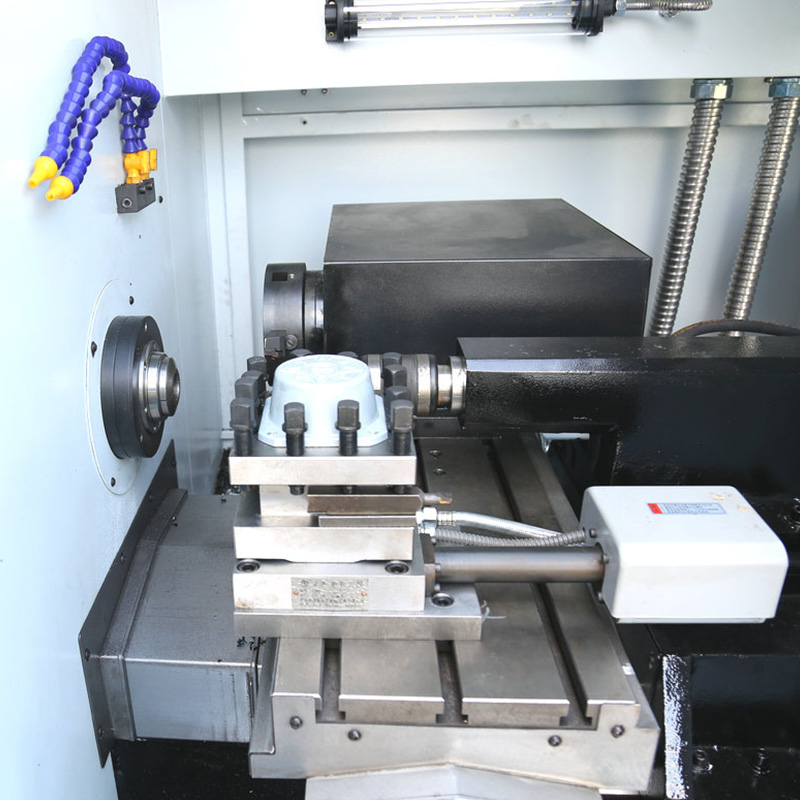
During multi-shape turning, cutting forces constantly change as the tool contacts different sections of the material. A workpiece with insufficient support may experience deflection, especially during deep cuts, high feed rates, or machining of long shafts.
A properly adjusted tailstock creates a balanced machining environment between the spindle side and support side. This becomes increasingly valuable during operations involving hexagonal sections, multiple flats, or changing cutting directions.
The hexagonal concept focuses on increasing structural contact and improving resistance against external forces. Compared with simpler support designs, a multi-face structure can distribute mechanical stress across several directions instead of concentrating force in a limited area.
During CNC turning, cutting forces are rarely applied from only one direction. Radial pressure, axial pressure, and vibration forces act together. A hexagonal support configuration can provide a more balanced response by strengthening different load paths.
Complex turning applications often involve parts that combine cylindrical surfaces with polygon sections, grooves, tapers, or multiple diameters. These shapes create different cutting conditions throughout one machining cycle.
A conventional turning process may face accuracy challenges because each profile change modifies cutting resistance. A stable tailstock system helps reduce the influence of these variations by maintaining firm support behind the workpiece.
Applications that may benefit from stronger tailstock support include:
High-speed turning creates greater demand on every mechanical component. A tailstock that lacks rigidity may produce small alignment errors, which become visible on finished surfaces.
Modern CNC machines often combine hydraulic tailstocks, precision live centers, and automatic positioning functions to maintain consistent support. Some CNC turning centers use independent tailstock guide systems to improve movement accuracy and reduce interference with the main machine structure.
For high-speed machining, several tailstock factors require attention:
A stronger support structure improves mechanical stability, but it cannot replace precision control technology. CNC accuracy depends on the interaction between machine frame, spindle system, servo drives, tooling, and programming strategy.
Research on high-speed and high-precision CNC systems highlights that mechanical structures and motion control systems must work together to achieve stable dynamic performance.
A hexagonal tailstock should therefore be viewed as one part of a complete precision machining system rather than an independent accuracy solution.
Before applying a specialized tailstock design, manufacturers should evaluate the relationship between workpiece size, machining speed, and cutting conditions.
As CNC machining continues toward automation and intelligent production, support components are also becoming more advanced. Automatic positioning, sensor monitoring, and adaptive pressure adjustment are expected to improve tailstock performance in future machining systems.
The hexagonal tailstock concept reflects a broader trend: precision turning is no longer determined by one component alone. Every mechanical element contributes to stability, repeatability, and final part quality.
A well-designed tailstock can significantly support multi-shape turning operations, especially under high-speed conditions. Combined with rigid machine construction and accurate CNC control, it helps create a more stable machining environment for complex components.
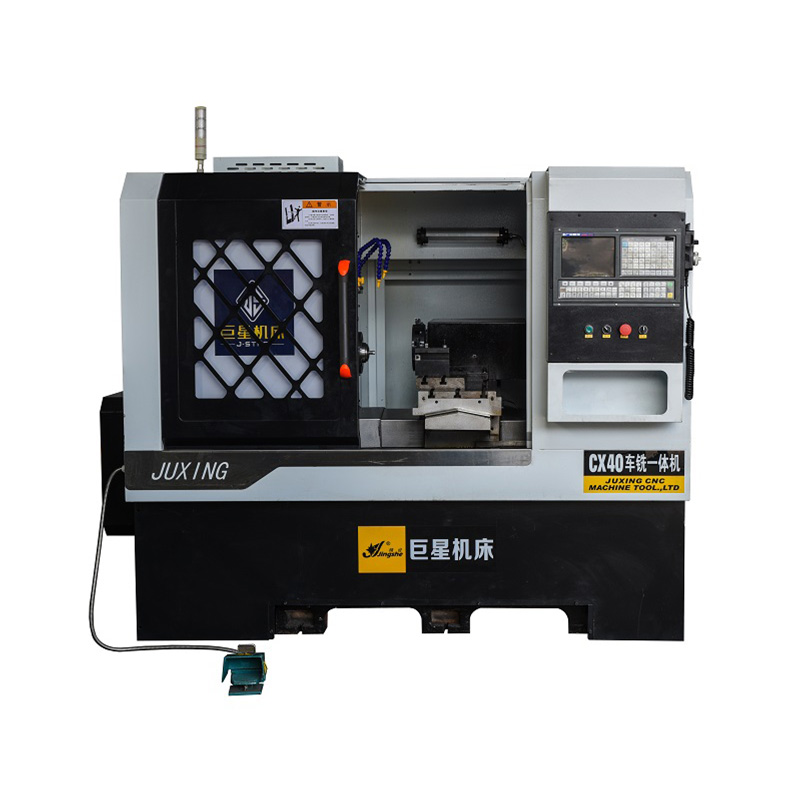
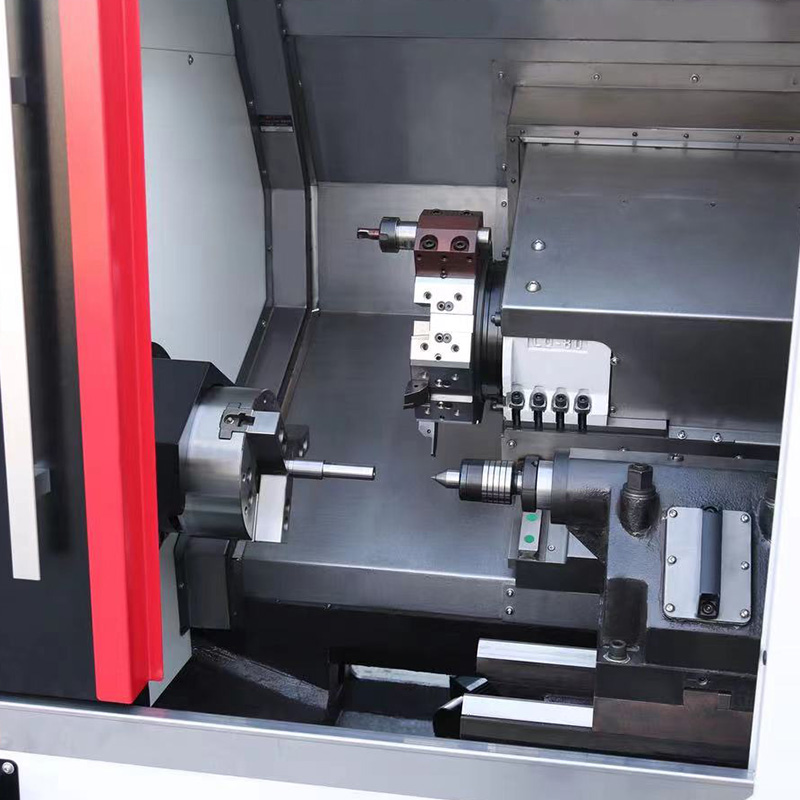
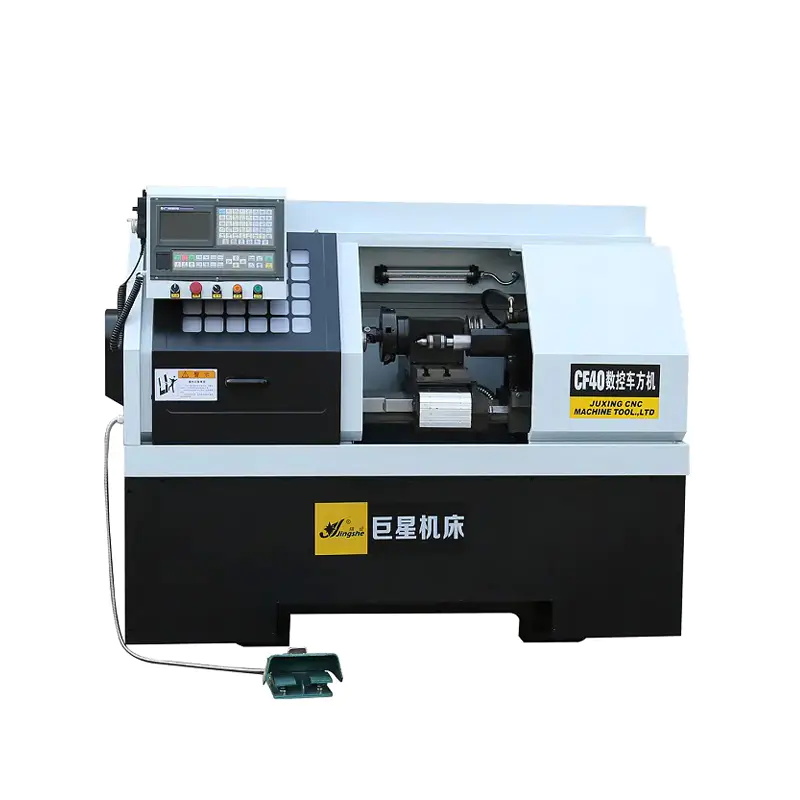
The CF40 Automatic CNC Polygon Turning Machine Lathe is specifically designed for small to medium-sized, high-precision parts milling, enabling the ma...
See Details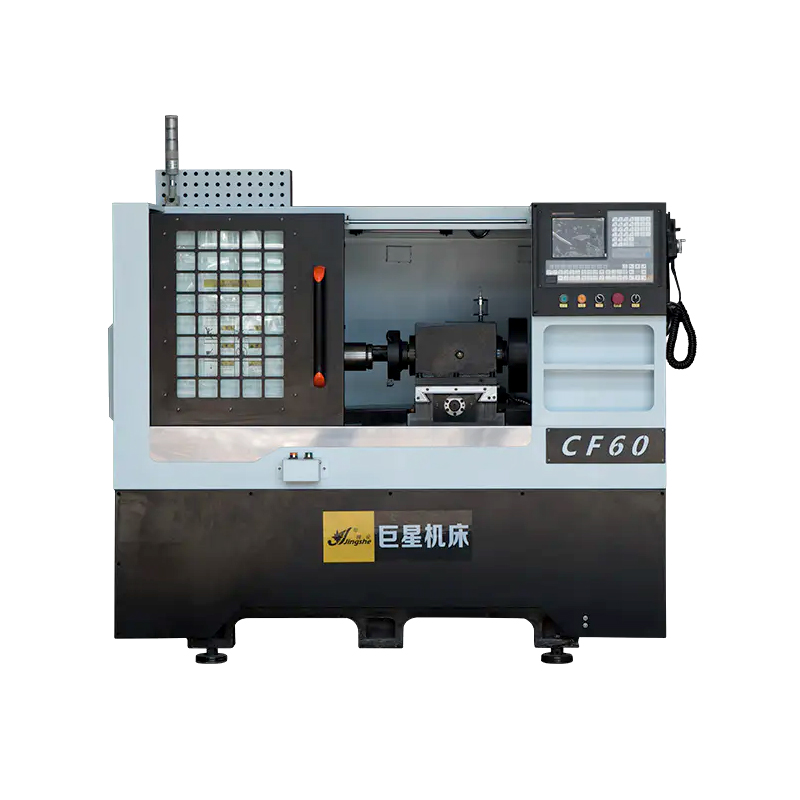
The CF60 CNC Polygon Lathe is a highly efficient and versatile machine tool designed for small to medium-sized precision parts milling. It is capable ...
See Details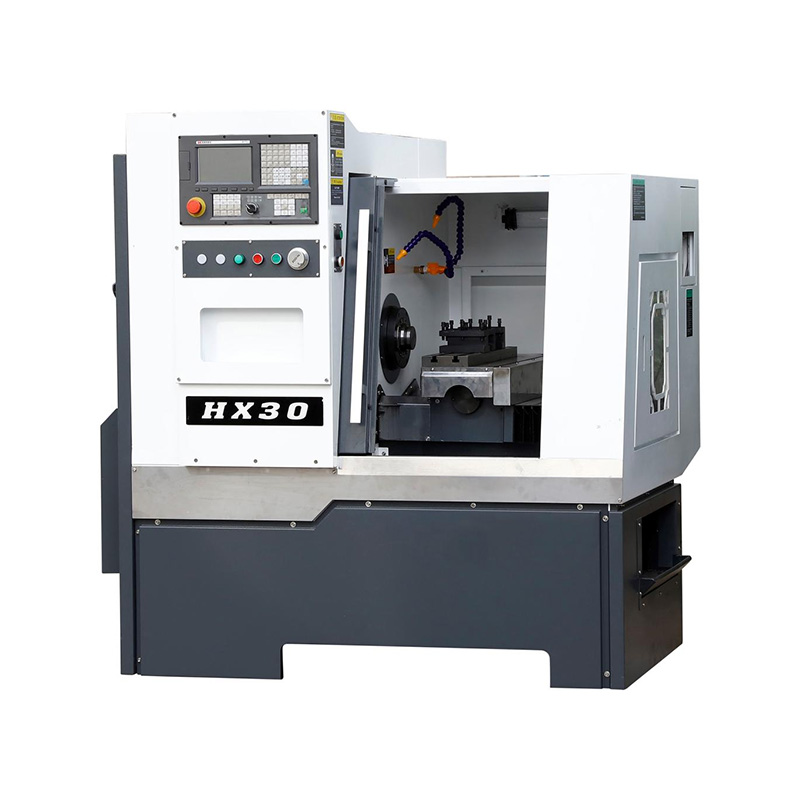
A notable feature of the HX30 Mandrel Bar Feeder Cheap CNC Lathe is its efficient and reliable mandrel bar feeder. The mandrel serves as a support for...
See Details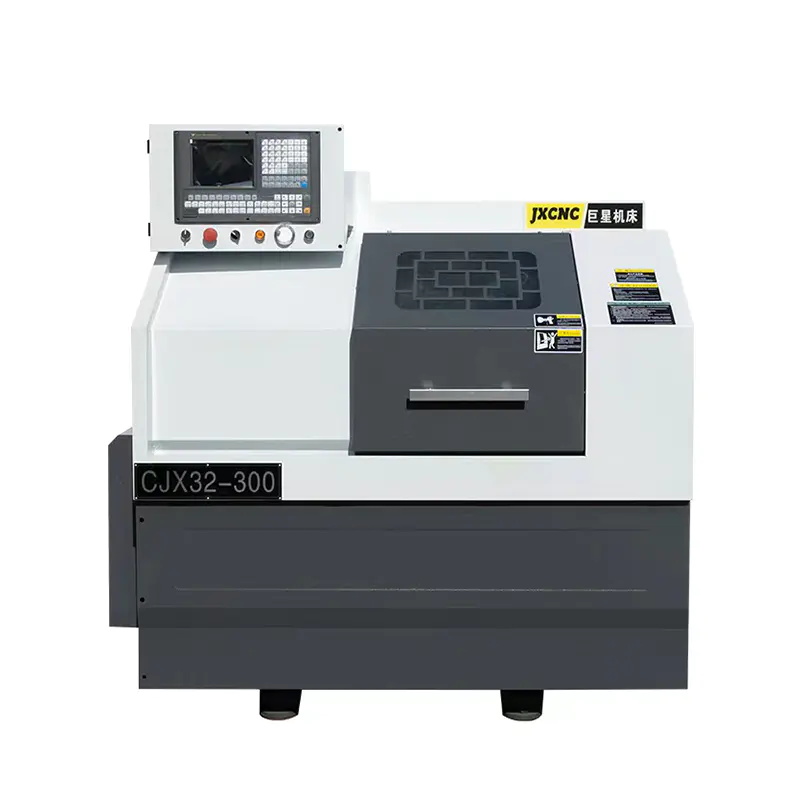
The JX32-300 Mini Economical CNC Lathe Machine is designed to provide high precision and efficient machining for a wide range of metal products. With ...
See Details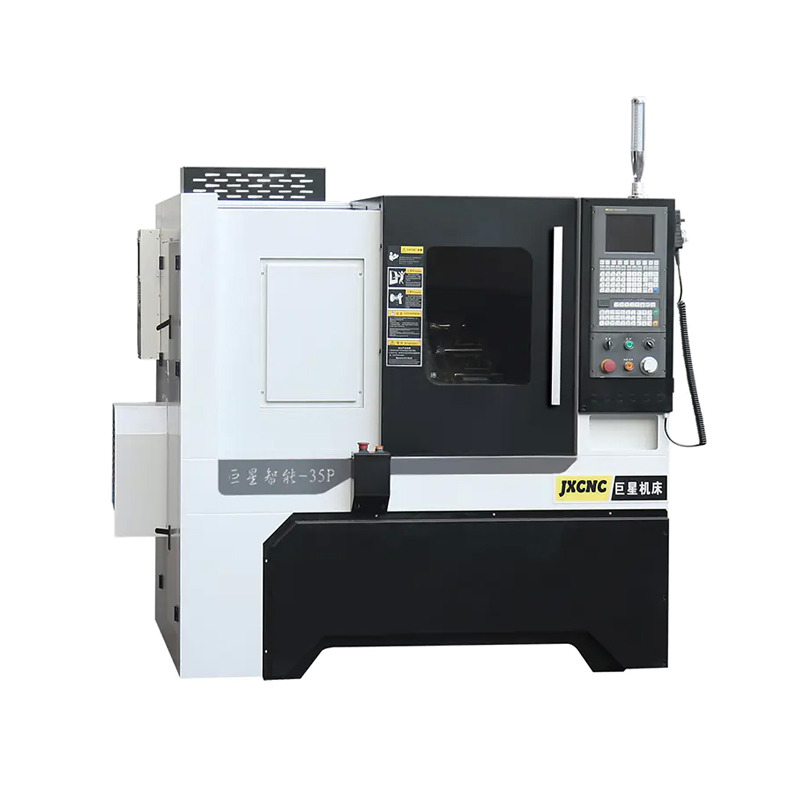
The JX35P CNC Hiwin Linear Guide Machine with High Precision is a reliable and robust solution for various machining applications. With its horizontal...
See Details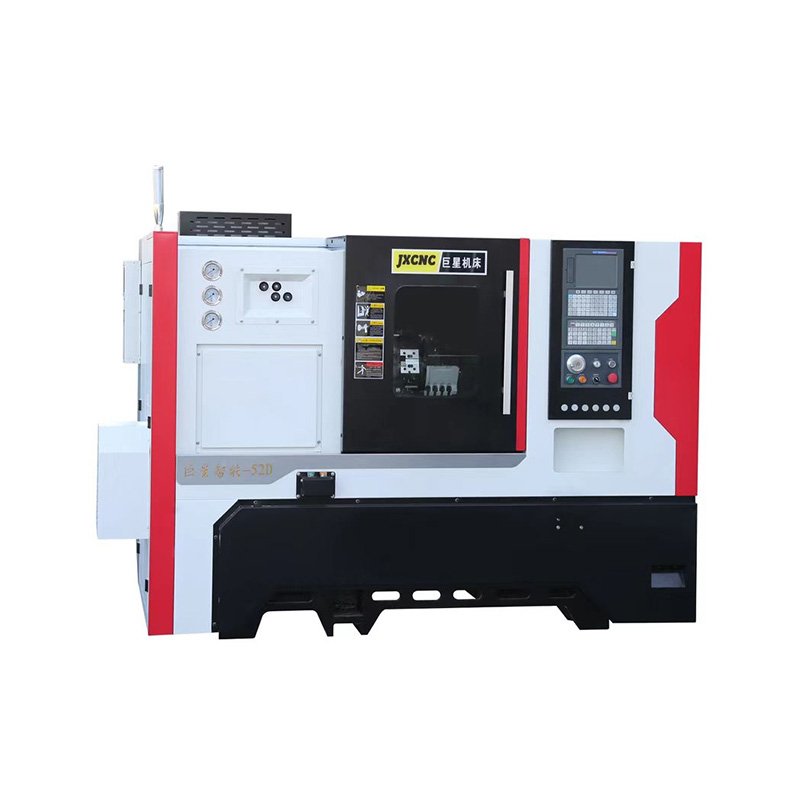
As a trusted machine tool equipment supplier in China, we prioritize customer satisfaction and strive to provide the solutions and support. Our JX52D ...
See Details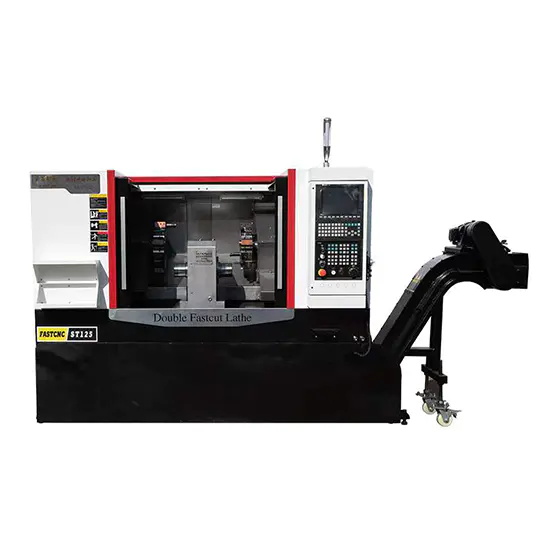
The JX125 Double Head CNC Machine is a cutting-edge machine tool that utilizes a central spindle, two Z-axes, two X-axes, and bidirectional drag plate...
See Details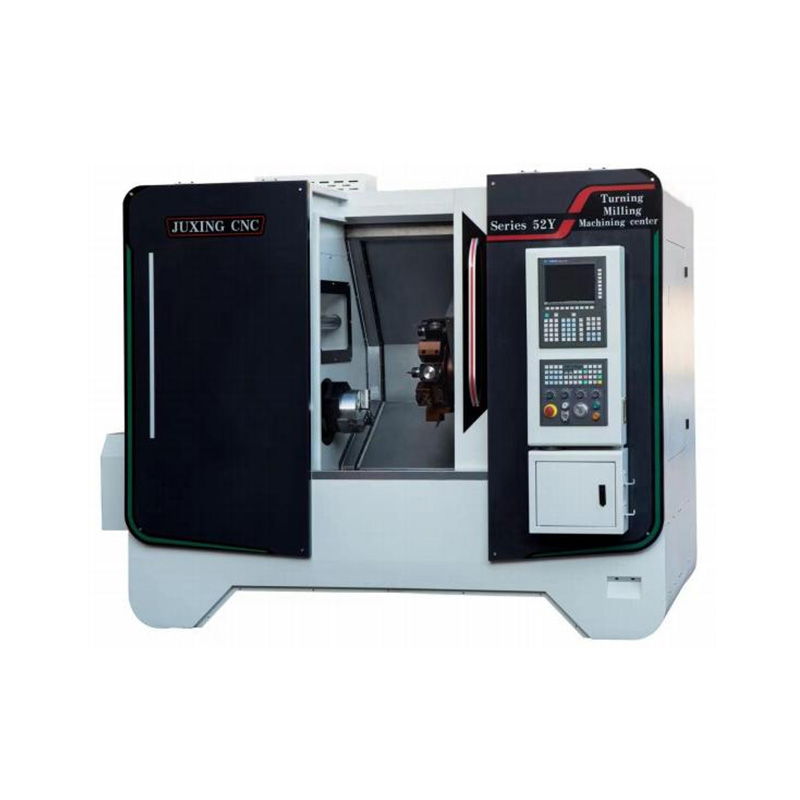
In conclusion, the JX52Y CNC Turning Lathes with Computer Control System is a highly advanced and efficient machine that combines the functionality of...
See DetailsTEL : +86-576-87491531
FAX : +86-576-87493038
E-MAIL : chinajuxing@aliyun.com
ADDRESS: Longxi Industrial Zone, Yuhuan City, Taizhou City, Zhejiang Province, China
CopyrightTaizhou Yestar Intelligent Equipment Co., Ltd. All Rights Reserved.