English
 中文简体
中文简体 русский
CF40 Automatic CNC Polygon Turning Machine Lathe
Cat:Small Polygon Lathe
The CF40 Automatic CNC Polygon Turning Machine Lathe is specifically designed for small to medium-sized, high-precision parts milling, enabling the ma...
See Details


Milling machines are widely used in manufacturing, metalworking, and machining industries to remove material from a workpiece using rotating cutting tools. They allow the creation of flat, curved, or irregular surfaces and can also produce slots, gears, and threads. Understanding the types of milling machines, the reasons for purchasing one, and their performance characteristics is important for selecting the appropriate equipment for specific machining tasks.
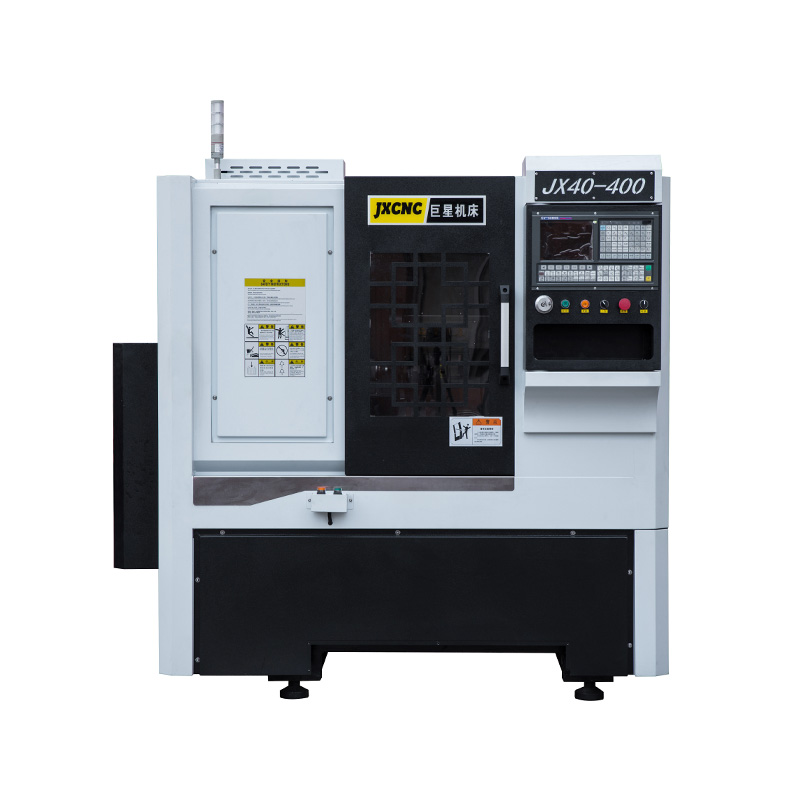
Milling machines are classified based on their orientation, operation, and design. Each type has distinct features and applications.
Horizontal Milling Machines:
The spindle is oriented horizontally, and the cutting tool rotates perpendicular to the workpiece.
Typically used for producing slots, grooves, and complex surfaces on larger workpieces.
Allows the use of multiple cutters mounted on an arbor for simultaneous cutting operations.
Vertical Milling Machines:
The spindle is oriented vertically, with the cutting tool moving down onto the workpiece.
Commonly used for face milling, slotting, and drilling operations.
Provides better visibility and easier setup for precision work.
Universal Milling Machines:
Can operate in both horizontal and vertical orientations.
Suitable for more complex parts requiring multiple angles or surfaces.
Provides flexibility for medium- to large-scale workshops.
CNC Milling Machines:
Controlled by computer numerical control (CNC) software.
Can perform highly precise and automated operations, including complex 3D contouring.
CNC milling machines include both horizontal and vertical variants but are distinguished by automation and programmability.
Specialized Milling Machines:
Includes bed-type, knee-type, and planer-type machines designed for specific production needs.
Used in industries such as aerospace, automotive, and tooling where precise dimensions and repeatable operations are required.
Each type of milling machine is suited to different workpiece sizes, complexity, and production requirements. Choosing the right type ensures efficient operation and results.
Purchasing a milling machine can be justified for several practical reasons in both small and large-scale manufacturing.
Versatility in Operations: Milling machines can perform a variety of tasks, including cutting, drilling, shaping, and threading. One machine can replace multiple specialized tools.
Precision and Accuracy: Properly set up milling machines allow precise material removal, resulting in consistent dimensions and tight tolerances.
Material Compatibility: Milling machines can work with metals, plastics, and composite materials, expanding their applicability across industries.
Labor Efficiency: Manual machines reduce manual labor compared to hand tools, while CNC machines automate repetitive tasks, reducing operator workload.
Tooling Adaptability: Different types of cutters and attachments can be used to perform varied operations without requiring separate machines.
Overall, a milling machine provides practical value for workshops, manufacturing units, and repair facilities by enabling multiple machining operations in a single platform.
The performance of a milling machine can be evaluated based on precision, productivity, durability, and operational efficiency.
Precision and Tolerances: Milling machines, especially CNC variants, can maintain consistent dimensional tolerances. Precision is influenced by machine rigidity, spindle accuracy, and tool condition.
Cutting Speed and Feed Rates: Machines with variable spindle speeds and feed rates allow efficient cutting of different materials without compromising surface finish.
Surface Finish: Milling machines produce flat, smooth surfaces and can create complex contours. The quality depends on tool sharpness, material properties, and machine rigidity.
Durability and Maintenance: Milling machines are built with rigid frames and durable components to withstand repeated machining operations. Regular maintenance, lubrication, and calibration are required to sustain performance.
Operational Flexibility: Manual machines provide operator control, while CNC machines offer automation, program repeatability, and reduced error, improving overall productivity.
The combination of precision, adaptability, and durability ensures that milling machines can handle both prototype and production tasks effectively. However, machine performance depends on proper setup, tool selection, and operator expertise.
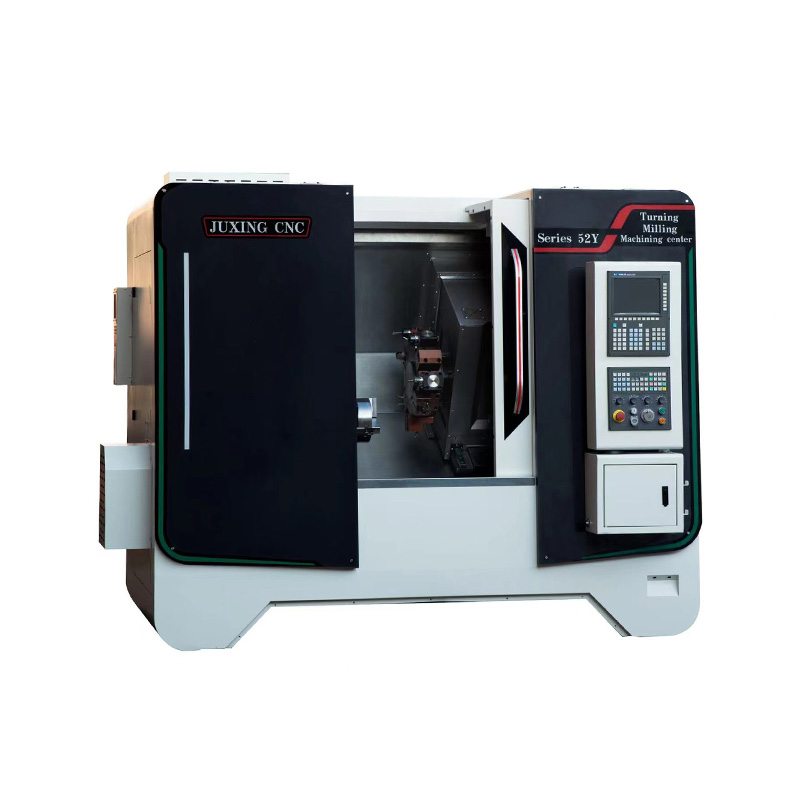
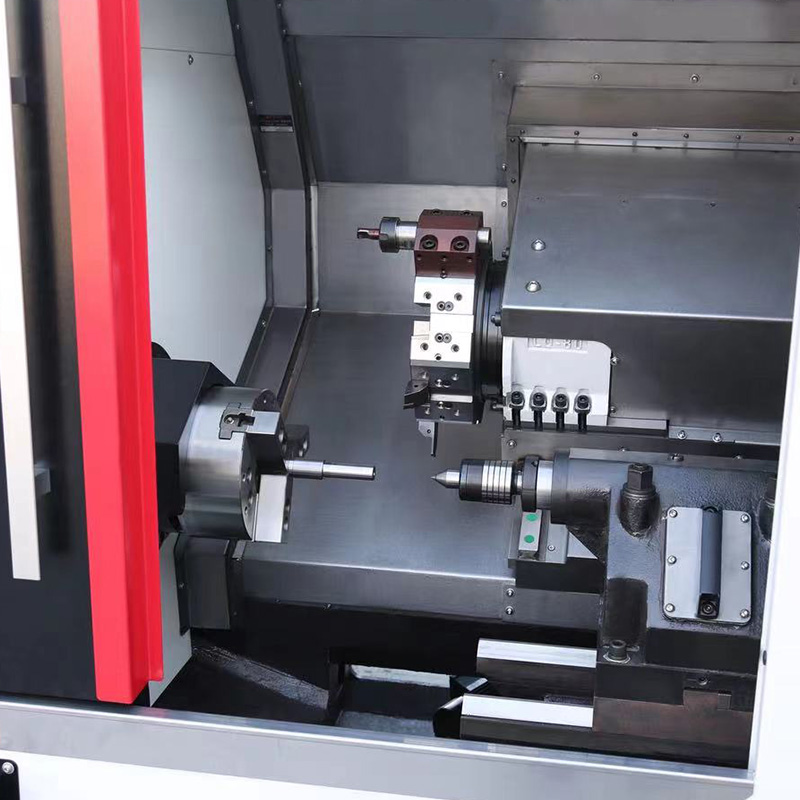
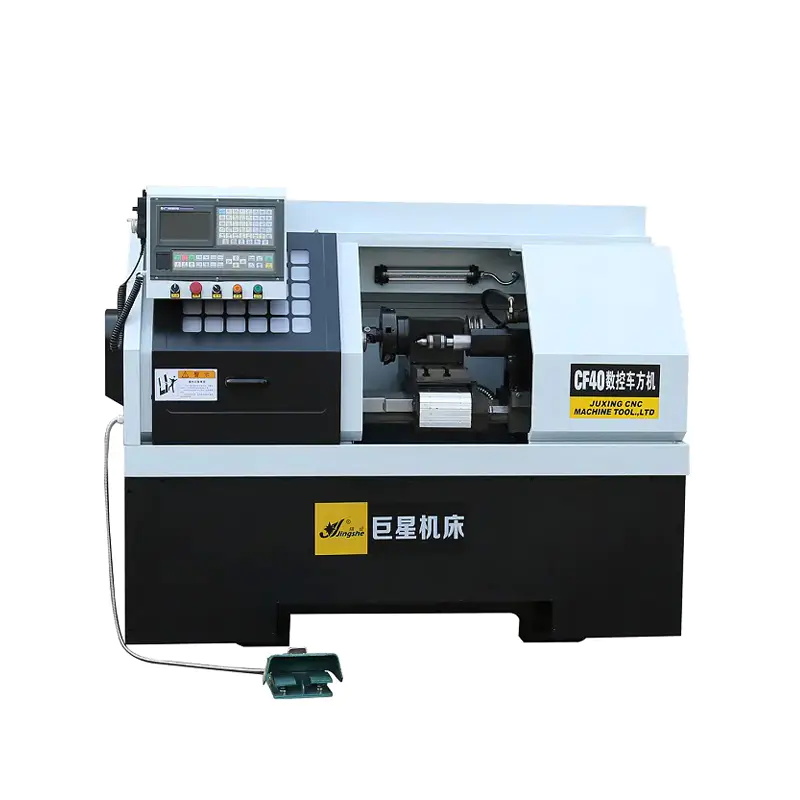
The CF40 Automatic CNC Polygon Turning Machine Lathe is specifically designed for small to medium-sized, high-precision parts milling, enabling the ma...
See Details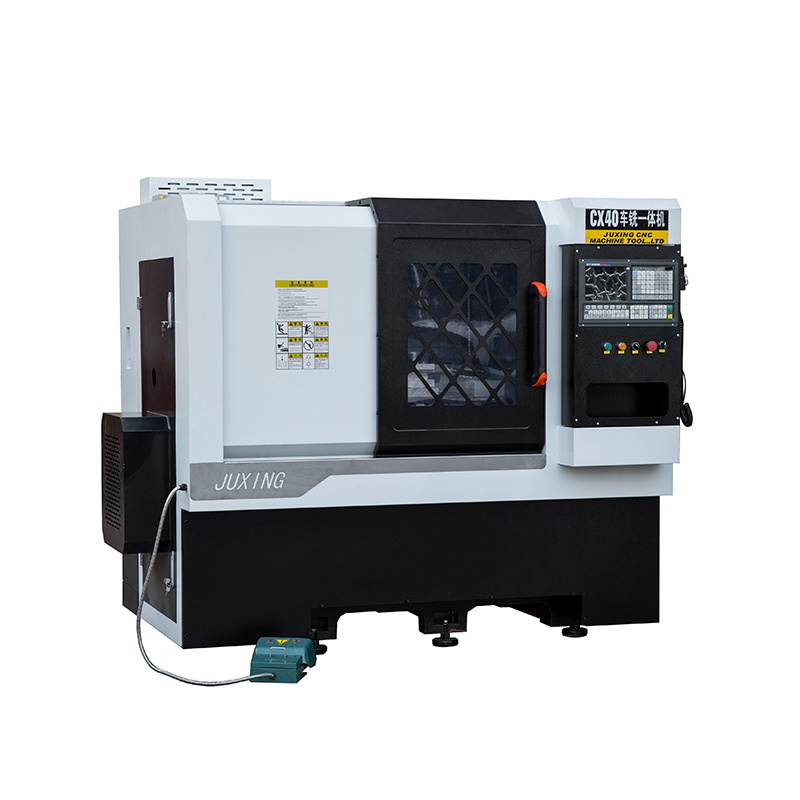
The CX40 High Precision Linear Track Horizontal CNC Lathe Machine is designed to provide exceptional performance and versatility for precision machini...
See Details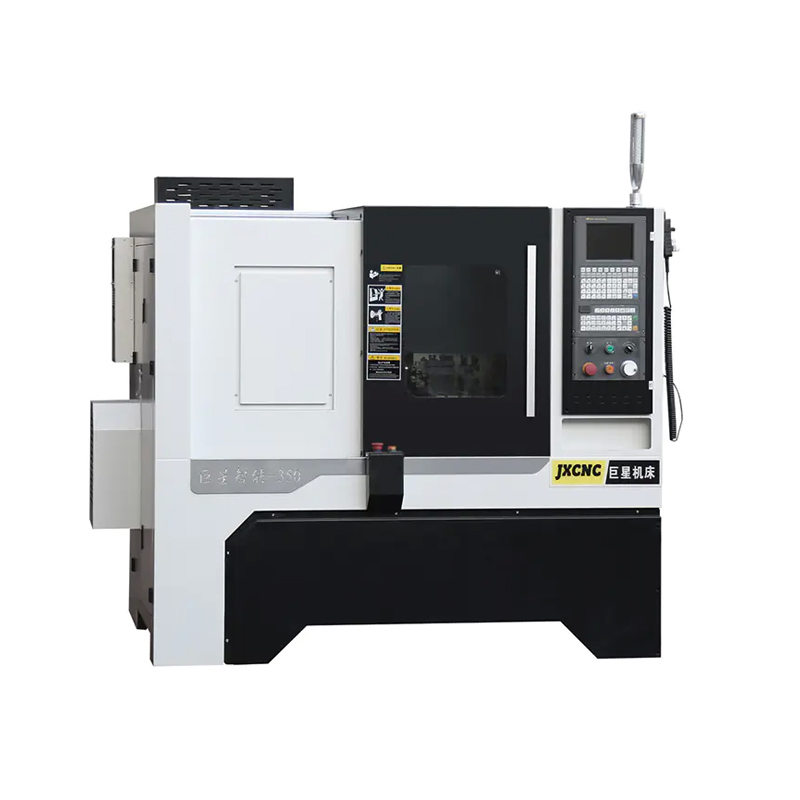
The JX350 Gang Type CNC Lathe for Cutting Tool with Rapid Tool Changing is designed to deliver high precision and efficiency in cutting tool operation...
See Details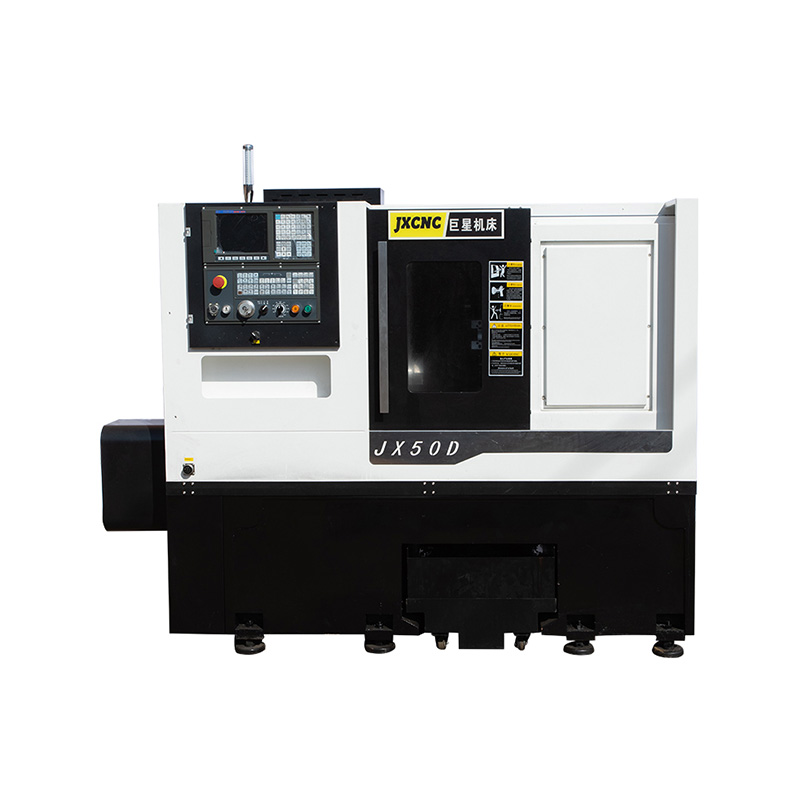
Introducing the JX50D CNC Machine Tools List from China's CNC machine tools manufacturer. Our machine tools are equipped with a servo hydraulic turret...
See Details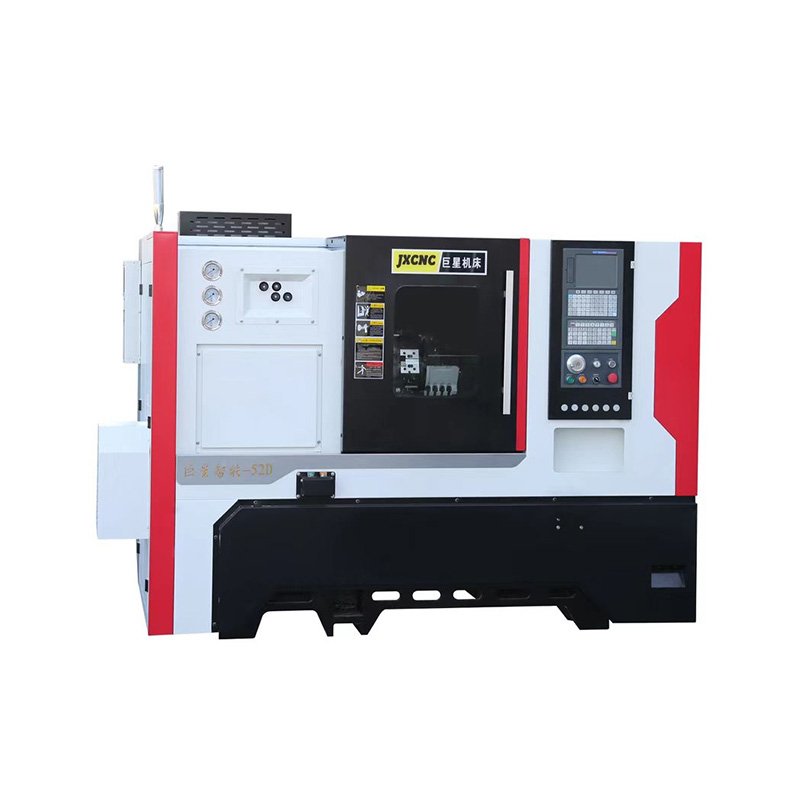
As a trusted machine tool equipment supplier in China, we prioritize customer satisfaction and strive to provide the solutions and support. Our JX52D ...
See Details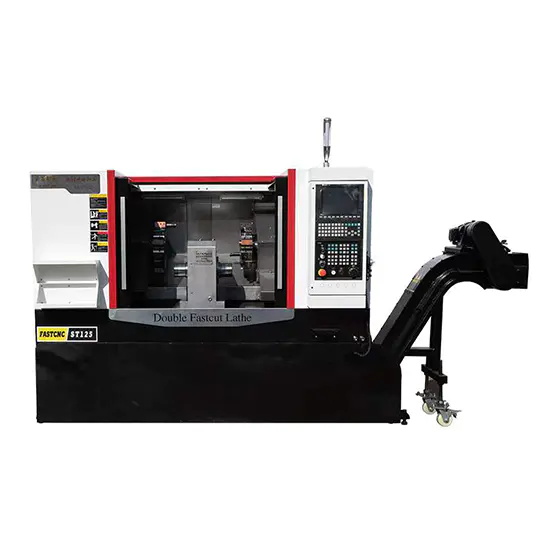
The JX125 Double Head CNC Machine is a cutting-edge machine tool that utilizes a central spindle, two Z-axes, two X-axes, and bidirectional drag plate...
See Details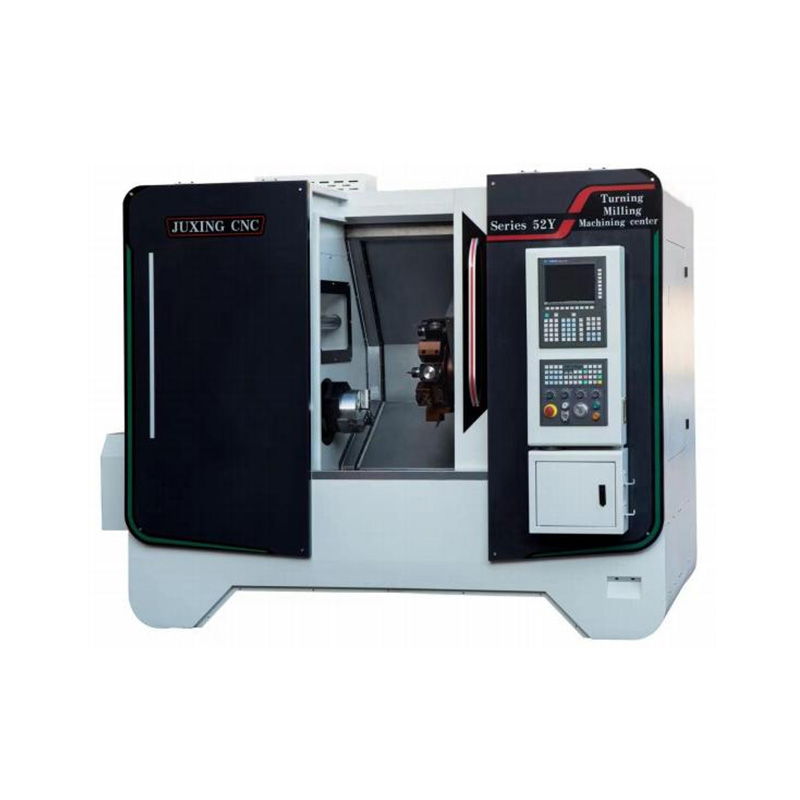
In conclusion, the JX52Y CNC Turning Lathes with Computer Control System is a highly advanced and efficient machine that combines the functionality of...
See Details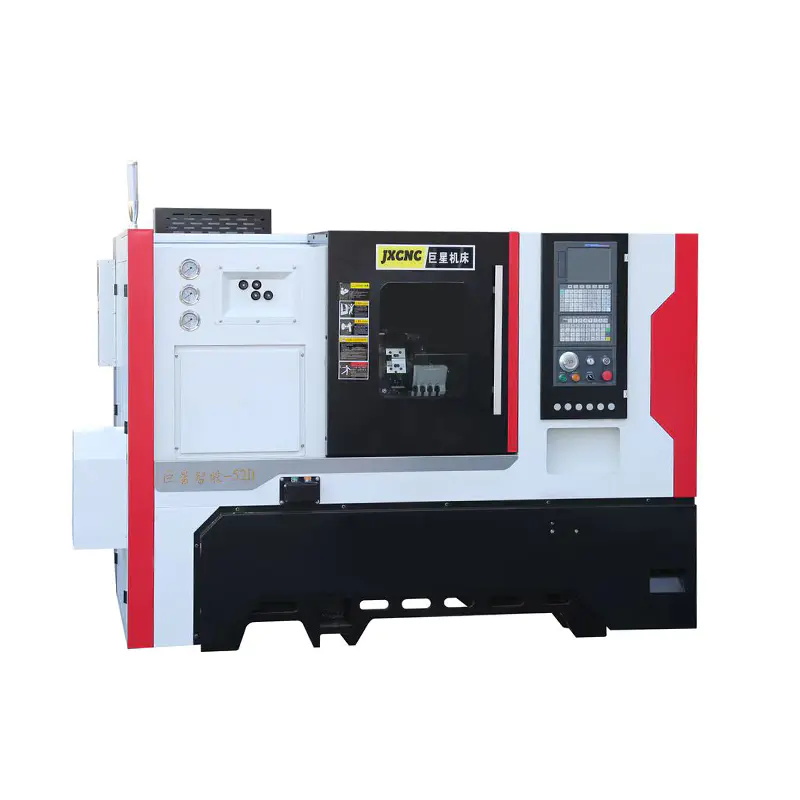
The JX52D Machine Tool CNC Lathe is specifically designed for lathe every kinds of material with precision and efficiency. It is equipped with advance...
See DetailsTEL : +86-576-87491531
FAX : +86-576-87493038
E-MAIL : chinajuxing@aliyun.com
ADDRESS: Longxi Industrial Zone, Yuhuan City, Taizhou City, Zhejiang Province, China
CopyrightTaizhou Yestar Intelligent Equipment Co., Ltd. All Rights Reserved.