English
 中文简体
中文简体 русский
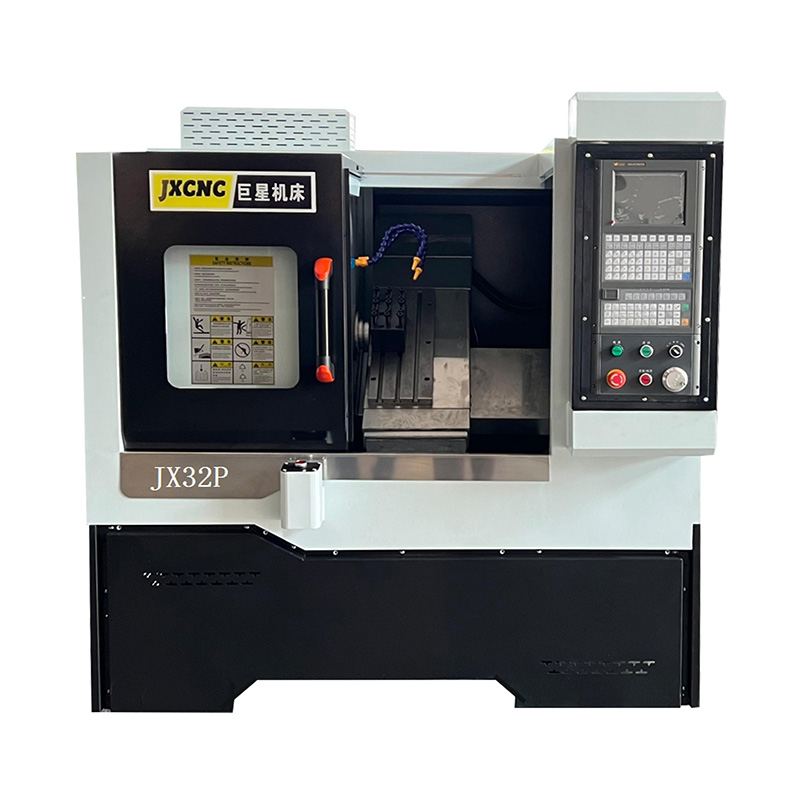
CF40 Automatic CNC Polygon Turning Machine Lathe
Cat:Small Polygon Lathe
The CF40 Automatic CNC Polygon Turning Machine Lathe is specifically designed for small to medium-sized, high-precision parts milling, enabling the ma...
See Details


Understanding the fundamental difference between manual and computer-controlled turning is essential for appreciating the capabilities of a CNC lathe factory.
Basic Operation:
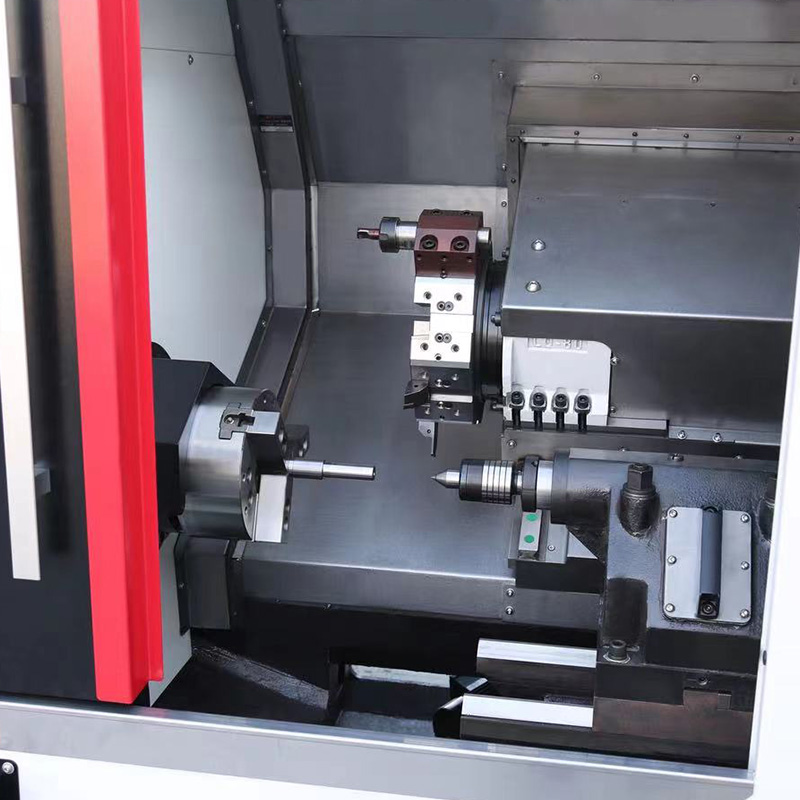
Conventional (Manual) Lathe: In a manual lathe, the operator controls all aspects of the machining process. They manually move the cutting tool using handwheels and levers, adjust the spindle speed by changing belt positions or gear levers, and engage the feed mechanisms. The quality and accuracy of the finished part depend heavily on the skill, attention, and consistency of the human operator. It is suitable for one-off parts or repairs but is inefficient for producing multiple identical components.
CNC Turning Lathe: A CNC lathe is controlled by a computer program that contains a coded set of instructions (typically G-code). This program dictates every action: spindle speed, tool movement along multiple axes, feed rate, coolant application, and tool changes. Once the program is written and verified, the machine can produce identical parts repeatedly with high precision and minimal operator intervention. The operator's role shifts from manual manipulation to programming, setup, and monitoring.
Key Differences:
Automation and Consistency: CNC lathes provide automated, consistent operation. Once set up, they can run unattended for extended periods, producing parts that are virtually identical. This repeatability is their primary advantage over manual lathes.
Complexity Capability: CNC control allows for the machining of complex geometries, such as contours, tapers, and threads, that would be difficult or impossible to produce consistently on a manual machine.
Productivity: CNC lathes can operate at higher speeds and with multiple tools (via a turret) that can be changed automatically, significantly reducing cycle times compared to manual operation.
Cost and Skill Requirements: CNC lathes are significantly more expensive to purchase and require programmers and setup technicians with specialized training. Manual lathes have a lower initial cost and are simpler to operate for basic tasks.
A CNC turning lathe is an assembly of several key mechanical and electrical systems, each with a specific function. Understanding these components helps in comprehending how the machine operates.
Headstock and Spindle: The headstock is mounted on the left end of the machine bed and houses the main spindle. The spindle is a hollow, precision-machined shaft that rotates the workpiece. It is driven by a high-power electric motor, typically through a gearbox or directly via a belt drive. The spindle's accuracy is critical, as it directly influences the roundness and concentricity of machined parts. The hollow bore allows long bar stock to be fed through the spindle for bar-fed operations.
Chuck or Workholding Device: Attached to the spindle is the chuck, which grips the workpiece. The common type is a three-jaw self-centering chuck, which automatically centers the workpiece as it is tightened. For irregularly shaped parts, a four-jaw independent chuck or a collet chuck may be used. Hydraulic or pneumatic chucks are common on CNC lathes, providing consistent clamping force and rapid actuation.
Tool Turret or Tool Post: This is the component that holds the cutting tools. On a CNC lathe, a turret is standard. It is an indexing device that can hold multiple tools (typically 8 to 12 or more) and can rotate to bring any of them into the working position automatically. Tools are mounted in tool holders that fit precisely into the turret stations. Some advanced lathes have a second turret or a "live tooling" capability, where the turret can also hold rotating tools for milling and drilling operations.
Tailstock: For long workpieces that require support at the free end, a tailstock is used. It is mounted on the machine bed and can be positioned along the length of the bed. It contains a quill (a hollow shaft) that can be extended to press against the end of the workpiece, often using a center (a conical point) to support it. The tailstock may be manually positioned or CNC-controlled for automatic positioning.
Machine Bed and Ways: The bed is the foundation of the lathe, typically made from high-strength cast iron or welded steel. It provides a rigid platform for all other components. Mounted on the bed are the ways (or guideways), which guide the movement of the carriage and tailstock. Traditional ways are precision-ground and hardened steel, often coated with low-friction materials. Modern machines frequently use linear guide rails for even smoother and more precise motion.
Carriage and Cross-Slide: The carriage moves along the bed (Z-axis) and carries the cross-slide, which moves perpendicular to the bed (X-axis). The tool turret is mounted on the cross-slide. This X and Z axis movement allows the cutting tool to be positioned anywhere along the length and diameter of the workpiece. The motion is controlled by precision ball screws driven by servo motors.
Control Panel (Controller): This is the human-machine interface. It typically consists of a display screen, a keyboard, and sometimes a manual pulse generator (handwheel). The operator uses the control panel to load and run programs, set tool offsets, manually jog the machine axes, and monitor the machining process. The controller is the "brain" that interprets the G-code and sends signals to the motors and other systems.
Coolant System: Machining generates significant heat, which must be managed to prevent tool wear and workpiece damage. A coolant system pumps a liquid coolant (usually a water-soluble oil mixture) through nozzles directed at the cutting area. This cools the tool and workpiece, lubricates the cutting action, and flushes away chips.
Chip Management: Turning operations produce long, stringy chips or small broken chips. A chip conveyor, often located within the machine base, automatically removes these chips from the work area and deposits them into a bin, allowing for unattended operation.
While turning is the primary operation, a CNC lathe can perform a variety of machining processes to create complex parts, especially when equipped with live tooling.
Turning: The fundamental operation. The workpiece rotates while a stationary single-point cutting tool moves parallel to the axis of rotation (Z-axis) to reduce the diameter and create a cylindrical surface.
Facing: The cutting tool moves perpendicular to the axis of rotation (X-axis) across the end of the workpiece to create a flat, smooth surface and establish a precise length.
Boring: An internal operation where a single-point tool is fed into a pre-drilled hole to enlarge it, achieve precise internal diameters, and create internal features like grooves or tapers.
Drilling and Tapping: With a driven toolholder in the turret (live tooling), the CNC lathe can stop the main spindle rotation, lock it, and use rotating drills, taps, or reamers to create holes on the centerline or off-center. Tapping creates internal threads.
Grooving and Cut-Off: A specially shaped tool is fed radially (X-axis) into the workpiece to create a narrow groove for O-rings, snap rings, or other features. A cut-off (parting) tool is used to sever a finished part from the remaining bar stock.
Threading: The lathe can cut external or internal threads by precisely coordinating the spindle rotation with the linear feed of the cutting tool. This can be done with a single-point threading tool or with a thread chasing die held in a live toolholder.
Milling and Contouring: With live tooling and a C-axis (the ability to precisely position the main spindle rotation), the lathe can perform milling operations. Features like flats, hexes, keyways, and complex contours can be machined on the part's face or periphery, allowing complete part machining in a single setup.
CNC turning lathes are versatile machines capable of machining a wide range of materials, provided the appropriate cutting tools and parameters are used.
Metals: This is the common category.
Steel and Stainless Steel: From mild steel to high-strength alloys and various grades of stainless steel, these are routinely turned for countless applications.
Aluminum: Soft and easily machined, aluminum is used extensively in automotive, aerospace, and consumer products. It allows for high cutting speeds.
Brass and Copper: These materials are free-machining and are common for plumbing components, electrical fittings, and decorative parts.
Cast Iron: Frequently turned for automotive components like brake rotors and housings. It produces abrasive chips and requires carbide tooling.
Exotic Alloys: Titanium, Inconel, and other high-temperature alloys are machined in aerospace and medical industries, but they require rigid machines, specialized tooling, and slower speeds.
Plastics: Many engineering plastics, such as nylon, acetal (Delrin), PTFE (Teflon), and acrylic, are readily turned on CNC lathes. They are used for bushings, seals, insulators, and transparent components. Machining plastics requires sharp tools and careful control of heat to prevent melting.
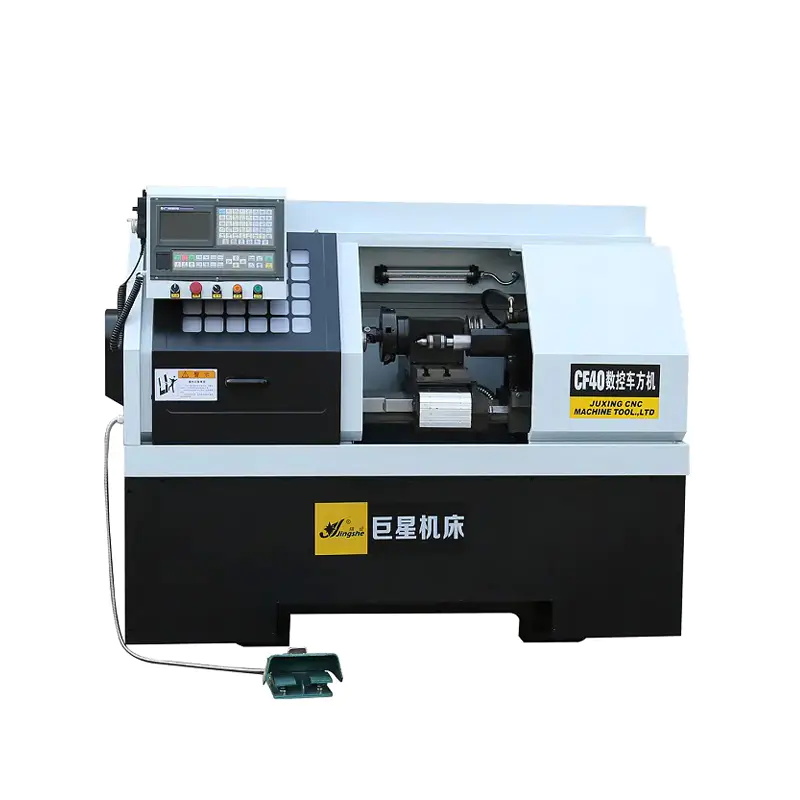
The CF40 Automatic CNC Polygon Turning Machine Lathe is specifically designed for small to medium-sized, high-precision parts milling, enabling the ma...
See Details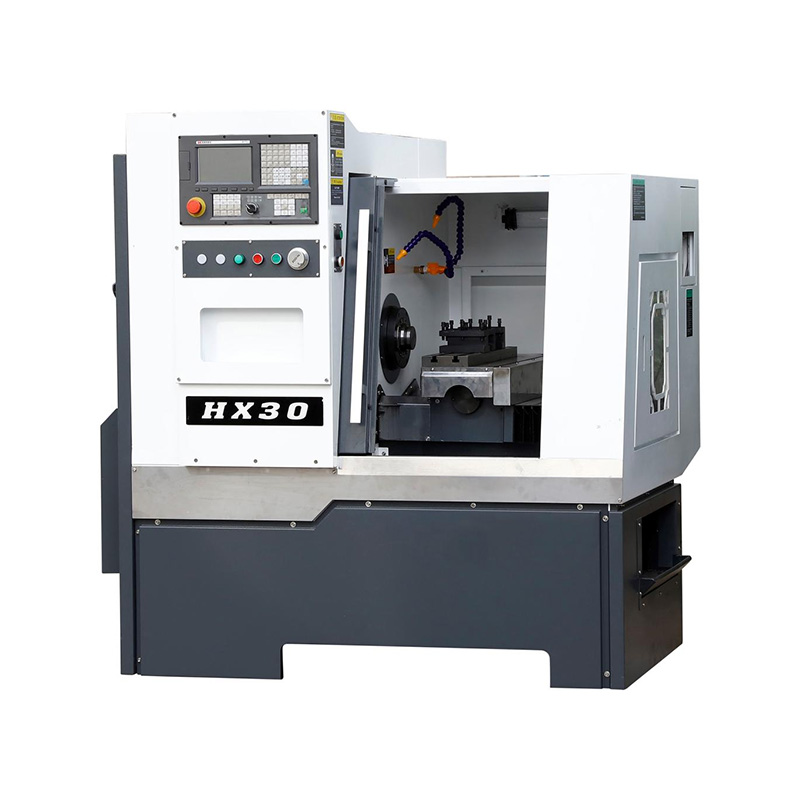
A notable feature of the HX30 Mandrel Bar Feeder Cheap CNC Lathe is its efficient and reliable mandrel bar feeder. The mandrel serves as a support for...
See Details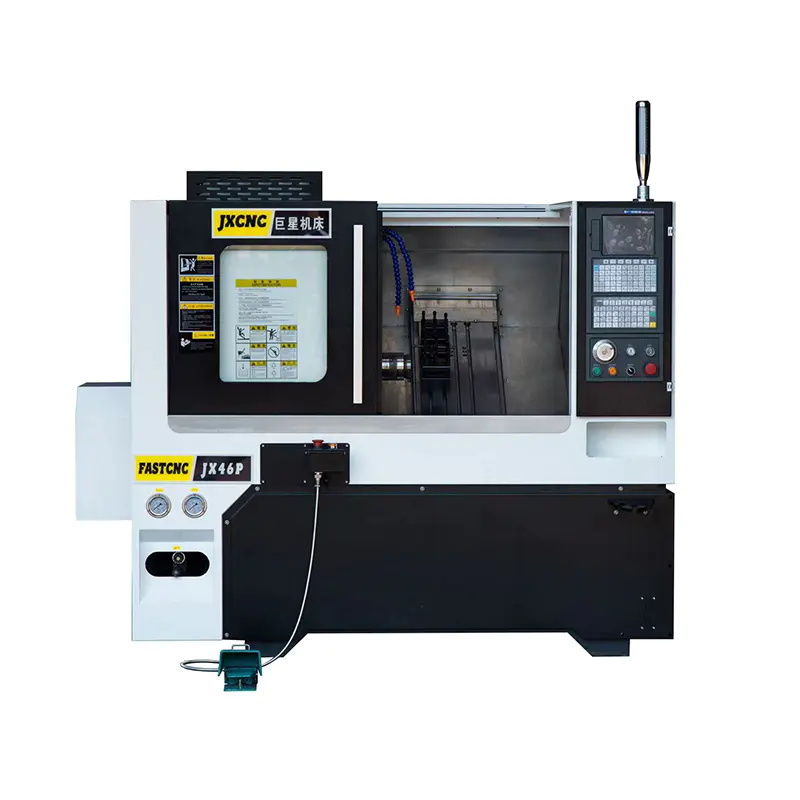
The JX46P Slant Bed CNC Lathe Machine of Cast Iron Machine Base is a high-performance machine tool designed for various machining operations. With its...
See Details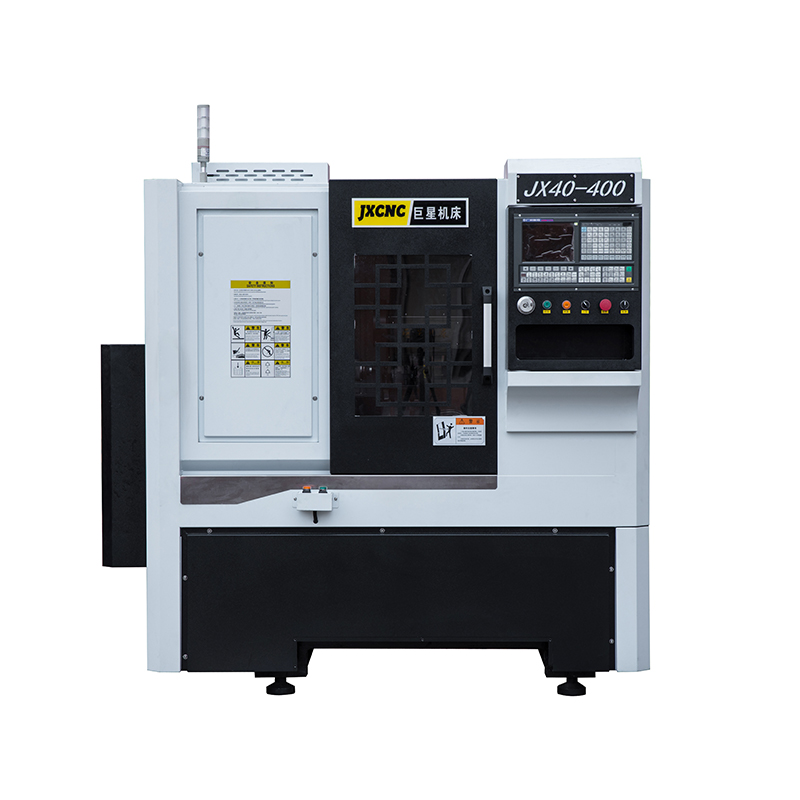
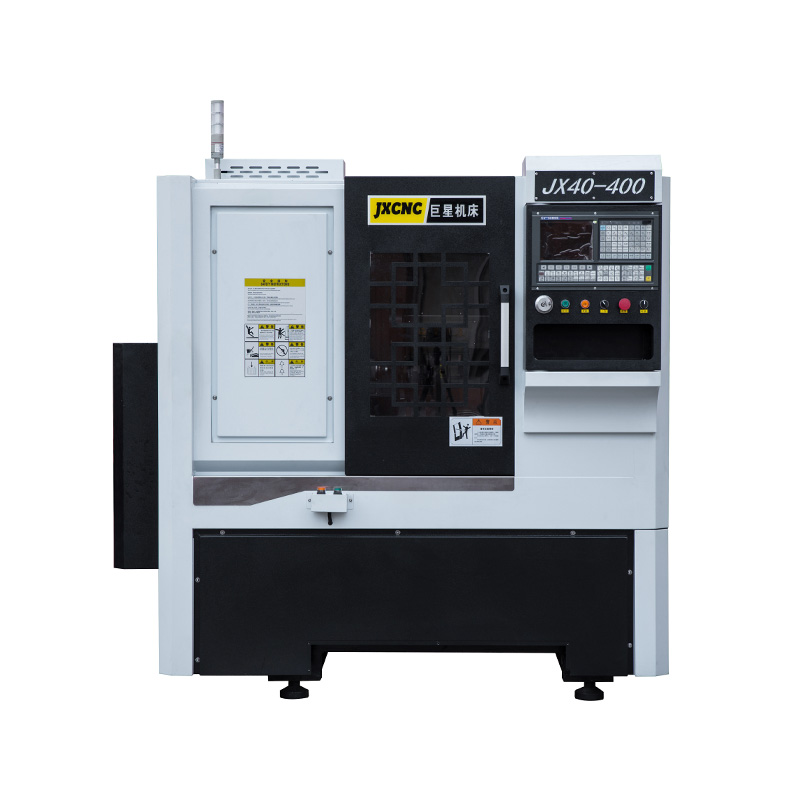
The JX40-400 Factory High Speed Precision CNC Lathes are designed to provide exceptional efficiency and accuracy in machining processes. With the abil...
See Details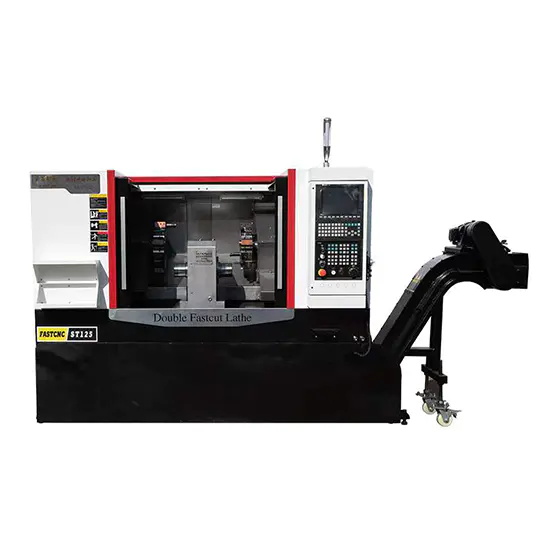
The JX125 Double Head CNC Machine is a cutting-edge machine tool that utilizes a central spindle, two Z-axes, two X-axes, and bidirectional drag plate...
See Details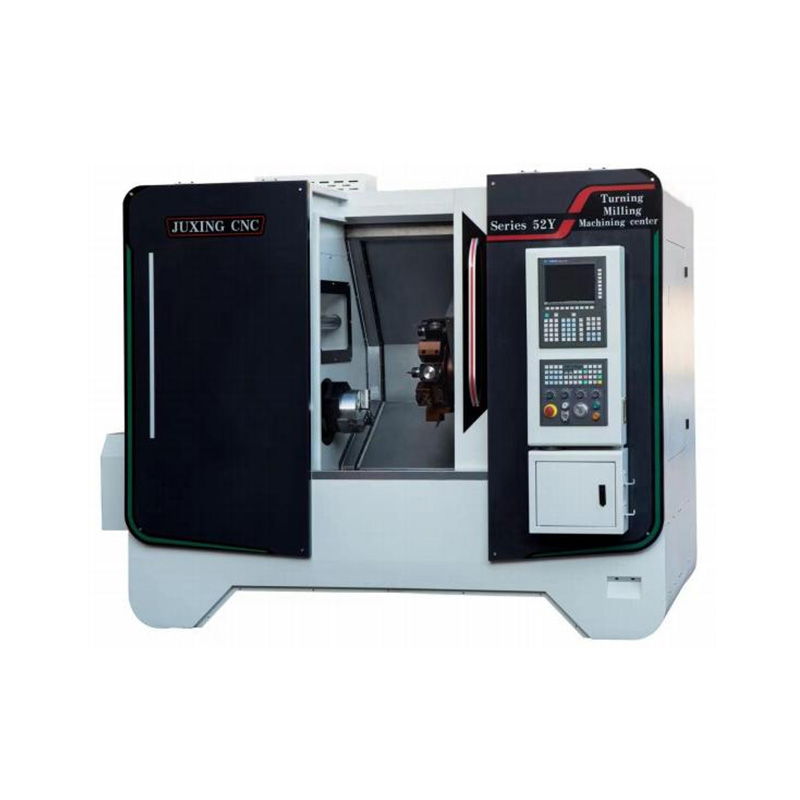
In conclusion, the JX52Y CNC Turning Lathes with Computer Control System is a highly advanced and efficient machine that combines the functionality of...
See Details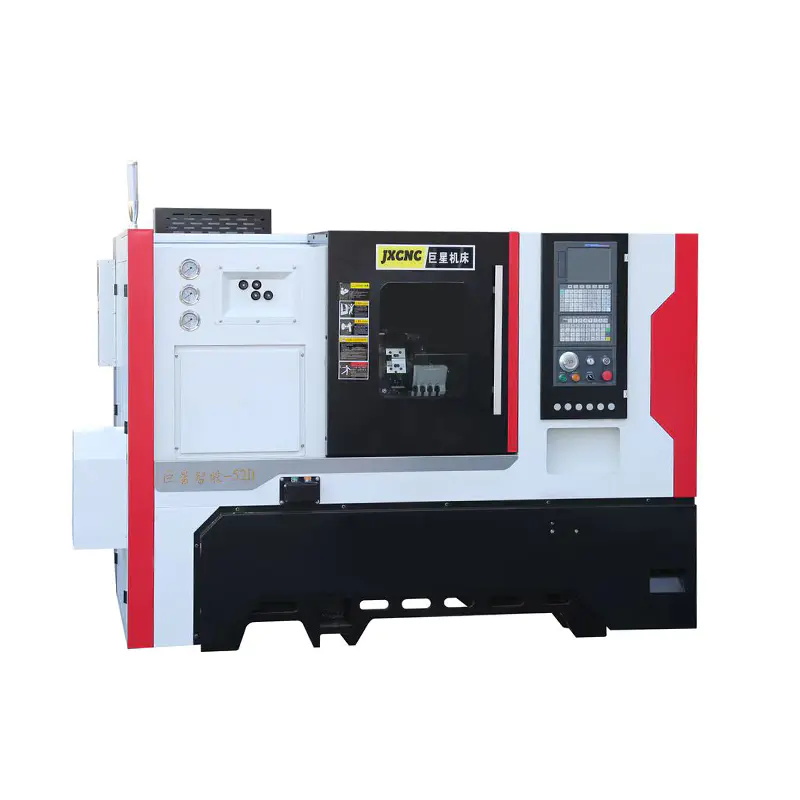
The JX52D Machine Tool CNC Lathe is specifically designed for lathe every kinds of material with precision and efficiency. It is equipped with advance...
See DetailsTEL : +86-576-87491531
FAX : +86-576-87493038
E-MAIL : chinajuxing@aliyun.com
ADDRESS: Longxi Industrial Zone, Yuhuan City, Taizhou City, Zhejiang Province, China
CopyrightTaizhou Yestar Intelligent Equipment Co., Ltd. All Rights Reserved.