English
 中文简体
中文简体 русский
CF32 Hydraulic Clamping CNC Polygon Turning Machine
Cat:Small Polygon Lathe
CF32 hydraulic clamping CNC polygon lathe is designed for milling small and medium-sized high-precision parts, which can mill square, octagonal, hexag...
See Details


CNC machining factory, or Computer Numerical Control machining, is a widely used manufacturing process that employs computer-controlled machines to remove material from a workpiece and produce precise parts. It is applied across industries such as aerospace, automotive, medical, and general manufacturing. CNC machining can work with a variety of materials, including metals, plastics, and composites, and is valued for its ability to create complex shapes and maintain tight tolerances.
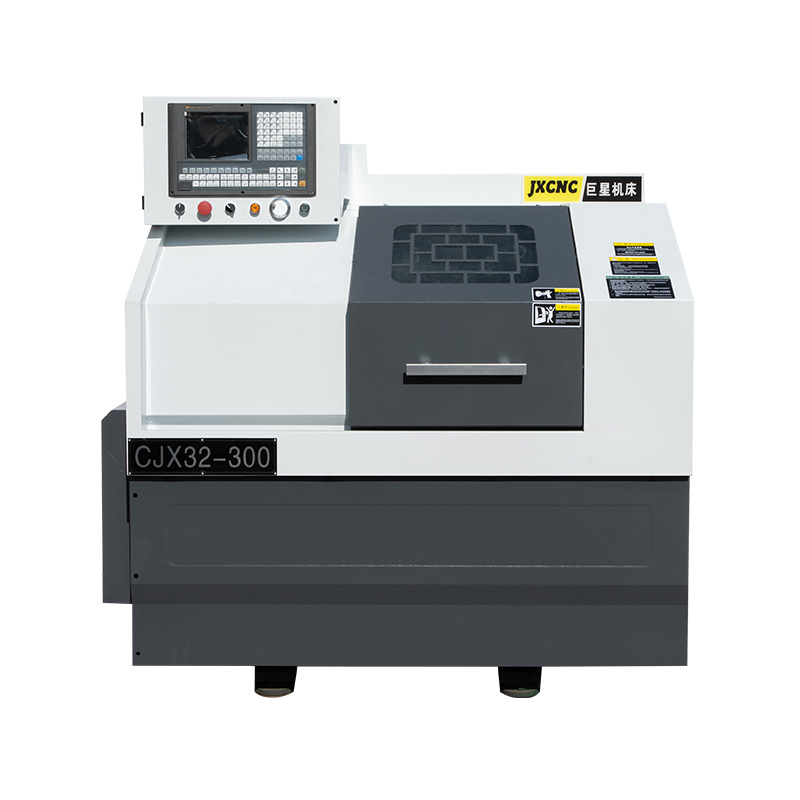
CNC machining includes several subtractive manufacturing methods. Each method serves different production requirements.
1. CNC Milling
Uses rotating cutting tools to remove material from a stationary workpiece.
Capable of producing complex geometries, slots, cavities, and 3D surfaces.
Commonly used for mold components, brackets, housings, and mechanical parts.
Milling machines may operate in 3-axis, 4-axis, or 5-axis configurations, depending on the complexity of the required geometry.
2. CNC Turning
The workpiece rotates while a stationary cutting tool shapes it.
Suitable for cylindrical or round parts such as shafts, bushings, and threaded components.
Performed on CNC lathes.
Turning is frequently used in high-volume production due to its efficiency for rotational parts.
3. CNC Drilling and Boring
Drilling creates holes with precise diameter and depth.
Boring enlarges or finishes existing holes to achieve tighter tolerances.
Often integrated into milling or turning operations.
4. CNC Grinding
Uses abrasive wheels to achieve fine surface finishes and tight dimensional tolerances.
Overview of CNC Machining
CNC machining uses pre-programmed computer software to control the movement of machine tools, including mills, lathes, routers, and grinders.
Tool Movement: The machine moves cutting tools along multiple axes to remove material with high precision.
Workpiece Positioning: The workpiece is held securely in a fixture, and its orientation is controlled for accurate machining.
Programming: Operators create CNC programs that specify tool paths, cutting speeds, feed rates, and depth of cut.
This method allows for automated production of complex geometries with repeatable quality, making it suitable for both prototypes and mass production.
CNC machining is employed in industries where precision and repeatability are important:
Automotive Industry: Produces engine components, shafts, and custom brackets.
Aerospace Industry: Manufactures landing gear parts, turbine components, and structural elements.
Medical Devices: Produces surgical instruments, implants, and diagnostic equipment components.
Industrial Equipment: Creates gears, valves, and machine parts for various applications.
The versatility of CNC machining makes it applicable for producing parts with complex shapes and tight dimensional tolerances.
Despite its advantages, CNC machining has several limitations:
High Initial Costs: CNC machines, software, and setup require significant investment, making small-scale production less cost-effective.
Programming Complexity: Skilled operators are needed to create and adjust CNC programs, which can be time-consuming for complex parts.
Material Waste: CNC is a subtractive process, so material is removed from a solid block, potentially generating more scrap than additive methods.
Limited to Certain Shapes: intricate internal geometries or undercuts may require alternative processes such as casting or additive manufacturing.
Maintenance Requirements: CNC machines require regular maintenance, calibration, and careful handling to maintain precision.
These challenges mean that while CNC machining is suitable for precision work, it may not always be the efficient or cost-effective choice for every production scenario.
CNC machining is a precise and versatile manufacturing process capable of producing complex parts from a range of materials. Its applications span automotive, aerospace, medical, and industrial sectors, where accuracy and repeatability are important. However, challenges such as high initial costs, programming complexity, material waste, and limitations in producing certain geometries must be considered when selecting CNC machining for production. Understanding both the capabilities and limitations allows manufacturers to make informed decisions for efficient and reliable part fabrication.
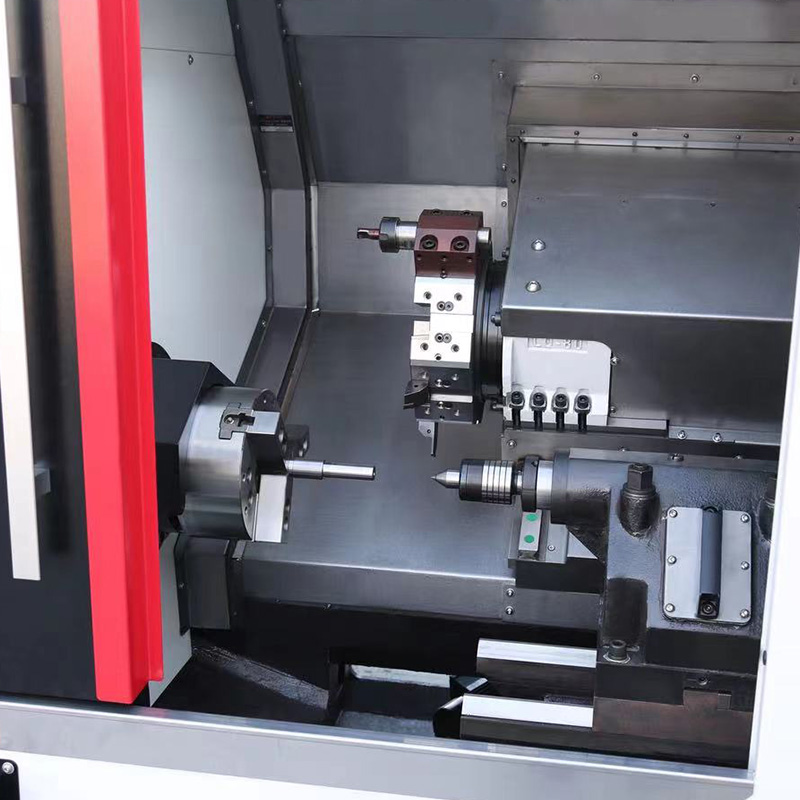
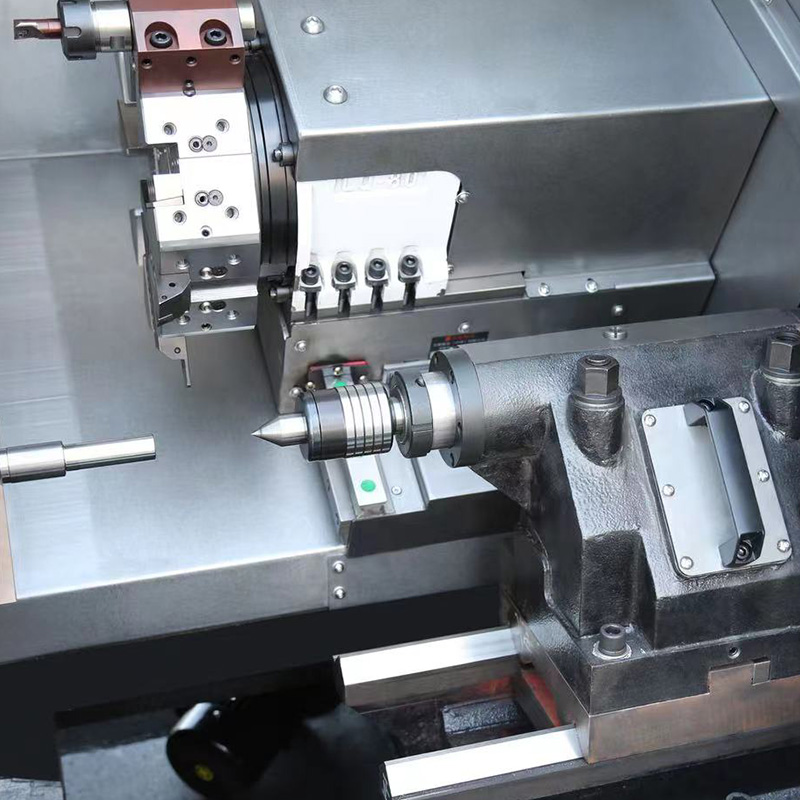
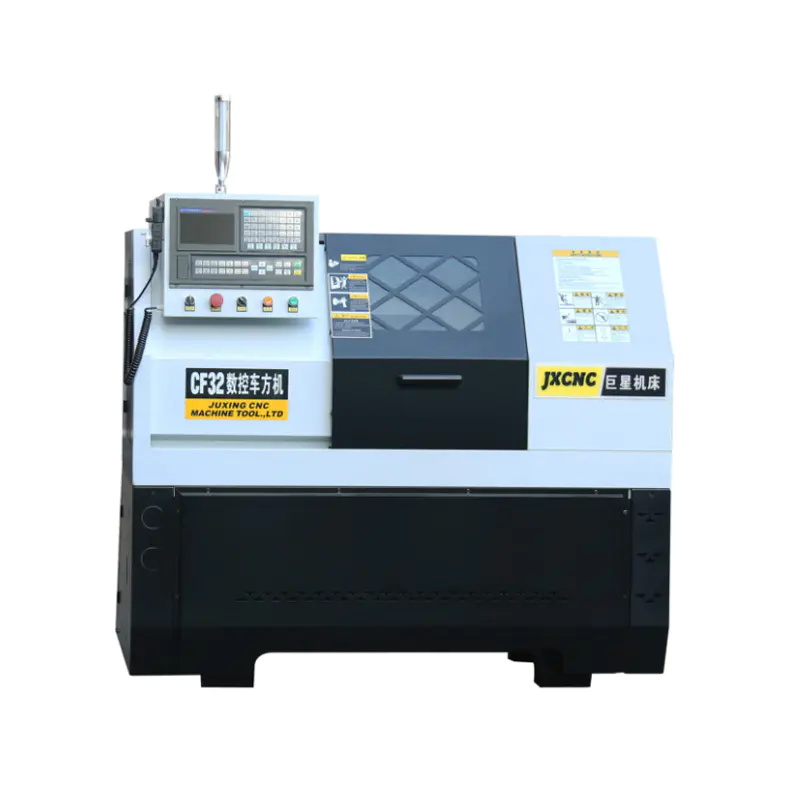
CF32 hydraulic clamping CNC polygon lathe is designed for milling small and medium-sized high-precision parts, which can mill square, octagonal, hexag...
See Details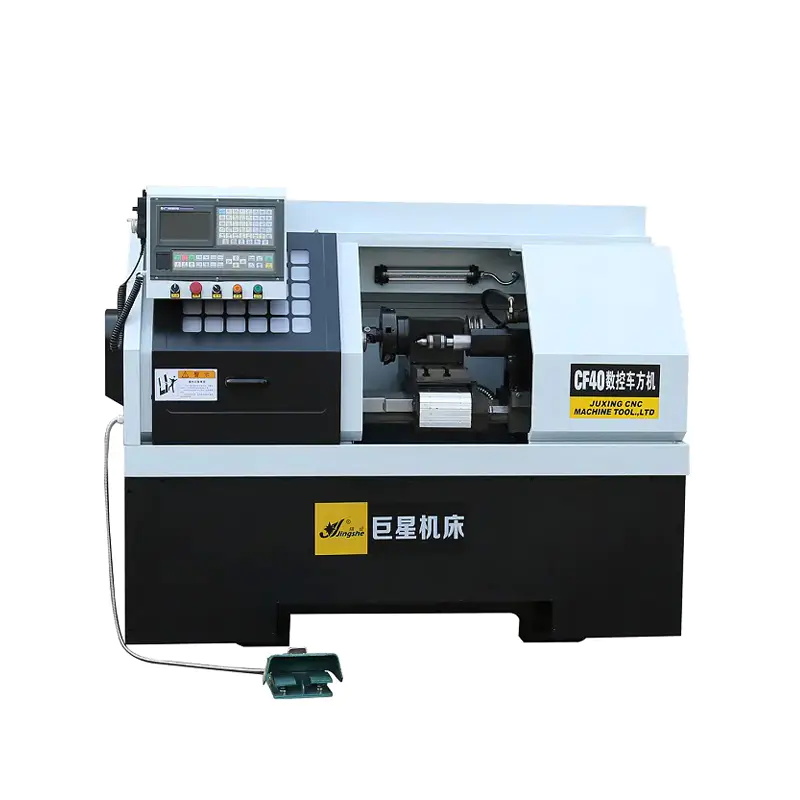
The CF40 Automatic CNC Polygon Turning Machine Lathe is specifically designed for small to medium-sized, high-precision parts milling, enabling the ma...
See Details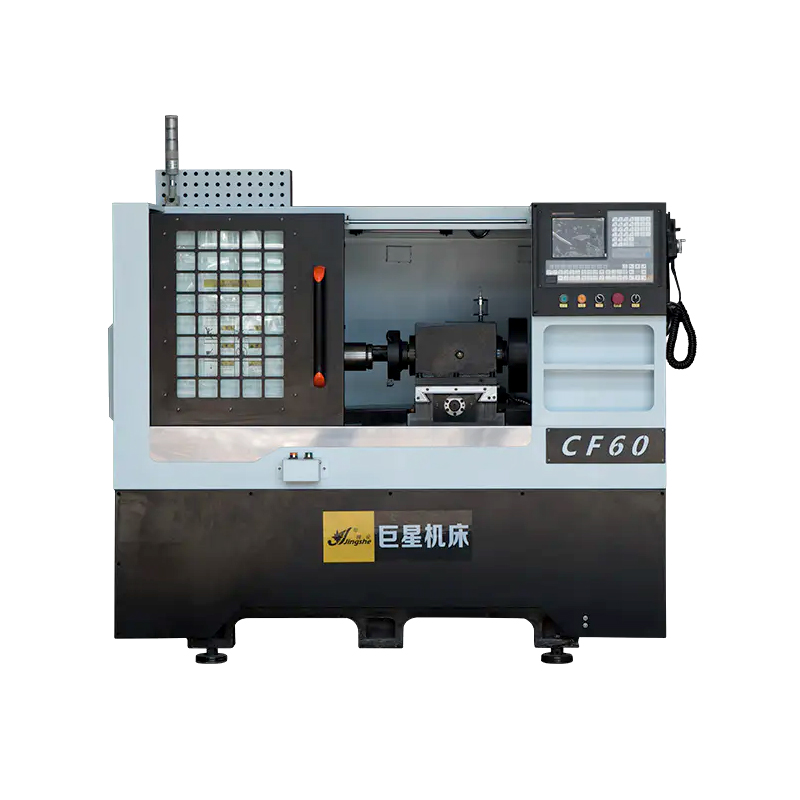
The CF60 CNC Polygon Lathe is a highly efficient and versatile machine tool designed for small to medium-sized precision parts milling. It is capable ...
See Details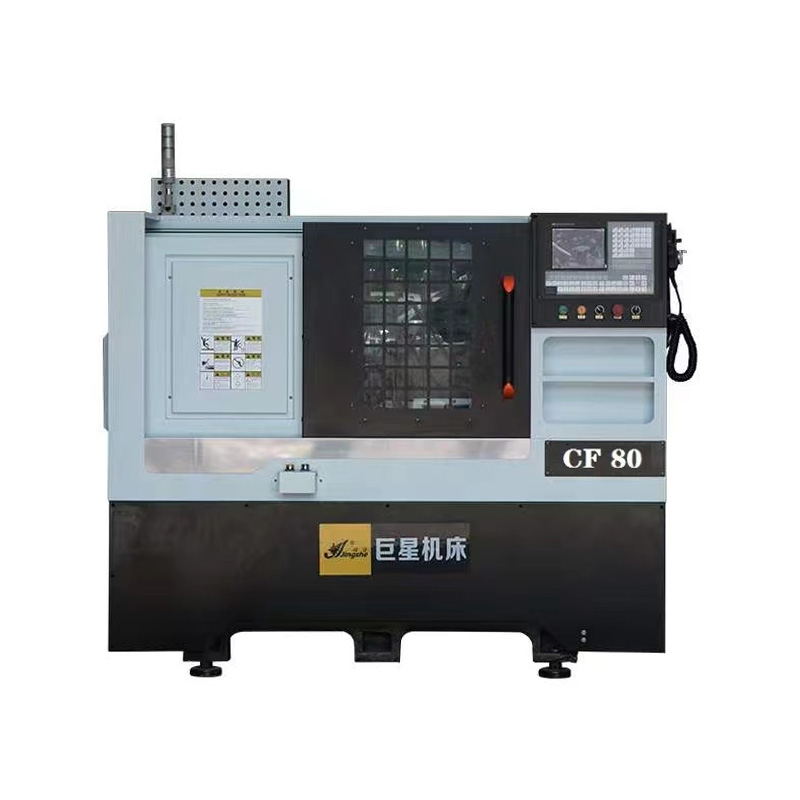
Introducing the CF80 Auto Polygon Lathe Hexagonal Tailstock Lathe Machine. This machine is specifically designed for the production of medium and smal...
See Details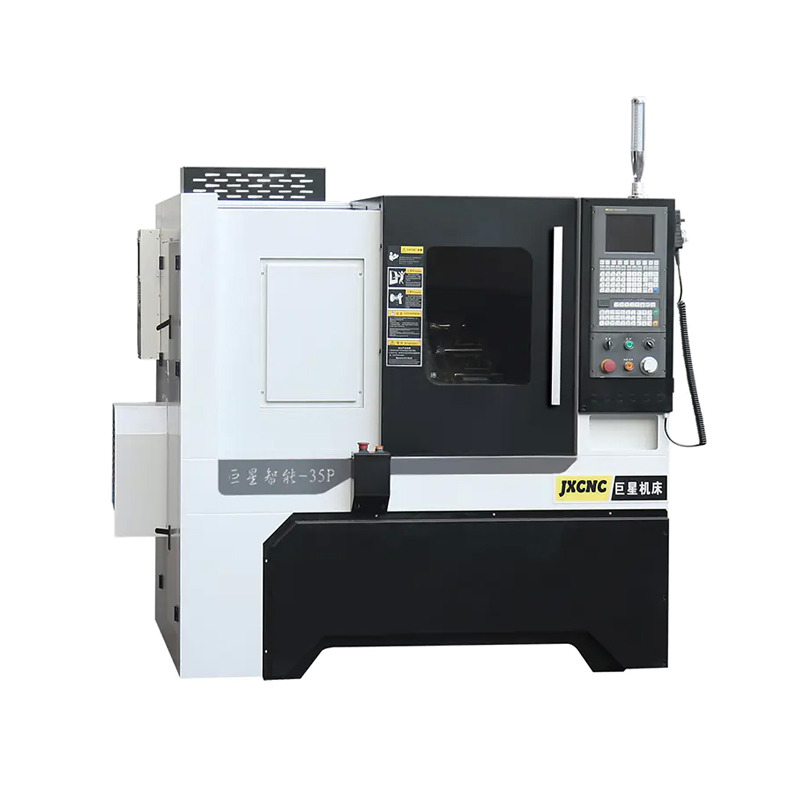
The JX35P CNC Hiwin Linear Guide Machine with High Precision is a reliable and robust solution for various machining applications. With its horizontal...
See Details
Introducing the JX36P China Good Supplier CNC Lathe Machine, a high-quality and efficient tool designed for precision machining. With its horizontal i...
See Details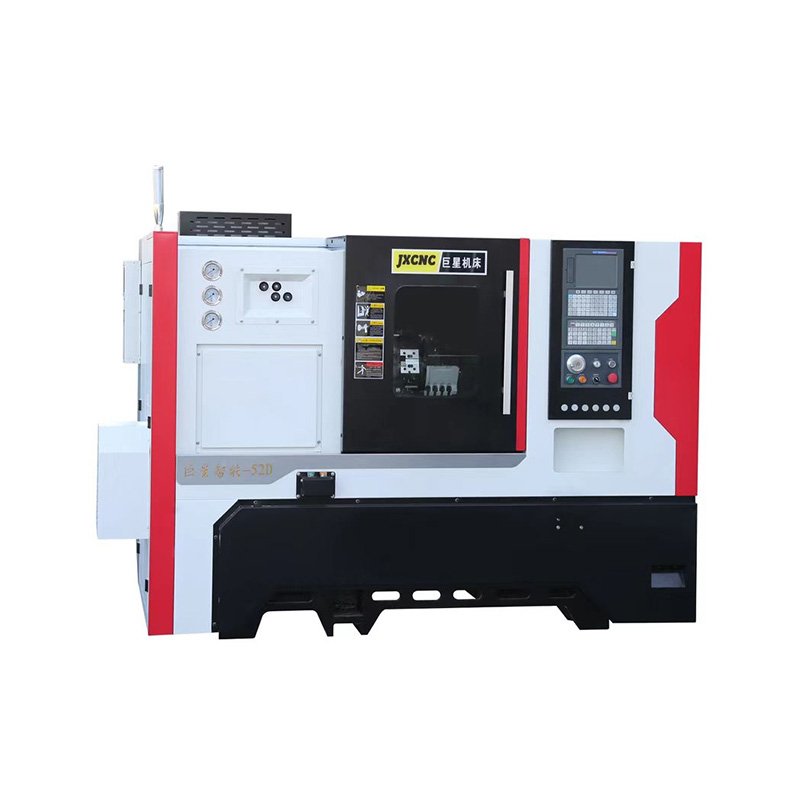
As a trusted machine tool equipment supplier in China, we prioritize customer satisfaction and strive to provide the solutions and support. Our JX52D ...
See Details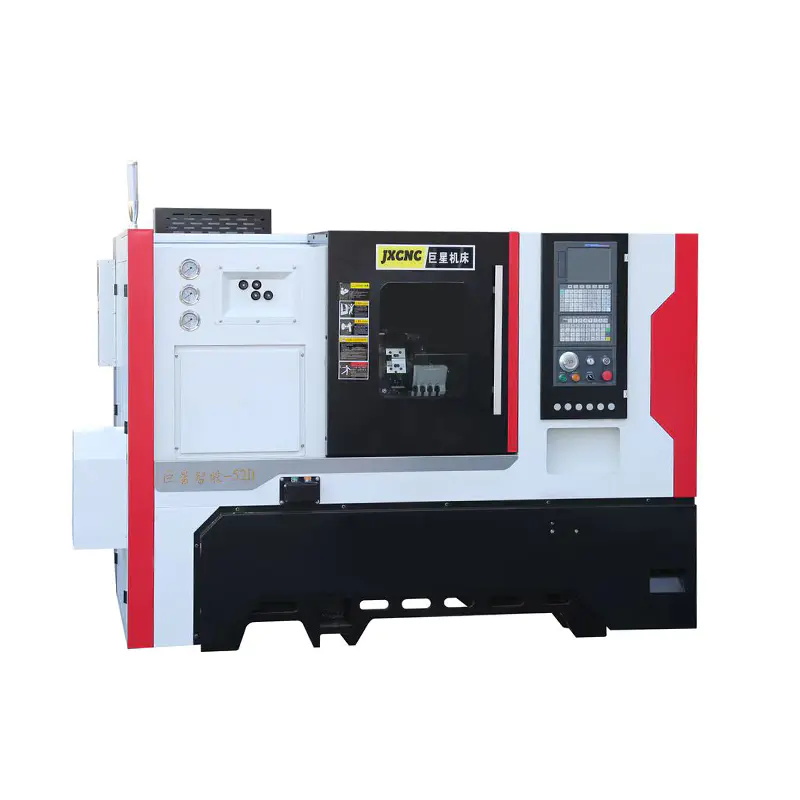
The JX52D Machine Tool CNC Lathe is specifically designed for lathe every kinds of material with precision and efficiency. It is equipped with advance...
See DetailsTEL : +86-576-87491531
FAX : +86-576-87493038
E-MAIL : chinajuxing@aliyun.com
ADDRESS: Longxi Industrial Zone, Yuhuan City, Taizhou City, Zhejiang Province, China
CopyrightTaizhou Yestar Intelligent Equipment Co., Ltd. All Rights Reserved.