English
 中文简体
中文简体 русский
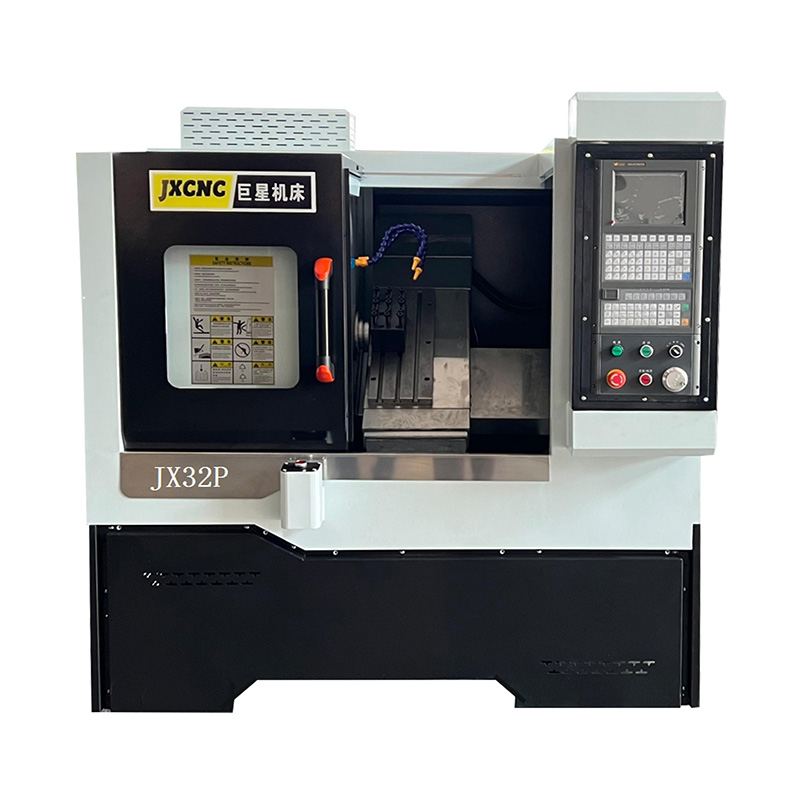
CF32 Hydraulic Clamping CNC Polygon Turning Machine
Cat:Small Polygon Lathe
CF32 hydraulic clamping CNC polygon lathe is designed for milling small and medium-sized high-precision parts, which can mill square, octagonal, hexag...
See Details


CNC turning machines factory, commonly referred to as lathes, are fundamental tools in modern manufacturing. They operate by rotating a workpiece while a stationary cutting tool removes material to create cylindrical parts with high precision. The effectiveness, longevity, and capability of a CNC turning machine are not solely determined by its electronic controls and software; they are equally dependent on the materials from which the machine itself is constructed. From the structural components that must resist cutting forces to the cutting tools that must withstand heat and pressure, every part is made from materials selected for specific mechanical, thermal, and chemical properties.
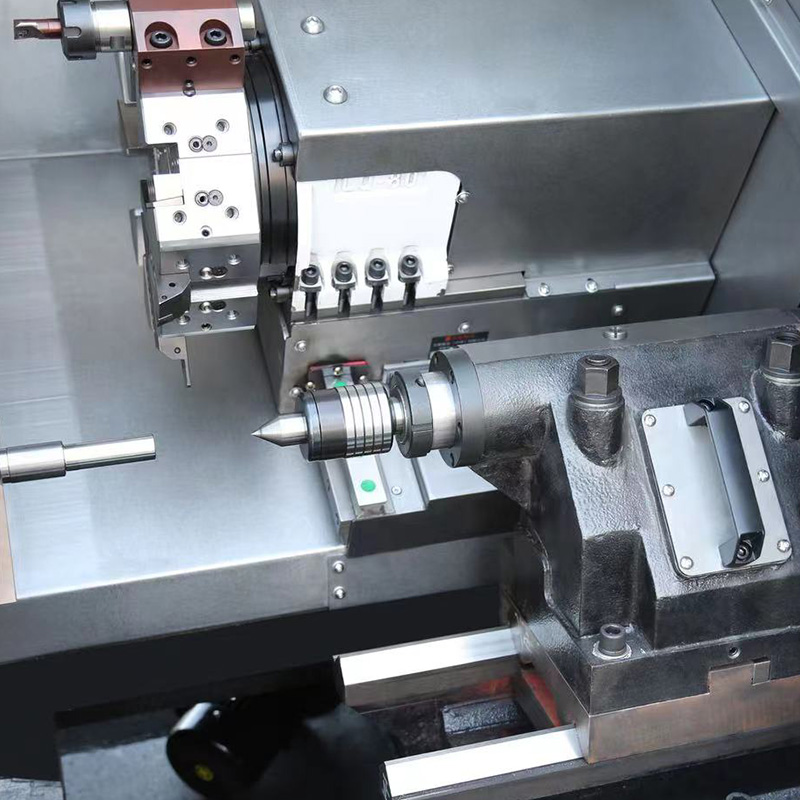
The foundational components of a CNC turning machine—the bed, base, columns, and frames—provide the rigidity necessary to maintain precision under the significant forces generated during machining. These parts must resist deflection, absorb vibrations, and maintain dimensional stability over time and under varying thermal conditions.
Cast Iron: This is the traditional and still widely used material for machine tool structures. Gray cast iron, and sometimes ductile iron, is favored for several reasons. Its high damping capacity allows it to absorb vibrations generated during cutting, which contributes to better surface finish and longer tool life. Cast iron also has good compressive strength and is relatively stable over time. It can be cast into complex shapes with integral ribs and walls that optimize stiffness while managing weight. The material's natural lubricity from graphite content is also beneficial in sliding ways.
Welded Steel Fabrications: In some modern machine designs, particularly for larger turning centers, the base and bed may be fabricated from heavy steel plates that are welded together and then stress-relieved. Steel fabrications can offer a higher strength-to-weight ratio than cast iron, allowing for a rigid structure with potentially less mass. They also allow for more design flexibility and faster prototyping compared to creating new castings. However, welded structures generally have lower vibration damping capacity than cast iron, so engineers must incorporate other design features to address this.
Polymer Concrete (Mineral Casting): An increasingly common material for machine bases, particularly in high-precision turning machines, is polymer concrete, also known as mineral casting. This material consists of mineral aggregates (like granite or quartz) bound together with an epoxy resin. It offers exceptional vibration damping, significantly better than both cast iron and steel. It also has high thermal inertia and a low coefficient of thermal expansion, meaning it is very stable under changing temperatures. Polymer concrete components are cast near-net shape, reducing the need for extensive machining. Their primary drawbacks are lower tensile strength compared to metals and higher material cost.
The spindle is the heart of the turning machine, responsible for rotating the workpiece with high accuracy and transmitting the cutting torque. The materials used here must be strong, stiff, and wear-resistant.
Alloy Steels: The spindle shaft itself is always machined from high-strength alloy steels, such as 4140 or 8620. These steels are chosen for their high tensile strength and fatigue resistance. They are typically heat-treated to achieve the required hardness and then precision ground to ensure roundness and surface finish for the bearing journals. For applications requiring even higher strength or reduced weight, spindles may be made from alloys like 4340 or even specialized nitriding steels.
Bearing Materials: The spindle rotates on bearings that must support both radial and axial cutting forces. High-precision angular contact ball bearings are common, with races and balls made from hardened bearing steel, such as 52100 chrome steel. For very high-speed applications, hybrid ceramic bearings are used. These have steel races but ceramic (typically silicon nitride) balls. Ceramic balls are lighter, harder, and generate less heat than steel balls, allowing for higher speeds and longer life.
Chuck and Workholding Materials: The chuck, which grips the workpiece, must be strong and wear-resistant. Chucks are typically made from hardened steel or ductile iron. The jaws that directly contact the workpiece are often made from case-hardened steel to resist wear, and they may be soft jaws machined from aluminum or mild steel that are custom-machined to fit a specific workpiece shape.
The turret is the component that holds multiple cutting tools and indexes them into position as needed. It must be rigid to prevent tool deflection during cutting.
Steel Alloys for Turret Body: The turret body itself is typically a high-strength steel casting or forging, machined to precise tolerances. It must be stiff enough to resist the cutting forces transmitted through the tool holder.
Tool Holder Materials: The tool holders that mount into the turret and hold the cutting inserts are typically made from hardened steel alloys. They are designed to provide a rigid platform for the insert and are often coated or treated for wear resistance on their locating surfaces. Driven tools (rotating tools for milling operations) contain internal gearing and bearings made from hardened steel and are lubricated for longevity.
Clamping Mechanisms: The mechanisms that lock the turret in position and clamp the tool holders use components made from high-strength alloy steels, often heat-treated for wear resistance. Hydraulic or mechanical clamping systems apply significant force, and the materials must withstand repeated stress without deformation.
The precise movement of the cutting tool relative to the workpiece is facilitated by linear guideways. The materials for these components are critical for accuracy, stiffness, and smooth motion.
Hardened and Ground Steel Ways: Traditional CNC lathes often use box ways or dovetail ways made from hardened and ground steel. These are typically made from alloy steels that are induction-hardened or through-hardened to a high Rockwell hardness, then precision ground. The mating surfaces, which slide against the ways, are often lined with a low-friction material like Turcite or Rulon to prevent metal-to-metal contact and provide smooth motion with minimal stick-slip.
Linear Guide Rails: Many modern CNC turning machines use recirculating linear guide systems. These consist of a profiled steel rail and a carriage containing recirculating ball bearings. The rails are made from high-carbon steel, precision ground and induction-hardened for wear resistance. The carriages are made from hardened steel, and the balls are typically made from bearing steel. This system offers very low friction, high precision, and high load capacity.
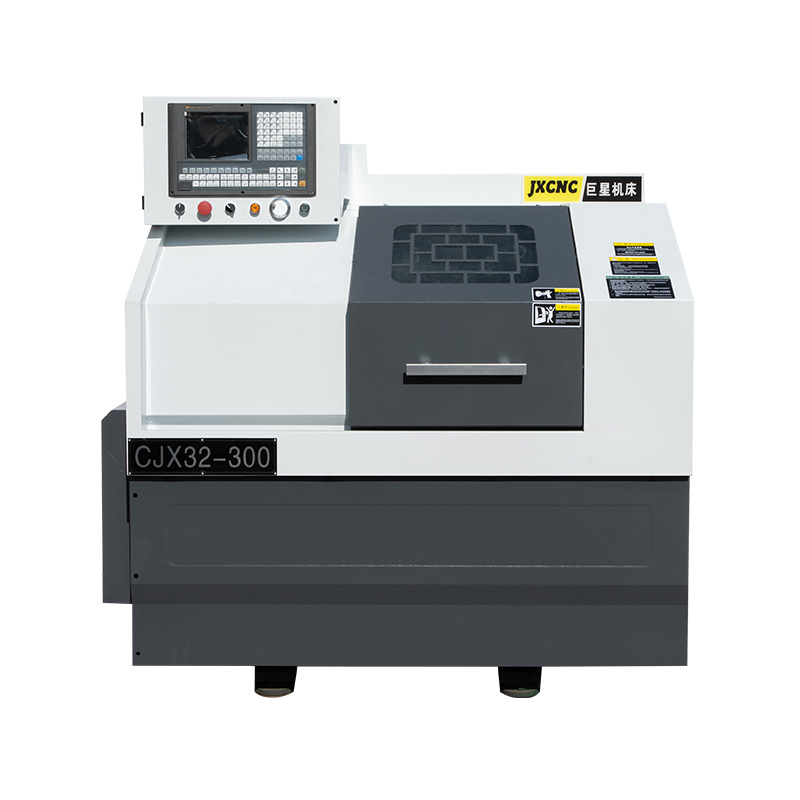
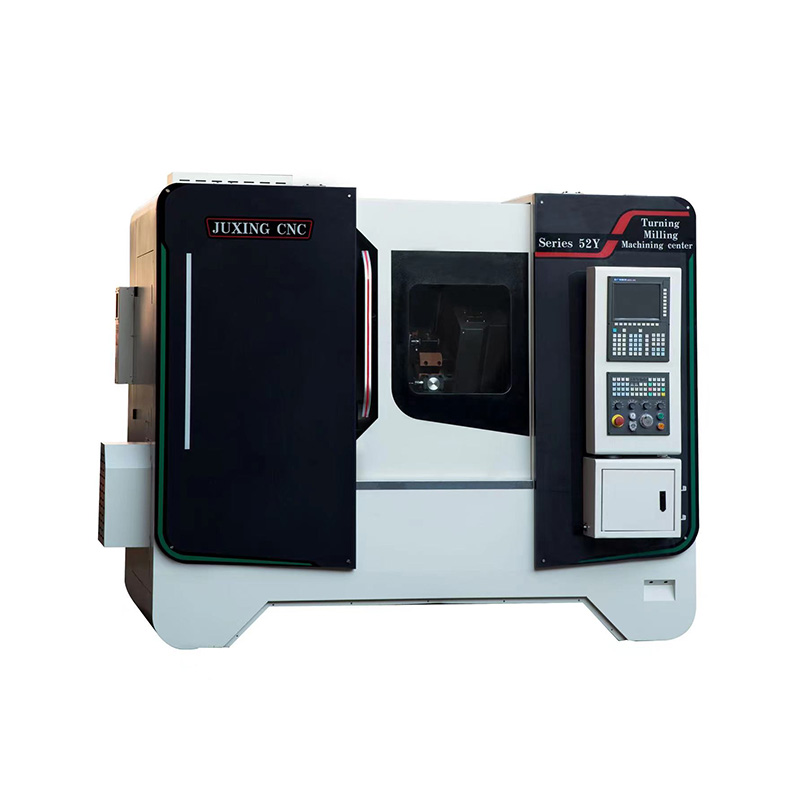
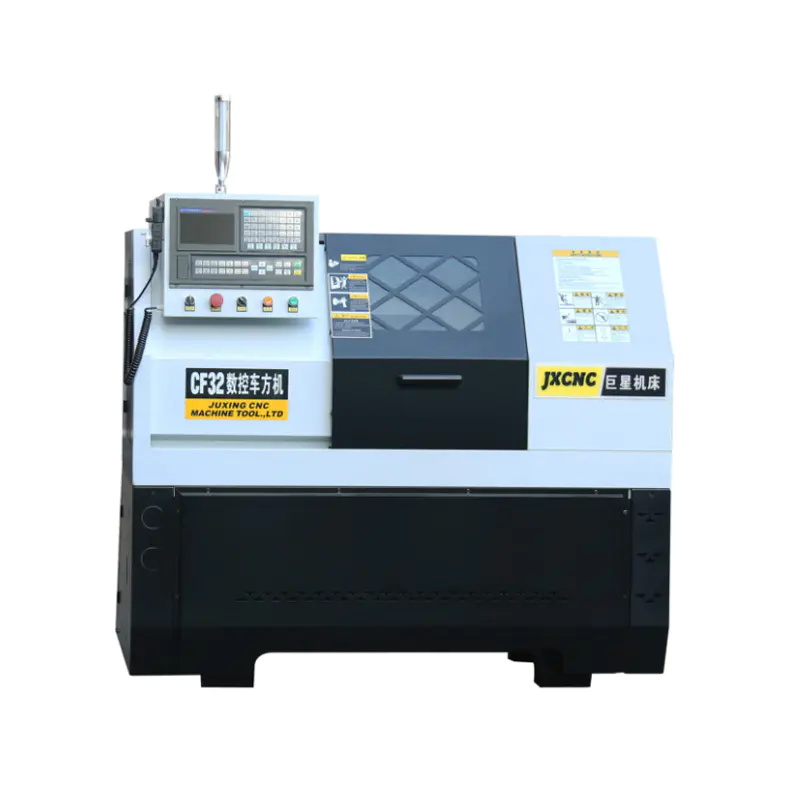
CF32 hydraulic clamping CNC polygon lathe is designed for milling small and medium-sized high-precision parts, which can mill square, octagonal, hexag...
See Details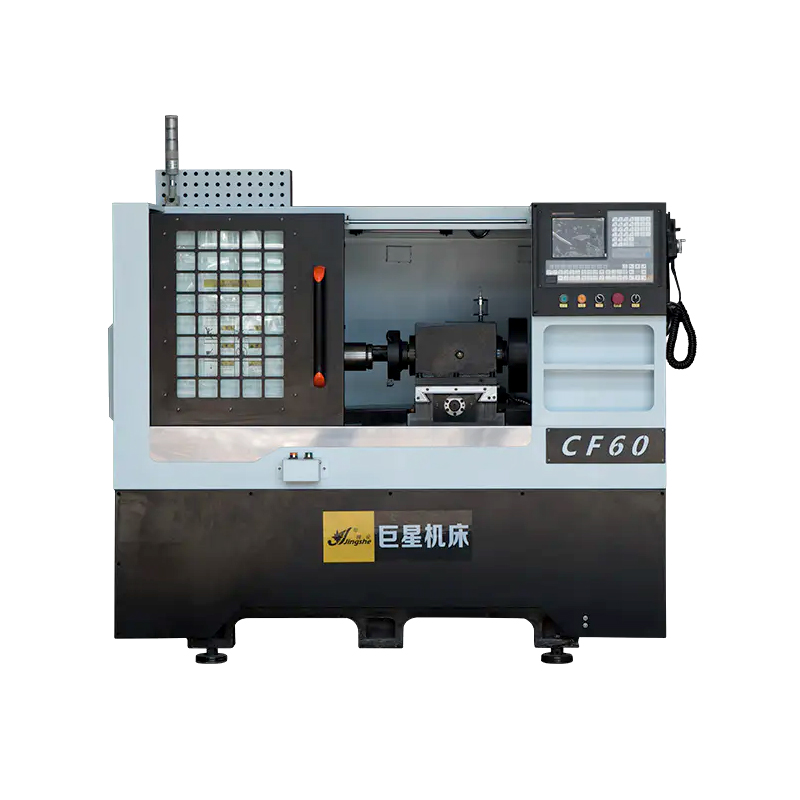
The CF60 CNC Polygon Lathe is a highly efficient and versatile machine tool designed for small to medium-sized precision parts milling. It is capable ...
See Details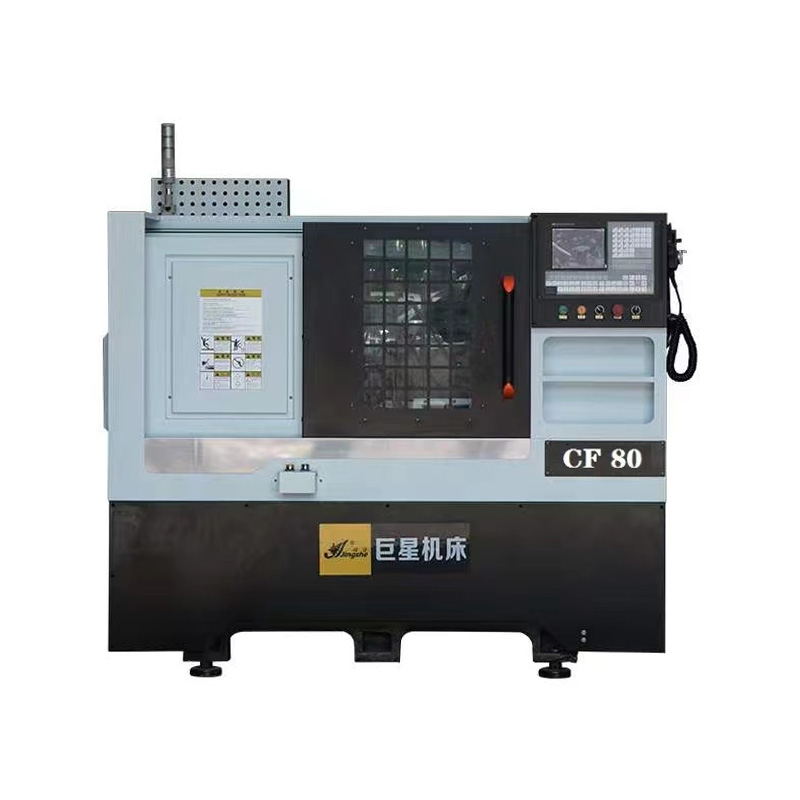
Introducing the CF80 Auto Polygon Lathe Hexagonal Tailstock Lathe Machine. This machine is specifically designed for the production of medium and smal...
See Details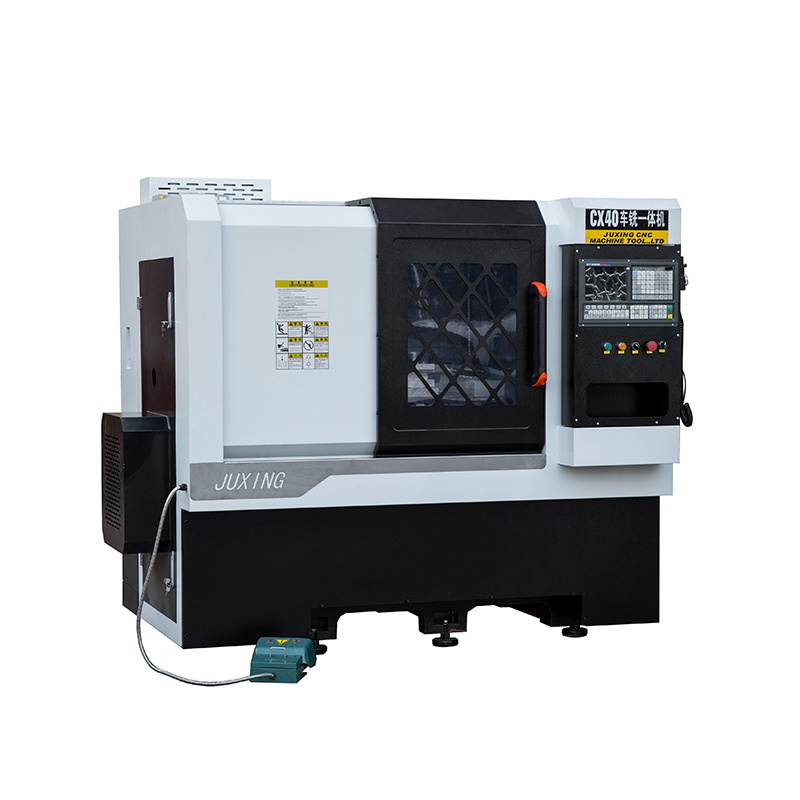
The CX40 High Precision Linear Track Horizontal CNC Lathe Machine is designed to provide exceptional performance and versatility for precision machini...
See Details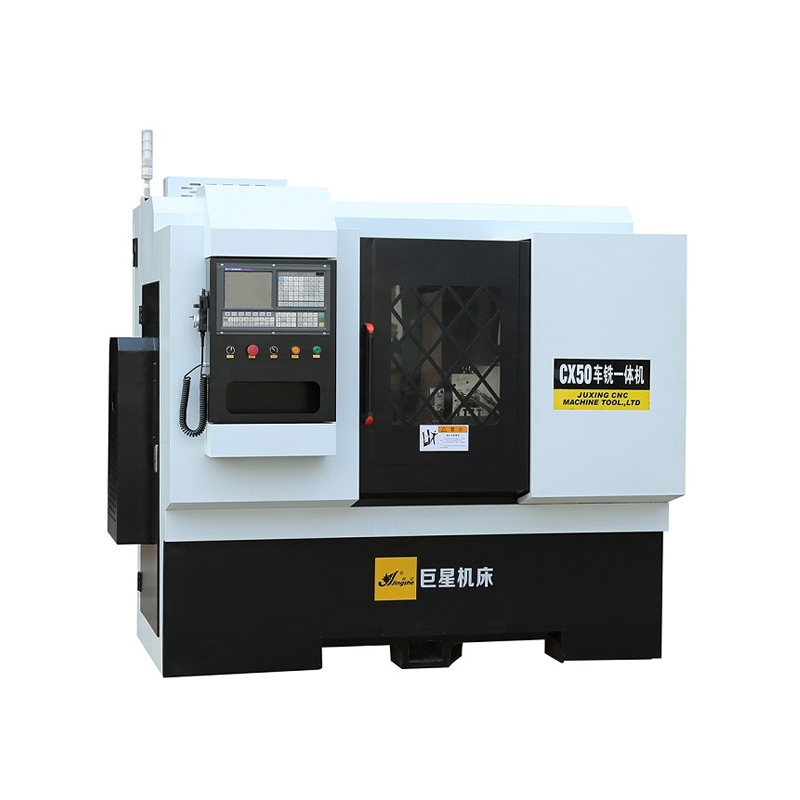
Are you looking for a machine that combines the capabilities of a CNC lathe and a square lathe? Look no further! Introducing the CX50 New CNC Turning ...
See Details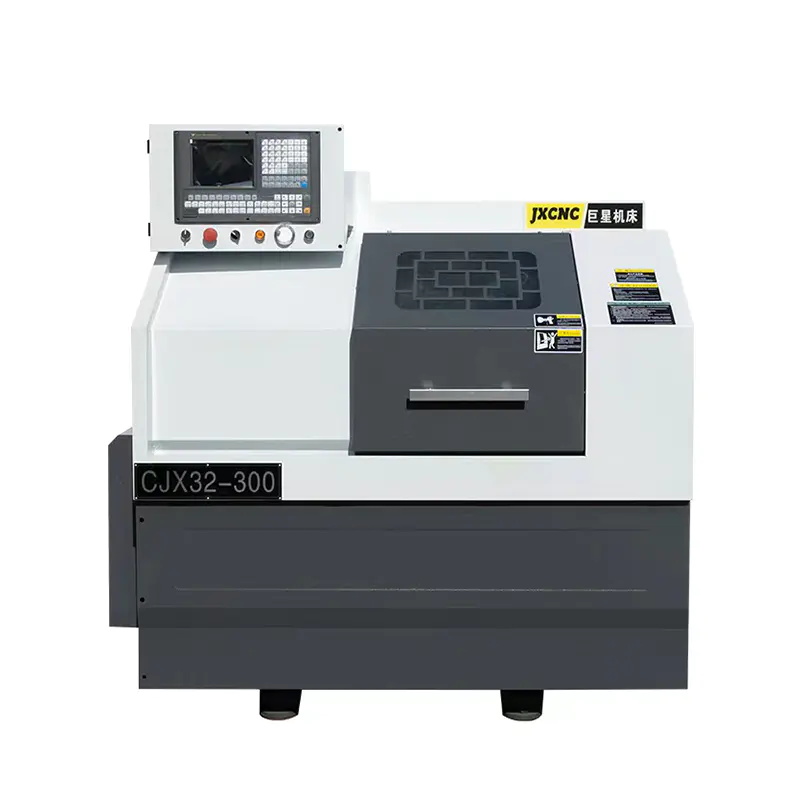
The JX32-300 Mini Economical CNC Lathe Machine is designed to provide high precision and efficient machining for a wide range of metal products. With ...
See Details
Introducing the JX36P China Good Supplier CNC Lathe Machine, a high-quality and efficient tool designed for precision machining. With its horizontal i...
See DetailsTEL : +86-576-87491531
FAX : +86-576-87493038
E-MAIL : chinajuxing@aliyun.com
ADDRESS: Longxi Industrial Zone, Yuhuan City, Taizhou City, Zhejiang Province, China
CopyrightTaizhou Yestar Intelligent Equipment Co., Ltd. All Rights Reserved.