English
 中文简体
中文简体 русский
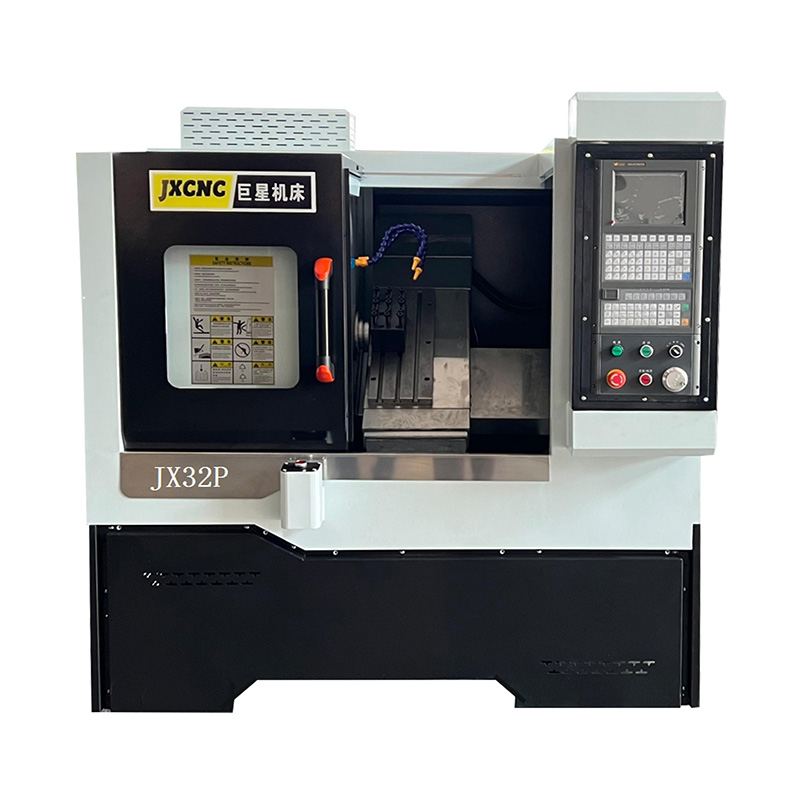
CF60 CNC Polygon Lathe
Cat:High Rigidity Polygon Lathe
The CF60 CNC Polygon Lathe is a highly efficient and versatile machine tool designed for small to medium-sized precision parts milling. It is capable ...
See Details


Polygon turning has gradually moved from a niche machining method into a widely discussed process in modern CNC production lines. Its ability to generate flats, hex shapes, and multi-edge profiles directly on a lathe without switching to milling operations makes it attractive for compact workflows. Yet the question remains whether this method maintains stable reliability once part geometry becomes more complicated and tolerance bands tighten.
The process depends on synchronized motion between spindle rotation and a driven cutting unit, forming controlled non-circular geometries through continuous cutting paths. Research shows that the accuracy of polygonal surfaces is strongly linked to kinematic synchronization and tool path stability rather than tool geometry alone. This means machine control quality becomes the defining factor instead of just mechanical rigidity.
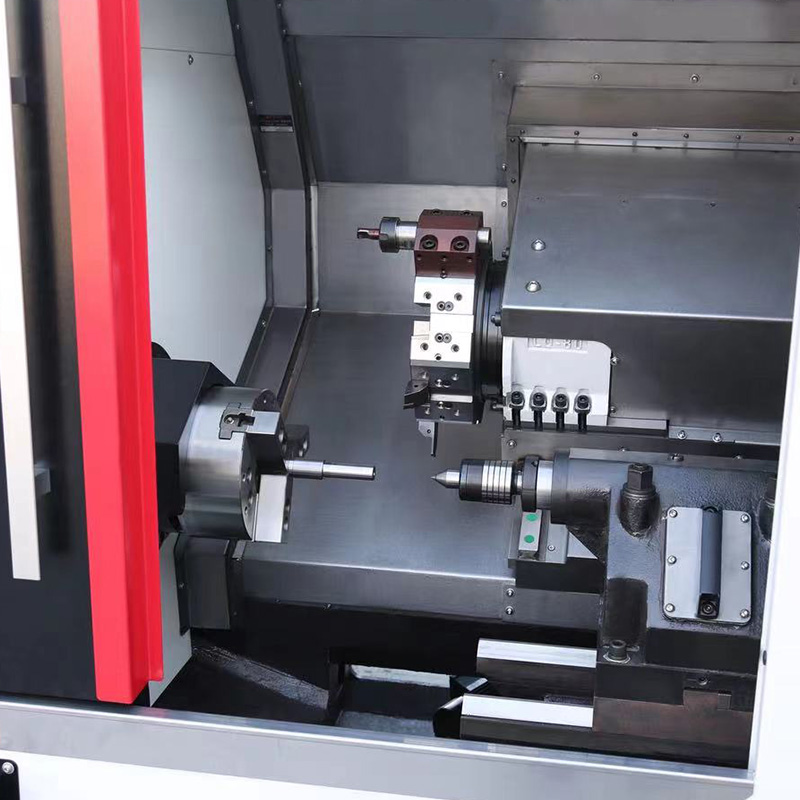
Complex profiles increase demand on axis coordination. Even small fluctuations in spindle speed or tool head rotation can create uneven flatness or subtle curvature on polygon faces.
Industrial discussions and machining tests indicate that polygon turning without stable synchronization may produce slightly concave or convex flats instead of mathematically ideal planes. This limitation becomes more visible as profile complexity increases.
Modern CNC lathe platforms, especially slant-bed architectures, improve stability by reducing vibration and improving chip evacuation paths. A rigid structure helps maintain cutting consistency during high-speed multi-axis operations.
In practical production environments, many users pair polygon turning systems with high-rigidity machines such as an automatic cnc polygon turning machine equipped with servo-driven tool heads and reinforced guideways. These configurations reduce deflection during heavy engagement cuts and support more stable geometry formation on complex parts.
While polygon turning is efficient for multi-flat shapes, complex profiles with mixed radii, interrupted transitions, or asymmetric edges introduce additional challenges.
Studies on CNC polygon machining confirm that even minor kinematic errors accumulate into measurable shape deviation, especially on polyhedrons with uneven face distribution.
Unlike conventional turning, polygon machining produces intermittent cutting contact depending on tool path geometry. This creates alternating load cycles on inserts, which changes cutting force distribution over time.
Such dynamic behavior can still maintain acceptable precision levels under controlled conditions, but stability depends heavily on feedrate tuning and spindle torque consistency. Some advanced systems use adaptive servo control to stabilize tool engagement during high-speed polygon cycles.
Recent CNC developments integrate multi-axis coordination systems that allow polygon turning without additional Y-axis movement. Tool cartridges and synchronized rotary heads enable faster generation of multi-edge profiles while maintaining acceptable surface quality.
In high-end configurations, CNC platforms integrate digital compensation for motion lag, which helps reduce contour deviation in complex profiles. These improvements make polygon turning more viable than earlier generations of mechanically linked systems.
Polygon turning performs best in repeated symmetrical profiles such as shafts, fasteners, and connector components. However, once geometry includes mixed curvature or irregular edge spacing, process reliability begins to decline.
For this reason, manufacturers often combine polygon turning with milling or grinding steps when dealing with tight-tolerance aerospace or hydraulic components.
From a production standpoint, polygon turning remains a practical solution rather than a universal shaping method. Its reliability is strong in controlled environments with stable servo systems, rigid machine frames, and optimized tool paths. Once complexity rises beyond standard multi-flat geometry, reliability becomes conditional rather than absolute.
The method continues to gain adoption due to its efficiency advantage and reduced process steps. However, its success in complex profile machining depends less on the concept itself and more on machine architecture, synchronization quality, and real-time control refinement.
Overall, polygon turning still holds a solid position in modern CNC manufacturing, yet its performance ceiling is clearly defined by mechanical coordination limits rather than cutting capability alone.
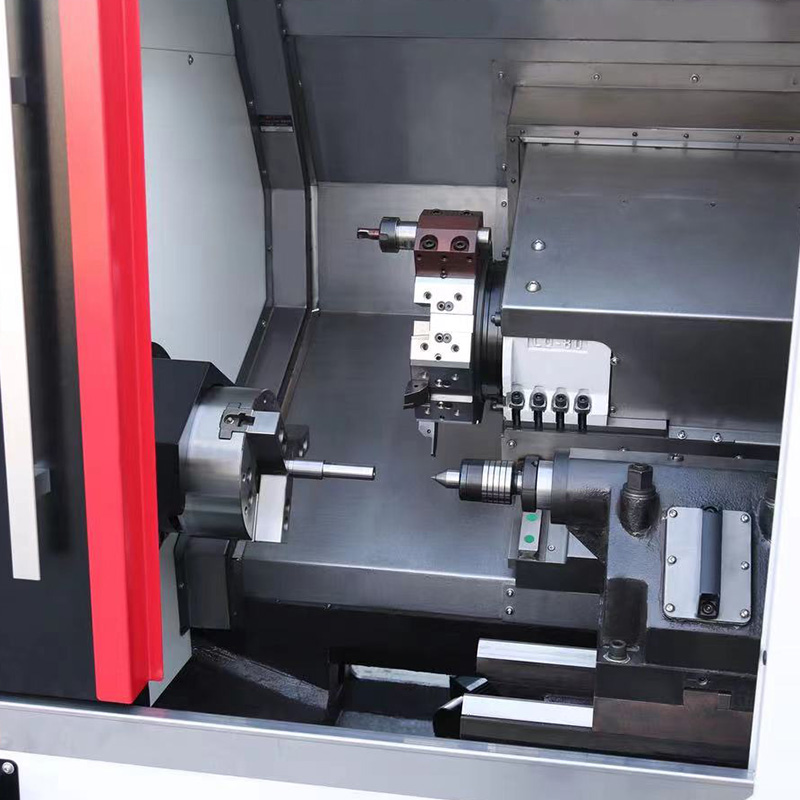
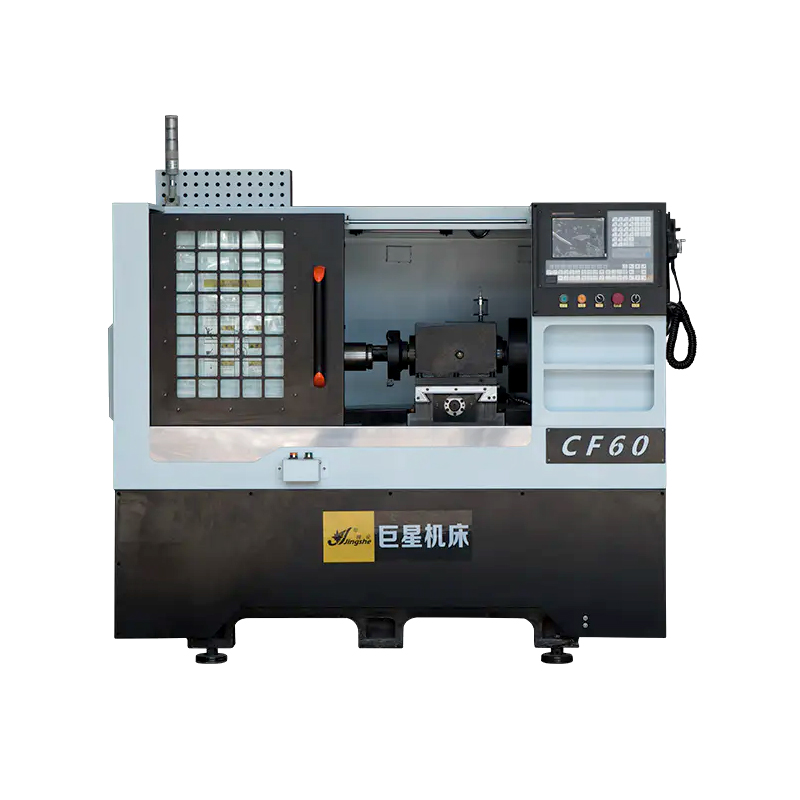
The CF60 CNC Polygon Lathe is a highly efficient and versatile machine tool designed for small to medium-sized precision parts milling. It is capable ...
See Details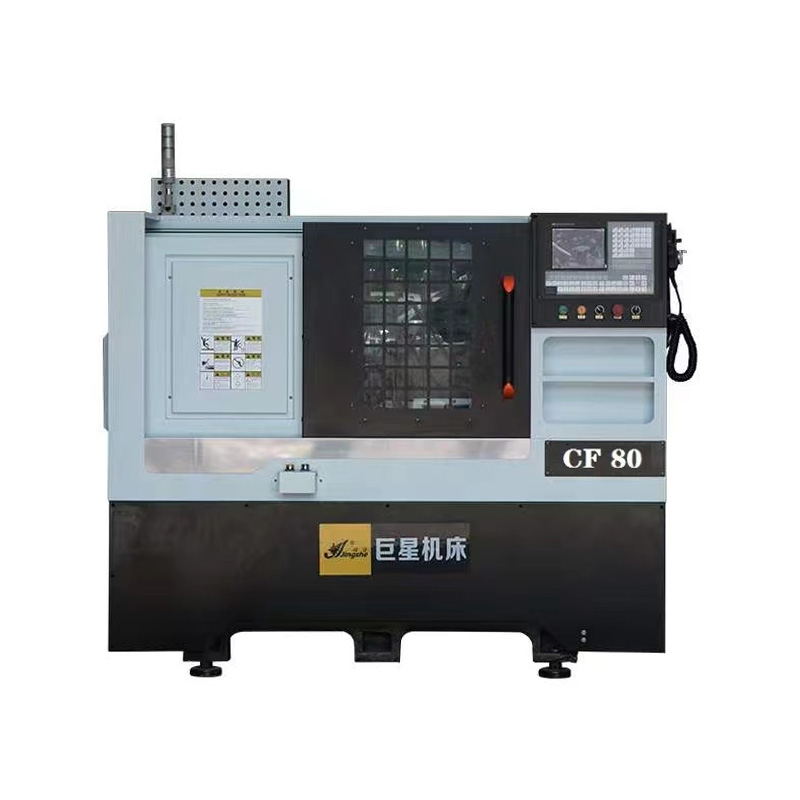
Introducing the CF80 Auto Polygon Lathe Hexagonal Tailstock Lathe Machine. This machine is specifically designed for the production of medium and smal...
See Details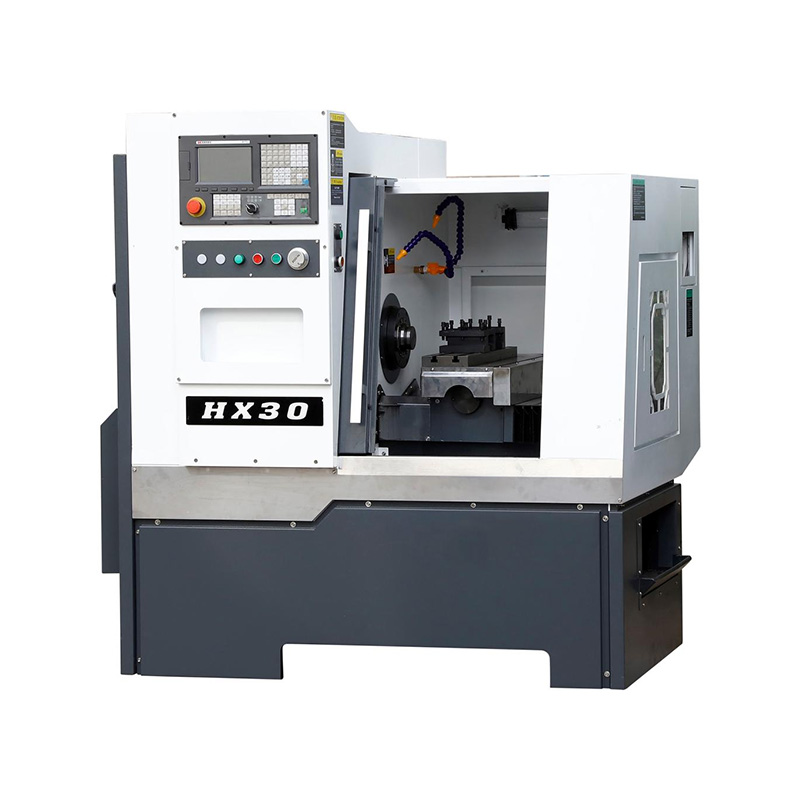
A notable feature of the HX30 Mandrel Bar Feeder Cheap CNC Lathe is its efficient and reliable mandrel bar feeder. The mandrel serves as a support for...
See Details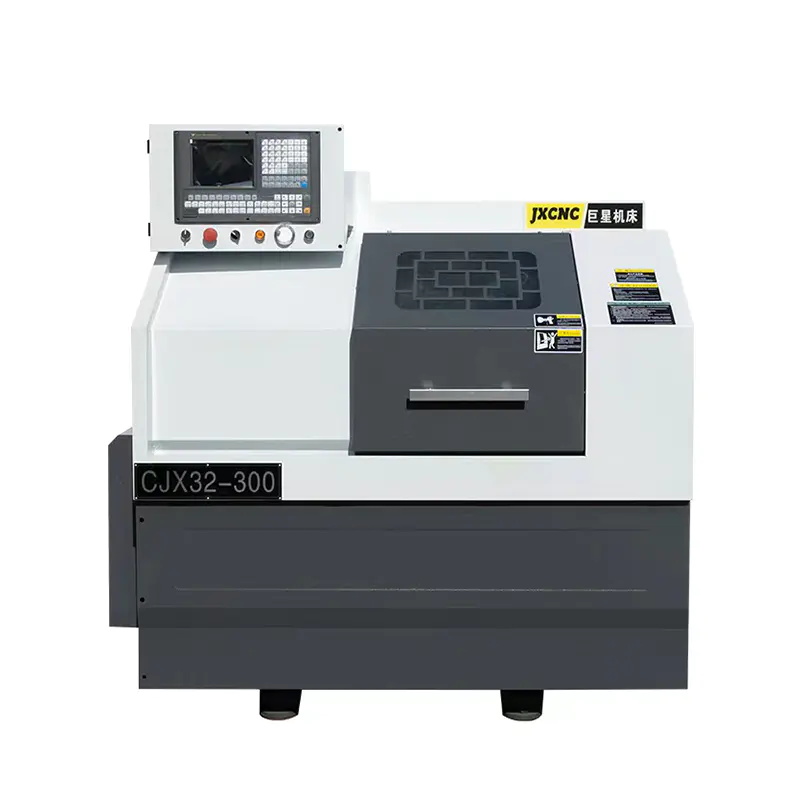
The JX32-300 Mini Economical CNC Lathe Machine is designed to provide high precision and efficient machining for a wide range of metal products. With ...
See Details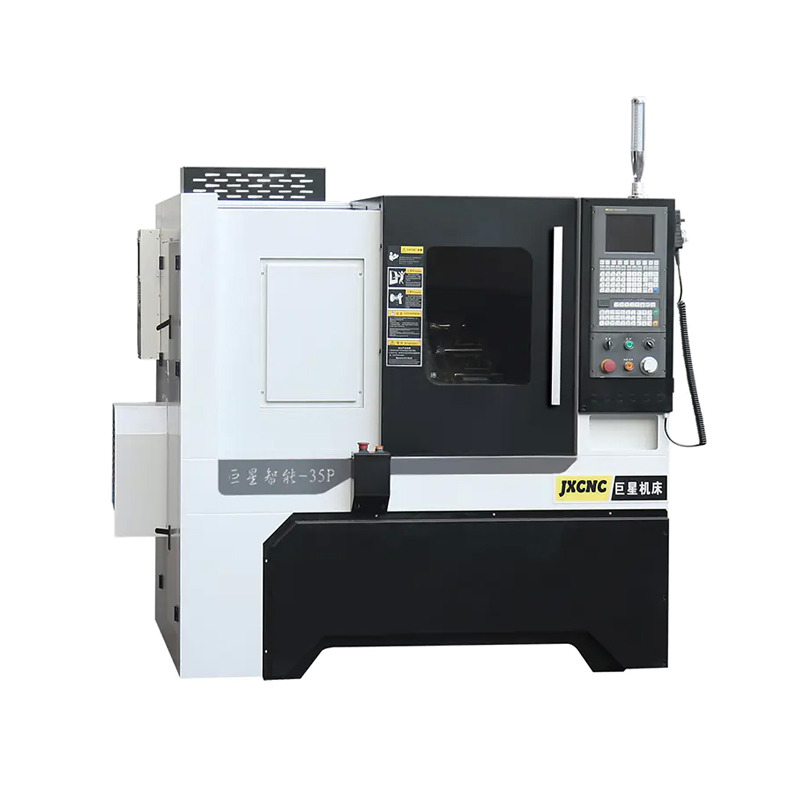
The JX35P CNC Hiwin Linear Guide Machine with High Precision is a reliable and robust solution for various machining applications. With its horizontal...
See Details
Introducing the JX36P China Good Supplier CNC Lathe Machine, a high-quality and efficient tool designed for precision machining. With its horizontal i...
See Details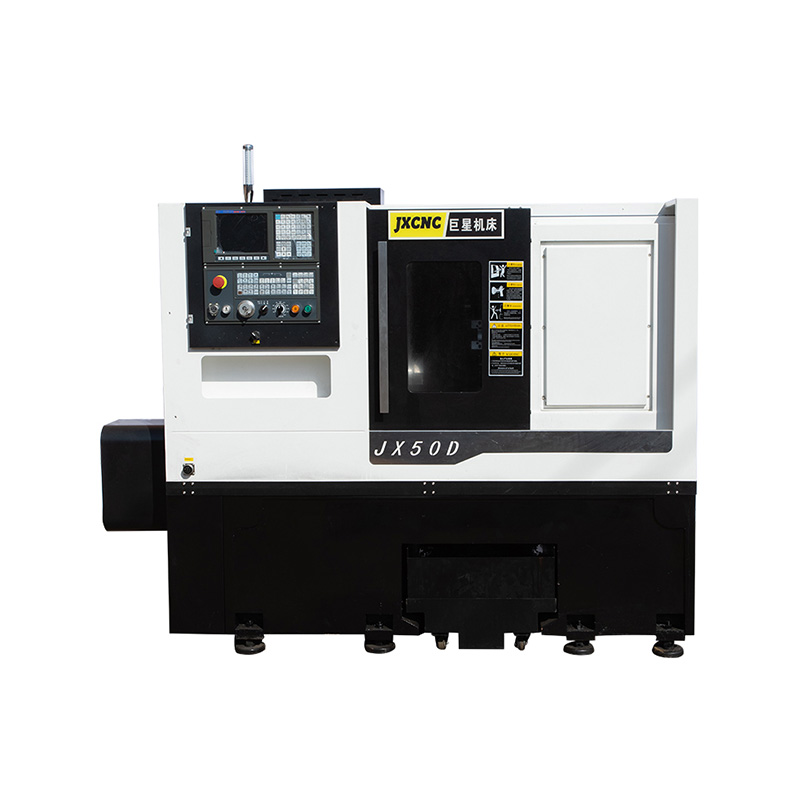
Introducing the JX50D CNC Machine Tools List from China's CNC machine tools manufacturer. Our machine tools are equipped with a servo hydraulic turret...
See DetailsTEL : +86-576-87491531
FAX : +86-576-87493038
E-MAIL : chinajuxing@aliyun.com
ADDRESS: Longxi Industrial Zone, Yuhuan City, Taizhou City, Zhejiang Province, China
CopyrightTaizhou Yestar Intelligent Equipment Co., Ltd. All Rights Reserved.