English
 中文简体
中文简体 русский
CF60 CNC Polygon Lathe
Cat:High Rigidity Polygon Lathe
The CF60 CNC Polygon Lathe is a highly efficient and versatile machine tool designed for small to medium-sized precision parts milling. It is capable ...
See Details


High-speed machining has changed the expectations of modern turning equipment. Customers no longer focus only on cutting speed or spindle power. They also pay close attention to whether a machine can maintain stable accuracy during continuous high-RPM operation, complex cutting cycles, and long production runs.
The structural design of a CNC lathe plays a major role in this process. Among different machine layouts, the slant bed structure has become widely used because its inclined geometry helps improve rigidity, vibration control, and chip management. Many machining users looking for a china good cnc lathe machine consider slant bed design as an important factor related to long-term precision performance.
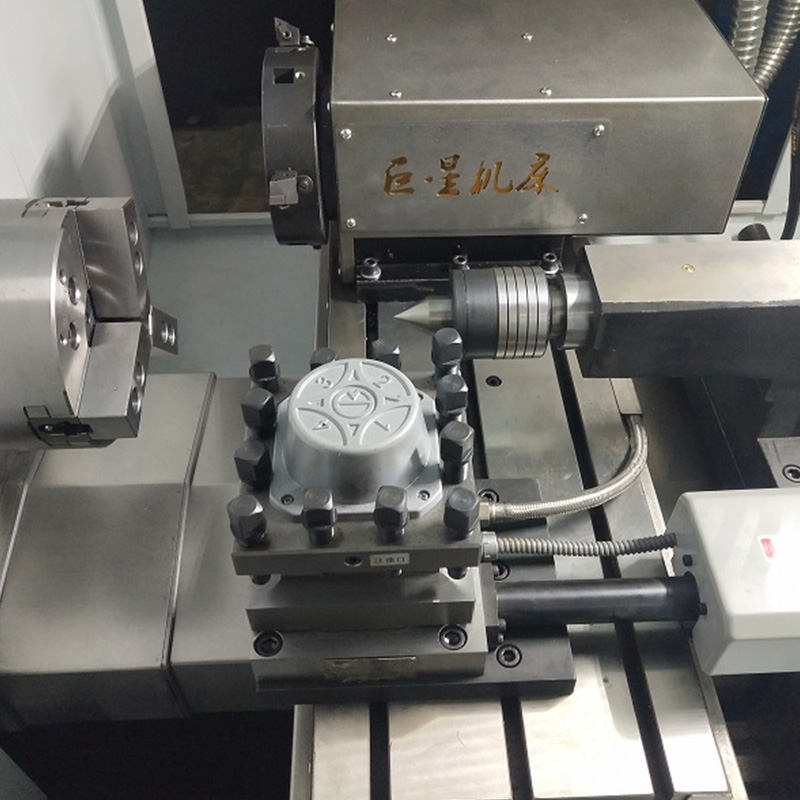
Ultra-high speed machining creates additional mechanical challenges. As spindle rotation increases, small structural weaknesses become easier to detect. Cutting forces, thermal expansion, and vibration can gradually influence surface quality and dimensional consistency.
A slant bed CNC lathe uses an inclined guideway layout that creates a stronger load-supporting structure compared with traditional flat designs. The angled bed helps distribute cutting forces toward the machine base instead of allowing excessive bending movement across the structure.
The angle of the slant bed is not simply an appearance feature. Common designs use approximately 30° to 45° guideway angles, creating a triangular support structure between the bed, carriage, and cutting area. This configuration improves resistance against twisting forces during machining operations.
During high-speed turning, the cutting tool generates changing loads as it contacts different sections of the workpiece. A rigid inclined structure helps keep the tool position more consistent, which is especially important for parts requiring tight tolerances.
For example, a machine equipped with a heavy cast iron slant bed, precision linear guides, and high-resolution servo systems can maintain repeat positioning accuracy around 0.005–0.01 mm depending on machine configuration and testing standards.
Heat management is another important factor affecting CNC accuracy. High-speed operation generates heat from spindle rotation, cutting friction, and hydraulic or electrical components. Temperature changes can cause small dimensional variations inside the machining area.
The inclined structure supports faster chip and coolant removal because gravity naturally guides cutting waste away from the working zone. This reduces the chance of hot chips remaining near guideways or the workpiece surface.
Surface finish is closely connected with machine rigidity. At high cutting speeds, even minor vibration can leave visible tool marks or irregular surface patterns.
A slant bed design provides a larger cross-sectional support area, helping the machine resist bending and torsion. Some industry comparisons indicate that inclined bed structures can offer improved stiffness and lower vibration levels compared with traditional flat-bed layouts.
This advantage becomes noticeable during operations such as:
The mechanical structure alone does not determine final accuracy. Modern CNC control systems work together with the machine frame to improve performance.
Advanced slant bed machines often combine servo motors, precision ball screws, linear guideways, and intelligent compensation functions. These technologies help correct small positioning errors caused by mechanical movement, temperature variation, and acceleration forces.
A well-designed CNC system can monitor axis movement and provide smoother interpolation during complex profiles. This combination allows the machine to achieve stable performance during demanding applications such as automotive components, hydraulic parts, and precision shafts.
Although slant bed structures provide clear mechanical advantages, accuracy still depends on multiple factors. Machine assembly quality, spindle precision, guideway manufacturing, control algorithms, and maintenance conditions all influence final machining results.
A rigid structure cannot completely eliminate errors caused by improper cutting parameters or unsuitable tooling. Operators still need to optimize spindle speed, feed rate, cutting depth, and tool selection according to material characteristics.
The demand for faster production and tighter tolerances continues to push CNC lathe development. Slant bed architecture provides a balanced solution by combining structural strength, improved chip removal, and better dynamic stability.
For manufacturers searching for a reliable CNC turning platform, the machine structure deserves the same attention as spindle power and automation functions. A properly engineered slant bed CNC lathe can support high-speed machining tasks while maintaining stable dimensional control.
The relationship between structure and accuracy is clear: higher machining speed requires stronger mechanical support. Slant bed technology continues to demonstrate its value because it addresses the fundamental challenges created by modern precision manufacturing.
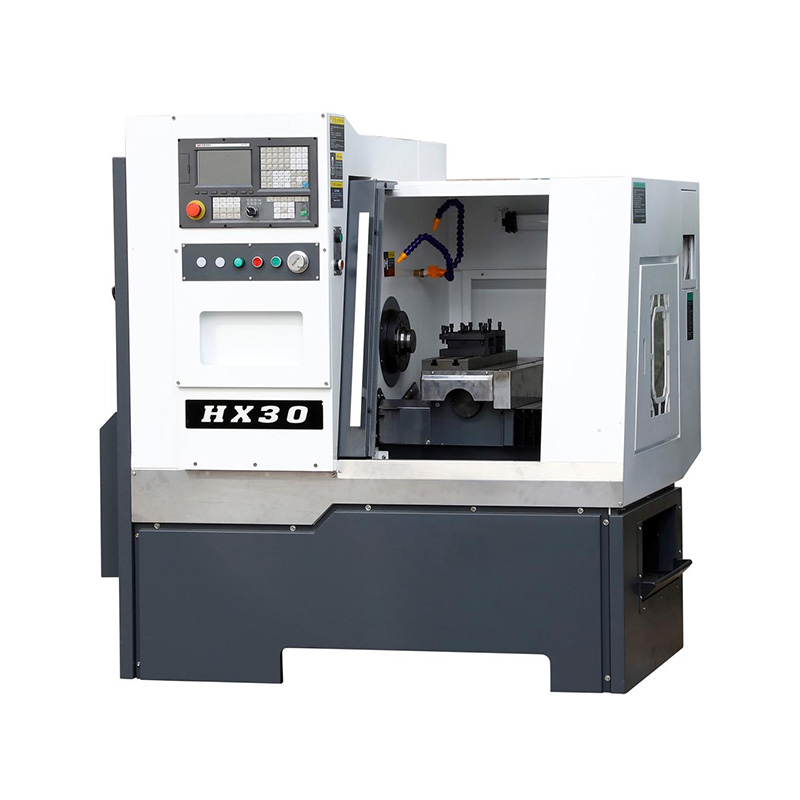
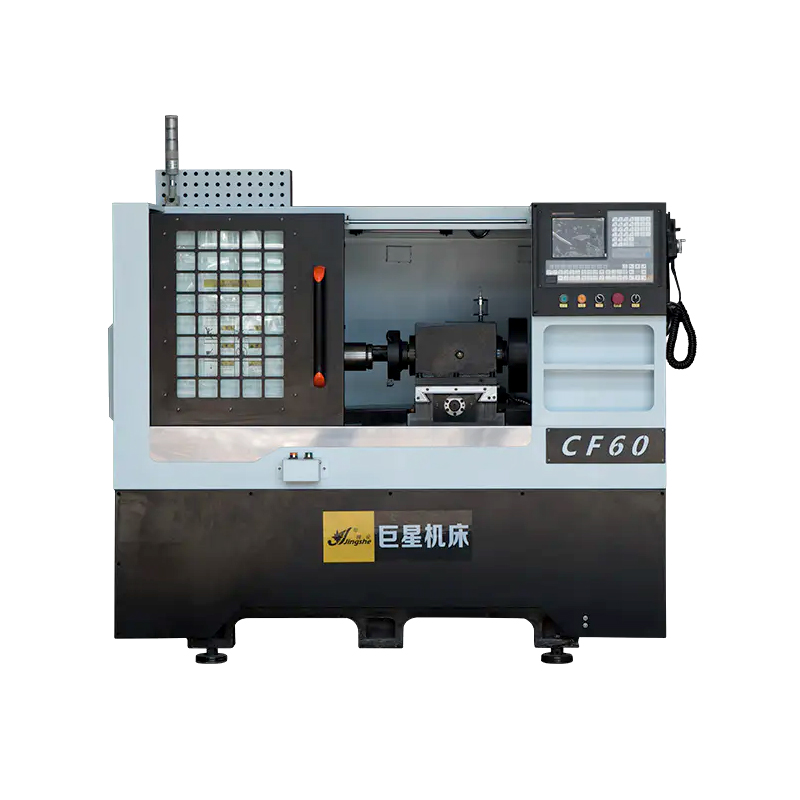
The CF60 CNC Polygon Lathe is a highly efficient and versatile machine tool designed for small to medium-sized precision parts milling. It is capable ...
See Details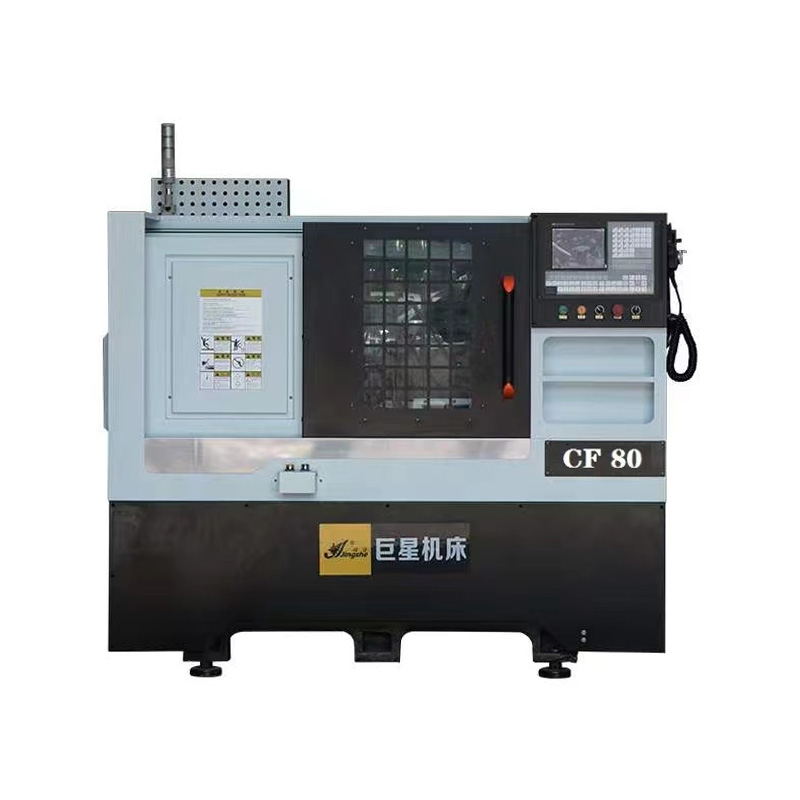
Introducing the CF80 Auto Polygon Lathe Hexagonal Tailstock Lathe Machine. This machine is specifically designed for the production of medium and smal...
See Details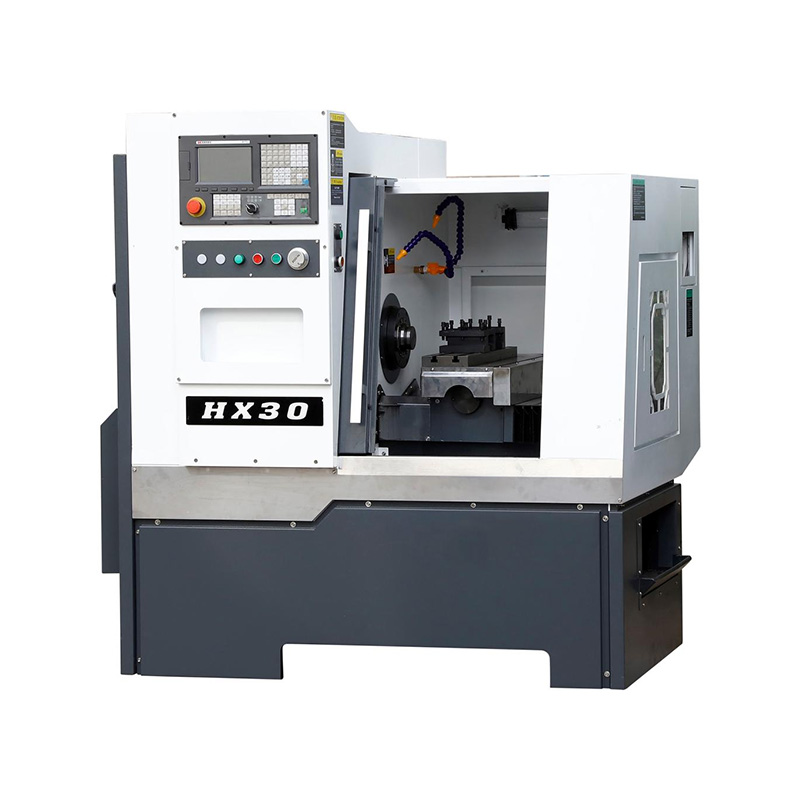
A notable feature of the HX30 Mandrel Bar Feeder Cheap CNC Lathe is its efficient and reliable mandrel bar feeder. The mandrel serves as a support for...
See Details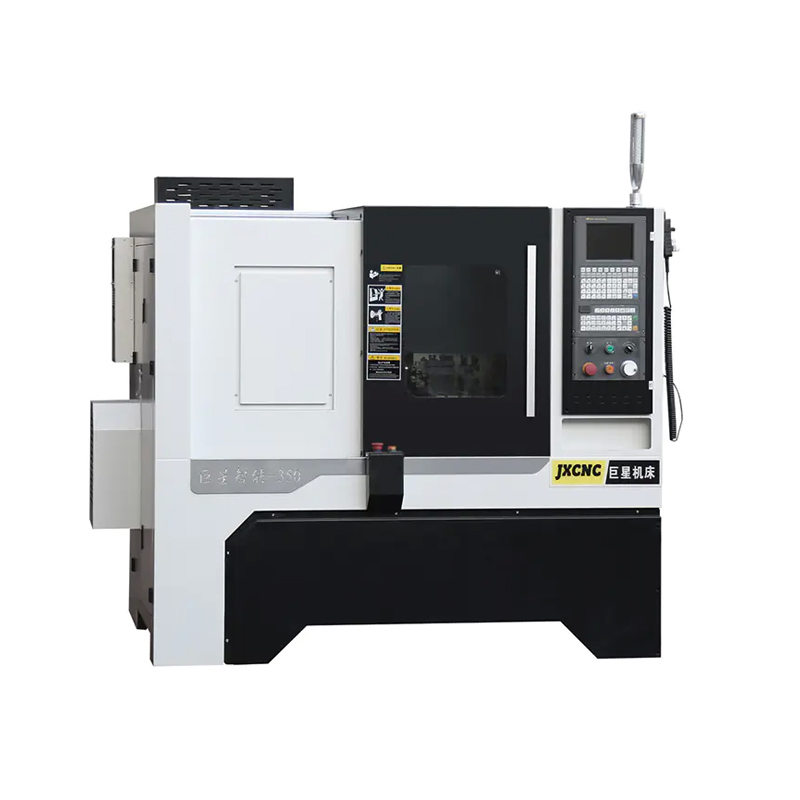
The JX350 Gang Type CNC Lathe for Cutting Tool with Rapid Tool Changing is designed to deliver high precision and efficiency in cutting tool operation...
See Details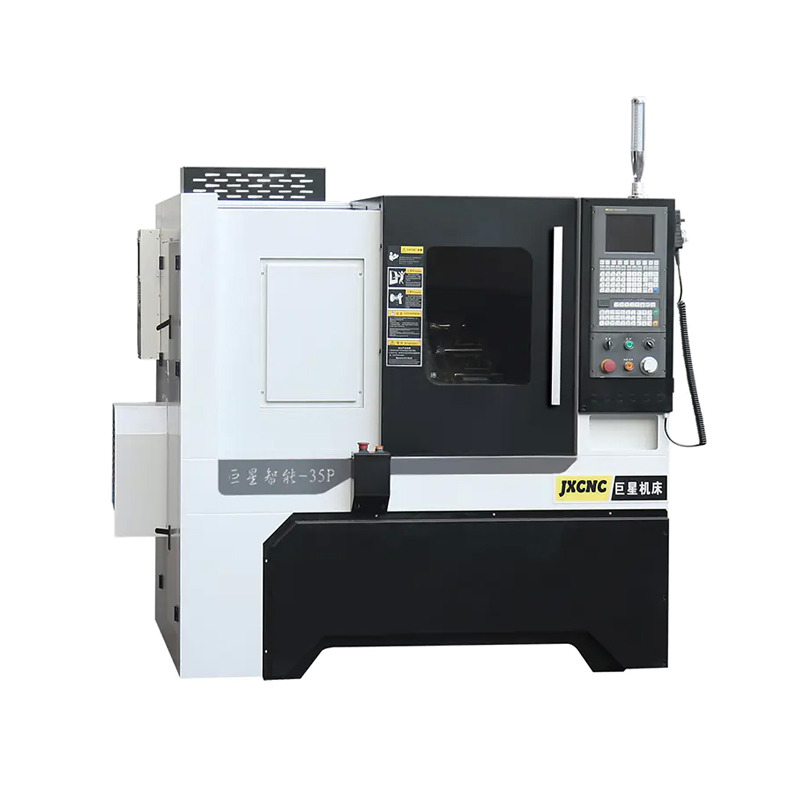
The JX35P CNC Hiwin Linear Guide Machine with High Precision is a reliable and robust solution for various machining applications. With its horizontal...
See Details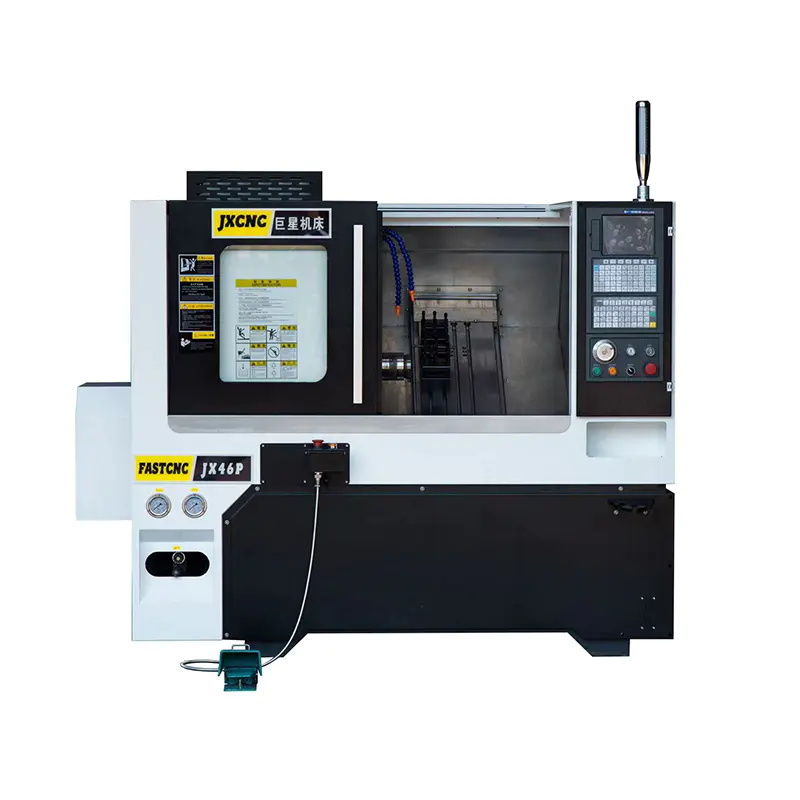
The JX46P Slant Bed CNC Lathe Machine of Cast Iron Machine Base is a high-performance machine tool designed for various machining operations. With its...
See Details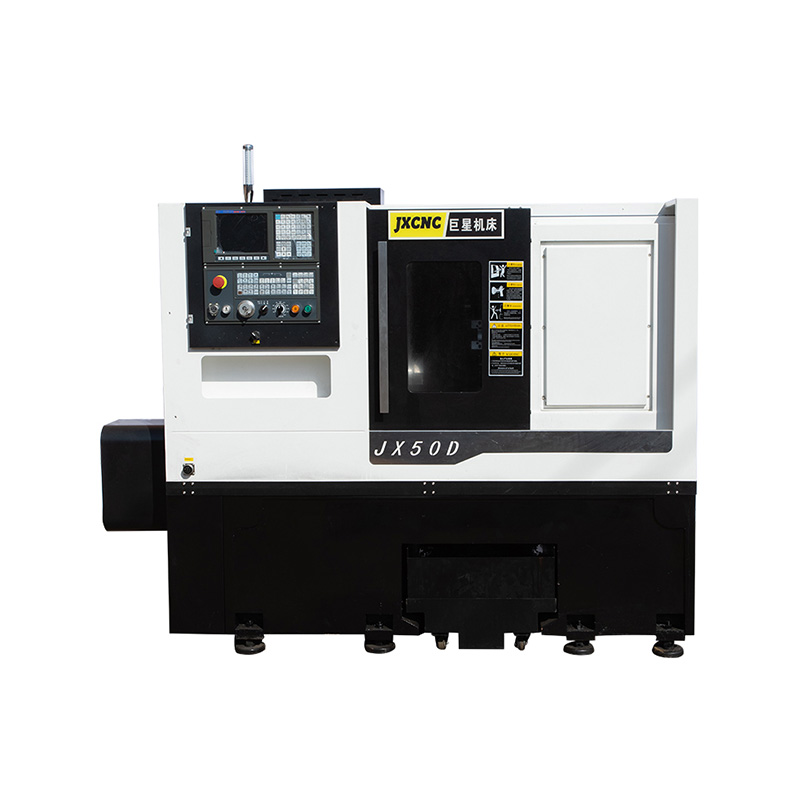
Introducing the JX50D CNC Machine Tools List from China's CNC machine tools manufacturer. Our machine tools are equipped with a servo hydraulic turret...
See Details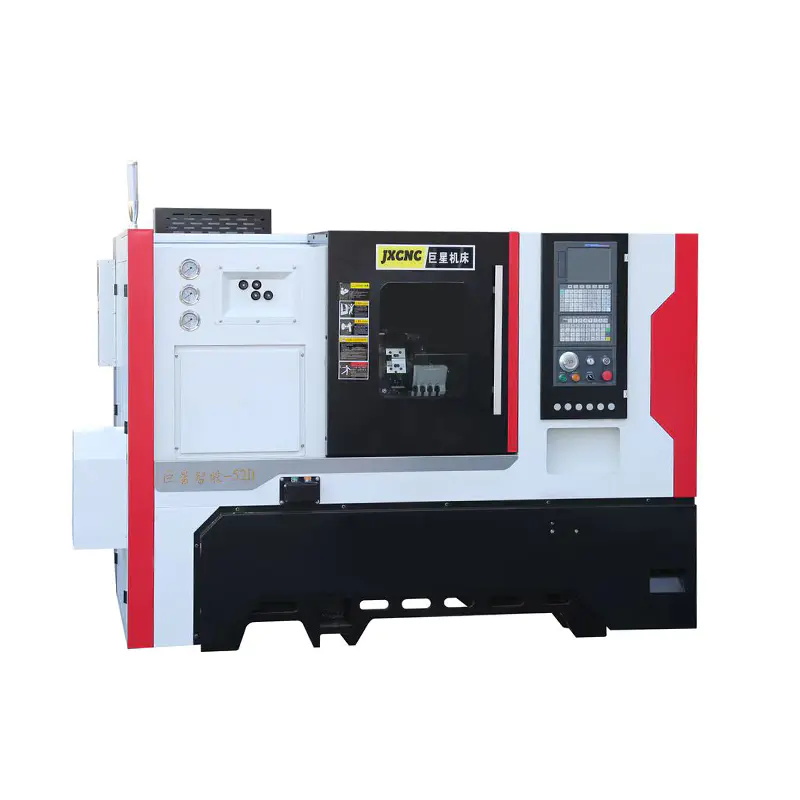
The JX52D Machine Tool CNC Lathe is specifically designed for lathe every kinds of material with precision and efficiency. It is equipped with advance...
See DetailsTEL : +86-576-87491531
FAX : +86-576-87493038
E-MAIL : chinajuxing@aliyun.com
ADDRESS: Longxi Industrial Zone, Yuhuan City, Taizhou City, Zhejiang Province, China
CopyrightTaizhou Yestar Intelligent Equipment Co., Ltd. All Rights Reserved.