English
 中文简体
中文简体 русский
CF60 CNC Polygon Lathe
Cat:High Rigidity Polygon Lathe
The CF60 CNC Polygon Lathe is a highly efficient and versatile machine tool designed for small to medium-sized precision parts milling. It is capable ...
See Details


High precision machining requires more than advanced programming and cutting tools. The mechanical structure of a machine tool directly influences dimensional accuracy, surface quality, and long-term machining consistency. Among modern turning solutions, the CNC Slant Bed Lathe Machine has become an important choice for manufacturers producing complex and precision-oriented components.
The inclined bed structure changes the traditional layout of CNC turning equipment by improving cutting force distribution, chip removal performance, and overall rigidity. These characteristics make slant bed CNC technology suitable for industries that require stable machining results, including automotive components, aerospace parts, medical devices, and precision hardware.
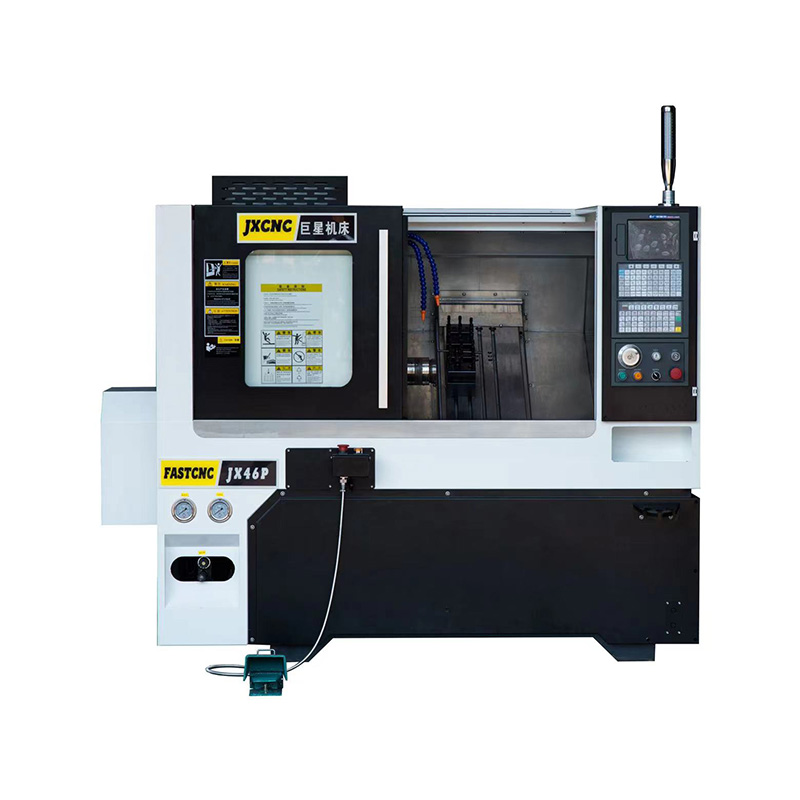
The foundation of machining accuracy starts with machine rigidity. During turning operations, cutting forces can create vibration and deformation, especially during heavy cutting or high-speed spindle rotation. A slant bed design provides a more stable mechanical layout by positioning the guideways at an angle, helping distribute machining forces through the machine base.
For precision parts with strict tolerance requirements, even small mechanical changes can affect final dimensions. A stable machine structure provides a reliable foundation for producing components with consistent geometry and surface finishes.
Modern precision components often contain multiple machining features, such as external turning, internal boring, threading, grooving, and contour processing. A CNC Slant Bed Lathe Machine combines rigid construction with advanced CNC control systems to complete these operations with controlled tool movement.
Typical configurations may include linear guideways, high-speed spindles, hydraulic chucks, automatic tool turrets, and servo-driven feed systems. Depending on the model design, common specifications include:
For example, compact slant bed CNC models can process bar materials around 25 mm diameter while maintaining machining accuracy close to ±0.01 mm, making them suitable for small precision parts production.
Different industries require different levels of machining accuracy and repeatability. The structural advantages of slant bed equipment allow it to handle various precision manufacturing tasks.
Automotive parts such as shafts, connectors, transmission components, and hydraulic parts require stable dimensions across large production quantities. CNC slant bed machines provide controlled turning processes for components where consistency and surface finish are important.
Aerospace components often involve difficult materials and complex geometries. The combination of rigid machine construction and precise CNC movement helps manufacturers process parts requiring strict dimensional control.
Small medical parts, instrument components, and precision mechanical elements often demand fine surface quality and repeatable machining results. A stable turning platform helps achieve these requirements while supporting automated production processes.
Chip control is an important factor affecting machining stability. During metal cutting, accumulated chips can interfere with tool movement, increase heat concentration, and influence surface quality.
The angled bed design naturally guides chips toward the collection area, reducing interference around the machining zone. This layout creates a cleaner working environment for continuous turning operations and supports more stable processing conditions.
Although the slant bed design plays an important role, overall machining quality depends on multiple technical elements working together. Spindle accuracy, ball screw performance, CNC control capability, tooling selection, and machine calibration all influence the final result.
Precision manufacturing continues to move toward automation, digital control, and multi-function machining. Modern CNC turning equipment is increasingly integrated with automatic loading systems, live tooling, and intelligent monitoring technologies.
The role of the CNC Slant Bed Lathe Machine is expanding from simple turning operations to flexible production platforms capable of handling diverse precision components. Its combination of rigidity, accuracy, and adaptability makes it suitable for manufacturers facing increasingly complex machining requirements.
The value of a slant bed CNC lathe goes beyond its inclined structure. It represents a machining approach focused on stability, precision control, and reliable processing performance. From automotive shafts to aerospace components and precision hardware, this machine configuration provides a strong foundation for producing high-quality metal parts.
As manufacturing requirements continue to evolve, CNC slant bed technology will remain an important solution for companies seeking accurate machining capabilities, flexible production options, and consistent part quality.
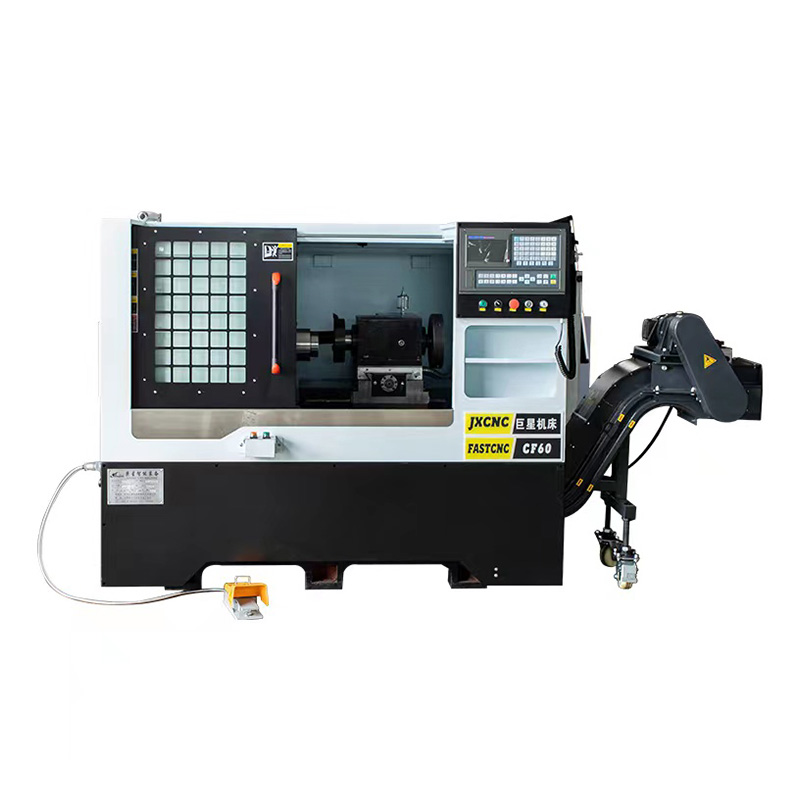
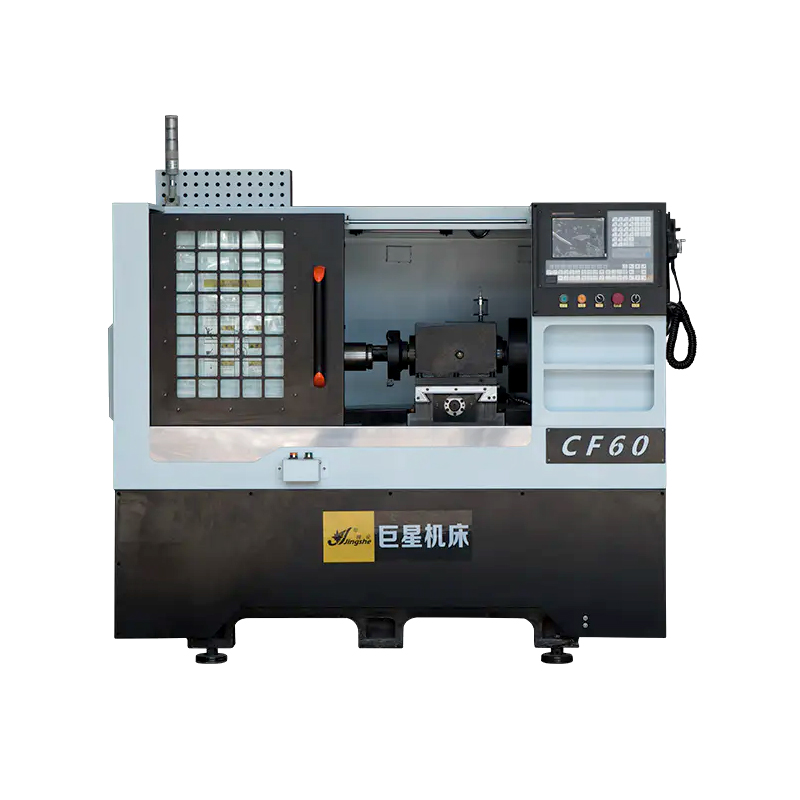
The CF60 CNC Polygon Lathe is a highly efficient and versatile machine tool designed for small to medium-sized precision parts milling. It is capable ...
See Details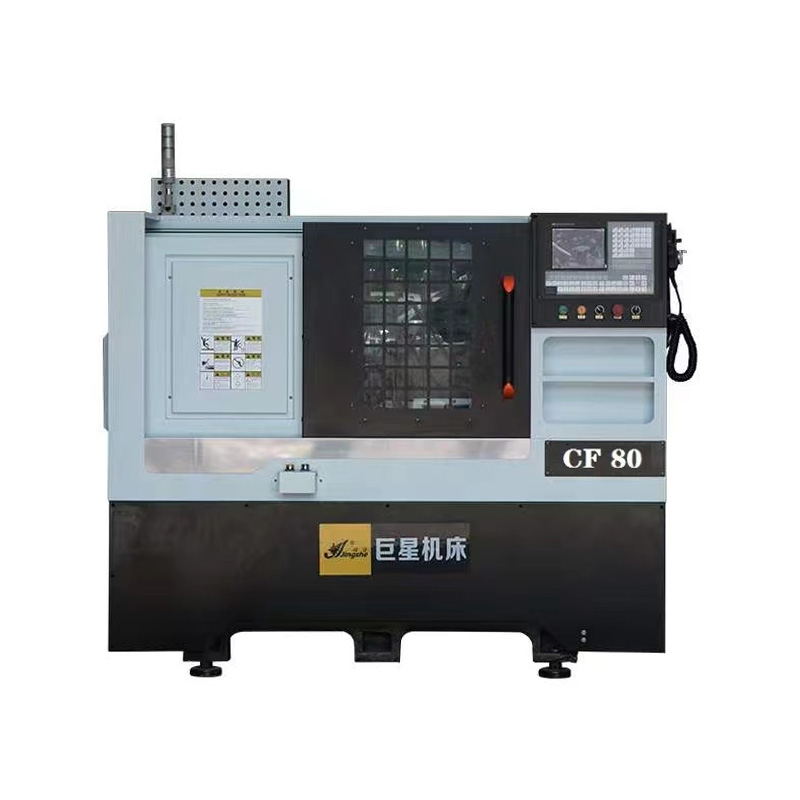
Introducing the CF80 Auto Polygon Lathe Hexagonal Tailstock Lathe Machine. This machine is specifically designed for the production of medium and smal...
See Details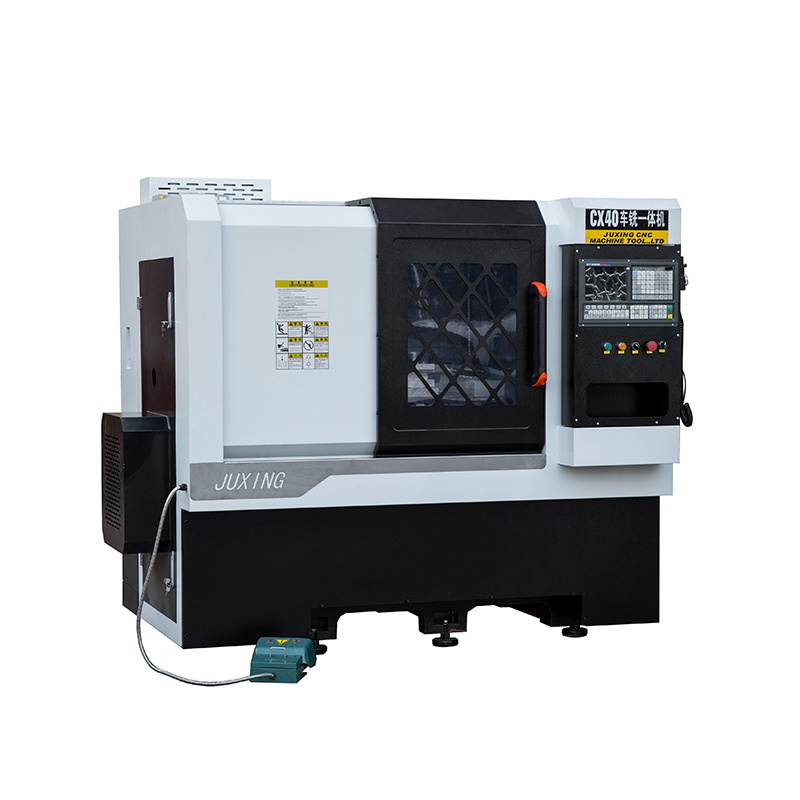
The CX40 High Precision Linear Track Horizontal CNC Lathe Machine is designed to provide exceptional performance and versatility for precision machini...
See Details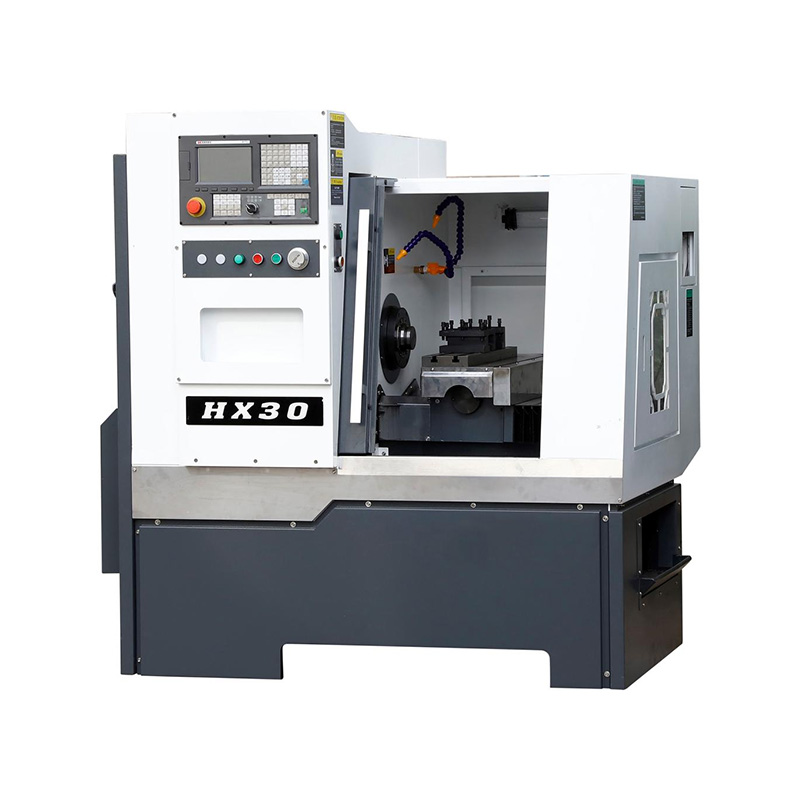
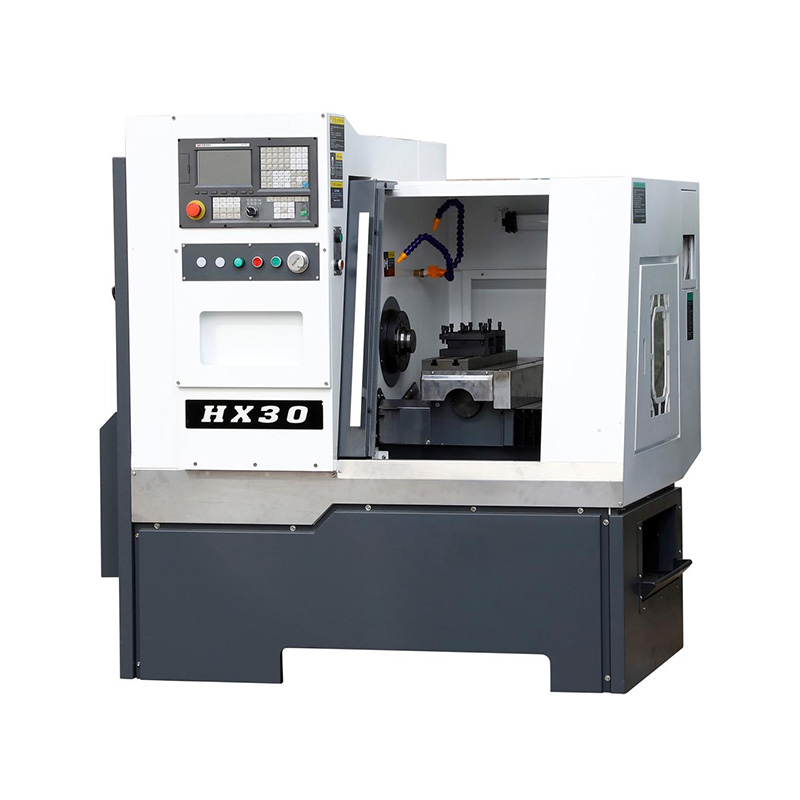
A notable feature of the HX30 Mandrel Bar Feeder Cheap CNC Lathe is its efficient and reliable mandrel bar feeder. The mandrel serves as a support for...
See Details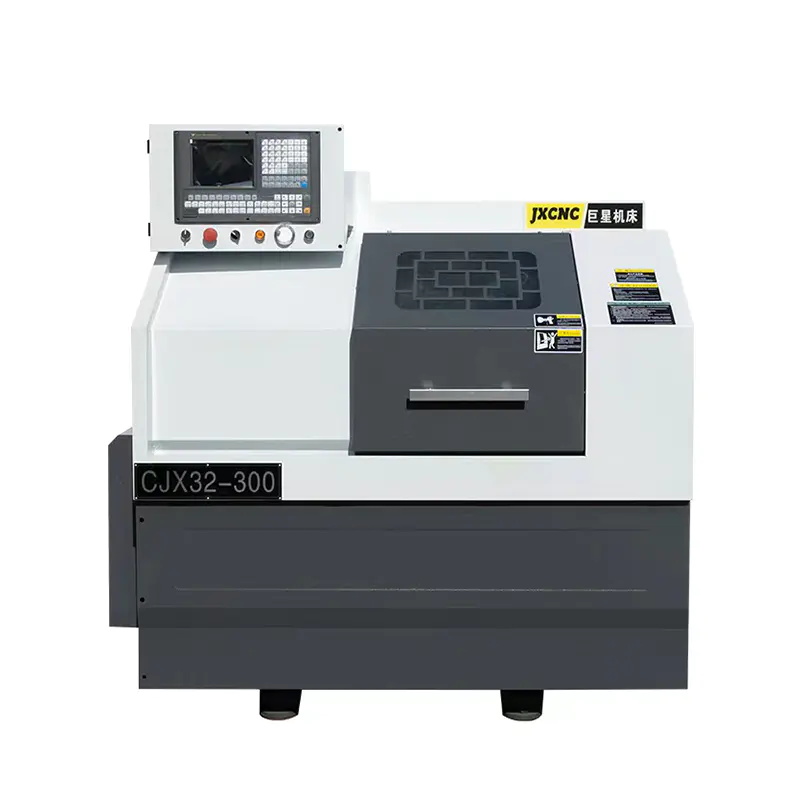
The JX32-300 Mini Economical CNC Lathe Machine is designed to provide high precision and efficient machining for a wide range of metal products. With ...
See Details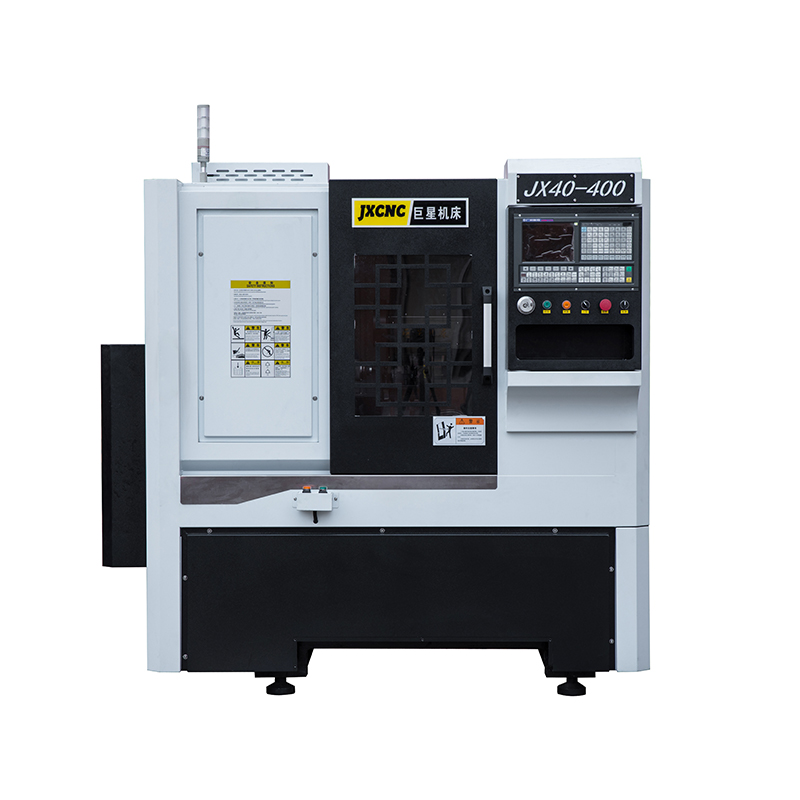
The JX40-400 Factory High Speed Precision CNC Lathes are designed to provide exceptional efficiency and accuracy in machining processes. With the abil...
See Details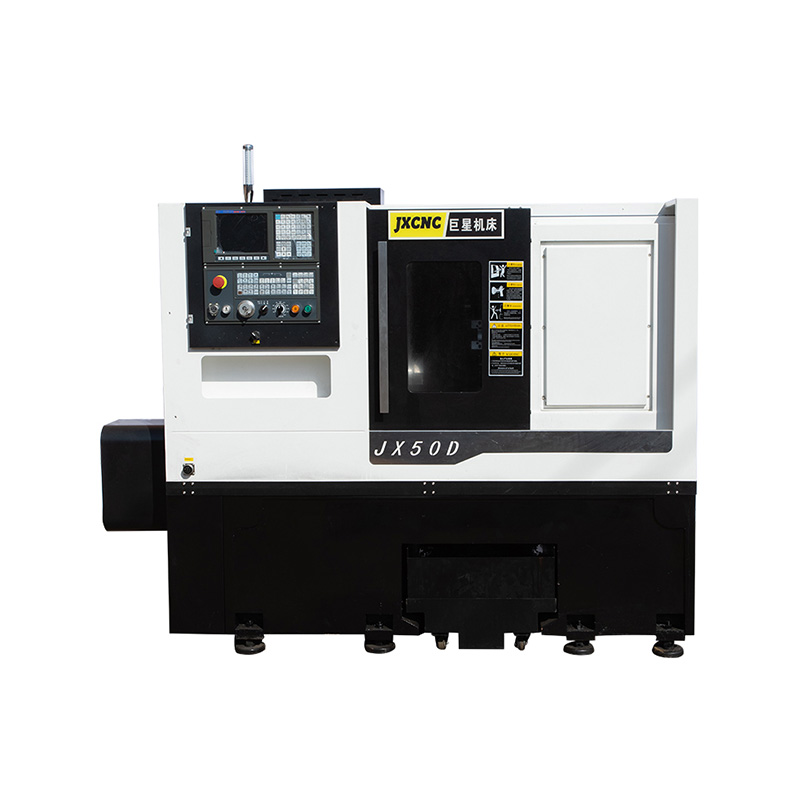
Introducing the JX50D CNC Machine Tools List from China's CNC machine tools manufacturer. Our machine tools are equipped with a servo hydraulic turret...
See Details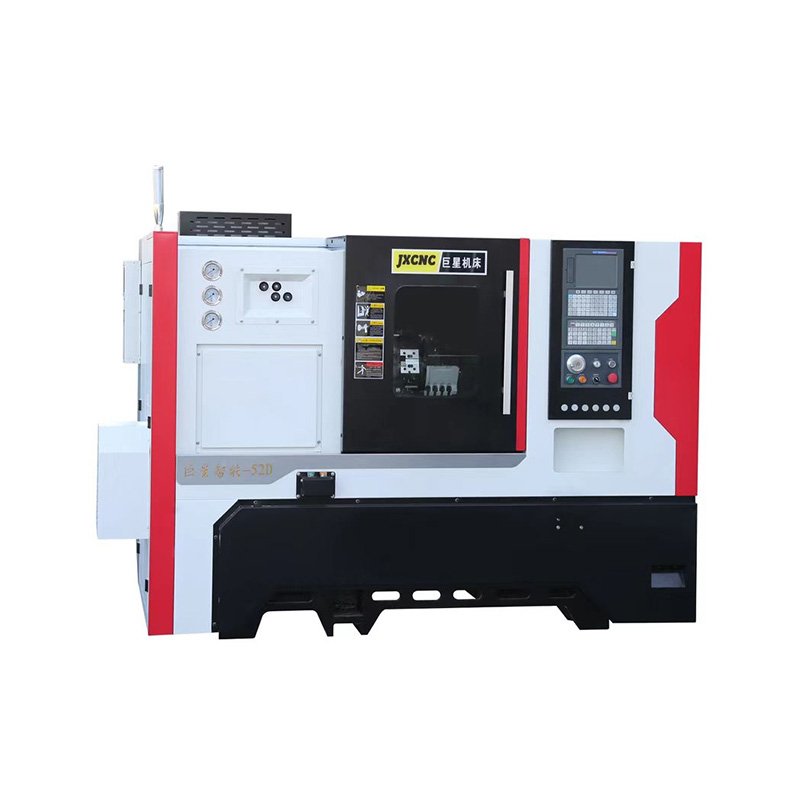
As a trusted machine tool equipment supplier in China, we prioritize customer satisfaction and strive to provide the solutions and support. Our JX52D ...
See DetailsTEL : +86-576-87491531
FAX : +86-576-87493038
E-MAIL : chinajuxing@aliyun.com
ADDRESS: Longxi Industrial Zone, Yuhuan City, Taizhou City, Zhejiang Province, China
CopyrightTaizhou Yestar Intelligent Equipment Co., Ltd. All Rights Reserved.