English
 中文简体
中文简体 русский
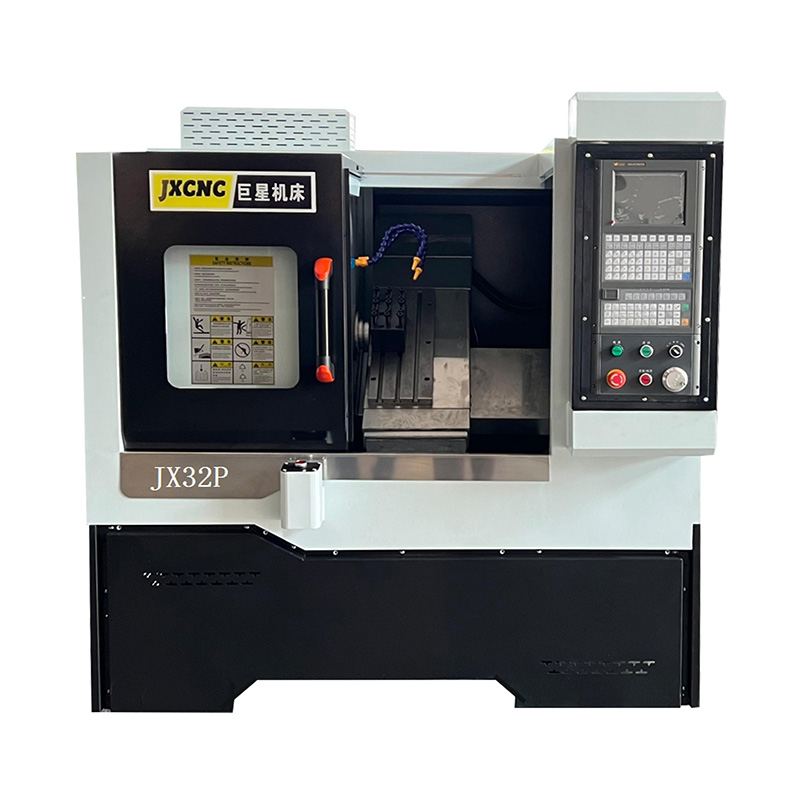
CF32 Hydraulic Clamping CNC Polygon Turning Machine
Cat:Small Polygon Lathe
CF32 hydraulic clamping CNC polygon lathe is designed for milling small and medium-sized high-precision parts, which can mill square, octagonal, hexag...
See Details


1. Precision and Accuracy
One of the significant advantages of CNC turning lathes is their ability to achieve high levels of precision and accuracy. Traditional manual lathes require the operator to make adjustments throughout the machining process, but CNC turning lathes are automated, which ensures highly accurate results with minimal human intervention.

Tight Tolerances: CNC turning lathes are capable of achieving tight tolerances, often in the range of microns (µm), which ensures that the final part meets exact specifications. This is crucial for industries such as aerospace, automotive, and medical device manufacturing, where precision is essential.
Automated Tooling: The CNC system controls the movement of the tool and the workpiece, adjusting cutting speeds, feed rates, and tool positions automatically. This level of control allows for consistent cuts and the ability to replicate the same results across multiple parts.
Reduced Human Error: Since CNC lathes are programmed to follow specific instructions, the likelihood of human error is greatly reduced. This bring about higher consistency and quality of finished parts.
The precision of CNC turning lathes ensures that parts are machined to exact specifications, reducing the need for rework and improving overall efficiency in production.
2. Automation and Efficiency
CNC turning lathes offer significant improvements in automation and overall machining efficiency. The ability to automate various processes allows manufacturers to reduce cycle times and labor costs while maintaining high-quality output.
Automated Operations: Once programmed, CNC turning lathes can operate autonomously, executing a series of tasks without the need for constant supervision. This includes operations such as drilling, threading, and boring, all of which are performed with high precision.
Reduced Setup Time: Unlike manual lathes, CNC turning machines can be easily reprogrammed to accommodate different parts or materials. This reduces the amount of time required for machine setup, faster production times.
Multi-Axis Capability: Many CNC turning lathes are equipped with multi-axis functionality, which allows the machine to perform multiple operations simultaneously. This increases the speed of production and reduces the need for secondary operations or additional tooling.
The high degree of automation not only increases production speed but also improves overall productivity, allowing manufacturers to meet high demand with minimal human intervention.
3. Flexibility and Versatility
CNC turning lathes offer unmatched flexibility and versatility in machining a wide variety of materials and part geometries. This adaptability makes them suitable for use across diverse industries, including automotive, aerospace, medical devices, and consumer products.
Variety of Materials: CNC turning lathes can machine a broad range of materials, including metals (such as steel, aluminum, and titanium), plastics, and composites. The ability to work with such a wide range of materials makes them suitable for applications across various industries.
Complex Geometries: With advanced programming capabilities, CNC turning lathes can create complex part geometries that would be difficult or impossible to achieve using traditional manual machining techniques. This includes intricate curves, contours, and threading.
Customization: CNC turning lathes can be easily reprogrammed to produce different part designs, allowing manufacturers to quickly switch between production runs of different parts. This flexibility is especially useful in industries with changing demands or smaller production volumes.
The versatility of CNC turning lathes ensures they are useful for producing both simple and highly complex parts, making them indispensable in industries where both standard and customized parts are required.
4. Material Compatibility and Surface Finish
CNC turning lathes are highly effective in working with a wide range of materials, and they produce surface finishes, which are critical for many applications.
Precision Machining of Hard Materials: CNC turning lathes are capable of machining harder materials such as hardened steel, titanium, and alloys that may be difficult to work with using traditional methods. These materials are often used in demanding applications, such as aerospace and medical industries.
High-Quality Surface Finishes: One of the main advantages of CNC turning lathes is their ability to produce parts with smooth, high-quality surface finishes. This is important for components that must meet specific aesthetic requirements or have low friction, such as in automotive or medical applications.
Minimal Post-Processing: The precision and quality achieved with CNC turning lathes often mean that less post-processing is required. Parts that would otherwise require additional polishing, grinding, or deburring can be produced directly from the lathe with minimal additional steps.
The material compatibility and ability to achieve high-quality surface finishes make CNC turning lathes essential for producing both functional and aesthetically pleasing parts.
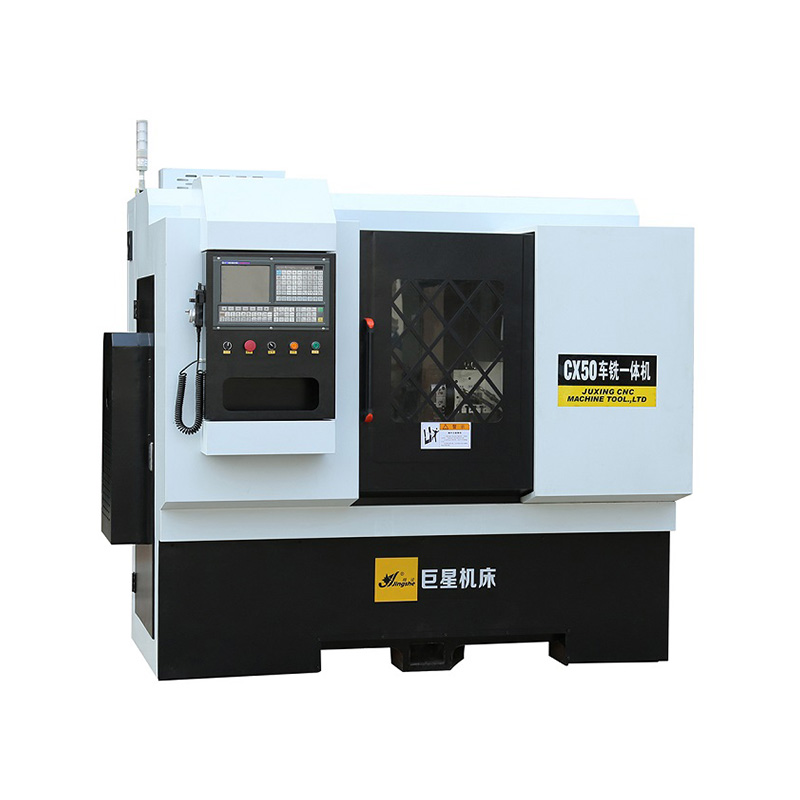
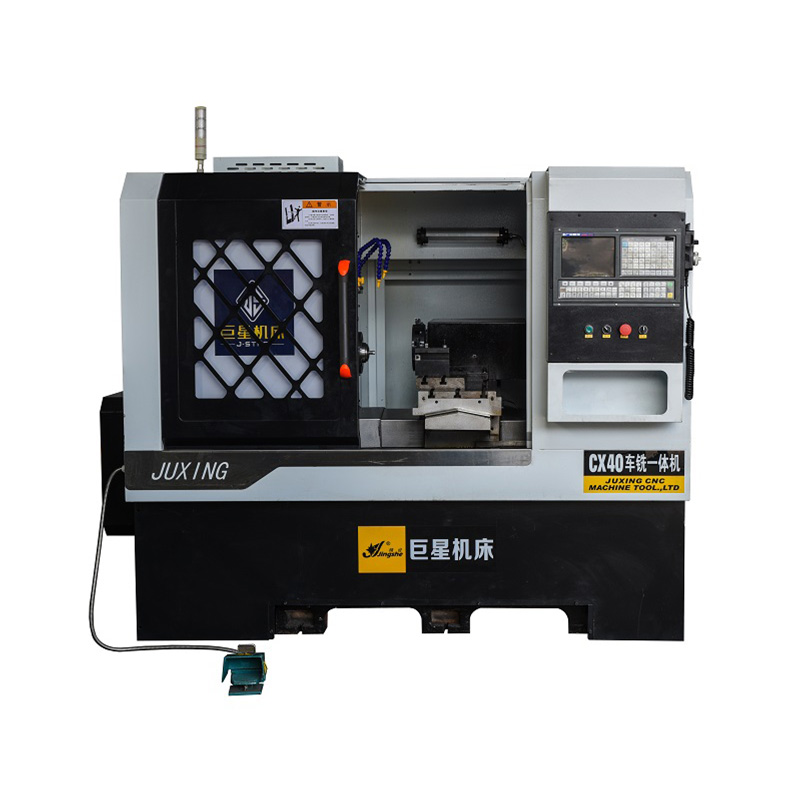
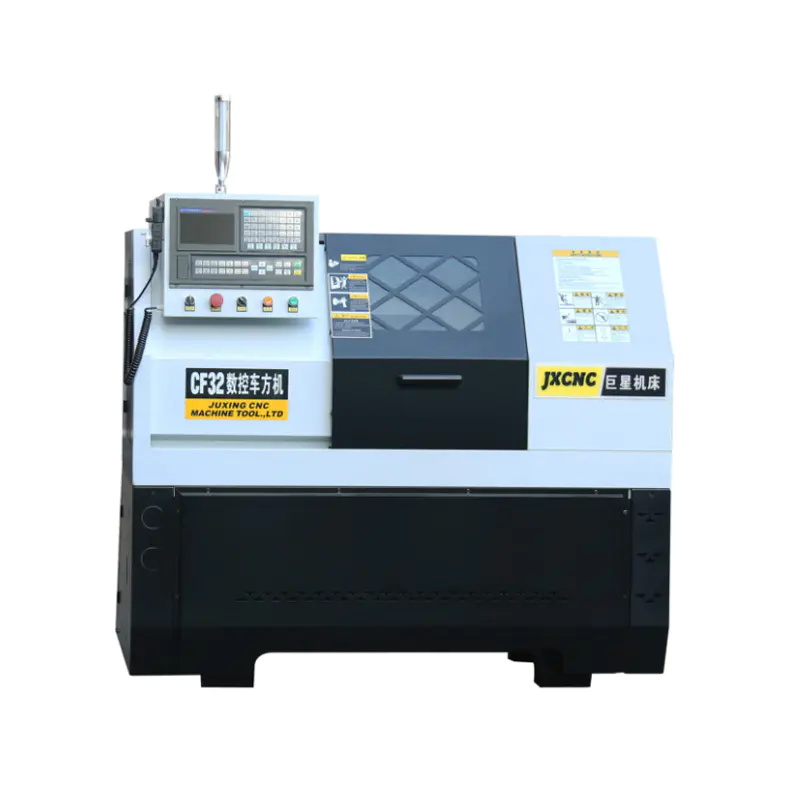
CF32 hydraulic clamping CNC polygon lathe is designed for milling small and medium-sized high-precision parts, which can mill square, octagonal, hexag...
See Details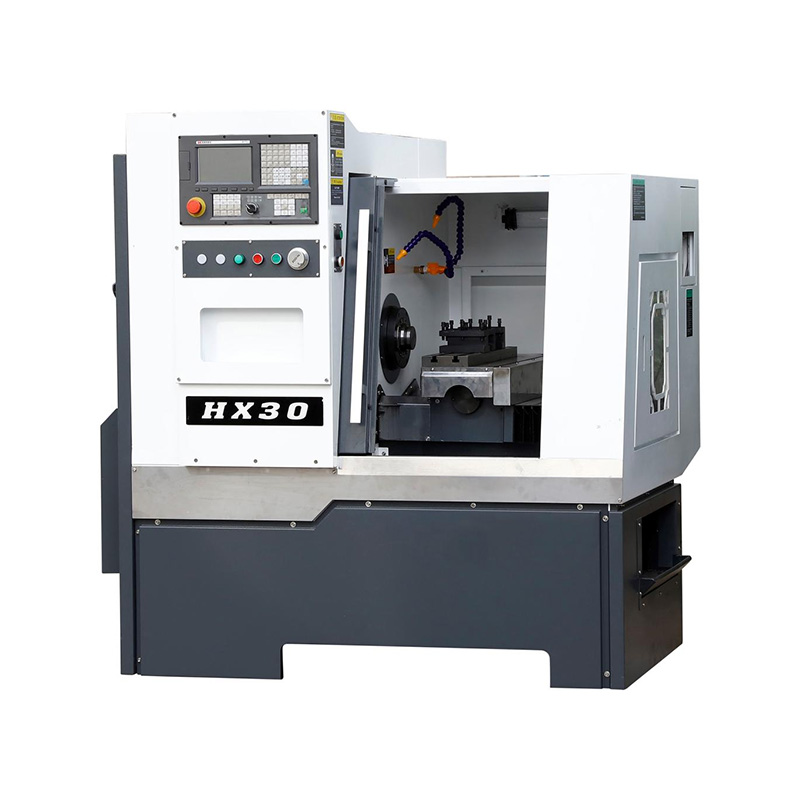
A notable feature of the HX30 Mandrel Bar Feeder Cheap CNC Lathe is its efficient and reliable mandrel bar feeder. The mandrel serves as a support for...
See Details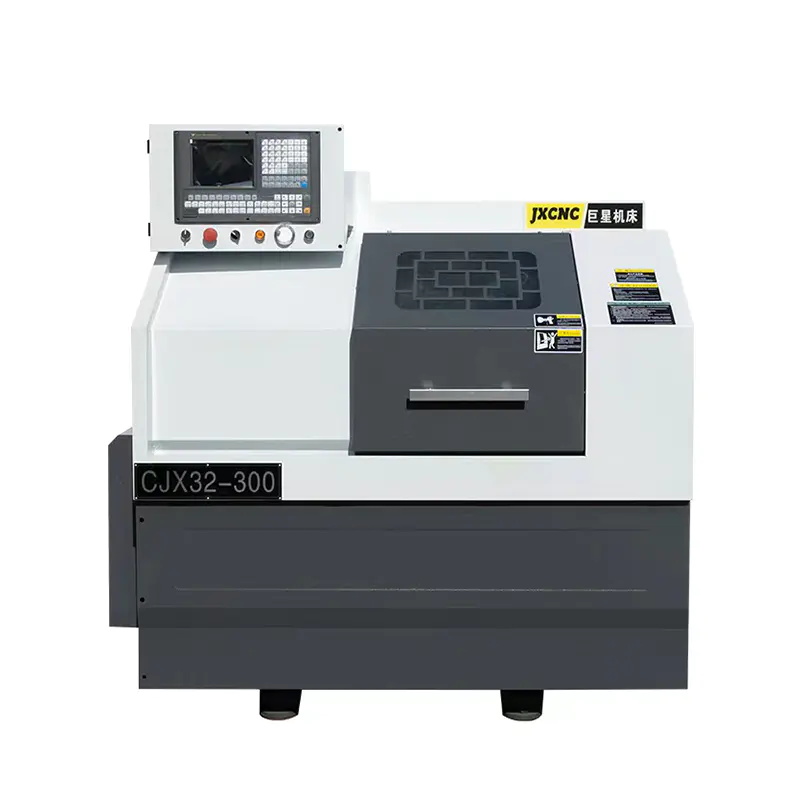
The JX32-300 Mini Economical CNC Lathe Machine is designed to provide high precision and efficient machining for a wide range of metal products. With ...
See Details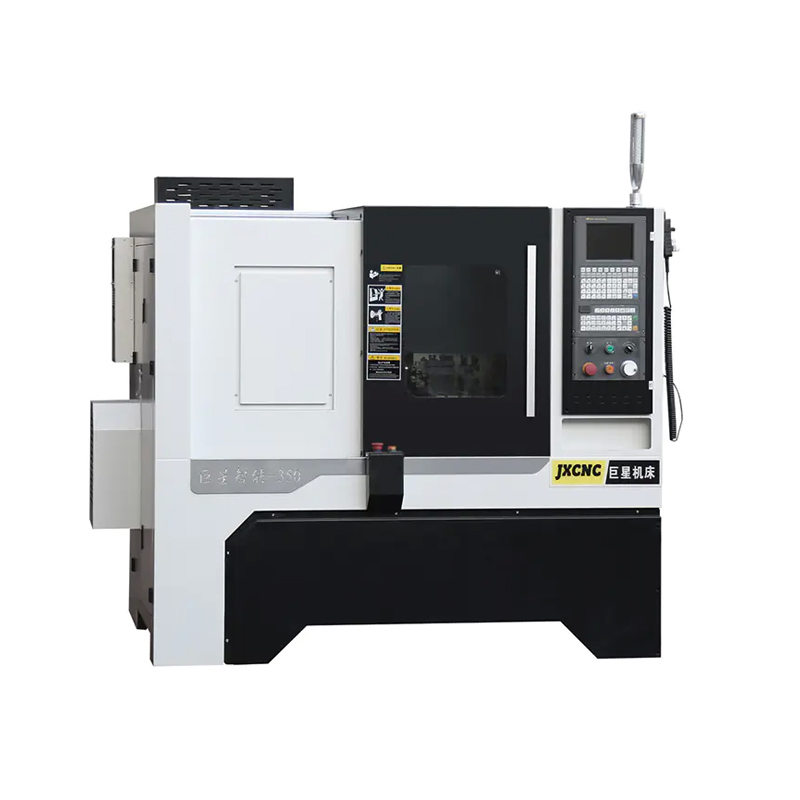
The JX350 Gang Type CNC Lathe for Cutting Tool with Rapid Tool Changing is designed to deliver high precision and efficiency in cutting tool operation...
See Details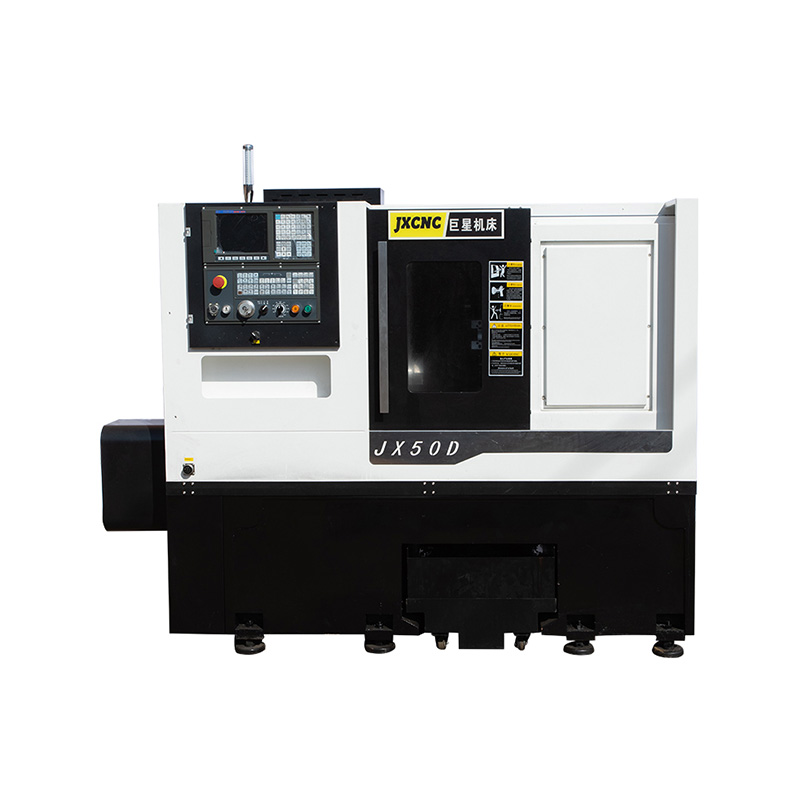
Introducing the JX50D CNC Machine Tools List from China's CNC machine tools manufacturer. Our machine tools are equipped with a servo hydraulic turret...
See Details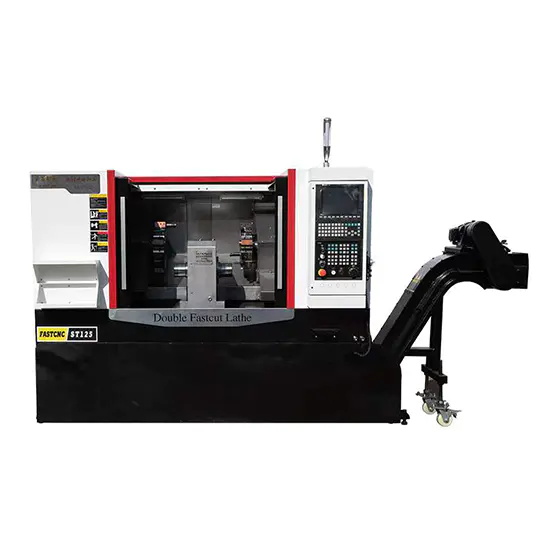
The JX125 Double Head CNC Machine is a cutting-edge machine tool that utilizes a central spindle, two Z-axes, two X-axes, and bidirectional drag plate...
See Details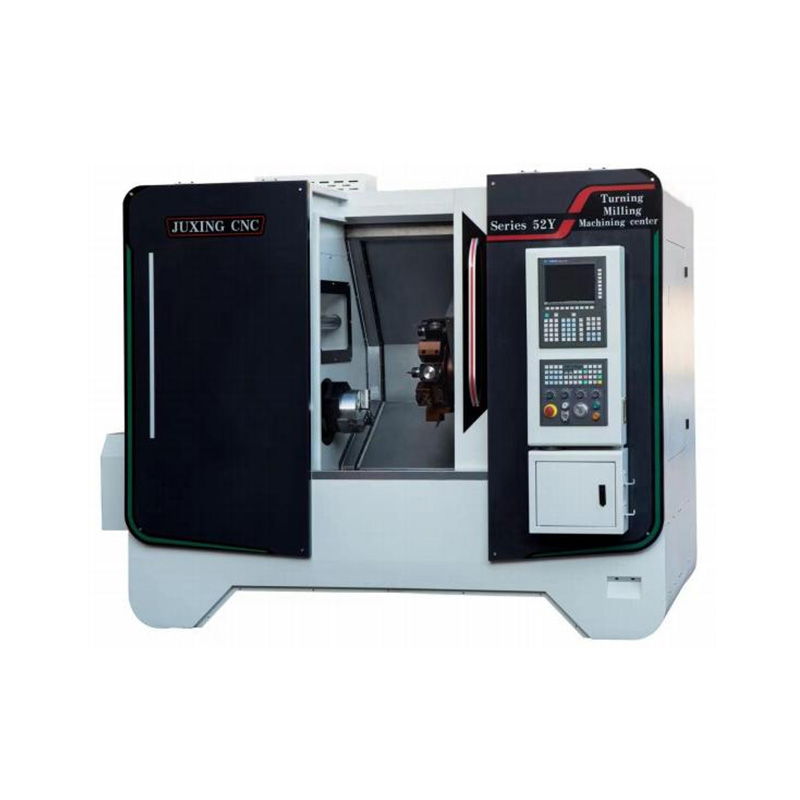
In conclusion, the JX52Y CNC Turning Lathes with Computer Control System is a highly advanced and efficient machine that combines the functionality of...
See DetailsTEL : +86-576-87491531
FAX : +86-576-87493038
E-MAIL : chinajuxing@aliyun.com
ADDRESS: Longxi Industrial Zone, Yuhuan City, Taizhou City, Zhejiang Province, China
CopyrightTaizhou Yestar Intelligent Equipment Co., Ltd. All Rights Reserved.