How Do CNC Machining Lathes Improve Precision and Consistency?
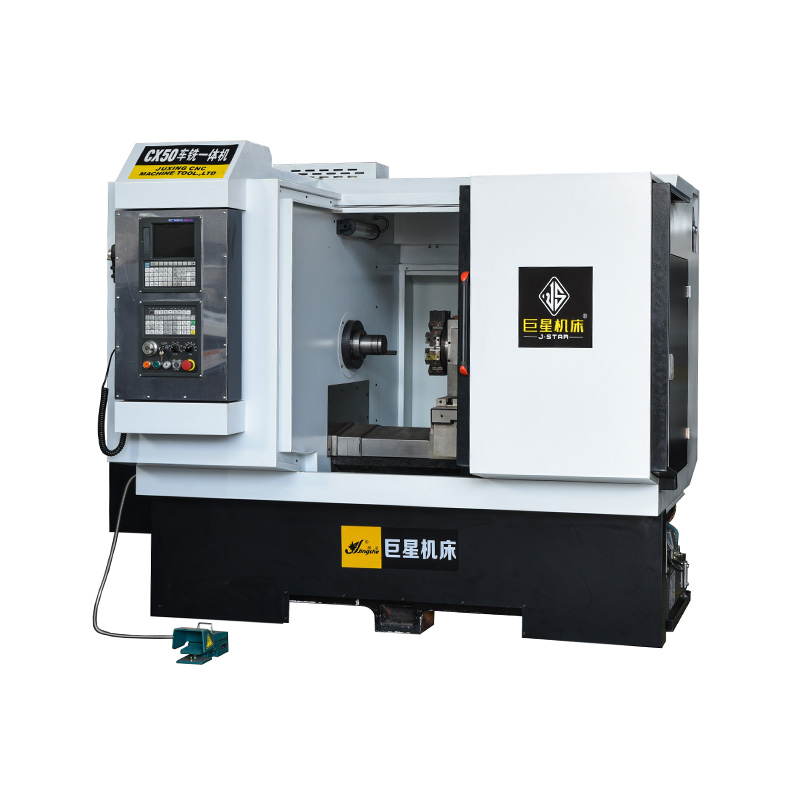
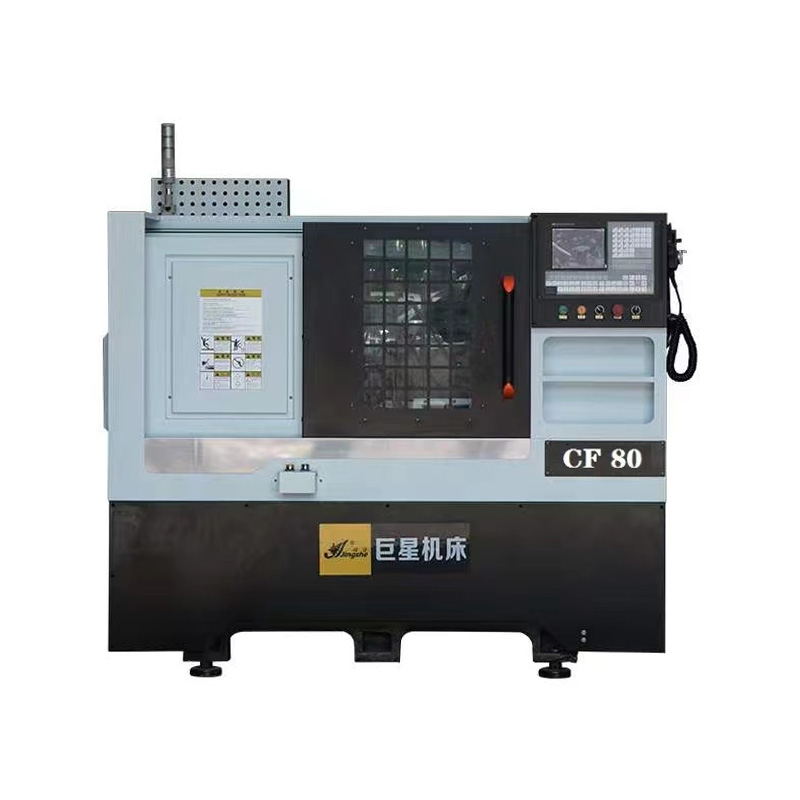
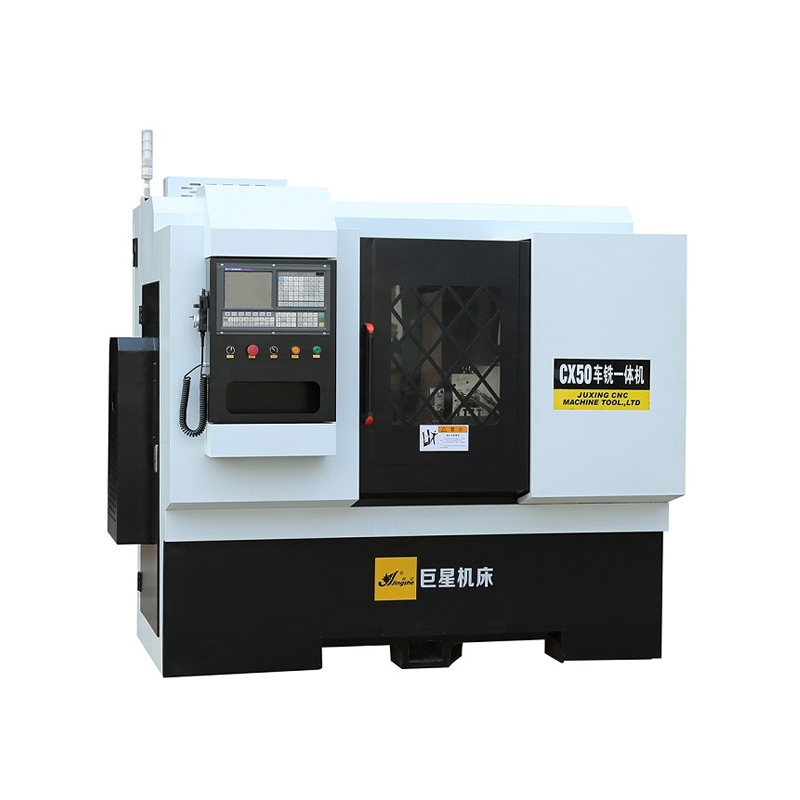
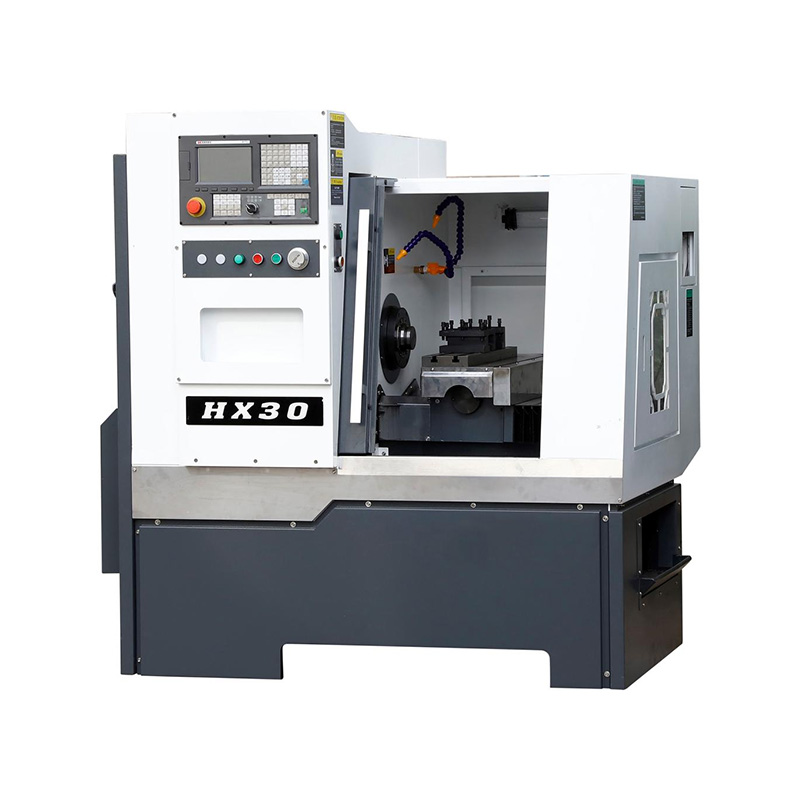
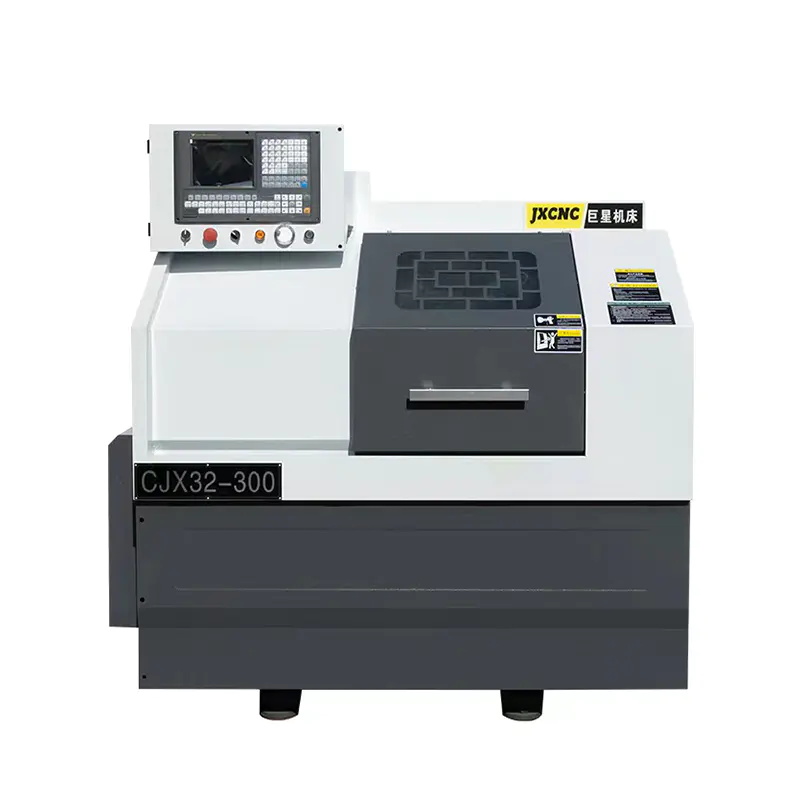
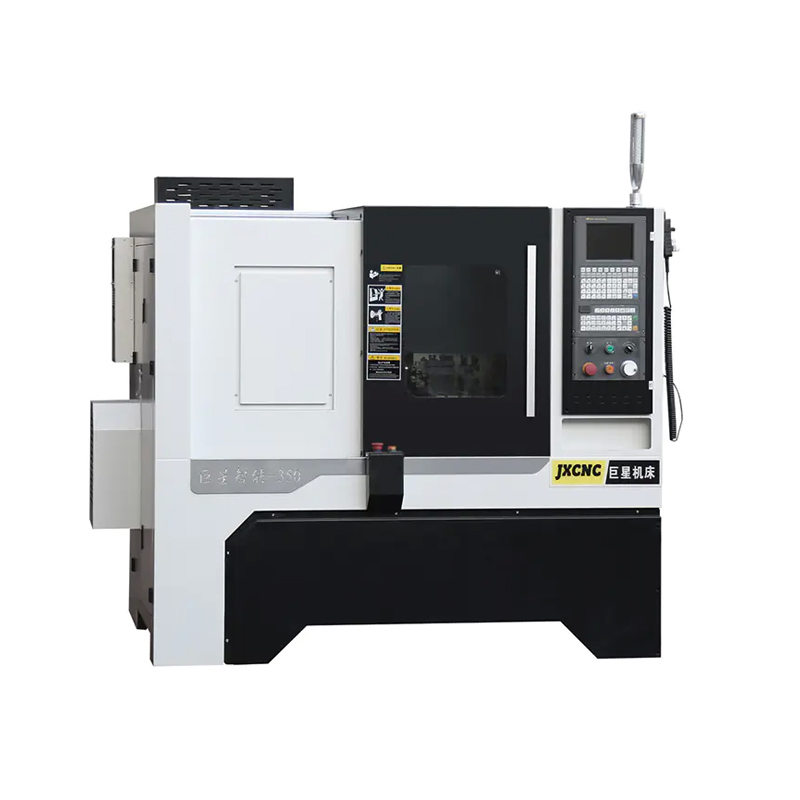
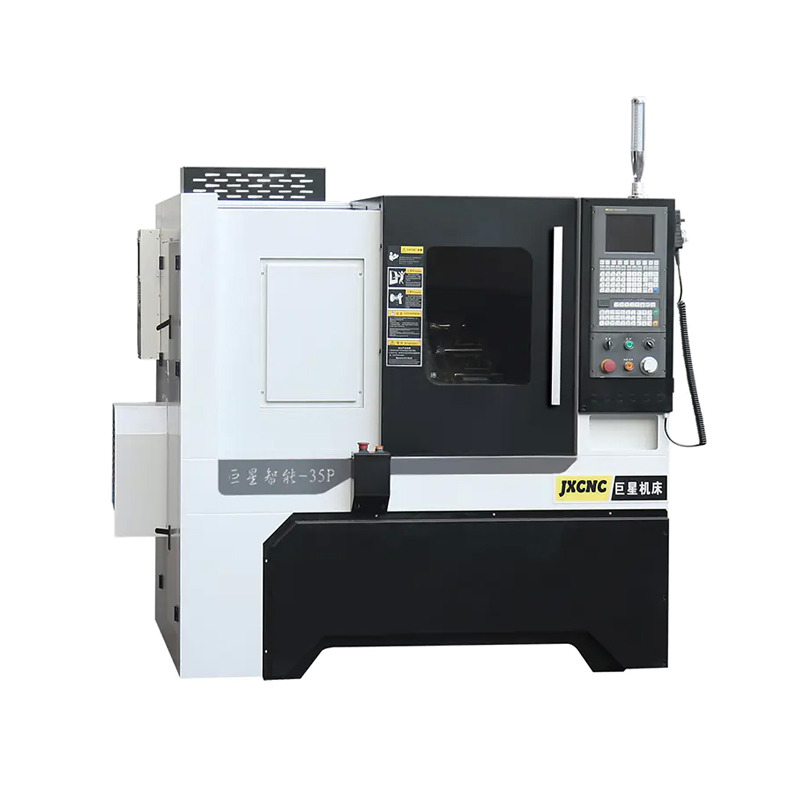
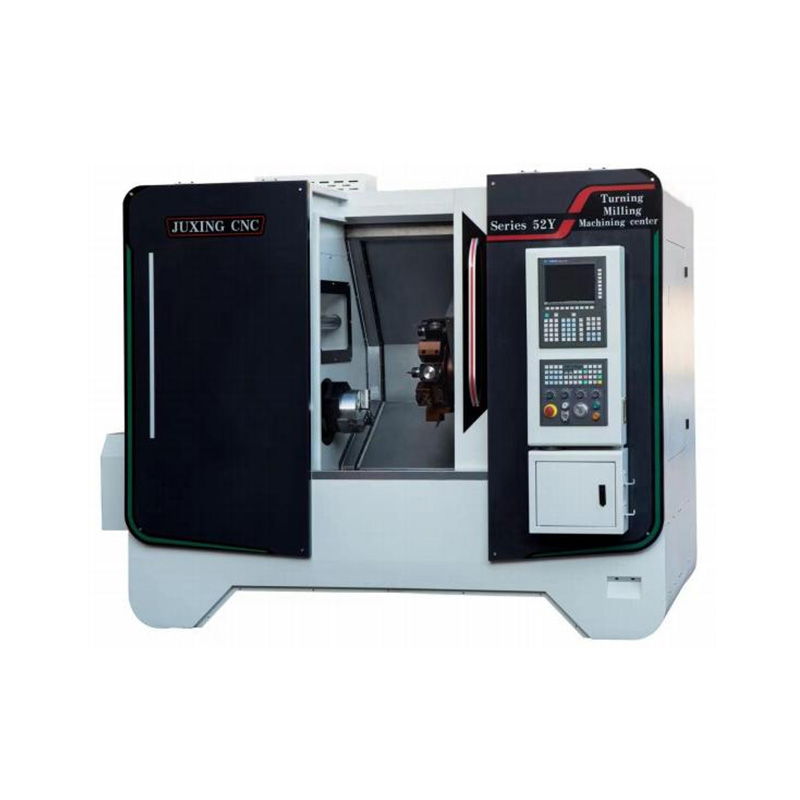
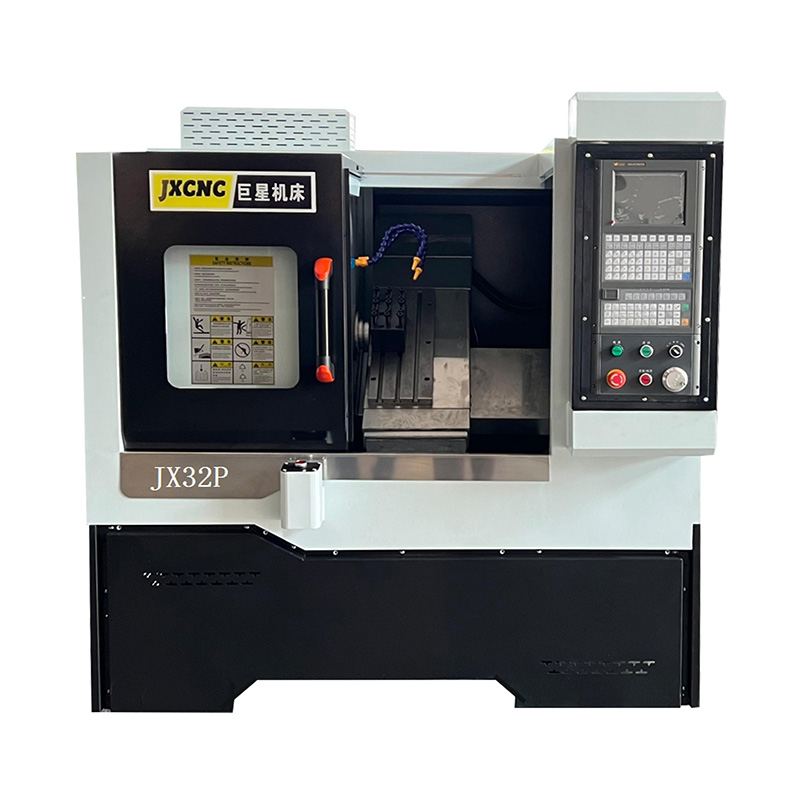
Precision remains one of the discussed topics regarding CNC machining lathe factory. Compared with manual lathes, CNC systems rely on programmed tool paths and digitally controlled movements, which significantly reduce human error. Modern CNC lathes use high-resolution encoders, rigid machine structures, and advanced servo motors to achieve consistent dimensional accuracy over long production runs.
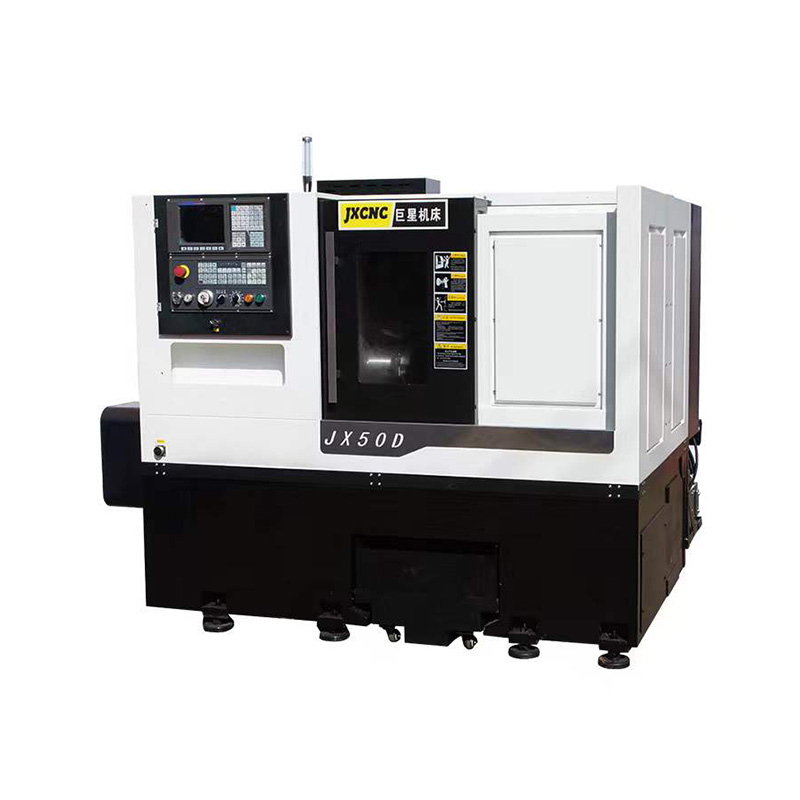
Thermal stability is also a key factor. Many machines incorporate temperature compensation systems and controlled spindle cooling to reduce dimensional drift during extended operation. Additionally, repeatability allows manufacturers to produce interchangeable parts that meet tight tolerances, which is particularly important in high-volume or safety-critical applications.
CNC machining lathes contribute to stable quality by combining mechanical rigidity with precise electronic control.
What Role Does Automation Play in Modern CNC Lathes?
Automation is a major focus area as manufacturers seek to improve productivity and reduce labor dependency.
Automatic Tool Changers:
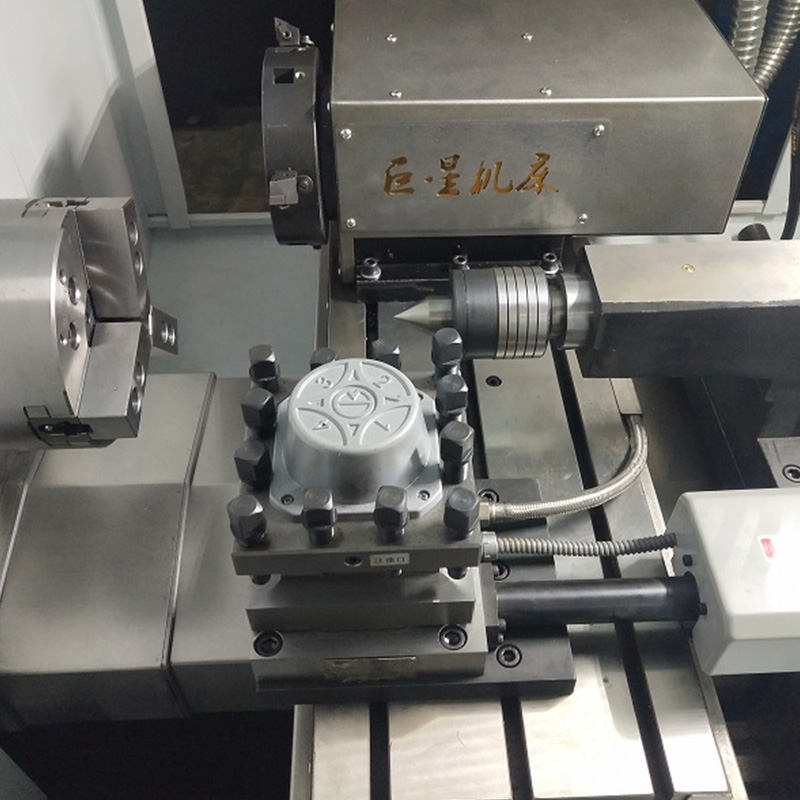
CNC lathes often include tool turrets that automatically switch cutting tools, reducing setup time and enabling complex multi-step machining within a single cycle.
Part Loading and Unloading Systems:
Bar feeders, robotic arms, and gantry loaders allow machines to operate continuously with minimal operator intervention.
In-Process Monitoring:
Sensors and software monitor tool wear, vibration, and cutting forces, helping prevent defects and unplanned downtime.
Automation enhances throughput and allows CNC machining lathes to run unattended for extended periods, especially in batch or mass production environments.
How Do Costs and Energy Efficiency Affect CNC Lathe Selection?
Cost considerations are a common concern, particularly for small and medium-sized manufacturers. CNC machining lathes require higher initial investment than manual machines due to their complex mechanical and electronic systems. However, long-term operating costs can be offset by higher productivity, reduced scrap rates, and lower labor requirements.
Energy efficiency has also become an important selection factor. Modern CNC lathes are designed with energy-saving features such as variable-speed drives, optimized spindle motors, and standby modes. Efficient cutting strategies and proper machine maintenance further reduce power consumption.
When evaluating cost, many users consider total cost of ownership rather than purchase price alone, factoring in productivity, maintenance, and machine lifespan.
What Skills Are Required to Operate CNC Machining Lathes?
Workforce capability is another topic of public and industry interest.
Programming Knowledge:
Operators need to understand G-code or conversational programming to set up and adjust machining operations.
Process Understanding:
Knowledge of cutting parameters, tooling selection, and material behavior is essential for achieving quality results.
Basic Maintenance Skills:
Routine inspection, lubrication, and troubleshooting help maintain machine accuracy and reliability.
While CNC lathes reduce manual operation, skilled personnel remain essential for programming, setup, and quality control. Training and continuous skill development are therefore important aspects of CNC machining operations.
CNC machining lathes continue to attract attention due to their role in precision manufacturing, automation, and efficient production. Current hot topics include accuracy and consistency, automation capabilities, cost and energy considerations, and workforce skills. Understanding these areas helps manufacturers make informed decisions and apply CNC machining lathes effectively in modern production environments.



 English
 中文简体
中文简体 русский