English
 中文简体
中文简体 русский
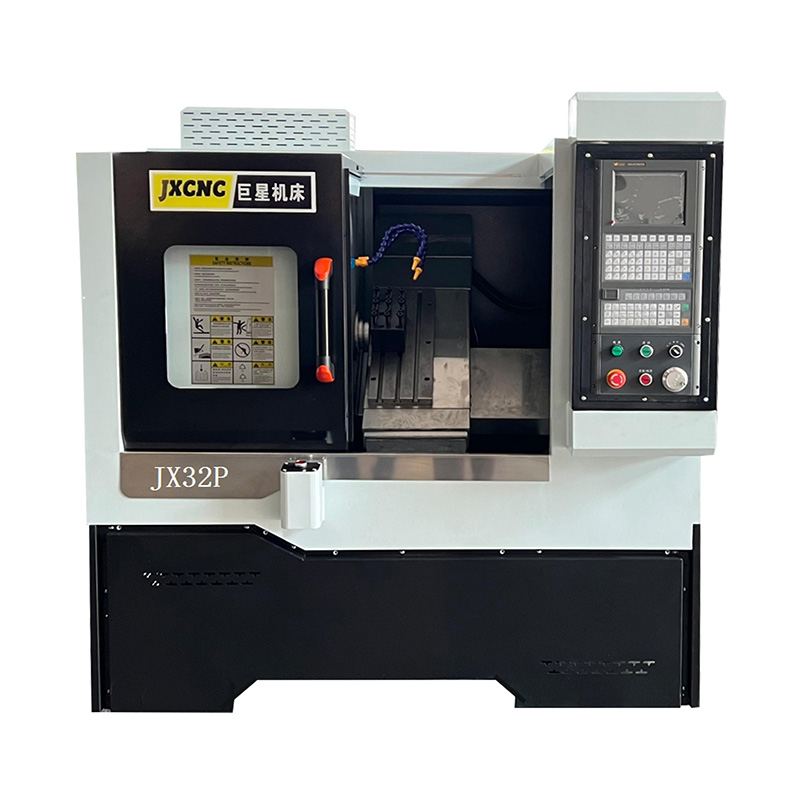
CF40 Automatic CNC Polygon Turning Machine Lathe
Cat:Small Polygon Lathe
The CF40 Automatic CNC Polygon Turning Machine Lathe is specifically designed for small to medium-sized, high-precision parts milling, enabling the ma...
See Details


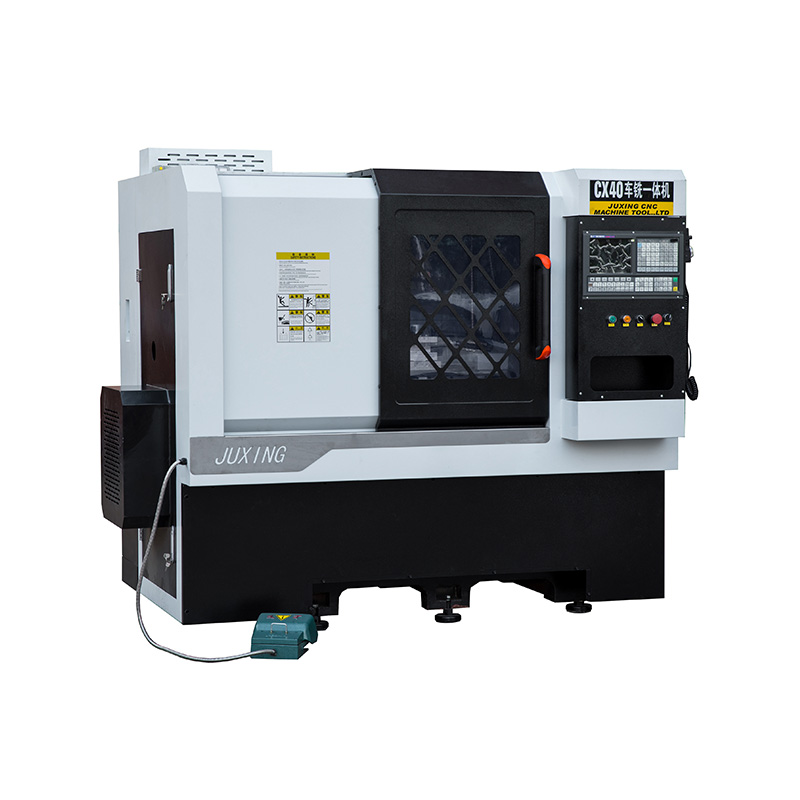
Materials Used in CNC Turning Lathes
Bed and Frame Materials
The machine base absorbs cutting forces and vibration. Most production lathes use cast iron grades such as FC300 (JIS) or EN-GJL-300 (ISO). Composition includes 3.2 to 3.5 percent carbon, 1.8 to 2.2 percent silicon, and 0.6 to 0.9 percent manganese. Tensile strength is 300 MPa minimum. Cast iron provides vibration damping capacity 5 to 8 times greater than steel. The weight of a cast iron bed for a 2-meter lathe ranges from 1,500 kg to 2,500 kg. High-end lathes use polymer concrete (epoxy granite) beds. Polymer concrete contains 90 to 94 percent mineral aggregates (granite, quartz, basalt) and 6 to 10 percent epoxy resin. Damping capacity is 8 to 10 times that of cast iron. However, polymer concrete costs 40 to 60 percent more than cast iron and requires precise curing at 40°C for 48 hours.
Spindle and Bearing Materials
The spindle is forged from 20CrMo or 40Cr alloy steel (similar to AISI 4130 or 5140). Forged spindles have tensile strength of 800 to 1,000 MPa. Spindle noses conform to A2-5, A2-6, or A2-8 standards. The taper section (typically Morse or HSK) is case-hardened to 58 to 62 HRC to a depth of 0.8 to 1.2 mm. Bearings are angular contact ball bearings or tapered roller bearings. Bearing material is 100Cr6 (AISI 52100) bearing steel with 58 to 62 HRC. For speeds above 6,000 rpm, ceramic hybrid bearings are used: silicon nitride (Si3N4) balls with steel races. Silicon nitride density is 3.2 g/cm³ compared to 7.8 g/cm³ for steel, reducing centrifugal force on the balls by 60 percent.
Turret and Tool Holding Materials
The turret body is cast from ductile iron FCD600 (JIS) or EN-GJS-600-3 (ISO). Ductile iron provides tensile strength of 600 MPa with elongation of 3 percent. Tool holders are made from 42CrMo4 (AISI 4140) hardened to 45 to 50 HRC. The VDI (Verein Deutscher Ingenieure) tool interface has hardness of 55 to 60 HRC at the clamping surfaces. Live tooling (driven tools) uses hardened gears of 20MnCr5 (similar to 5120) case-hardened to 58 to 62 HRC. Gear modules range from 1.0 to 2.5 mm, depending on torque requirements.
Guideways and Ballscrews
Linear guideways are made from 100Cr6 bearing steel with precision grades P5 or P4 (ISO). Rail hardness is 58 to 64 HRC. Recirculating balls are 440C stainless steel for corrosion resistance or ceramic (Si3N4) for high-speed applications (above 60 m/min). Ballscrews use the same steel, with lead accuracy of ±0.008 mm per 300 mm for C5 grade or ±0.003 mm for C3 grade. Ball nuts are made from bronze (CuSn8) or steel with PTFE-lined returns to reduce friction. The travel speed of ballscrews on CNC lathes ranges from 10 m/min (heavy cutting) to 40 m/min (finishing operations).
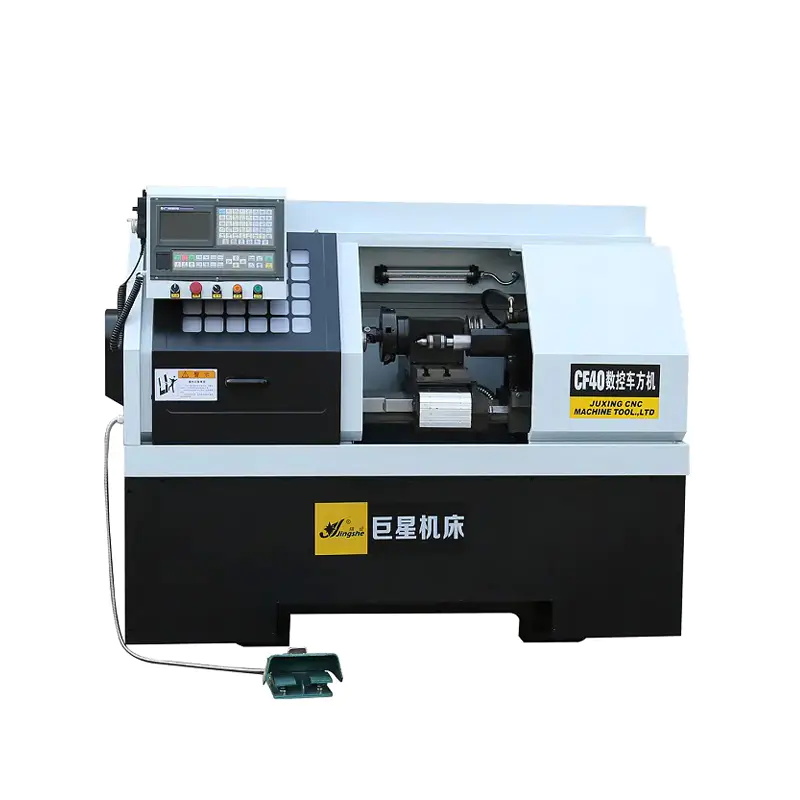
The CF40 Automatic CNC Polygon Turning Machine Lathe is specifically designed for small to medium-sized, high-precision parts milling, enabling the ma...
See Details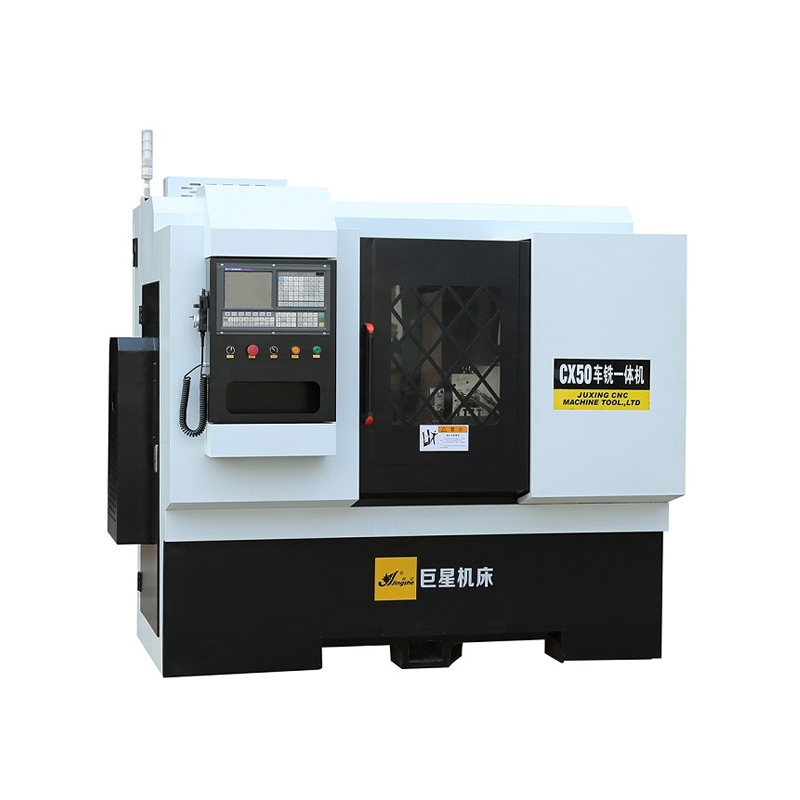
Are you looking for a machine that combines the capabilities of a CNC lathe and a square lathe? Look no further! Introducing the CX50 New CNC Turning ...
See Details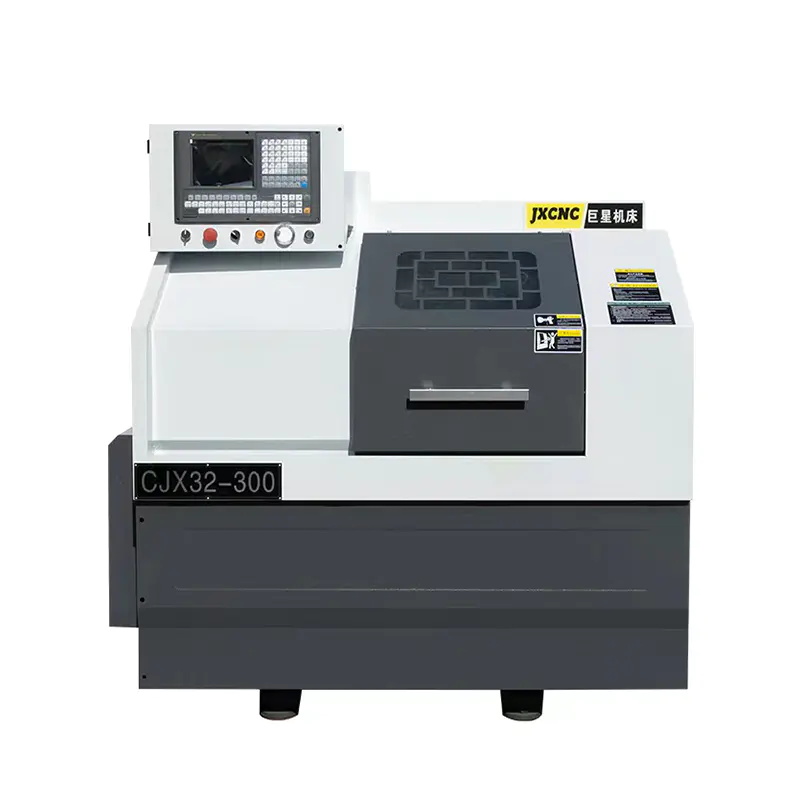
The JX32-300 Mini Economical CNC Lathe Machine is designed to provide high precision and efficient machining for a wide range of metal products. With ...
See Details
Introducing the JX36P China Good Supplier CNC Lathe Machine, a high-quality and efficient tool designed for precision machining. With its horizontal i...
See Details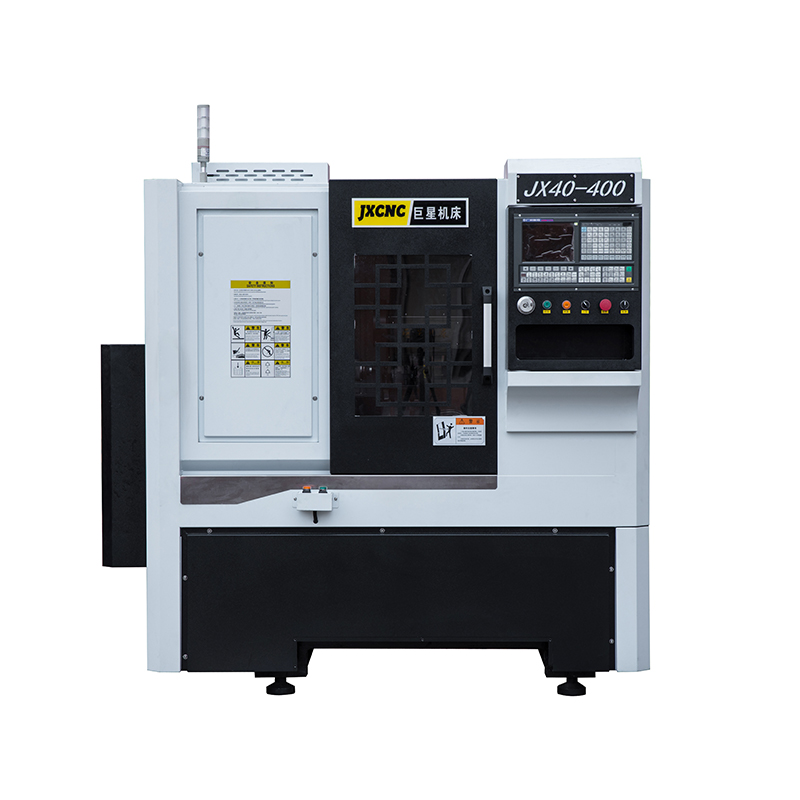
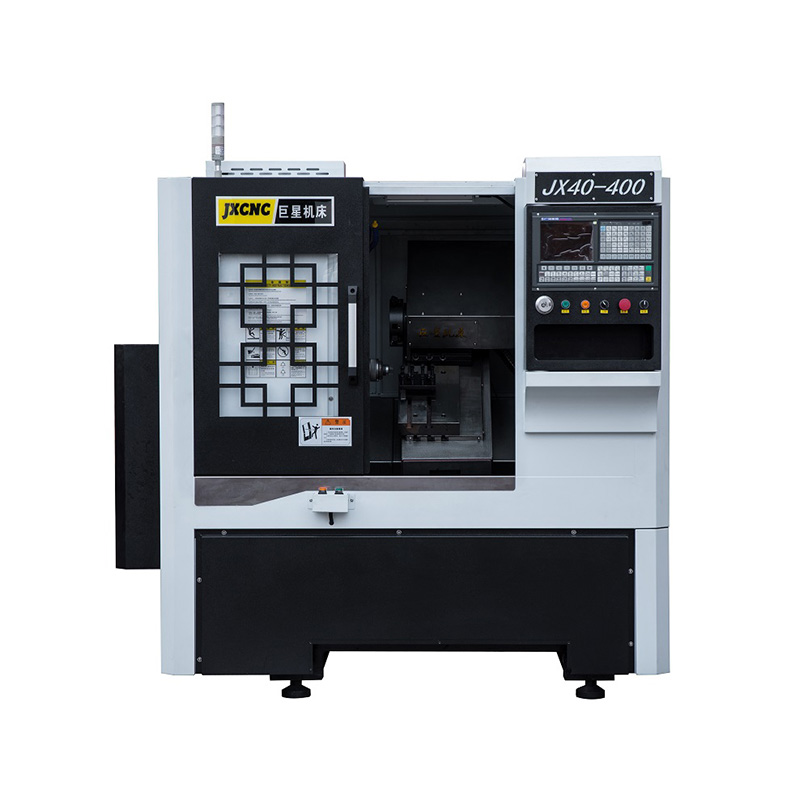
The JX40-400 Factory High Speed Precision CNC Lathes are designed to provide exceptional efficiency and accuracy in machining processes. With the abil...
See Details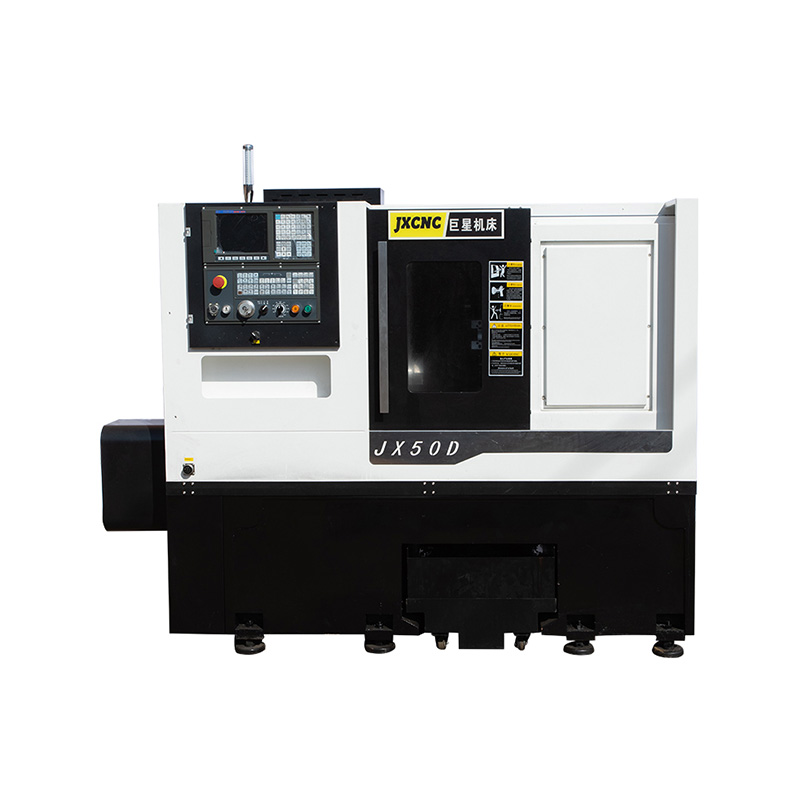
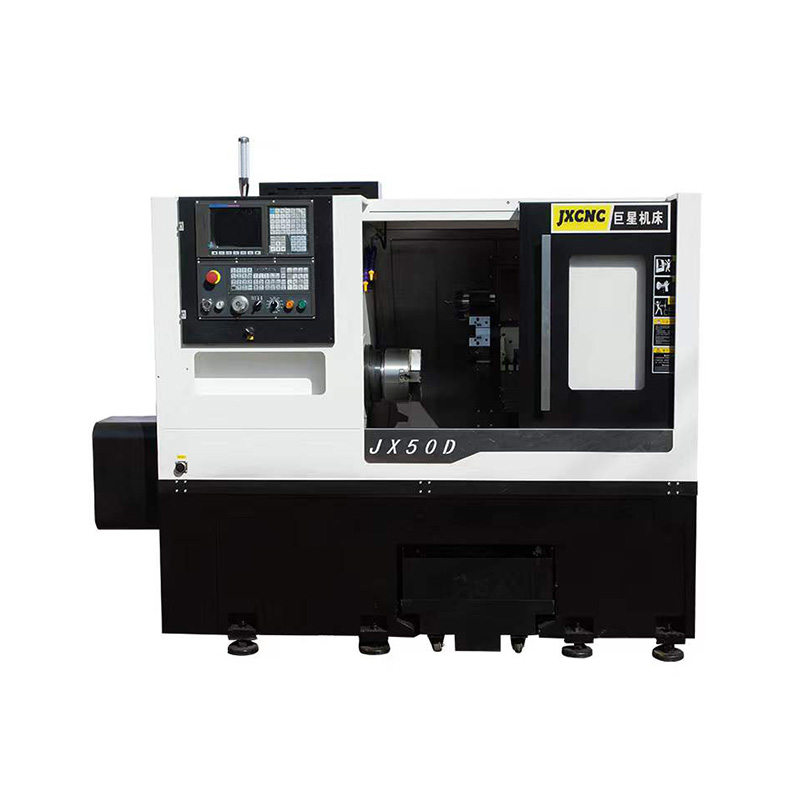
Introducing the JX50D CNC Machine Tools List from China's CNC machine tools manufacturer. Our machine tools are equipped with a servo hydraulic turret...
See Details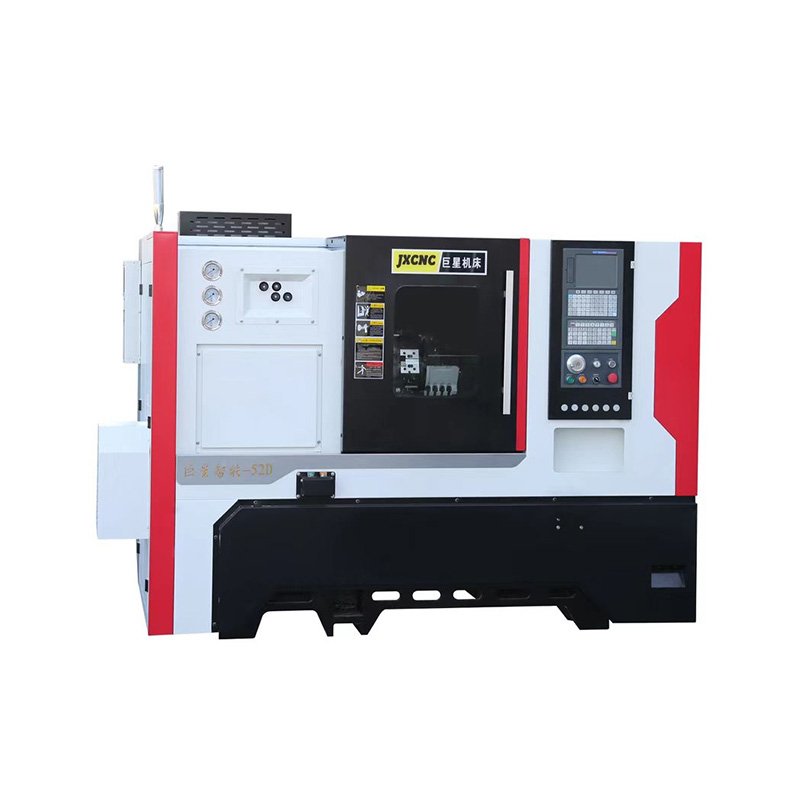
As a trusted machine tool equipment supplier in China, we prioritize customer satisfaction and strive to provide the solutions and support. Our JX52D ...
See DetailsTEL : +86-576-87491531
FAX : +86-576-87493038
E-MAIL : chinajuxing@aliyun.com
ADDRESS: Longxi Industrial Zone, Yuhuan City, Taizhou City, Zhejiang Province, China
CopyrightTaizhou Yestar Intelligent Equipment Co., Ltd. All Rights Reserved.