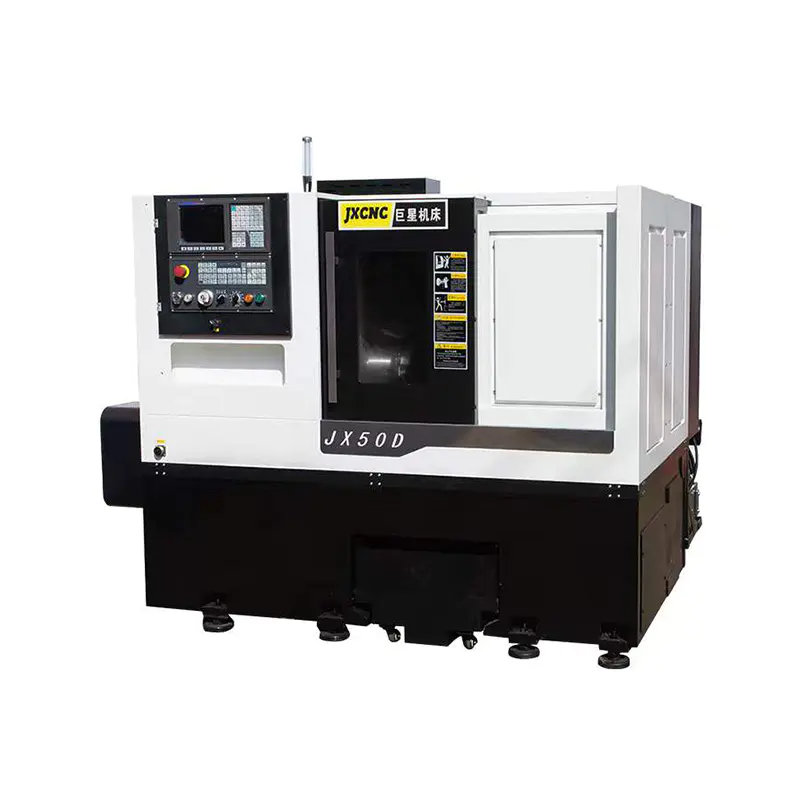
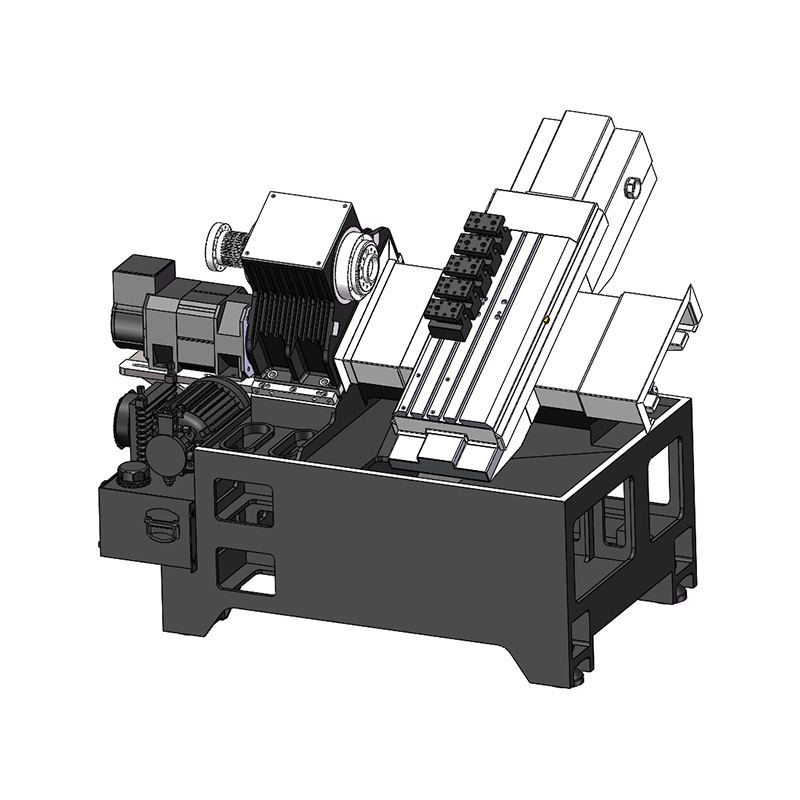
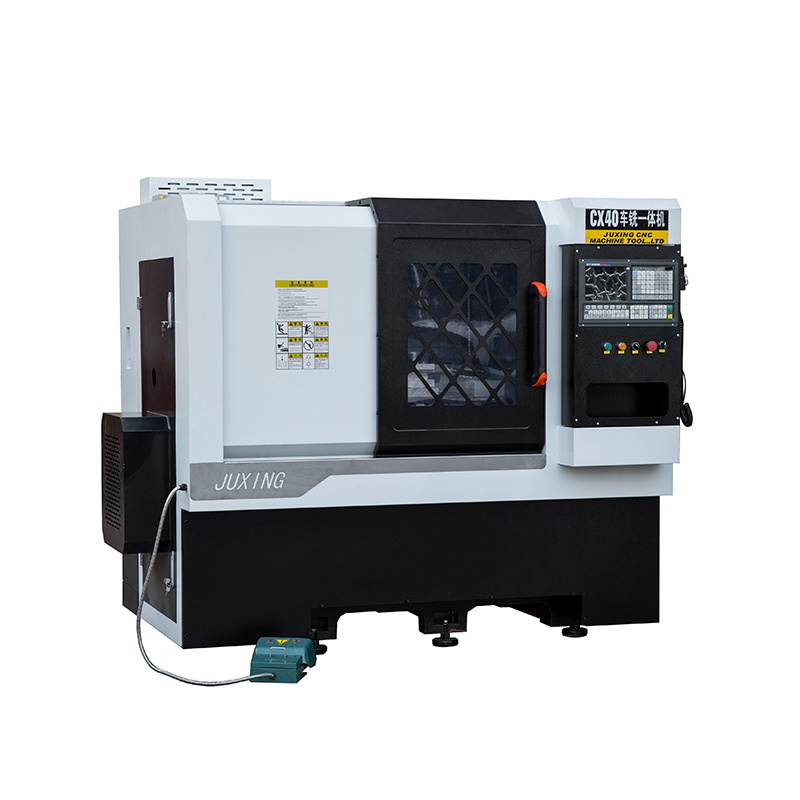
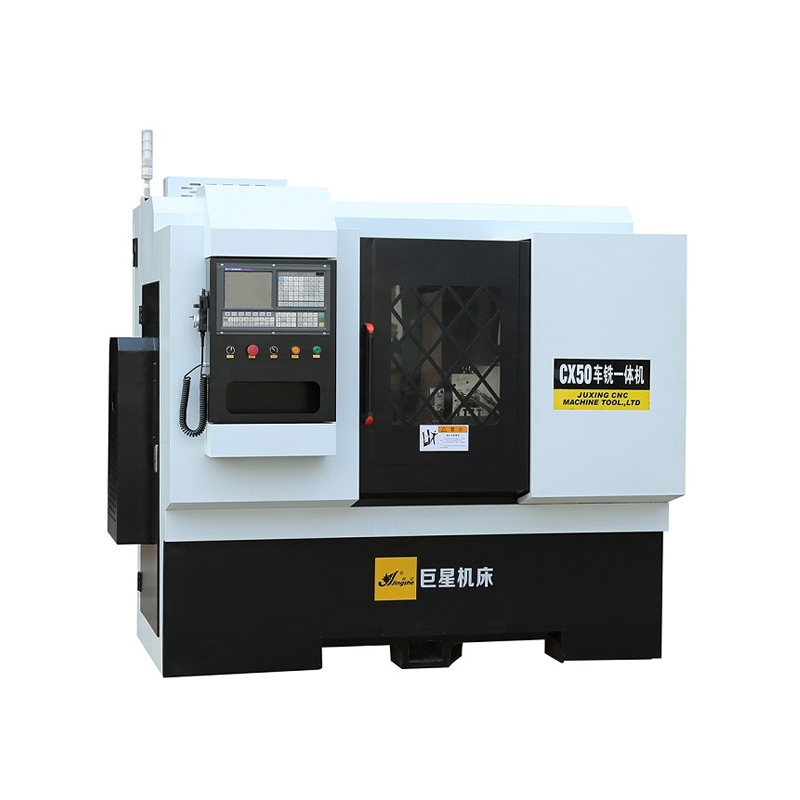
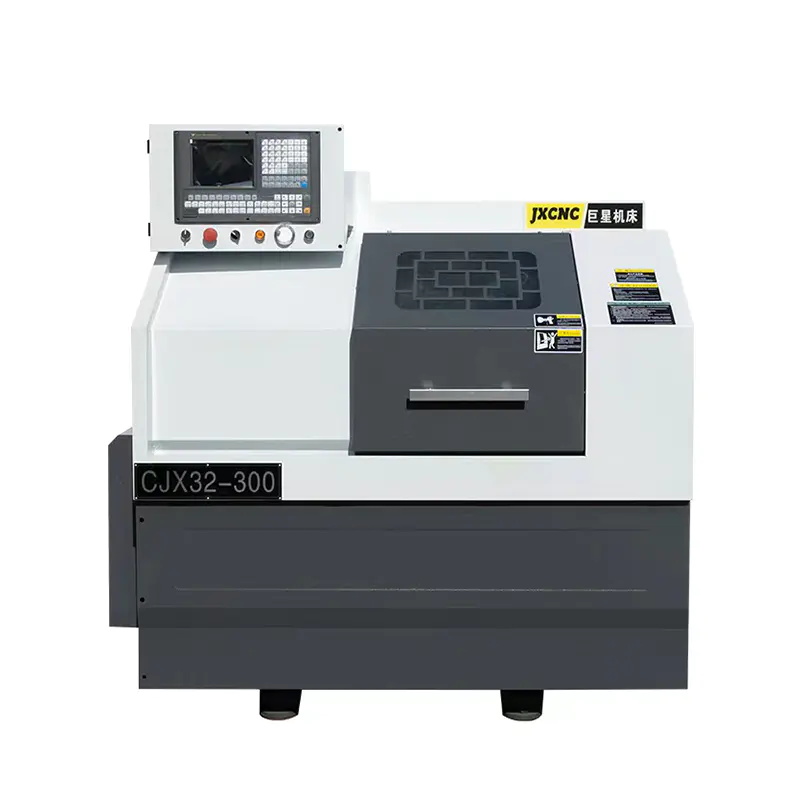
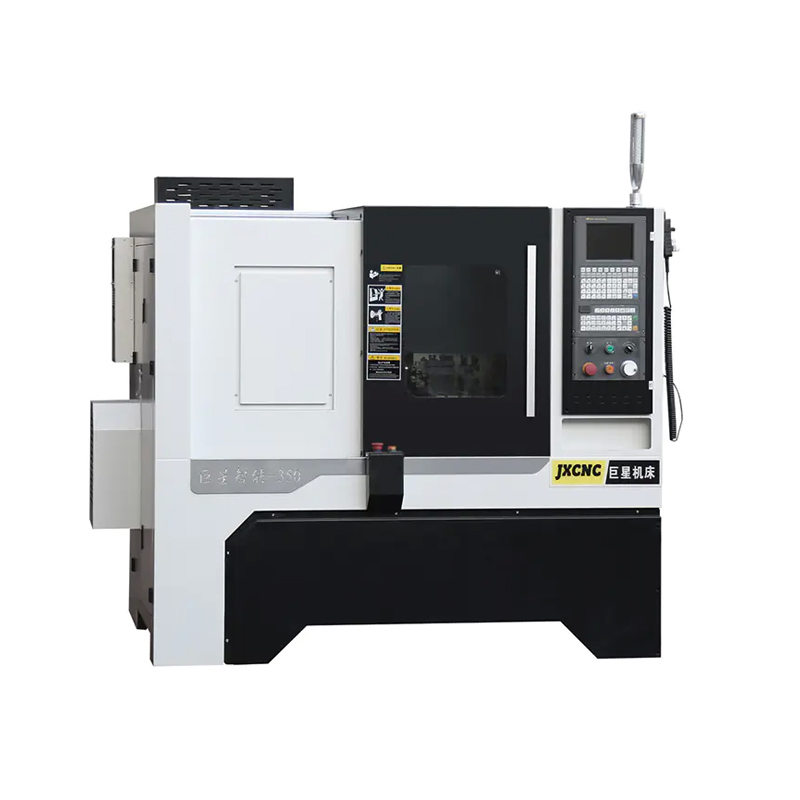
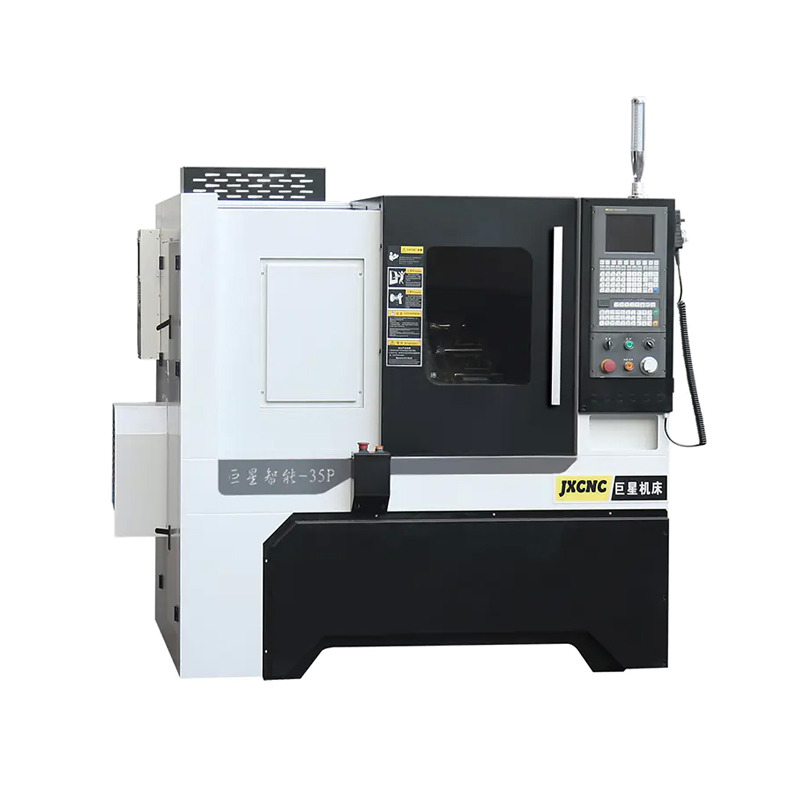
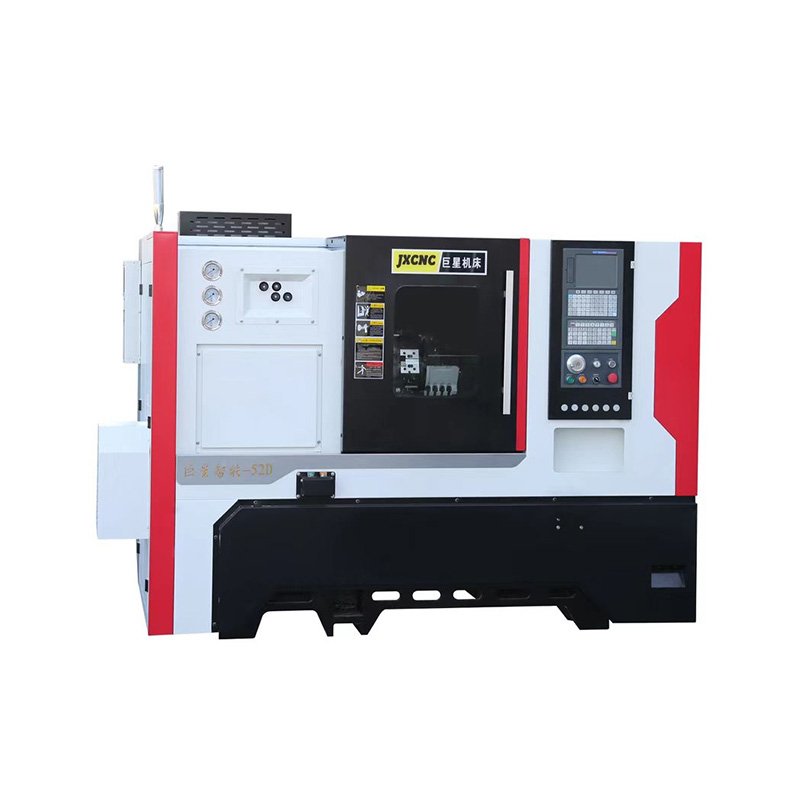
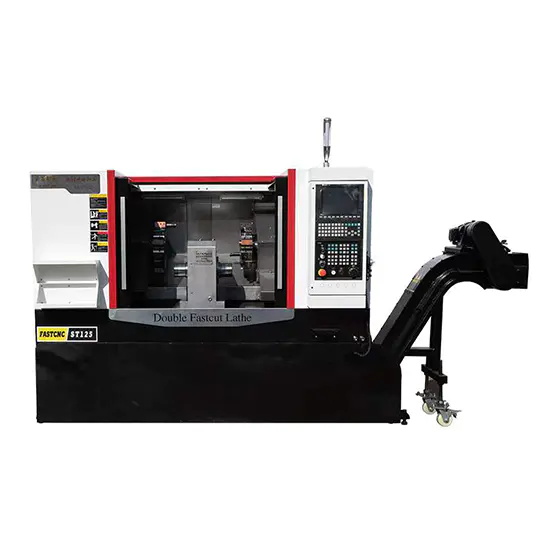
CNC machine tools factory are widely used in modern manufacturing for precise and automated machining of metal, plastic, and composite materials. These machines integrate computer programming with mechanical motion to perform complex tasks such as turning, milling, drilling, and cutting with high accuracy. While CNC machines provide considerable efficiency, understanding their proper use and performance characteristics is essential for safe operation and productivity.
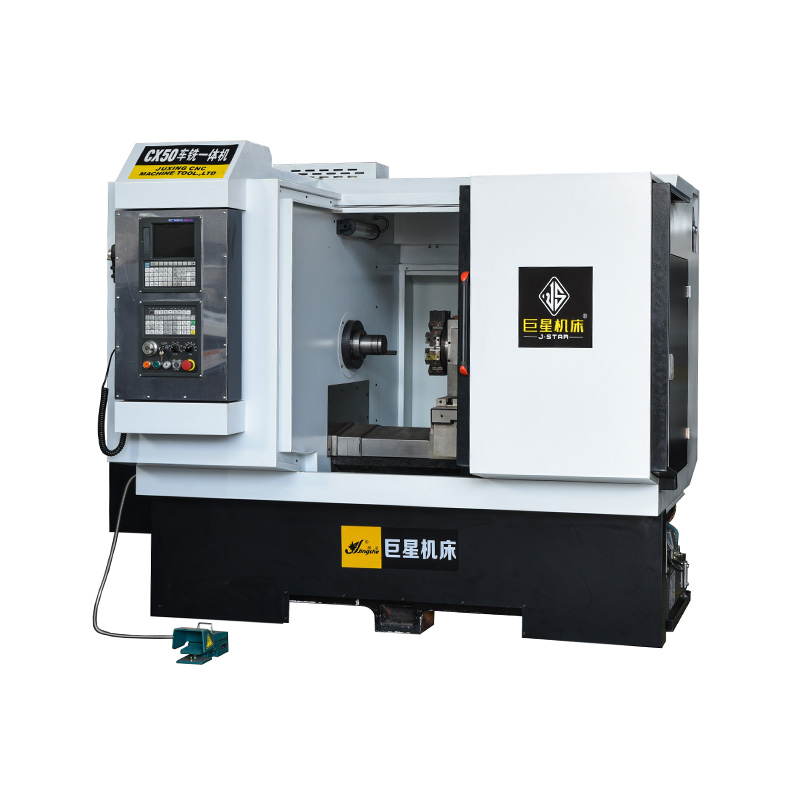
Important Notes for Using a CNC Machine Tool
Proper use of CNC machine tools is critical to ensure accuracy, safety, and longevity of both the machine and the workpiece. Key considerations include:
Pre-Operation Inspection
Before starting, check that all components, including the spindle, work table, and tool holders, are secure and clean. Inspect cables and fluid lines to prevent operational interruptions. Ensure that coolant levels are sufficient and lubrication systems are functioning properly.
Programming and Setup
Verify the CNC program for correct coordinates, speeds, and tool paths before execution. Confirm that the selected cutting tools match the material and machining requirements. Test new programs using simulation software to reduce errors.
Workpiece and Tool Securing
Ensure the workpiece is properly clamped or mounted to avoid movement during machining. Verify that cutting tools are correctly installed and tightened to prevent slippage or damage.
Operational Safety
Operators should always wear protective equipment, including safety glasses and gloves. Avoid loose clothing or accessories that could become entangled in moving parts. Maintain a safe distance during machine operation and never leave the machine unattended while running.
Post-Operation Maintenance
Clean the machine and remove metal chips or debris after each operation. Inspect tools and machine components for wear, and perform routine lubrication and adjustment to maintain consistent performance.
By following these guidelines, users can reduce operational errors, improve workpiece quality, and extend the life of the CNC machine tool.
Performance Advantages of CNC Machine Tools
CNC machine tools offer several advantages that make them essential in modern manufacturing environments:
High Precision and Accuracy
CNC machines can produce complex shapes and detailed features with minimal deviation, improving product quality.
Consistent Repetition
Once programmed, CNC machines can repeatedly produce identical parts with consistent tolerances, reducing human error.
Operational Efficiency
Automated operations reduce the need for manual labor, allowing multiple tasks to be completed in shorter timeframes.
Flexibility
CNC machines can be reprogrammed to produce different parts without changing the hardware, enabling quick adaptation to new products or designs.
These advantages make CNC machines suitable for high-volume production, intricate machining tasks, and applications requiring precise tolerances.
Performance Deficiencies of CNC Machine Tools
Despite their advantages, CNC machines have limitations that operators must consider:
High Initial Cost
CNC machines require significant investment for purchase, programming, and setup compared to manual tools.
Complex Programming Requirements
Operators must have training in programming and software to fully utilize CNC capabilities, which can increase labor costs and learning time.
Maintenance Sensitivity
CNC machines require regular calibration, lubrication, and cleaning to maintain precision. Neglecting maintenance can lead to operational errors or equipment damage.
Limited Adaptability to Certain Materials
Some materials, such as very soft plastics or highly irregular objects, may require manual adjustment or specialized tooling that CNC machines cannot easily accommodate.
Understanding these limitations allows operators to implement appropriate measures, such as regular maintenance schedules and operator training, to reduce the impact of these deficiencies.



 English
 中文简体
中文简体 русский