English
 中文简体
 русский
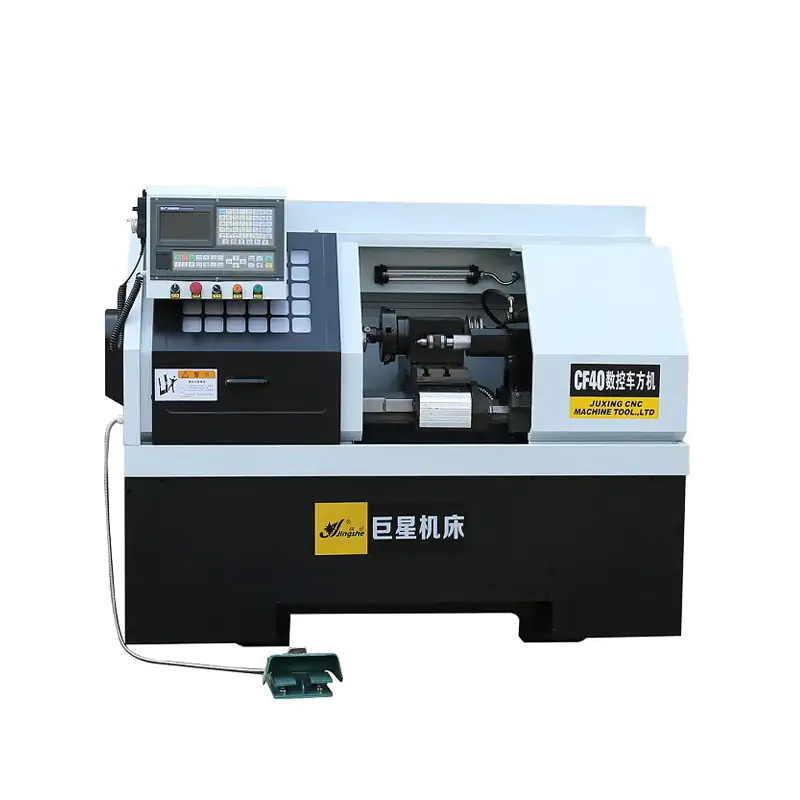
CF40 Automatic CNC Polygon Turning Machine Lathe
Cat:Small Polygon Lathe
The CF40 Automatic CNC Polygon Turning Machine Lathe is specifically designed for small to medium-sized, high-precision parts milling, enabling the ma...
See Details


Producing a few precision components is different from manufacturing thousands of identical parts. During extended production runs, small changes in tool condition, machine temperature, material properties, or workpiece positioning can gradually affect dimensional accuracy. Such variations may create assembly difficulties, additional inspection costs, and rejected batches.
At Juxing, we understand that industrial buyers need more than machining capacity. They also need a manufacturing process that supports repeatable output across different production runs. An automatic turning machine can support continuous machining operations, but stable production also depends on process planning, tooling management, inspection procedures, and production records.
Consistent production starts with a clearly defined machining process. Changes in cutting speed, feed rate, cutting depth, and workpiece positioning may affect surface quality and dimensional results.
Before starting a large order, suppliers should establish documented machining parameters based on the material, component geometry, and drawing requirements.
At Juxing, we consider process documentation an important part of manufacturing coordination. A controlled machining plan also helps maintain consistent production conditions across different shifts and repeat orders.
Cutting tools gradually wear during continuous machining. Changes in cutting edges can affect external diameters, internal holes, thread quality, burr formation, and surface roughness.
Suppliers should establish a practical tool management procedure rather than waiting until visible machining defects appear.
For example, a turning operation involving a steel shaft with a specified external diameter requires regular dimensional checks. Gradual tool wear may change the measured diameter, so timely inspection and verified compensation are important for maintaining conformity.
Material differences can influence cutting resistance, chip formation, surface finish, and final dimensions. Even components manufactured using identical machining programs may show variations when raw material properties change between batches.
Our approach to project evaluation emphasizes confirming material specifications before production arrangements are finalized.
Buyers and suppliers should pay attention to:
These checks provide a clearer basis for controlling machining conditions and investigating unexpected variations.
Final inspection alone cannot prevent defects from accumulating during a large production run. Suppliers need inspection checkpoints throughout machining to identify changes before they affect an entire batch.
A practical inspection arrangement may include:
For precision components, measurement tools such as micrometers, digital calipers, bore gauges, and coordinate measuring machines can support different inspection requirements.
Statistical Process Control (SPC) can provide additional information by tracking measurement trends. Suppliers can use these records to identify unusual process changes and investigate potential causes before releasing affected products.
Workpiece positioning has a direct influence on machining repeatability. Loose clamping, contaminated locating surfaces, fixture wear, and inconsistent setup procedures can introduce dimensional differences between components.
Suppliers should establish standardized setup instructions covering fixture positioning, clamping sequence, workpiece alignment, and routine equipment checks.
Machine maintenance also deserves attention during long production cycles. Spindle condition, lubrication, coolant circulation, and machine temperature can influence machining stability. Preventive maintenance schedules help identify equipment issues before they interrupt production.
Large industrial orders often involve repeat purchases over several months. Buyers may expect replacement components to match previously approved samples in dimensions, material, and surface condition.
Maintaining production records helps suppliers review previous manufacturing arrangements and identify differences between batches.
Useful records include:
At Juxing, we recognize that clear technical records and communication are valuable for managing ongoing manufacturing projects. They also provide useful references during repeat-order discussions and engineering reviews.
Maintaining quality across large automatic turning orders requires coordinated control of machining parameters, cutting tools, raw materials, fixtures, inspection procedures, and production records. Automated equipment provides the foundation for repeatable operations, while systematic process management helps control variation throughout extended production runs.
At Juxing, we focus on understanding customer drawings, material requirements, machining details, and quality expectations before discussing manufacturing arrangements. Whether your project involves precision shafts, threaded components, metal fittings, or customized turned parts, clear technical communication helps establish a suitable production plan.
Contact Juxing to discuss your automatic machining requirements and learn more about our manufacturing equipment and related services.
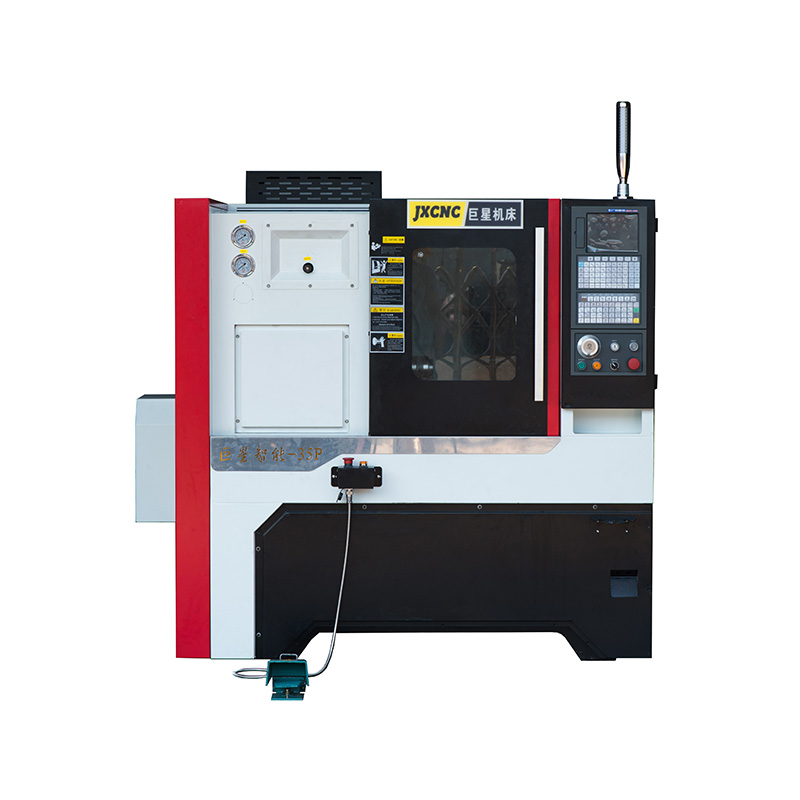
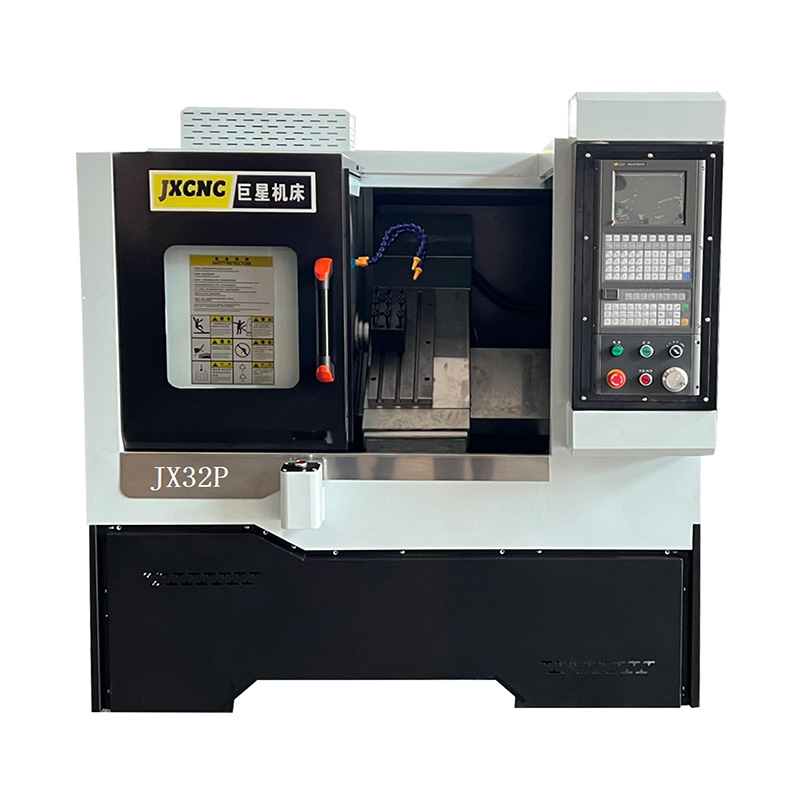
The CF40 Automatic CNC Polygon Turning Machine Lathe is specifically designed for small to medium-sized, high-precision parts milling, enabling the ma...
See Details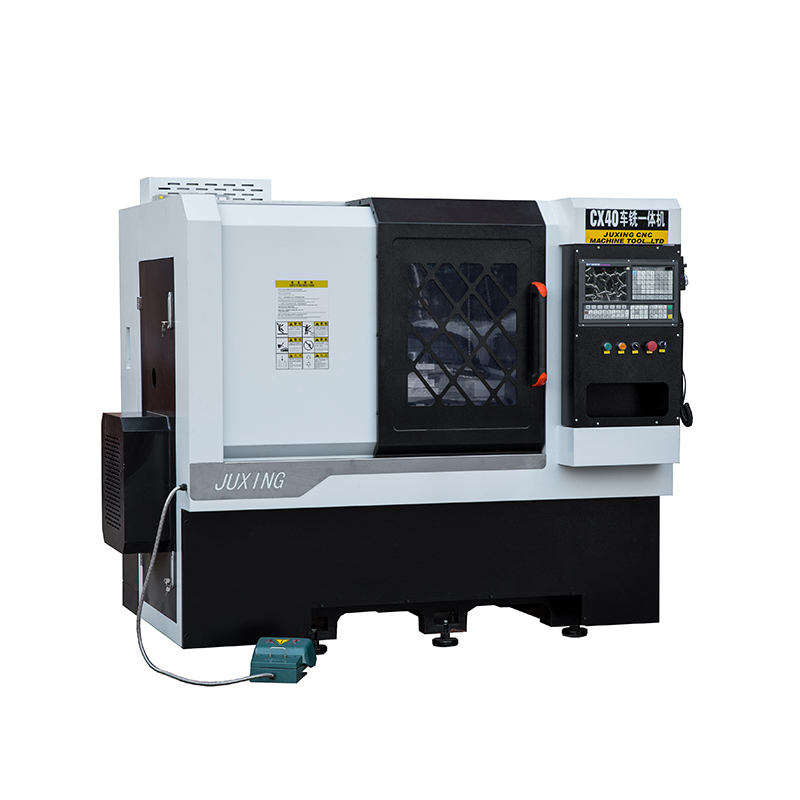
The CX40 High Precision Linear Track Horizontal CNC Lathe Machine is designed to provide exceptional performance and versatility for precision machini...
See Details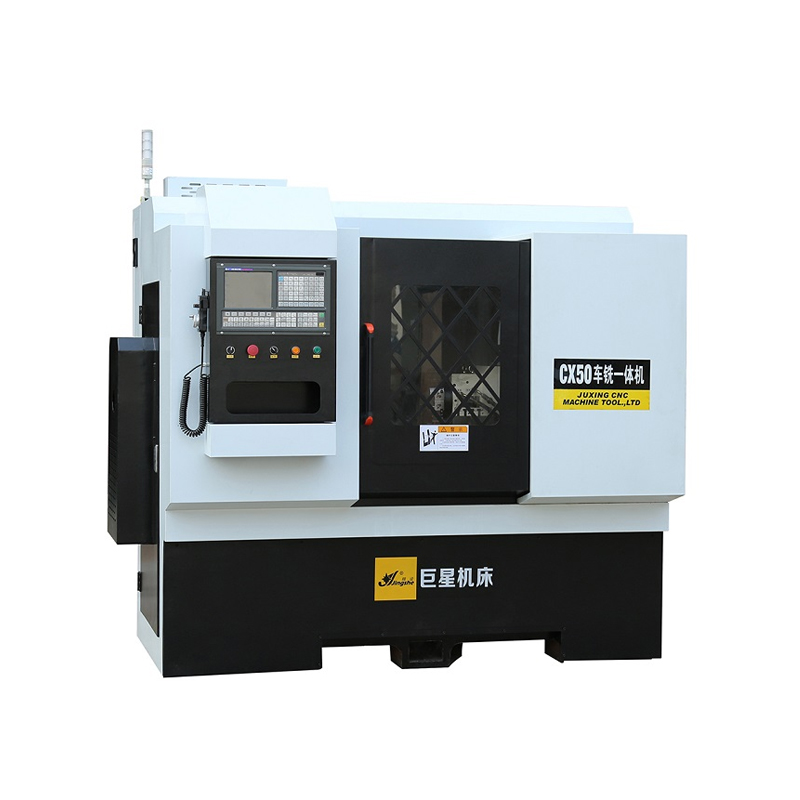
Are you looking for a machine that combines the capabilities of a CNC lathe and a square lathe? Look no further! Introducing the CX50 New CNC Turning ...
See Details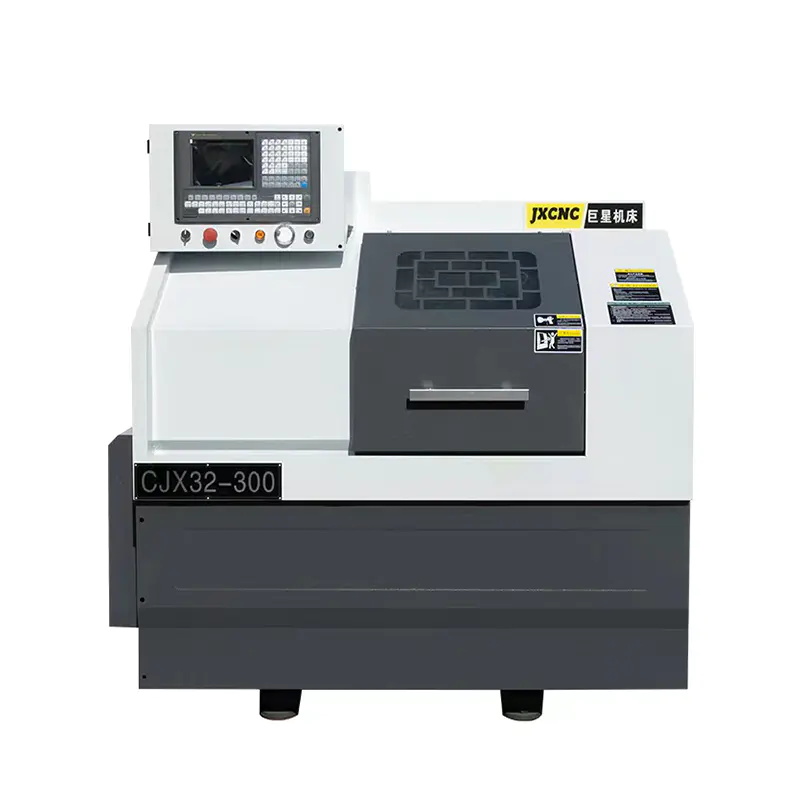
The JX32-300 Mini Economical CNC Lathe Machine is designed to provide high precision and efficient machining for a wide range of metal products. With ...
See Details
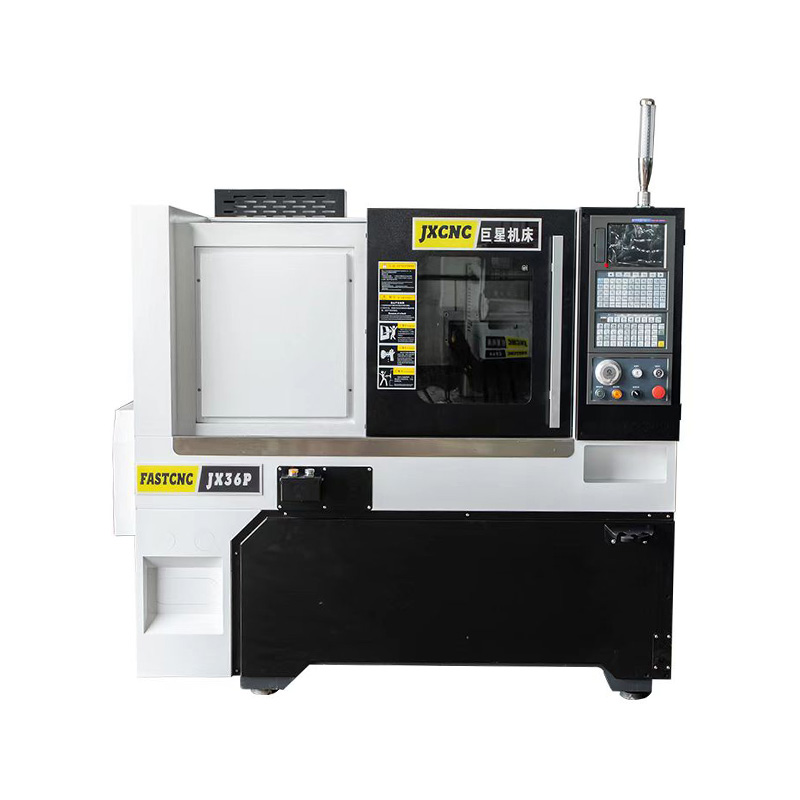
Introducing the JX36P China Good Supplier CNC Lathe Machine, a high-quality and efficient tool designed for precision machining. With its horizontal i...
See Details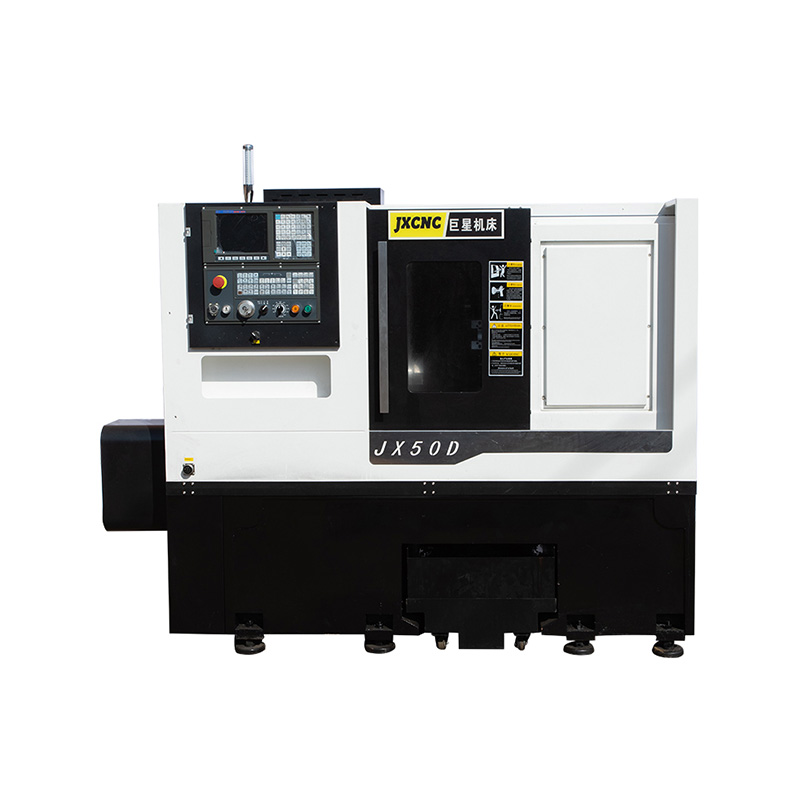
Introducing the JX50D CNC Machine Tools List from China's CNC machine tools manufacturer. Our machine tools are equipped with a servo hydraulic turret...
See Details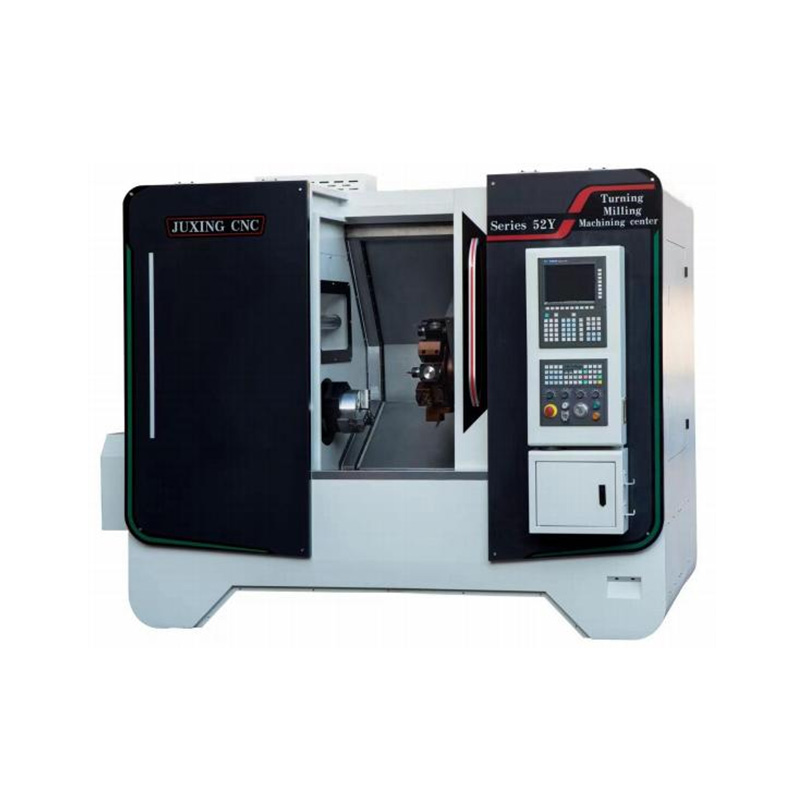
In conclusion, the JX52Y CNC Turning Lathes with Computer Control System is a highly advanced and efficient machine that combines the functionality of...
See DetailsTEL : +86-576-87491531
FAX : +86-576-87493038
E-MAIL : chinajuxing@aliyun.com
ADDRESS: Longxi Industrial Zone, Yuhuan City, Taizhou City, Zhejiang Province, China
CopyrightTaizhou Yestar Intelligent Equipment Co., Ltd. All Rights Reserved.