English
 中文简体
 русский
CF32 Hydraulic Clamping CNC Polygon Turning Machine
Cat:Small Polygon Lathe
CF32 hydraulic clamping CNC polygon lathe is designed for milling small and medium-sized high-precision parts, which can mill square, octagonal, hexag...
See Details


International sourcing involves more than finding a machining supplier with competitive quotations. Overseas buyers need to understand how a manufacturer manages engineering requirements, production processes, dimensional accuracy, material quality, and shipment arrangements. These factors become particularly important when the manufacturing partner operates in another country and direct factory supervision is difficult.
At Juxing, we understand that overseas customers need clear technical information before committing to a manufacturing project. Evaluating a cnc machining china factory should therefore involve a practical review of its manufacturing resources, quality management procedures, engineering communication, and order coordination. The following points explain how buyers can assess a potential manufacturing partner and prepare for a more reliable sourcing process.
Company information provides an initial reference for understanding whether a supplier has the resources required for a machining project. A professional evaluation should go beyond website descriptions and promotional photographs.
We recommend reviewing several aspects of a manufacturer's business background:
At Juxing, we believe transparent company information helps establish a practical foundation for international cooperation. Buyers should also identify which processes are completed internally and which require external service providers. This distinction makes production responsibilities easier to understand.
A factory's equipment inventory is an important reference, but the number of machines alone cannot establish whether a supplier is suitable for a particular component. Machine configuration, machining range, tooling arrangements, and production experience all deserve attention.
Different components require different manufacturing approaches. A small aluminum connector, a stainless steel shaft, and a complex housing may involve different machining operations and workholding arrangements.
For example, a component with several angled holes and intersecting surfaces may require multi-axis machining or carefully planned setups. A simple cylindrical part may be more suitable for CNC turning. Our engineering discussions focus on matching the proposed manufacturing route with the actual drawing rather than relying on general equipment descriptions.
Machining precision is a major concern for buyers purchasing components that must fit with other mechanical assemblies. A supplier should be able to explain how critical dimensions are measured and how inspection results are documented.
Several technical details deserve particular attention:
Consider an aluminum component with a specified hole diameter of 20 mm and a tolerance of ±0.02 mm. The inspection plan should identify a suitable measuring instrument and a repeatable measurement method. A general visual inspection cannot establish whether the hole meets this requirement.
At Juxing, we recognize that measurement requirements should be discussed during the quotation stage. Clear inspection criteria help align engineering expectations with manufacturing arrangements and reduce disagreements during product acceptance.
Material quality influences machining behavior, mechanical performance, corrosion resistance, and the service life of finished components. Overseas buyers should confirm that the supplier understands the specified material grade and its relevant technical properties.
Common CNC machining materials include:
Material documentation is equally important. Buyers can request material certificates, supplier records, incoming inspection documents, and batch identification information where applicable.
We encourage customers to provide the exact material designation, temper or condition, and any relevant mechanical property requirements. These details help our team review the machining approach and identify potential technical concerns before production begins.
Finished-part inspection is only one part of manufacturing quality control. A dependable quality management approach should cover incoming materials, machining operations, process changes, and final product release.
During a factory assessment, buyers can investigate the following procedures:
Quality certifications can provide additional information about a manufacturer's management system. ISO 9001:2015 is a commonly referenced quality management standard. Buyers should verify the certificate's validity, issuing organization, registered site, and covered business activities instead of relying solely on a displayed logo.
Our approach at Juxing is to treat quality requirements as part of the manufacturing discussion rather than an issue addressed only after machining has finished. Clear acceptance criteria and documented inspection expectations make cooperation more straightforward.
Technical communication has a direct influence on the accuracy of a machining quotation and the smooth execution of an order. Overseas buyers should pay attention to how a factory handles engineering questions before production authorization.
A useful drawing review should cover several details:
For example, a drawing may specify an M6 threaded hole with a defined thread depth and a particular surface treatment. Without confirming these details, the machining quotation may not cover all required operations.
At Juxing, we value clear communication between customers and our engineering team. Providing complete drawings, material specifications, expected quantities, and application information gives us a better basis for evaluating machining requirements and preparing project quotations.
Price comparison is an essential part of international procurement, but quotations should be evaluated according to their actual manufacturing scope. Two suppliers may offer different prices because their proposals include different materials, machining operations, inspection requirements, and finishing services.
Before comparing commercial offers, buyers should review these items:
At Juxing, we believe a detailed quotation helps both parties understand the project scope before commercial confirmation. Buyers should also discuss production scheduling, order quantities, and shipment arrangements according to their actual purchasing plans.
A sample evaluation provides practical information about how a supplier interprets drawings and manages machining requirements. It also gives buyers an opportunity to examine component quality before committing to a larger production program.
We suggest establishing a structured sample approval process:
Sample evaluation also helps identify communication gaps, unclear technical requirements, and potential manufacturing difficulties. A documented approval process provides a reference for subsequent production batches.
International manufacturing cooperation involves more than producing components to drawing specifications. Order coordination, packaging, documentation, and shipment communication also affect the purchasing experience.
Overseas customers should discuss the following arrangements with a potential manufacturing partner:
At Juxing, we understand that overseas customers need manufacturing information that supports their own purchasing and inventory arrangements. Discussing these responsibilities before order confirmation helps clarify expectations and supports better coordination throughout the project.
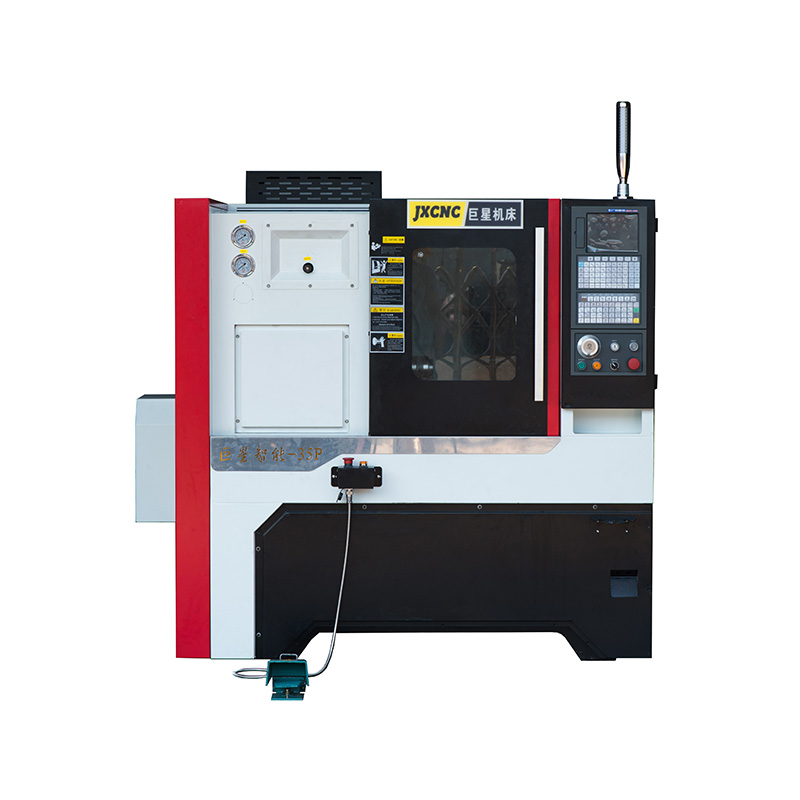
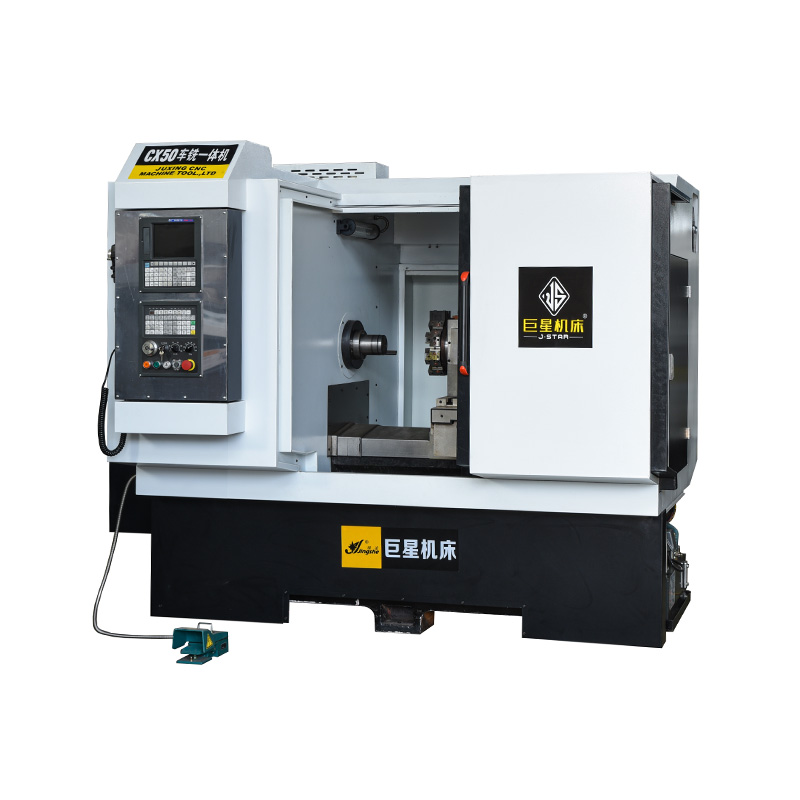
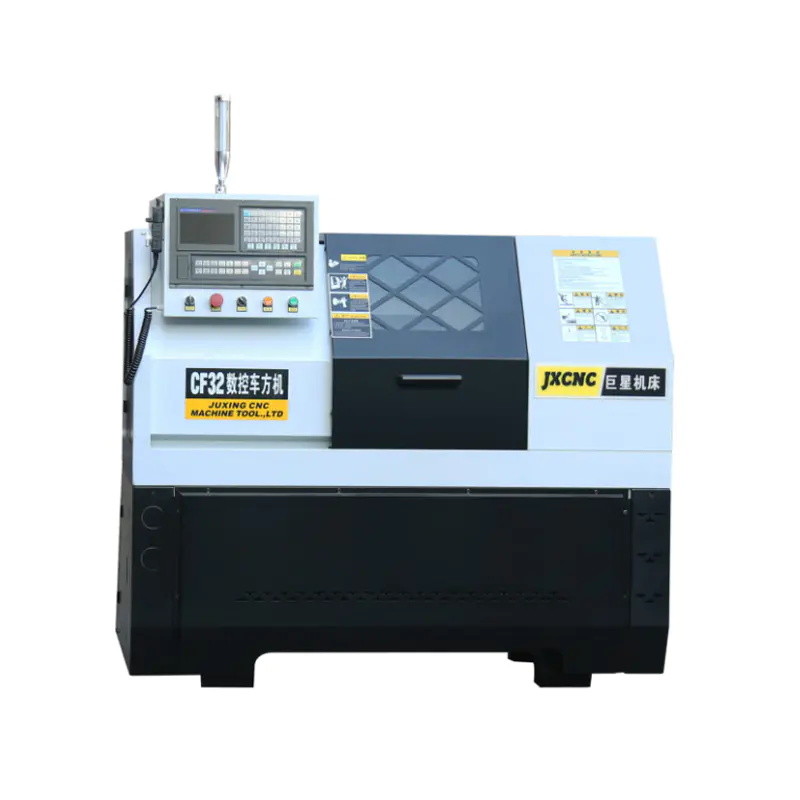
CF32 hydraulic clamping CNC polygon lathe is designed for milling small and medium-sized high-precision parts, which can mill square, octagonal, hexag...
See Details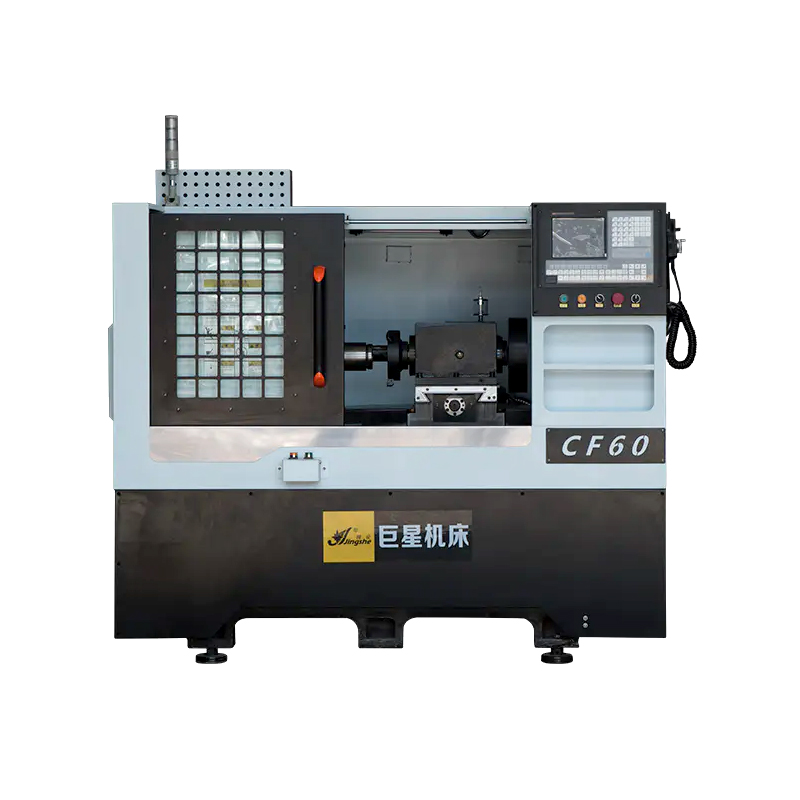
The CF60 CNC Polygon Lathe is a highly efficient and versatile machine tool designed for small to medium-sized precision parts milling. It is capable ...
See Details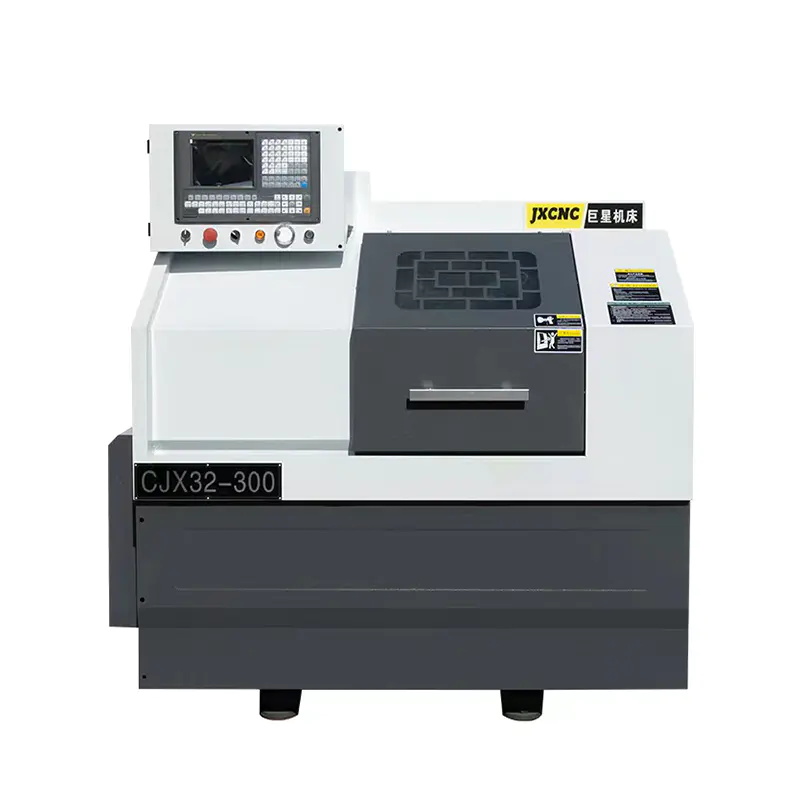
The JX32-300 Mini Economical CNC Lathe Machine is designed to provide high precision and efficient machining for a wide range of metal products. With ...
See Details
Introducing the JX36P China Good Supplier CNC Lathe Machine, a high-quality and efficient tool designed for precision machining. With its horizontal i...
See Details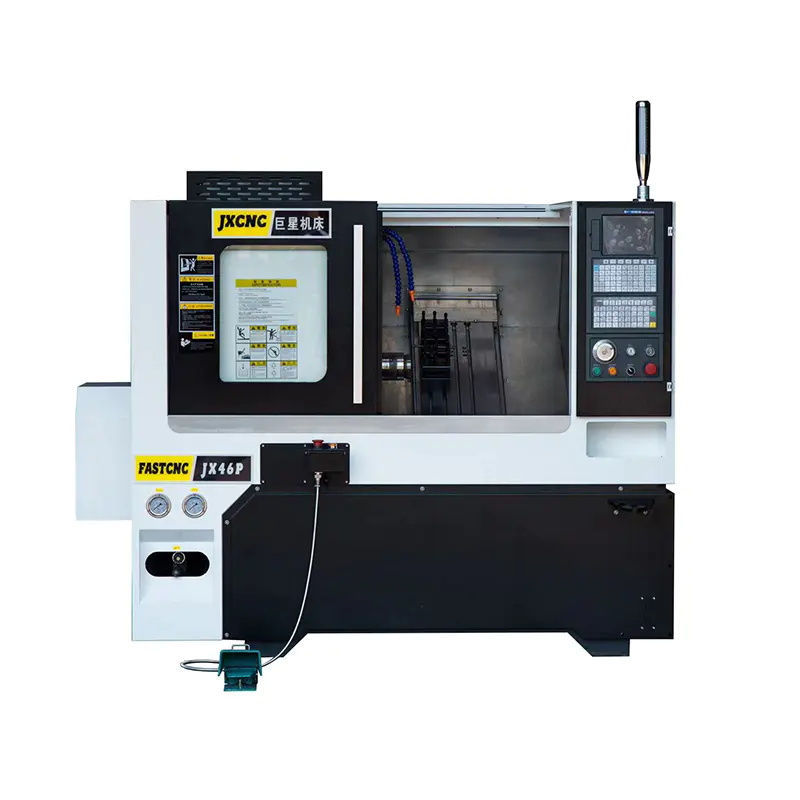
The JX46P Slant Bed CNC Lathe Machine of Cast Iron Machine Base is a high-performance machine tool designed for various machining operations. With its...
See Details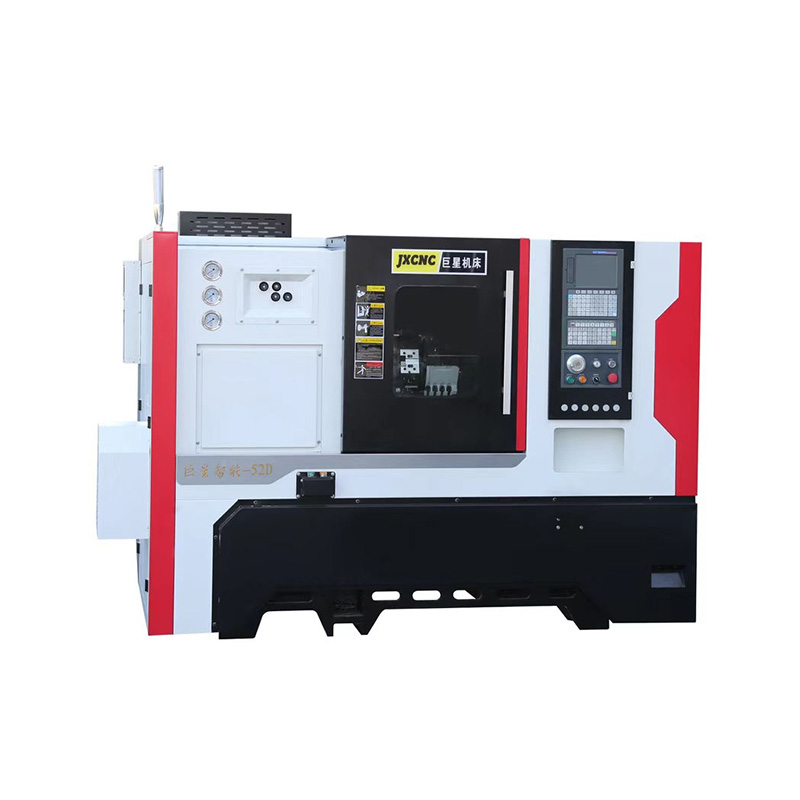
As a trusted machine tool equipment supplier in China, we prioritize customer satisfaction and strive to provide the solutions and support. Our JX52D ...
See Details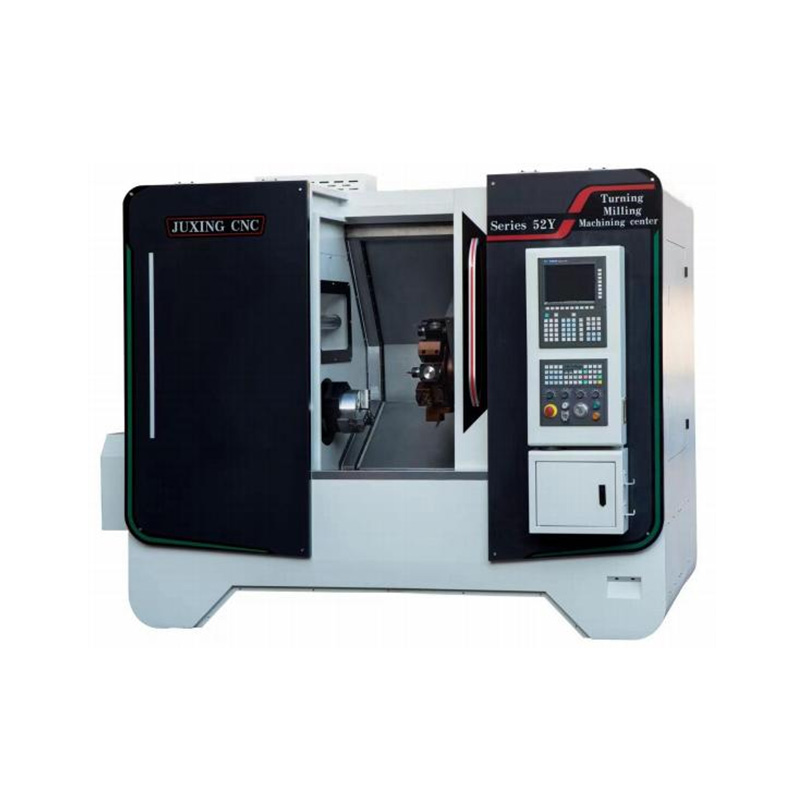
In conclusion, the JX52Y CNC Turning Lathes with Computer Control System is a highly advanced and efficient machine that combines the functionality of...
See Details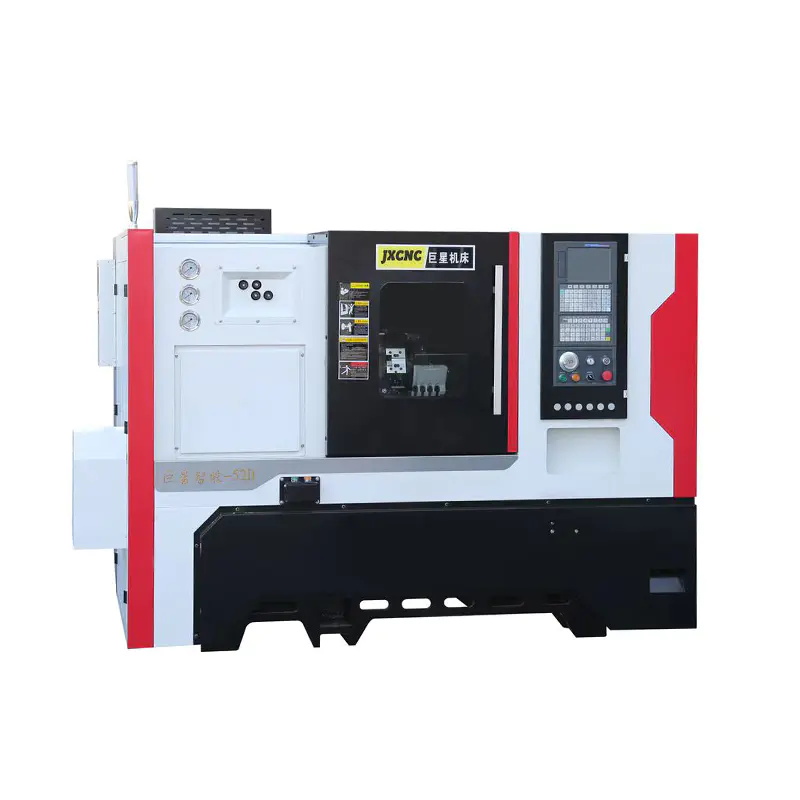
The JX52D Machine Tool CNC Lathe is specifically designed for lathe every kinds of material with precision and efficiency. It is equipped with advance...
See DetailsTEL : +86-576-87491531
FAX : +86-576-87493038
E-MAIL : chinajuxing@aliyun.com
ADDRESS: Longxi Industrial Zone, Yuhuan City, Taizhou City, Zhejiang Province, China
CopyrightTaizhou Yestar Intelligent Equipment Co., Ltd. All Rights Reserved.