English
 中文简体
中文简体 русский
CF32 Hydraulic Clamping CNC Polygon Turning Machine
Cat:Small Polygon Lathe
CF32 hydraulic clamping CNC polygon lathe is designed for milling small and medium-sized high-precision parts, which can mill square, octagonal, hexag...
See Details


Mass production in metal cutting environments often looks stable on the surface, yet small variations accumulate across batches. A CNC machine lathe factory can run identical programs, tools, and materials, but still produce parts with fluctuating surface quality or dimensional drift. The reason is rarely a single failure point. Instead, consistency is influenced by machine condition, process control discipline, and hidden mechanical variation inside the production chain.
Industrial reports and machining analyses show that surface finish instability, tool wear progression, and structural wear of motion components are among the main reasons production consistency declines over time, even in automated environments.
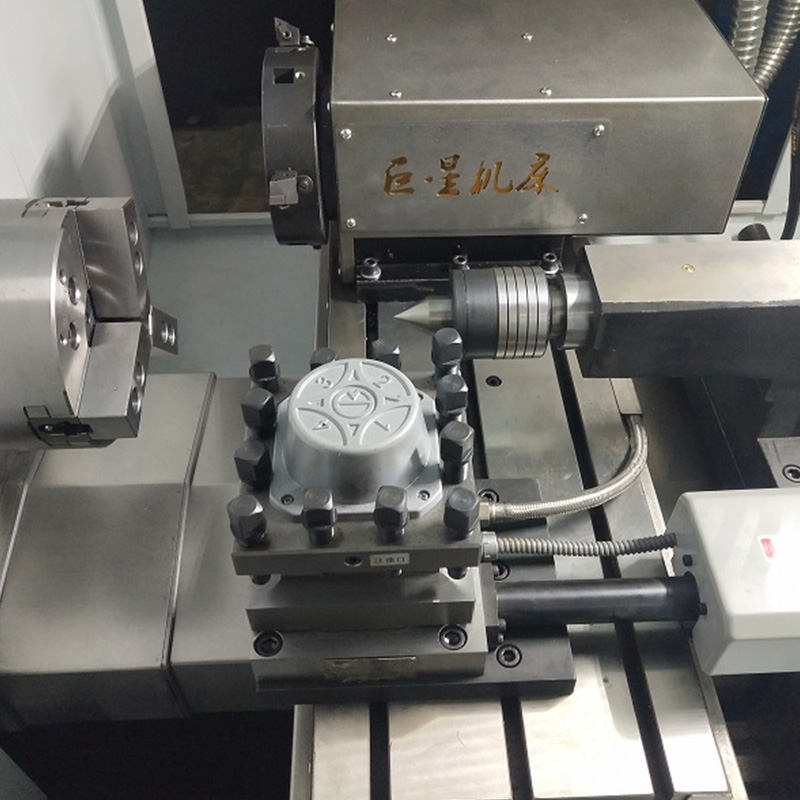
Even within one workshop, no two CNC lathes behave the same. Differences arise from:
These variations become visible during finishing operations. A part may meet tolerance on one lathe but show different surface texture on another.
Factories often assume identical programming guarantees identical output, but mechanical condition introduces hidden offsets that are not fully compensated by CNC control systems.
Tool wear does not progress uniformly. In high-volume production:
A worn cutting edge increases friction and cutting force, which directly impacts surface texture quality .
In a lathe factory, this creates a subtle but important issue: parts from the same shift may not match visually or functionally, even if dimensional inspection still passes.
This becomes more obvious in stainless steel and alloy steel processing, where tool wear accelerates due to higher cutting resistance.
Setup parameters are rarely static in real production. Small shifts occur due to:
A deviation as small as 0.01–0.02 mm in setup can create noticeable changes in surface finish bands or taper behavior. Over long production runs, these small offsets stack up and create batch inconsistency.
A common symptom is that the first 20–30 parts look stable, while later parts gradually show different finish texture or tool marking intensity.
Heat generation is unavoidable in continuous turning operations. Spindle rotation, friction at bearings, and cutting heat all contribute to thermal expansion.
Effects include:
Thermal drift is especially problematic in factories running unattended shifts. Machines stabilize after warm-up, but never reach a perfectly constant state. This creates a moving baseline rather than a fixed machining condition.
Even when drawings and material grades remain the same, raw stock variation exists:
These differences change chip formation behavior. One batch may cut cleanly, while another generates slight tearing or vibration marks under identical settings.
In a metal lathe machine factory, this becomes a recurring issue because production planning assumes material uniformity that does not fully exist in practice.
Long-term operation introduces wear in mechanical transmission systems such as:
Wear does not always produce immediate failure. Instead, it creates micro-level instability:
These effects directly influence surface finish consistency. A lathe may still pass basic calibration checks while producing inconsistent textures across long production runs.
Even with standardized CAM programs, operator decisions still affect output:
Small deviations in feed rate or spindle speed can shift cutting stability. Since surface finish is highly sensitive to cutting dynamics, even minor changes alter the final result.
Factories with multiple shifts often see variation between day and night production for this reason.
Workholding systems degrade over time:
This leads to part micro-movement during cutting. Even movement below 0.01 mm can produce visible chatter marks or inconsistent surface texture on cylindrical parts.
This issue is often misdiagnosed as tooling or spindle instability, while the real cause is mechanical wear in the holding system.
Modern CNC systems include compensation functions for backlash, thermal drift, and servo lag. However, compensation cannot fully correct dynamic machining variation.
Once vibration, tool wear, or mechanical looseness enters the cutting process, the control system can only adjust position—not cutting stability. This creates a gap between “programmed accuracy” and “real cutting quality.”
Consistency challenges inside a CNC machine lathe factory typically come from overlapping factors rather than a single root cause:
Each factor alone may seem minor, but together they create visible differences in surface finish and part behavior across production runs.
A stable production environment depends less on a single machine specification and more on controlling these small variations before they accumulate into batch-level inconsistency.
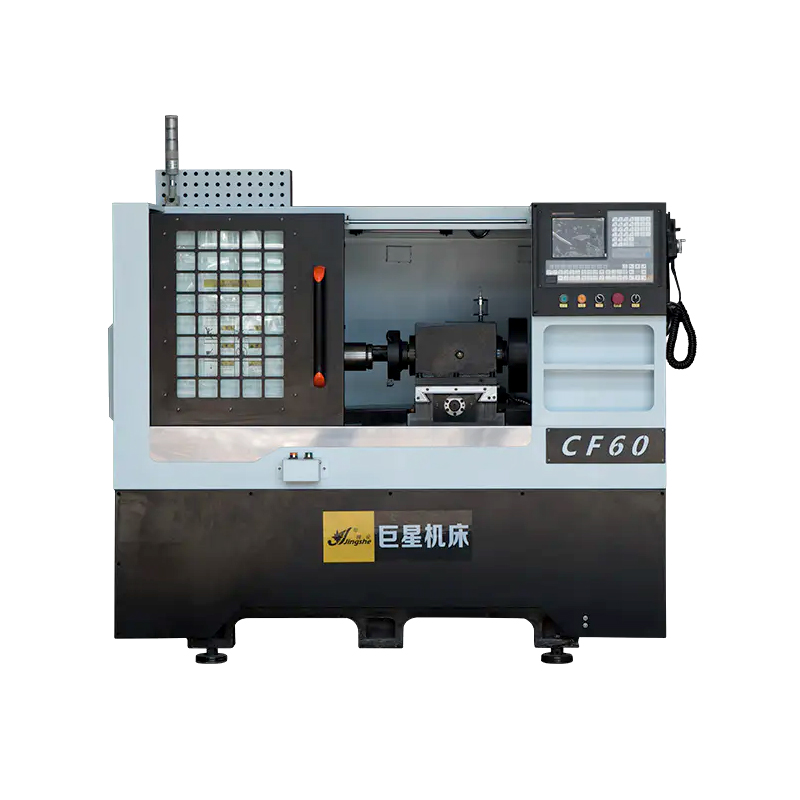
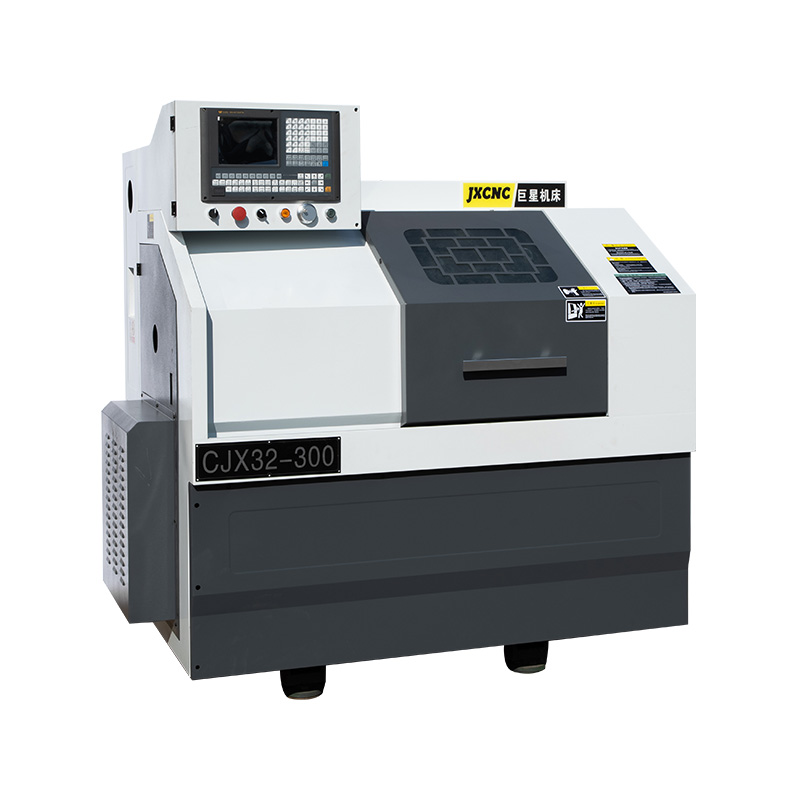
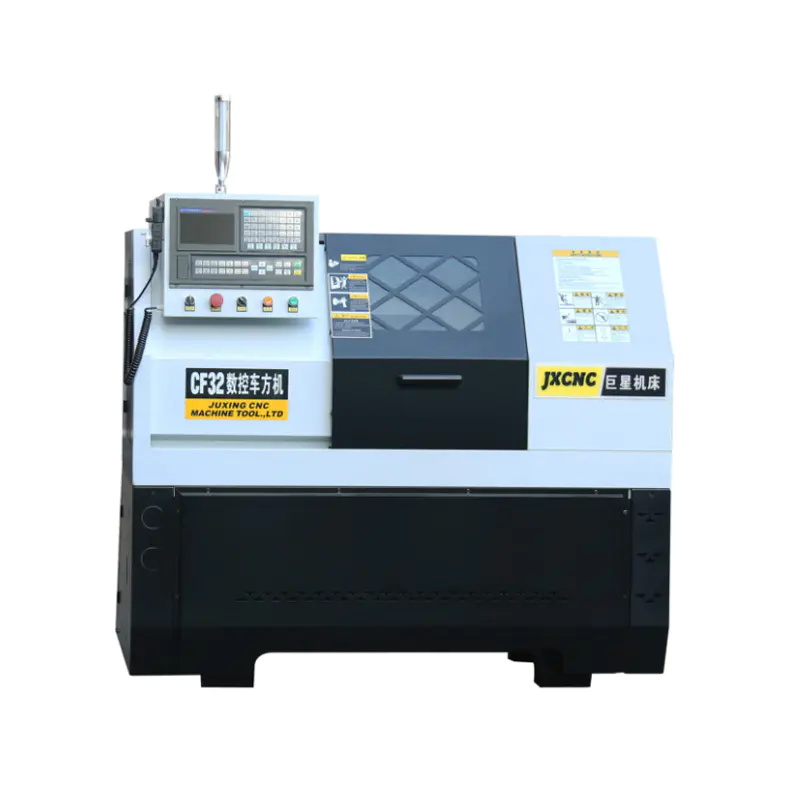
CF32 hydraulic clamping CNC polygon lathe is designed for milling small and medium-sized high-precision parts, which can mill square, octagonal, hexag...
See Details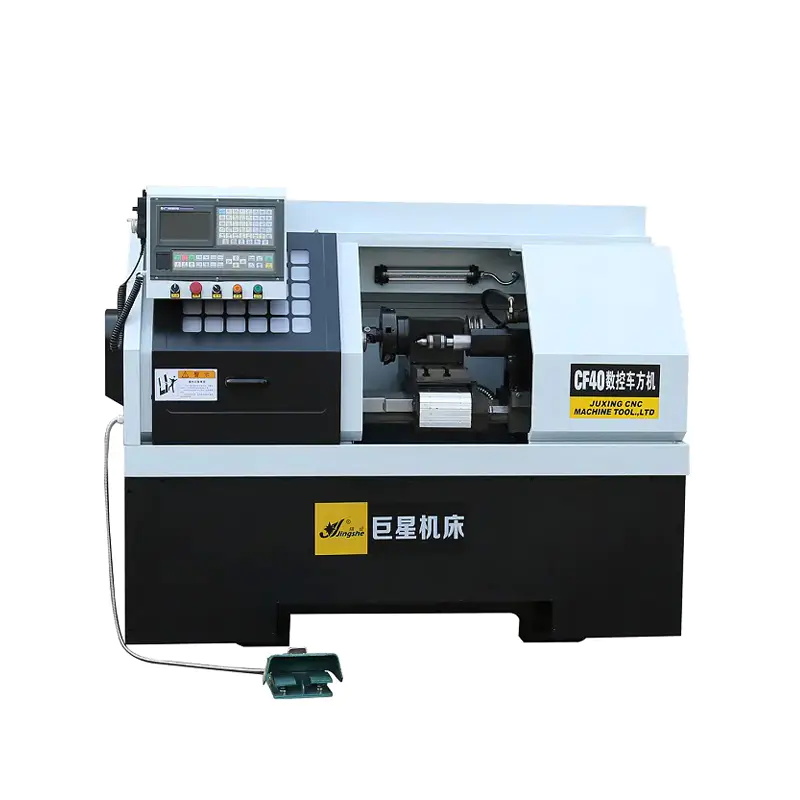
The CF40 Automatic CNC Polygon Turning Machine Lathe is specifically designed for small to medium-sized, high-precision parts milling, enabling the ma...
See Details
The CF60 CNC Polygon Lathe is a highly efficient and versatile machine tool designed for small to medium-sized precision parts milling. It is capable ...
See Details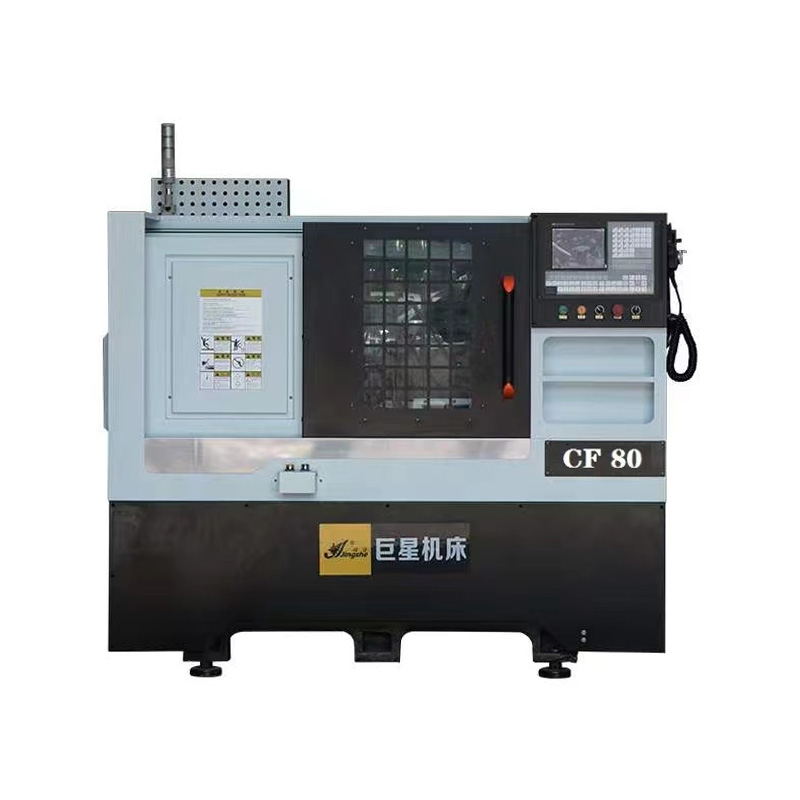
Introducing the CF80 Auto Polygon Lathe Hexagonal Tailstock Lathe Machine. This machine is specifically designed for the production of medium and smal...
See Details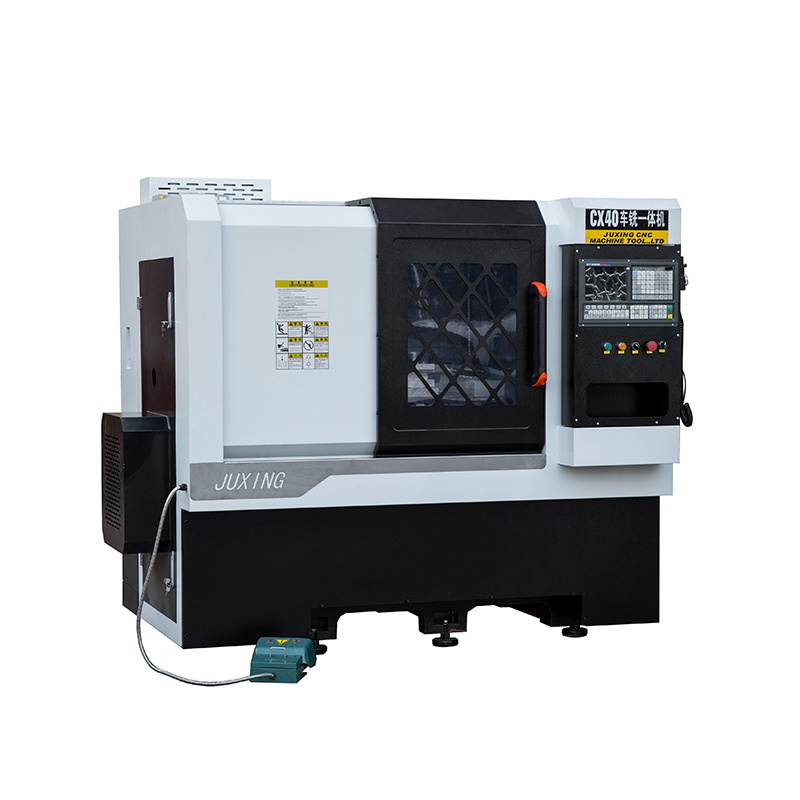
The CX40 High Precision Linear Track Horizontal CNC Lathe Machine is designed to provide exceptional performance and versatility for precision machini...
See Details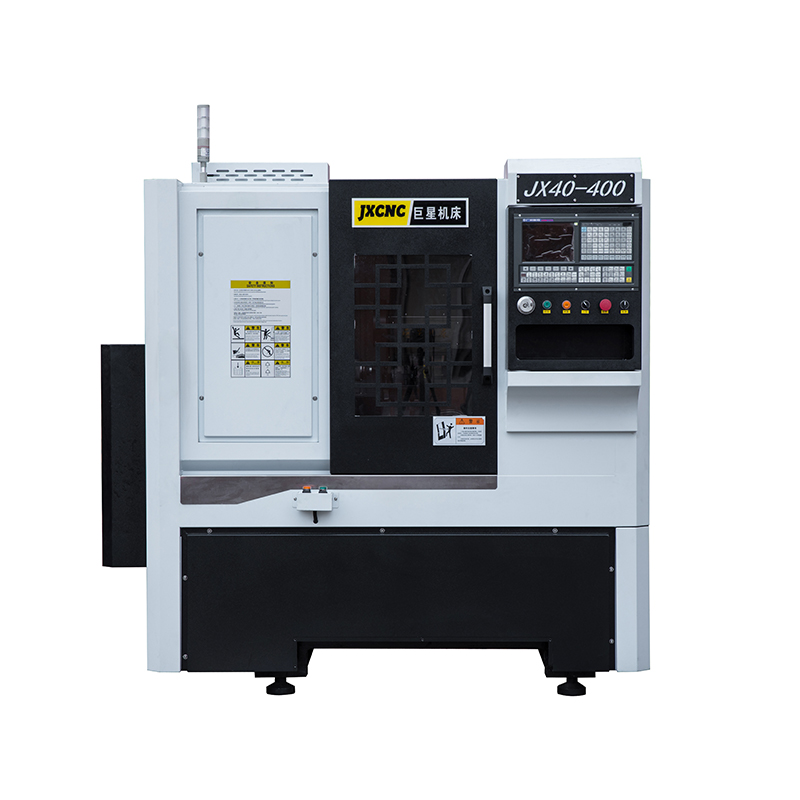
The JX40-400 Factory High Speed Precision CNC Lathes are designed to provide exceptional efficiency and accuracy in machining processes. With the abil...
See Details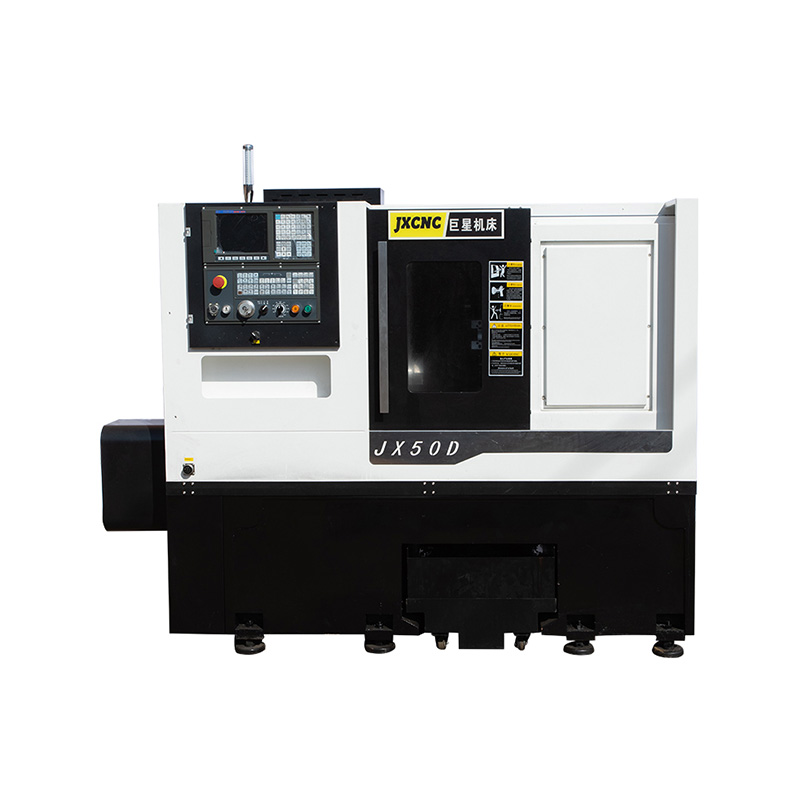
Introducing the JX50D CNC Machine Tools List from China's CNC machine tools manufacturer. Our machine tools are equipped with a servo hydraulic turret...
See Details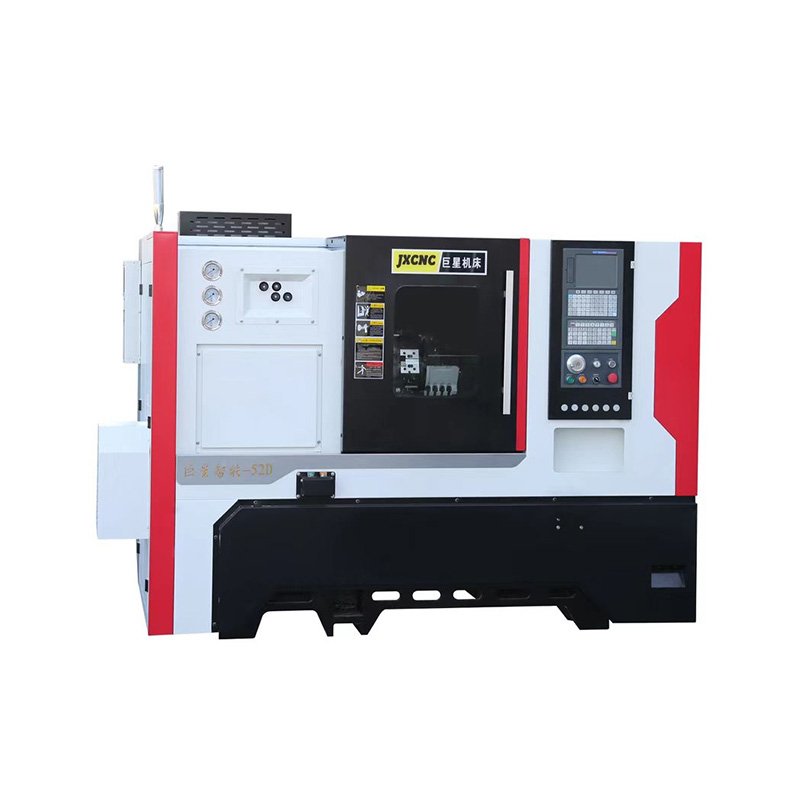
As a trusted machine tool equipment supplier in China, we prioritize customer satisfaction and strive to provide the solutions and support. Our JX52D ...
See DetailsTEL : +86-576-87491531
FAX : +86-576-87493038
E-MAIL : chinajuxing@aliyun.com
ADDRESS: Longxi Industrial Zone, Yuhuan City, Taizhou City, Zhejiang Province, China
CopyrightTaizhou Yestar Intelligent Equipment Co., Ltd. All Rights Reserved.