English
 中文简体
中文简体 русский
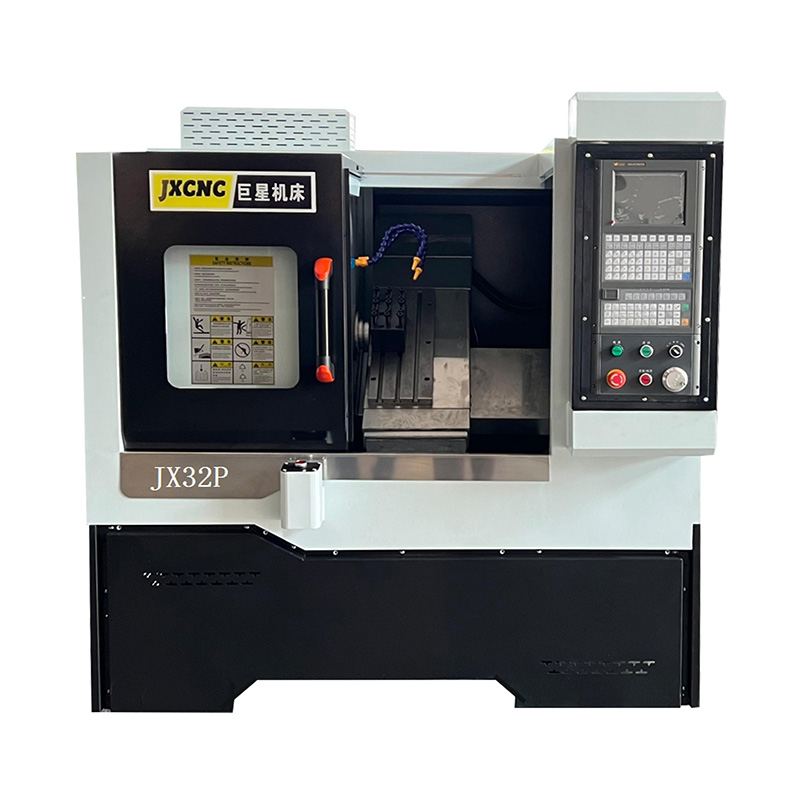
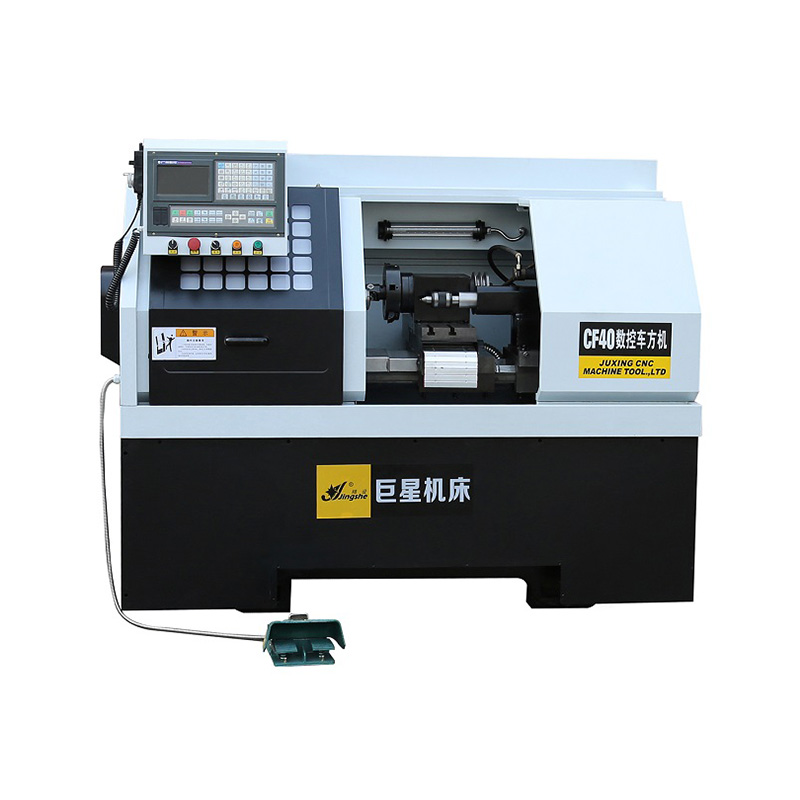
CF40 Automatic CNC Polygon Turning Machine Lathe
Cat:Small Polygon Lathe
The CF40 Automatic CNC Polygon Turning Machine Lathe is specifically designed for small to medium-sized, high-precision parts milling, enabling the ma...
See Details


A CNC machine lathe factory is a type of computer-controlled equipment used in modern manufacturing to produce precise cylindrical parts. It operates by rotating a workpiece while cutting tools move along programmed paths, removing material to achieve the desired shape. Compared to traditional manual lathes and other production processes such as milling, casting, or forging, CNC lathes offer distinct operational and manufacturing characteristics.
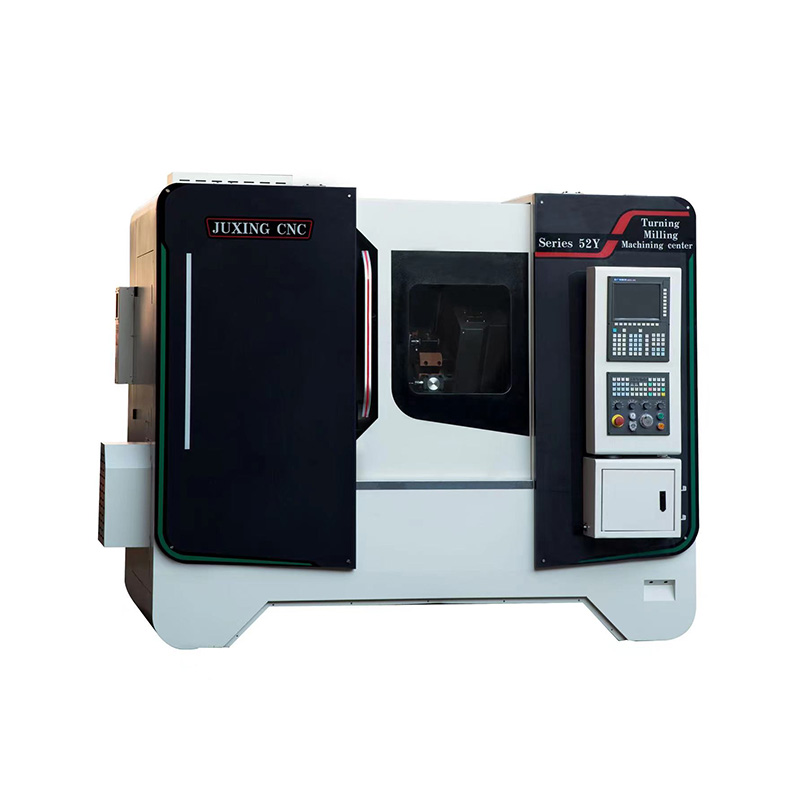
CNC (Computer Numerical Control) lathes consist of several key components that enable precise machining:
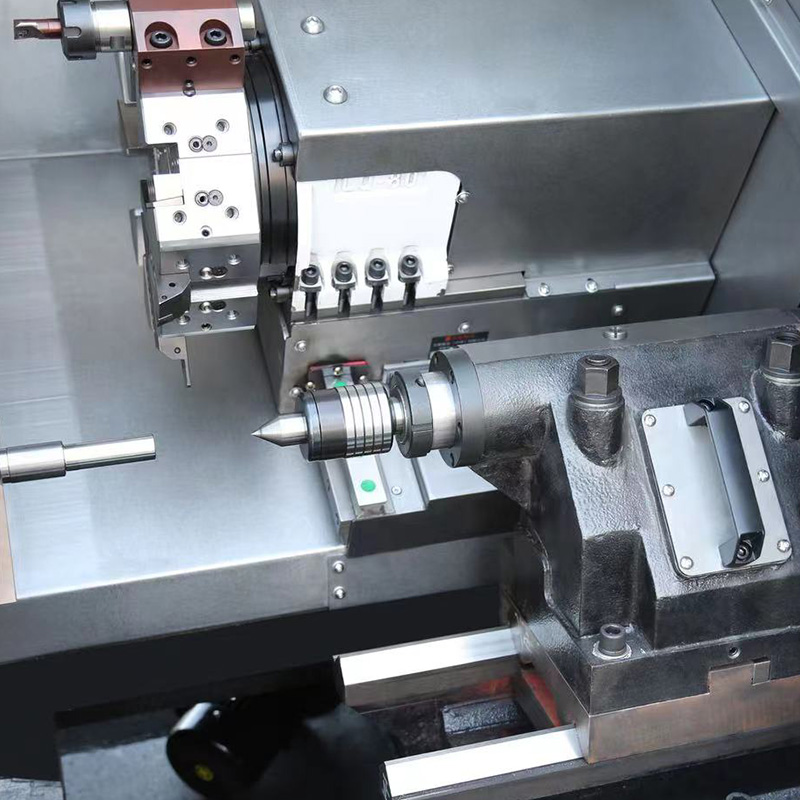
Headstock and Spindle: The headstock holds and rotates the workpiece at adjustable speeds, providing the main rotational motion.
Tailstock: The tailstock can support long workpieces, ensuring stability during machining.
Tool Turret: Holds multiple cutting tools and allows automatic tool changes based on the programmed sequence.
Bed and Carriage: The workpiece and tool move along the bed, allowing precise cutting along longitudinal and radial axes.
Control System: The CNC controller executes pre-programmed instructions, controlling spindle speed, feed rate, and tool movement to achieve consistent results.
This setup allows CNC lathes to produce precise cylindrical, conical, or threaded components with minimal manual intervention.
CNC machine lathes differ from other manufacturing methods in several key ways:
Manual Lathe Operation:
Manual lathes require an operator to adjust tool position, speed, and feed in real time.
CNC lathes automate these adjustments, increasing repeatability and reducing human error.
Manual operation is suitable for small production runs, while CNC is preferred for larger or high-precision tasks.
Milling vs. Turning:
Milling machines remove material by moving a rotating cutter across a stationary workpiece, suitable for flat or complex surfaces.
CNC lathes rotate the workpiece against a stationary cutting tool, making them more efficient for cylindrical components.
Both processes can be CNC-controlled, but lathes are optimized for round or symmetrical shapes.
Casting and Forging:
Casting involves pouring molten metal into molds, while forging reshapes metal using compressive forces.
These processes produce near-net shapes but often require machining for final dimensions.
CNC lathes provide precise finishing, ensuring tight tolerances and smooth surfaces, which casting and forging alone cannot achieve.
3D Printing (Additive Manufacturing):
Additive methods build material layer by layer, allowing complex geometries with minimal waste.
CNC lathes are subtractive, removing material from a solid workpiece.
While 3D printing enables design flexibility, CNC lathes provide surface finish and dimensional accuracy for cylindrical parts.
CNC lathes offer several practical advantages over other processes:
Precision and Repeatability: Automated tool control ensures consistent dimensions across multiple parts.
Efficiency: Reduced operator intervention allows faster production and continuous operation.
Versatility: Can produce threads, tapers, grooves, and complex profiles in a single setup.
Material Compatibility: Capable of machining metals, plastics, and composite materials.
Reduced Waste: Precise material removal reduces scrap compared to manual or less-controlled methods.
Despite their advantages, CNC lathes have certain limitations:
Initial Cost: CNC lathes are more expensive than manual lathes or simple casting setups.
Programming Requirement: Skilled operators are needed to develop and adjust CNC programs.
Part Geometry Limitations: Optimized for cylindrical or rotationally symmetrical parts; complex non-cylindrical shapes may require milling or additive methods.
Setup Time for Small Runs: For very small production quantities, the programming and setup time may outweigh the efficiency gains.
Applications and Suitability
CNC machine lathes are widely used in:
Automotive and aerospace components such as shafts, bushings, and spindles.
Industrial machinery requiring precise cylindrical parts.
Production environments where high repeatability and consistent tolerances are essential.
Metalworking and plastic part fabrication where surface finish and dimensional accuracy are critical.
Compared to casting, forging, or milling, CNC lathes are suitable for medium to high-volume production of rotationally symmetric components.
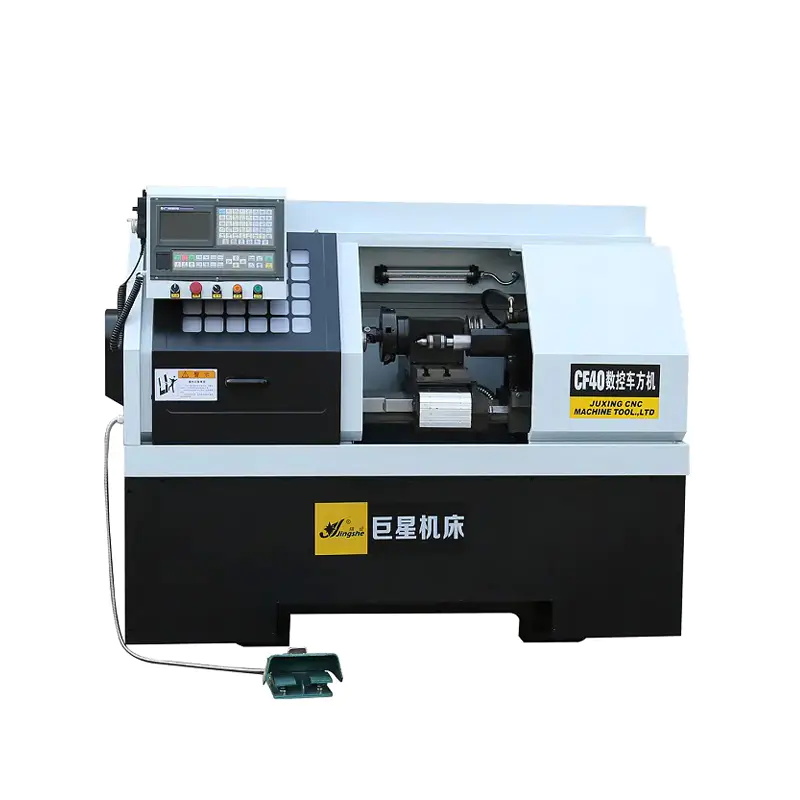
The CF40 Automatic CNC Polygon Turning Machine Lathe is specifically designed for small to medium-sized, high-precision parts milling, enabling the ma...
See Details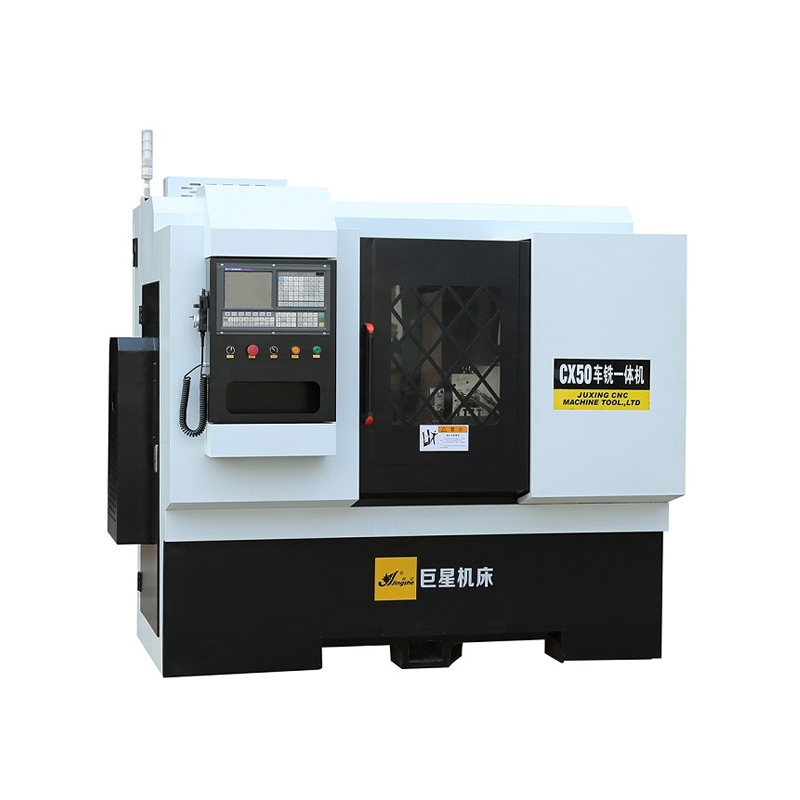
Are you looking for a machine that combines the capabilities of a CNC lathe and a square lathe? Look no further! Introducing the CX50 New CNC Turning ...
See Details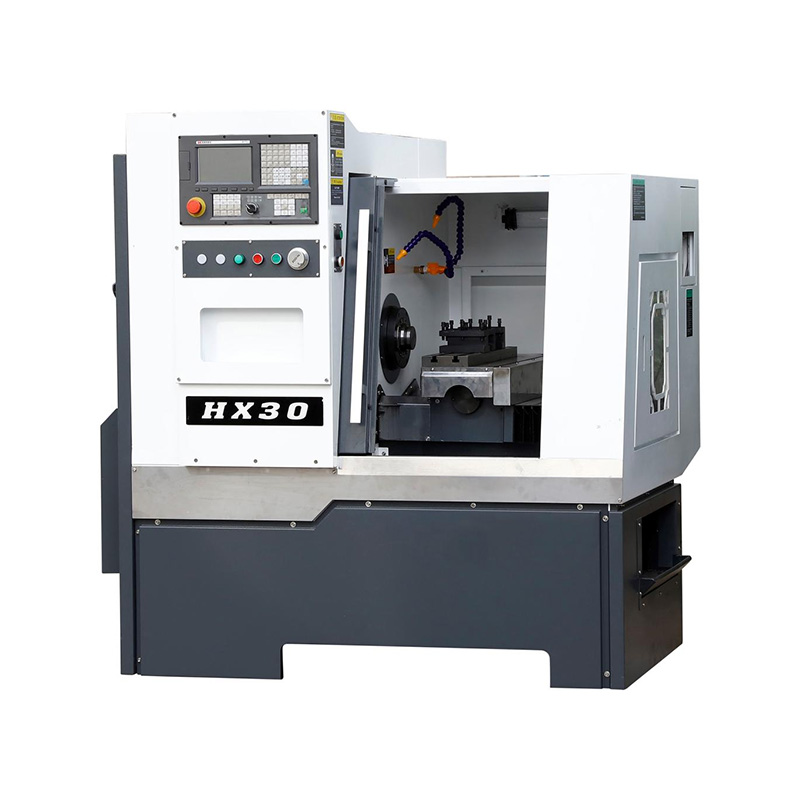
A notable feature of the HX30 Mandrel Bar Feeder Cheap CNC Lathe is its efficient and reliable mandrel bar feeder. The mandrel serves as a support for...
See Details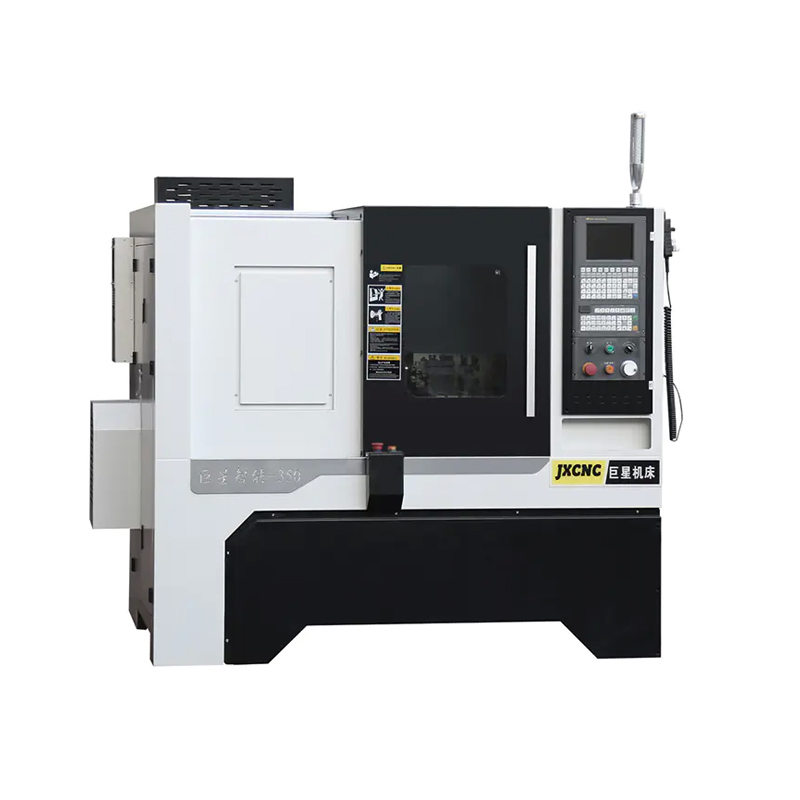
The JX350 Gang Type CNC Lathe for Cutting Tool with Rapid Tool Changing is designed to deliver high precision and efficiency in cutting tool operation...
See Details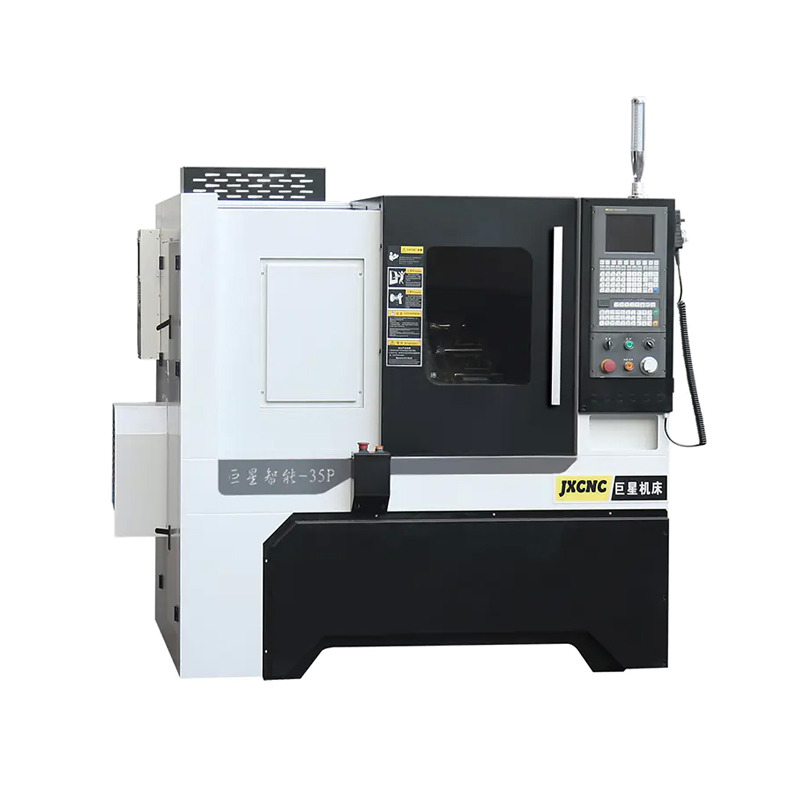
The JX35P CNC Hiwin Linear Guide Machine with High Precision is a reliable and robust solution for various machining applications. With its horizontal...
See Details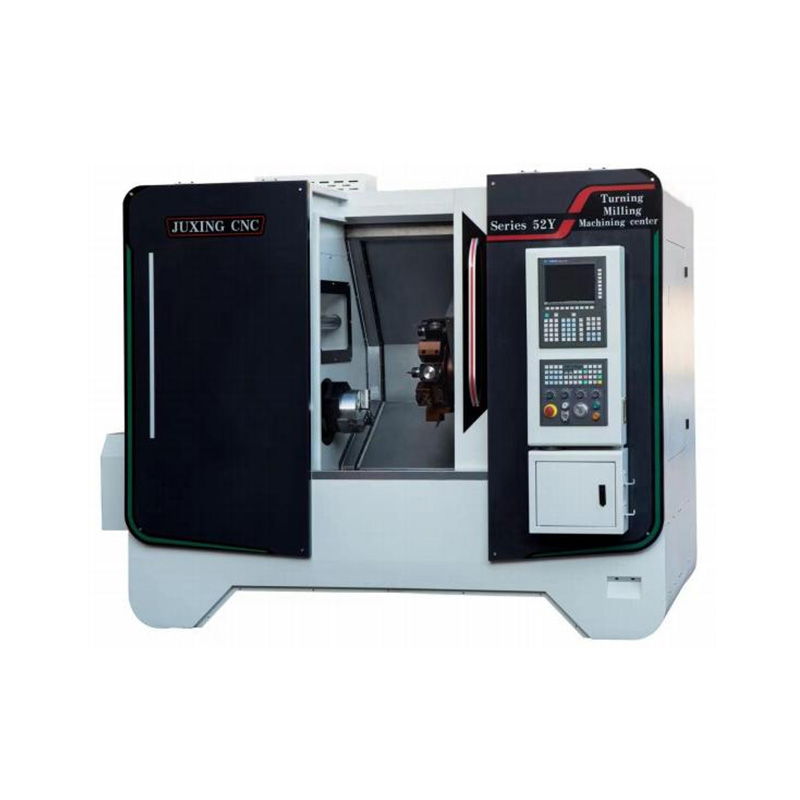
In conclusion, the JX52Y CNC Turning Lathes with Computer Control System is a highly advanced and efficient machine that combines the functionality of...
See Details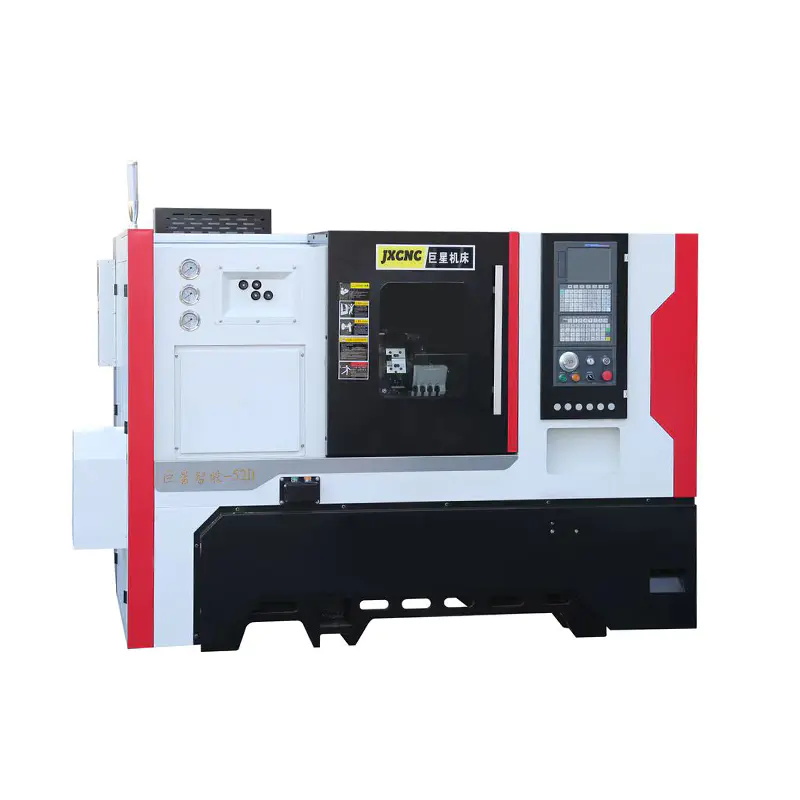
The JX52D Machine Tool CNC Lathe is specifically designed for lathe every kinds of material with precision and efficiency. It is equipped with advance...
See DetailsTEL : +86-576-87491531
FAX : +86-576-87493038
E-MAIL : chinajuxing@aliyun.com
ADDRESS: Longxi Industrial Zone, Yuhuan City, Taizhou City, Zhejiang Province, China
CopyrightTaizhou Yestar Intelligent Equipment Co., Ltd. All Rights Reserved.