English
 中文简体
中文简体 русский
CF32 Hydraulic Clamping CNC Polygon Turning Machine
Cat:Small Polygon Lathe
CF32 hydraulic clamping CNC polygon lathe is designed for milling small and medium-sized high-precision parts, which can mill square, octagonal, hexag...
See Details


CNC lathe machining factory offers high precision and repeatability, but it also has several disadvantages that users should consider. One primary limitation is the high initial investment. CNC lathes require advanced mechanical components, control systems, and software, which makes them significantly more expensive than manual lathes. For small workshops or low-volume production, the cost may not be justified.
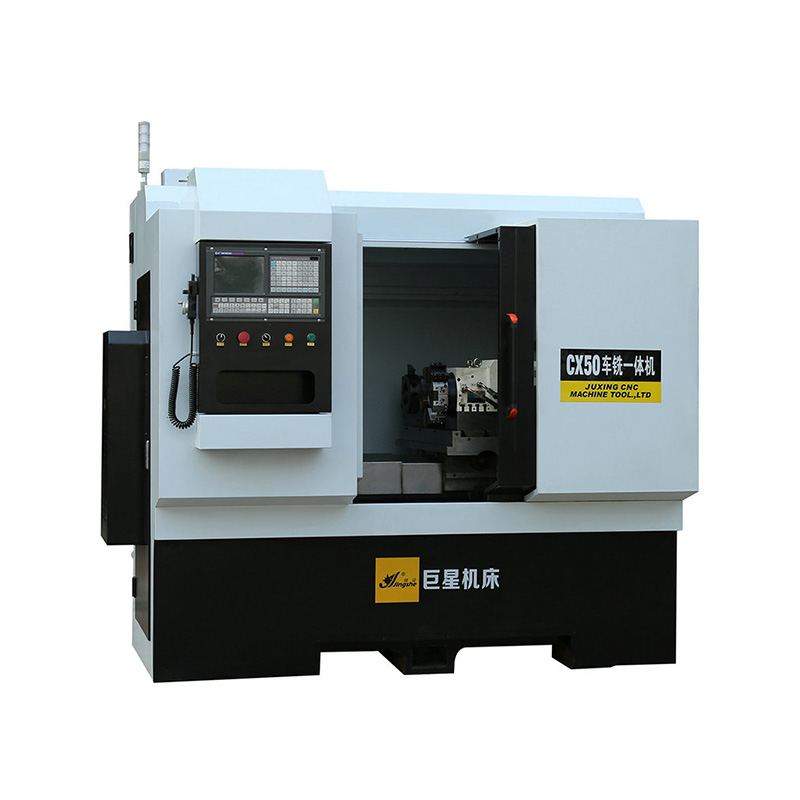
Another disadvantage is the complexity of programming and setup. CNC machining requires skilled operators who understand G-code, tool paths, cutting parameters, and machine capabilities. Even with modern conversational programming, setting up a CNC lathe for a new part involves time-consuming tasks such as tool selection, fixture design, and trial runs.
CNC lathe machining can also be less flexible for one-off or highly customized parts compared to manual machining. For small quantities, the time spent on programming and setup may outweigh the benefits of automation. Additionally, CNC lathes require regular maintenance and calibration to maintain accuracy. Any deviation in machine condition can bring about dimensional errors or increased tool wear.
CNC lathe machining is generally limited to rotationally symmetric parts. While multi-axis CNC lathes can perform more complex operations, they still may not match the versatility of milling machines for certain geometries.
To understand CNC lathe machining correctly, it is important to view it as a process that integrates mechanical engineering, programming, and process control. The following points provide a clear and practical framework:
A Process of Controlled Material Removal
CNC lathe machining removes material from a rotating workpiece using cutting tools. The process is guided by computer-controlled tool paths to achieve precise dimensions and surface finishes.
Automation Enhances Consistency
CNC control systems enable repeatable operations. Once programmed correctly, the machine can produce identical parts across long production runs, reducing human error.
Tooling and Fixturing Are Critical
The accuracy and efficiency of CNC lathe machining depend heavily on tooling selection and fixture design. Proper tool geometry, cutting speed, and clamping stability directly affect part quality.
Programming Is the Core Skill
G-code or CAM-generated programs determine tool movement and machining sequences. Operators must understand both the part design and machine capabilities to optimize the program.
Quality Depends on Process Control
Effective CNC lathe machining requires monitoring cutting forces, tool wear, and machine condition. Adjustments to feed rate, spindle speed, and coolant application help maintain consistent results.
Suitable for High-Precision Rotational Parts
CNC lathes are especially efficient for shafts, bushings, and cylindrical components, making them widely used in automotive, aerospace, and machinery industries.
By understanding these core aspects, users can appreciate both the strengths and limitations of CNC lathe machining.
CNC lathe machining performance is influenced by machine rigidity, spindle accuracy, and tool stability. Machine rigidity determines how well the lathe can resist cutting forces without deflection. High rigidity is essential for heavy cutting and maintaining dimensional accuracy. Spindle accuracy affects concentricity and surface finish, particularly in precision parts.
Tool stability includes tool holder rigidity, tool overhang length, and cutting parameter selection. A stable tool setup reduces vibration, which improves surface quality and extends tool life. Many CNC lathes also include features such as live tooling, which enables milling and drilling operations on the rotating workpiece. This expands the range of parts that can be produced without additional equipment.
CNC lathe machining is widely used in industries requiring high-volume production of cylindrical parts. Common applications include automotive shafts, hydraulic components, and industrial fittings. In aerospace and medical industries, CNC lathes are used for precision parts where tight tolerances and reliable repeatability are essential.
Practices for CNC lathe machining include choosing the right machine size, using appropriate cutting tools, and implementing effective coolant strategies. Regular machine calibration and preventive maintenance help ensure long-term accuracy. In addition, using CAM software and simulation tools can reduce programming errors and shorten setup time. With these practices, CNC lathe machining can deliver consistent, high-quality results in both medium and large-scale production.
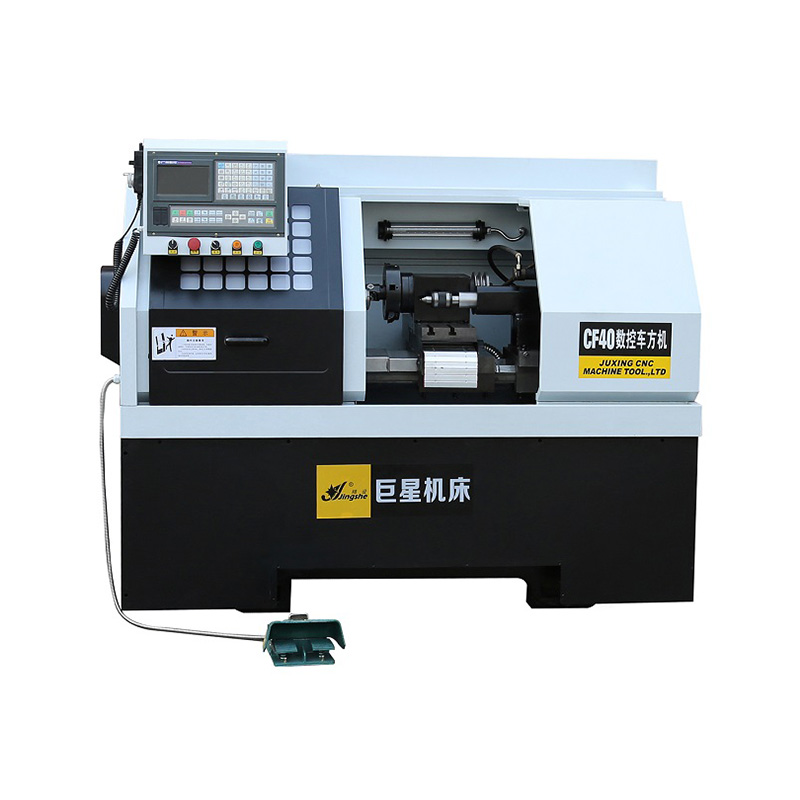
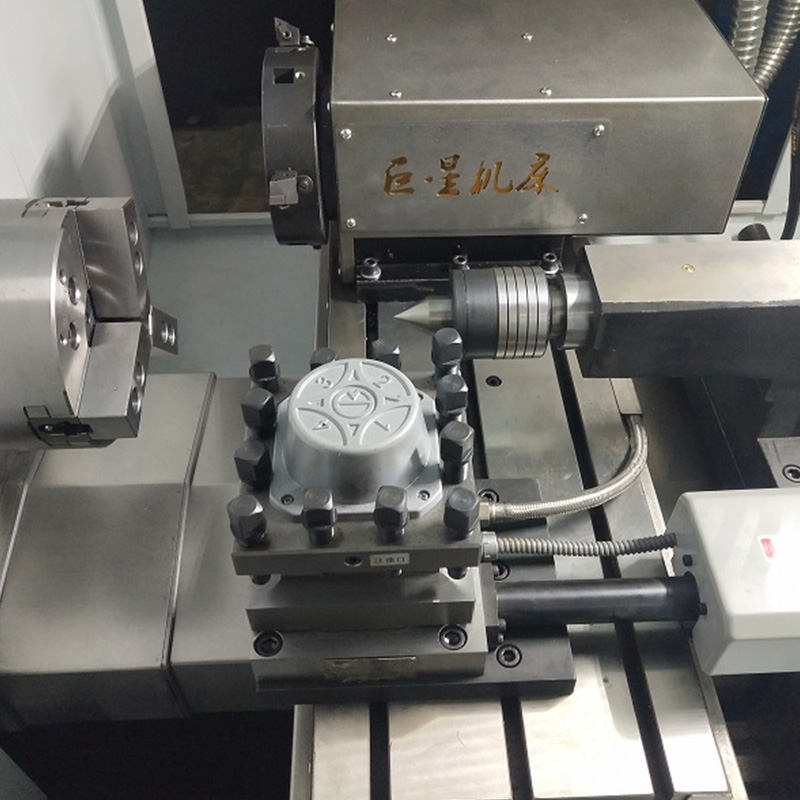
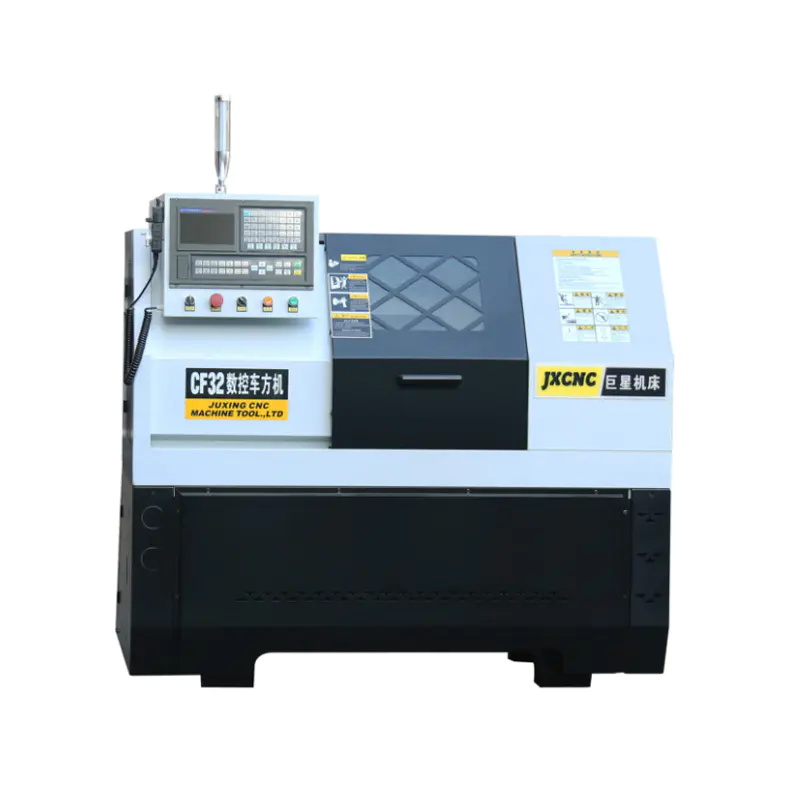
CF32 hydraulic clamping CNC polygon lathe is designed for milling small and medium-sized high-precision parts, which can mill square, octagonal, hexag...
See Details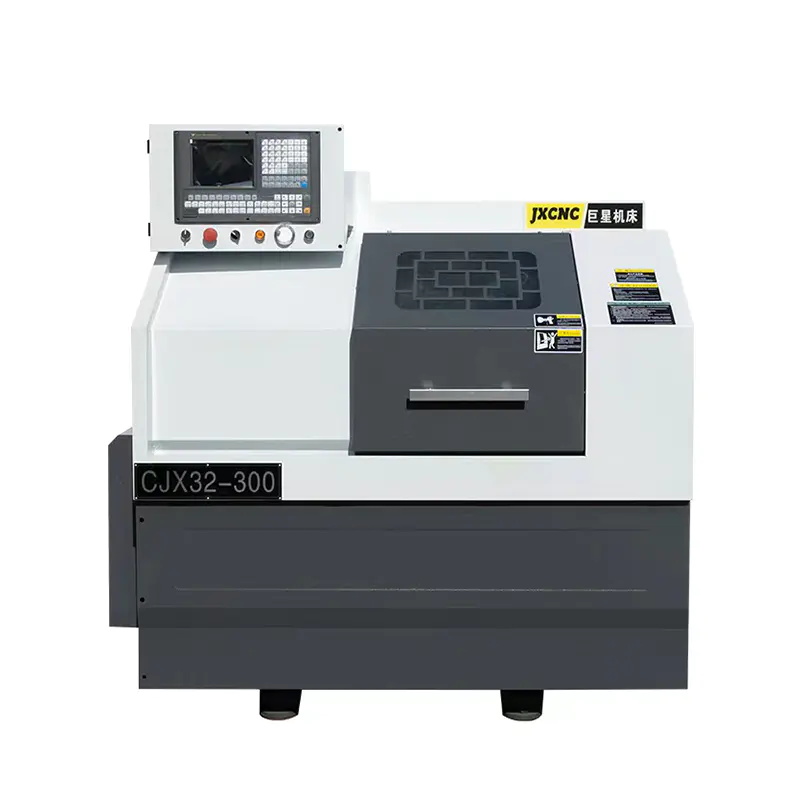
The JX32-300 Mini Economical CNC Lathe Machine is designed to provide high precision and efficient machining for a wide range of metal products. With ...
See Details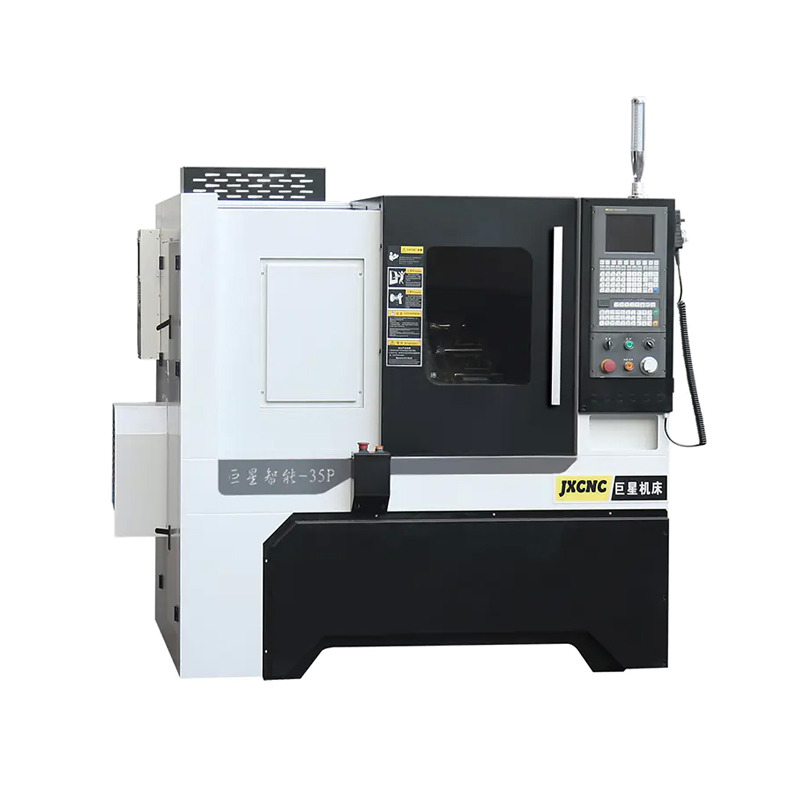
The JX35P CNC Hiwin Linear Guide Machine with High Precision is a reliable and robust solution for various machining applications. With its horizontal...
See Details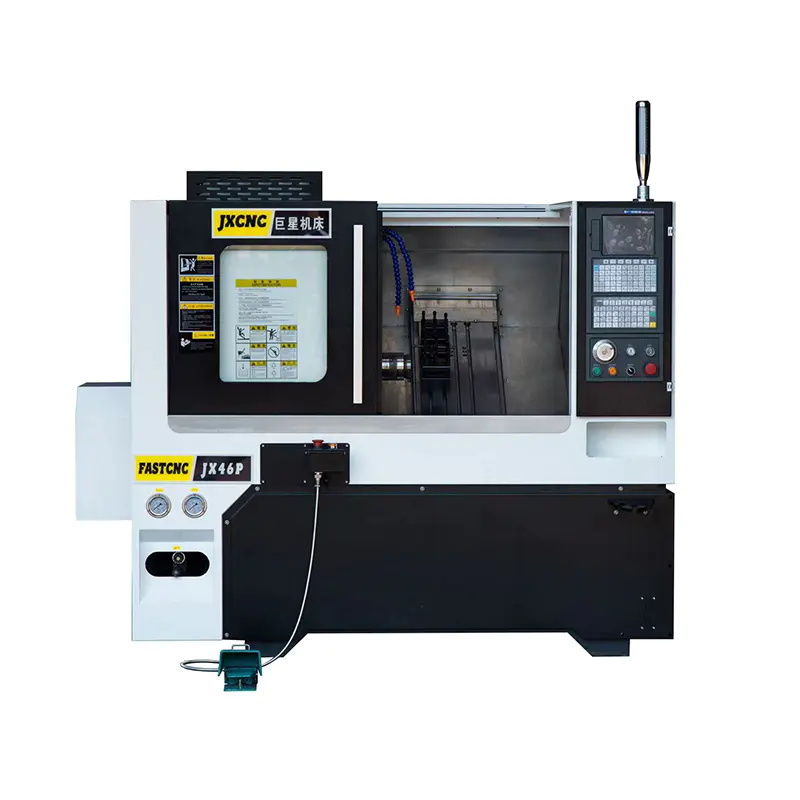
The JX46P Slant Bed CNC Lathe Machine of Cast Iron Machine Base is a high-performance machine tool designed for various machining operations. With its...
See Details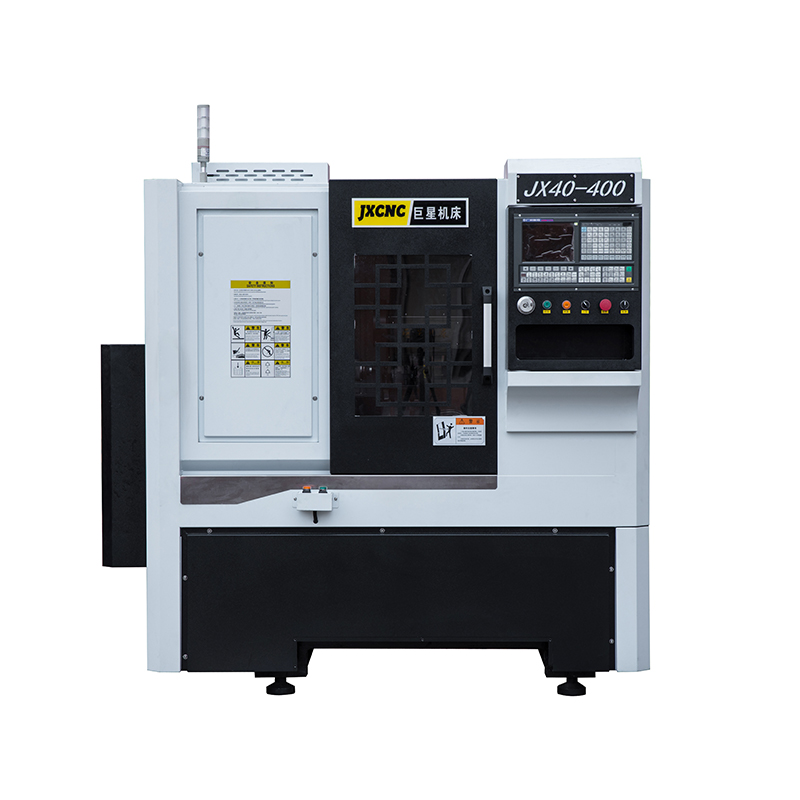
The JX40-400 Factory High Speed Precision CNC Lathes are designed to provide exceptional efficiency and accuracy in machining processes. With the abil...
See Details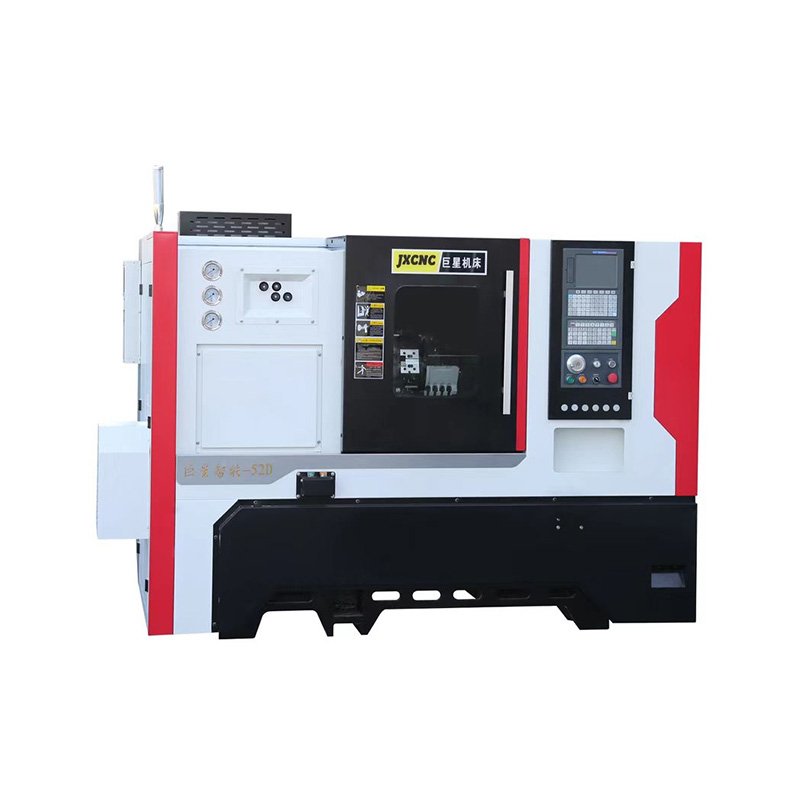
As a trusted machine tool equipment supplier in China, we prioritize customer satisfaction and strive to provide the solutions and support. Our JX52D ...
See Details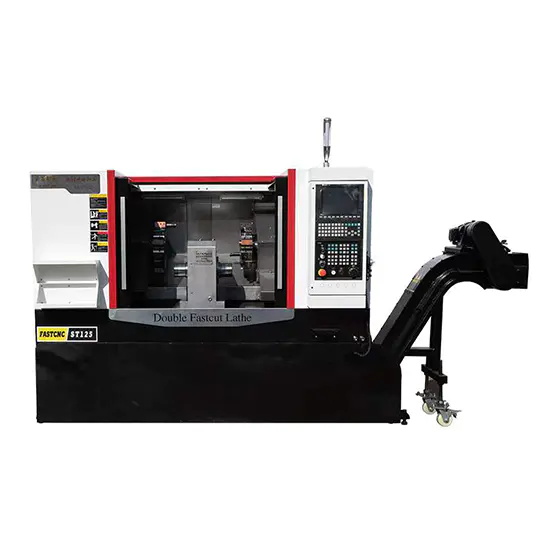
The JX125 Double Head CNC Machine is a cutting-edge machine tool that utilizes a central spindle, two Z-axes, two X-axes, and bidirectional drag plate...
See Details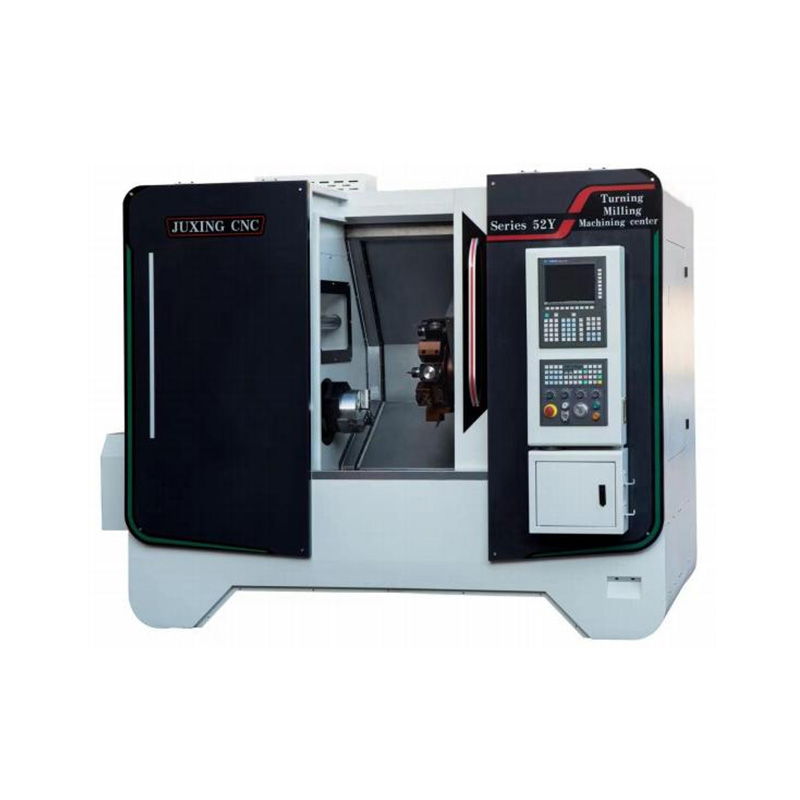
In conclusion, the JX52Y CNC Turning Lathes with Computer Control System is a highly advanced and efficient machine that combines the functionality of...
See DetailsTEL : +86-576-87491531
FAX : +86-576-87493038
E-MAIL : chinajuxing@aliyun.com
ADDRESS: Longxi Industrial Zone, Yuhuan City, Taizhou City, Zhejiang Province, China
CopyrightTaizhou Yestar Intelligent Equipment Co., Ltd. All Rights Reserved.