English
 中文简体
中文简体 русский
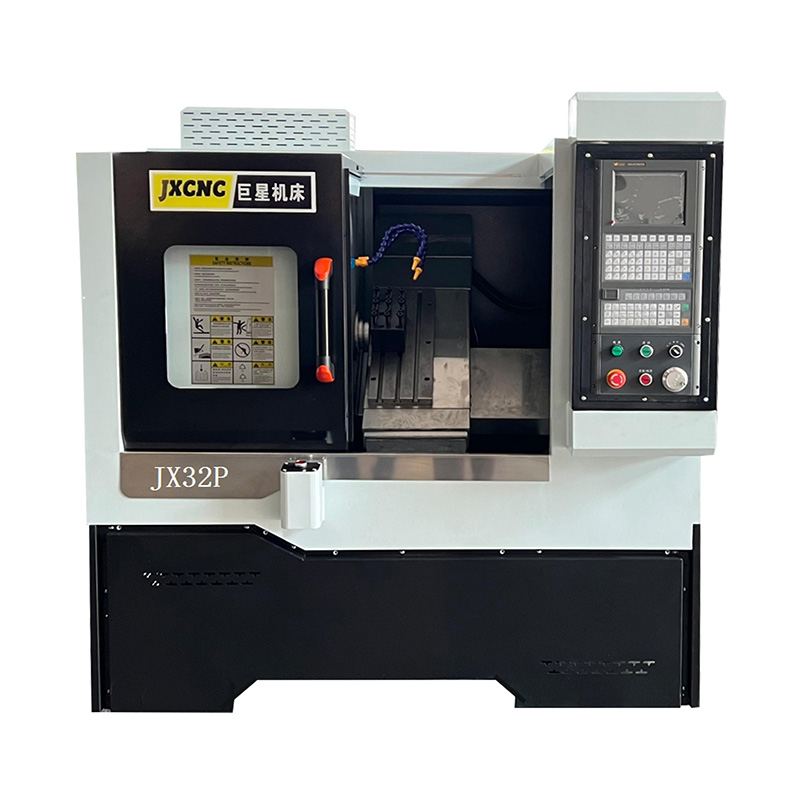
HX30 Mandrel Bar Feeder Cheap CNC Lathe
Cat:Flat Bed with Gang Tool Type Machine
A notable feature of the HX30 Mandrel Bar Feeder Cheap CNC Lathe is its efficient and reliable mandrel bar feeder. The mandrel serves as a support for...
See Details


1. Precision and Automation
One of the significant advantages of CNC milling machines factory is their ability to perform high-precision tasks with minimal human intervention. While traditional manual machines rely heavily on the operator's skill and experience, CNC milling machines are programmed to follow precise instructions, ensuring consistent and accurate results.
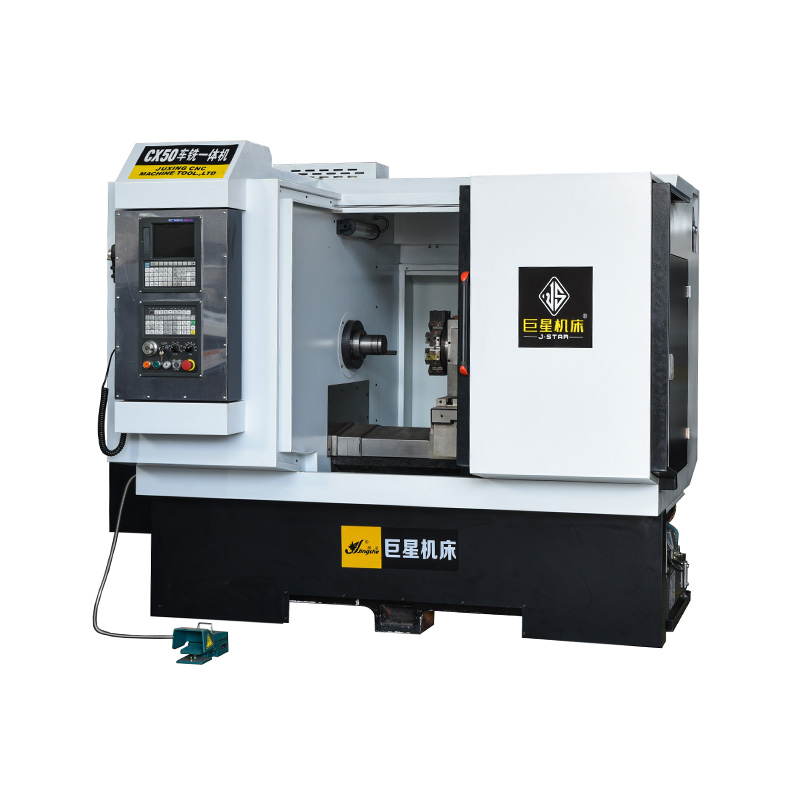
CNC Milling vs. Manual Milling: Manual milling machines require the operator to control the movement of the cutting tool by hand, which can bring about variations in precision, especially over long production runs. CNC milling machines, on the other hand, use computer programming to control the cutting tools automatically, ensuring repeatable accuracy and reducing the risk of human error.
CNC Milling vs. CNC Lathes: CNC lathes are primarily used for turning operations, where the workpiece is rotated while a cutting tool removes material. While CNC lathes are good for cylindrical parts, CNC milling machines are more versatile, as they can work on parts with complex shapes, including flat surfaces, holes, slots, and contours.
The ability to automate complex operations with high precision is a key differentiator for CNC milling machines compared to both manual and lathe machines.
2. Versatility and Application
CNC milling machines are versatile and capable of performing a wide range of operations, including drilling, boring, cutting, and shaping. This makes them suitable for various industries and applications, from manufacturing simple parts to creating complex geometries.
CNC Milling vs. CNC Lathes: While CNC lathes are ideal for cylindrical workpieces and primarily perform turning operations, CNC milling machines can produce a broader variety of shapes, including flat, cylindrical, and three-dimensional geometries. CNC mills are often used in industries that require intricate designs or multi-axis operations.
CNC Milling vs. Traditional Manual Machines: Traditional manual machines lack the flexibility of CNC machines, as they typically require additional tools, jigs, and fixtures to complete a variety of tasks. CNC milling machines, by contrast, can easily switch between operations by simply adjusting the programming and tool setup, making them ideal for production environments where flexibility is key.
The versatility of CNC milling machines allows them to perform multiple tasks in a single setup, streamlining the manufacturing process and reducing the need for multiple machines.
3. Speed and Efficiency
CNC milling machines excel in both speed and efficiency, particularly in high-volume production environments. The automation and precision of CNC systems allow for rapid production of parts with minimal downtime.
CNC Milling vs. Manual Milling: CNC milling machines can produce parts much faster than manual machines because they operate automatically, without the need for constant supervision. The process can also be automated for extended periods, reducing production time and increasing throughput.
CNC Milling vs. CNC Lathes: While CNC lathes are highly efficient for turning operations, CNC milling machines can often outperform lathes when producing parts with complex geometries or multiple features. The ability to handle multiple operations in one cycle makes CNC milling machines ideal for producing intricate parts in less time.
By automating repetitive tasks and reducing the need for operator involvement, CNC milling machines improve both speed and efficiency, higher productivity.
CNC Milling Machine: Features and Advantages
CNC milling machines are equipped with advanced features that contribute to their performance in manufacturing. These machines are highly automated and capable of performing a wide range of tasks with high precision. Below, we explore some of the key features and advantages of CNC milling machines.
Advanced Control Systems
Computer-Controlled Precision: CNC milling machines are operated through computer programs that direct the movement of the cutting tools and the workpiece. This eliminates the need for manual adjustments, ensuring precise and repeatable results.
Multiple Axis Functionality: CNC mills often feature multiple axes of movement, such as 3-axis, 4-axis, or even 5-axis configurations. These additional axes allow the machine to perform more complex operations on parts, increasing its versatility.
Wide Range of Materials
Efficiency and Time-Saving
Quality and Consistency
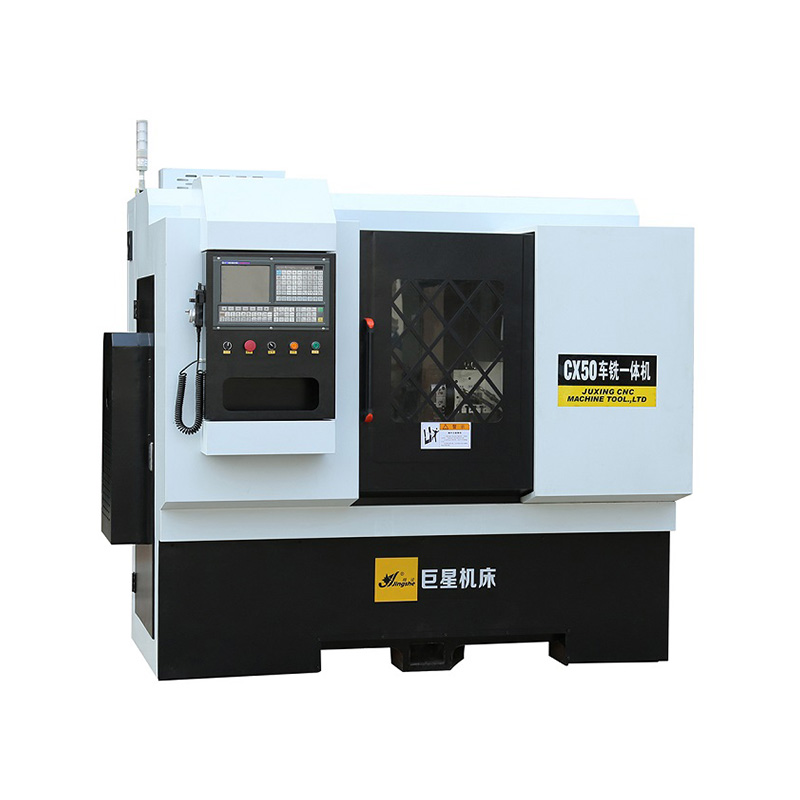
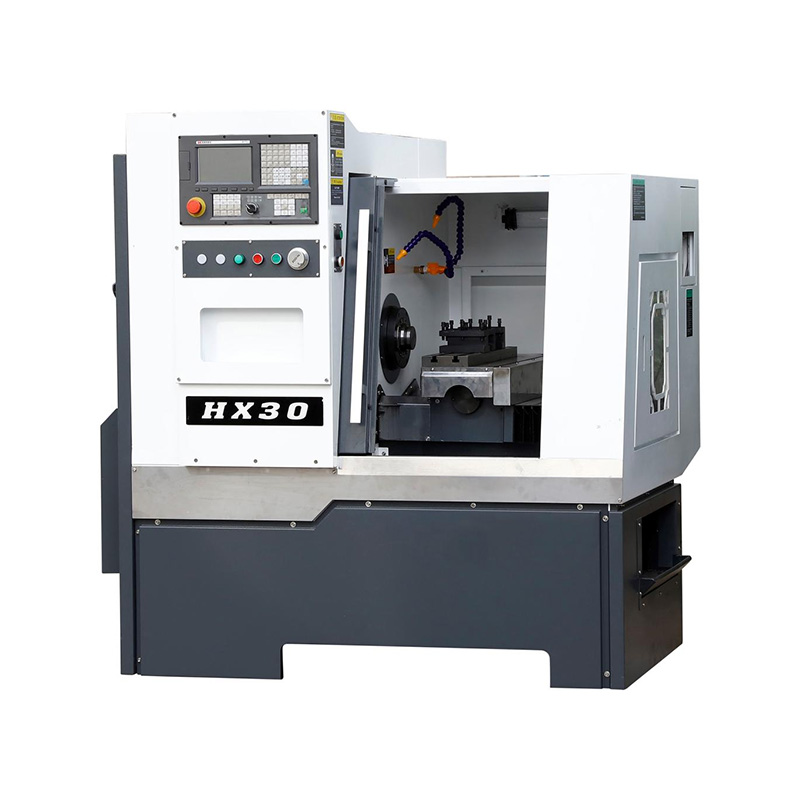
A notable feature of the HX30 Mandrel Bar Feeder Cheap CNC Lathe is its efficient and reliable mandrel bar feeder. The mandrel serves as a support for...
See Details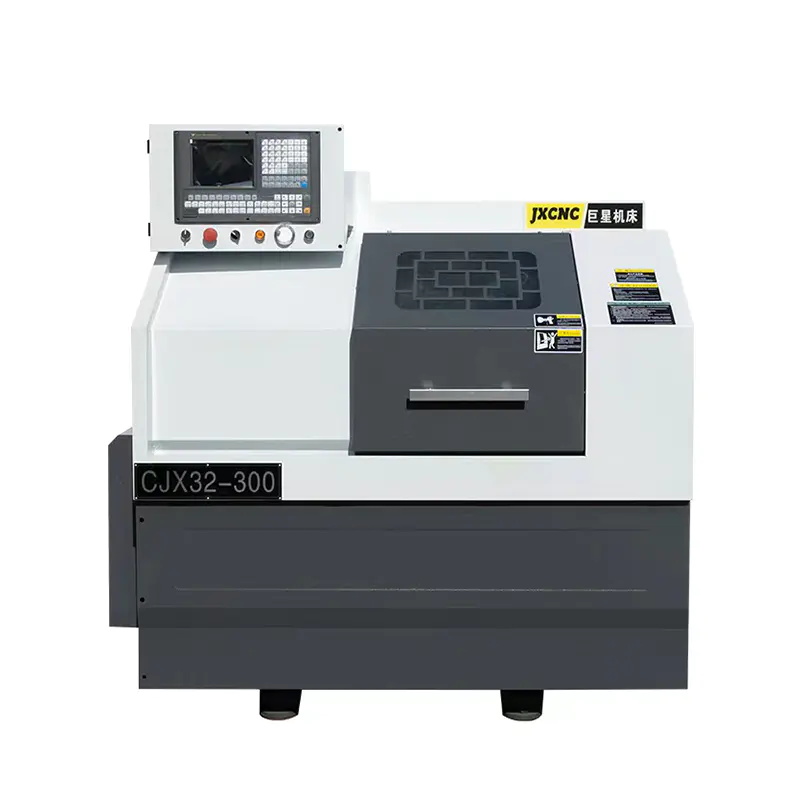
The JX32-300 Mini Economical CNC Lathe Machine is designed to provide high precision and efficient machining for a wide range of metal products. With ...
See Details
Introducing the JX36P China Good Supplier CNC Lathe Machine, a high-quality and efficient tool designed for precision machining. With its horizontal i...
See Details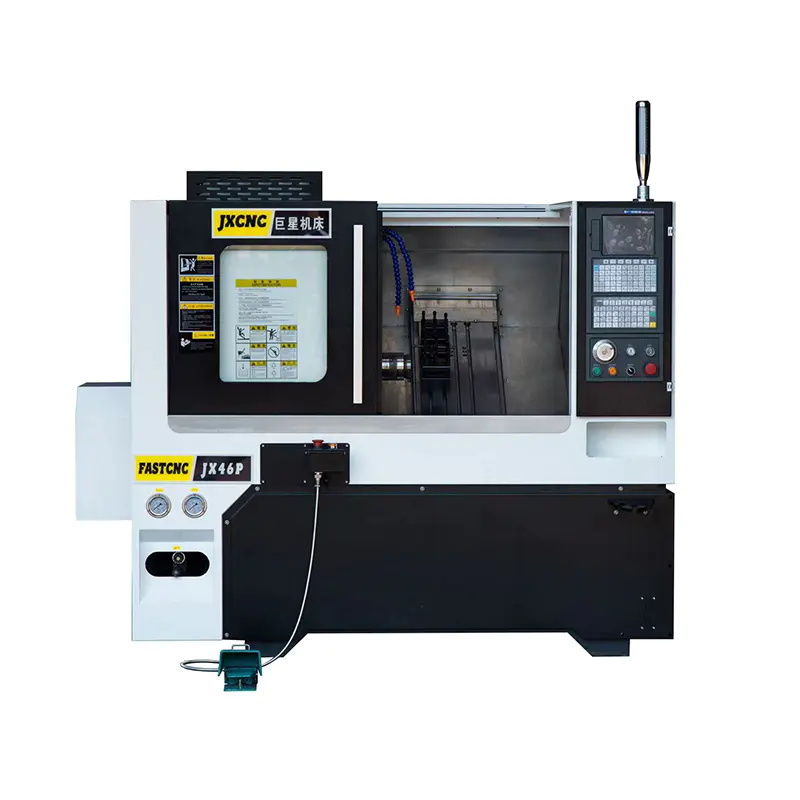
The JX46P Slant Bed CNC Lathe Machine of Cast Iron Machine Base is a high-performance machine tool designed for various machining operations. With its...
See Details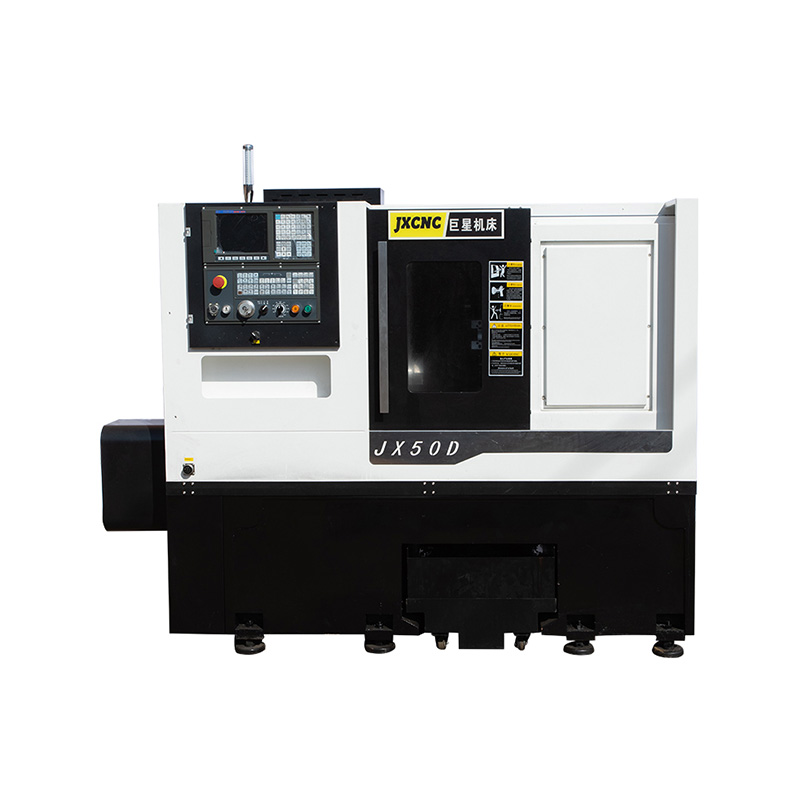
Introducing the JX50D CNC Machine Tools List from China's CNC machine tools manufacturer. Our machine tools are equipped with a servo hydraulic turret...
See Details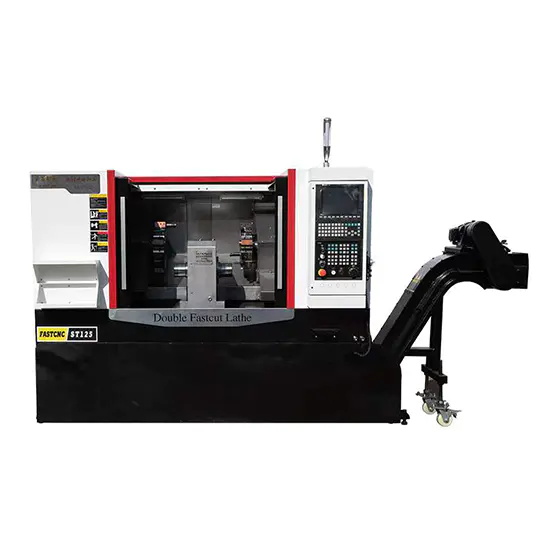
The JX125 Double Head CNC Machine is a cutting-edge machine tool that utilizes a central spindle, two Z-axes, two X-axes, and bidirectional drag plate...
See Details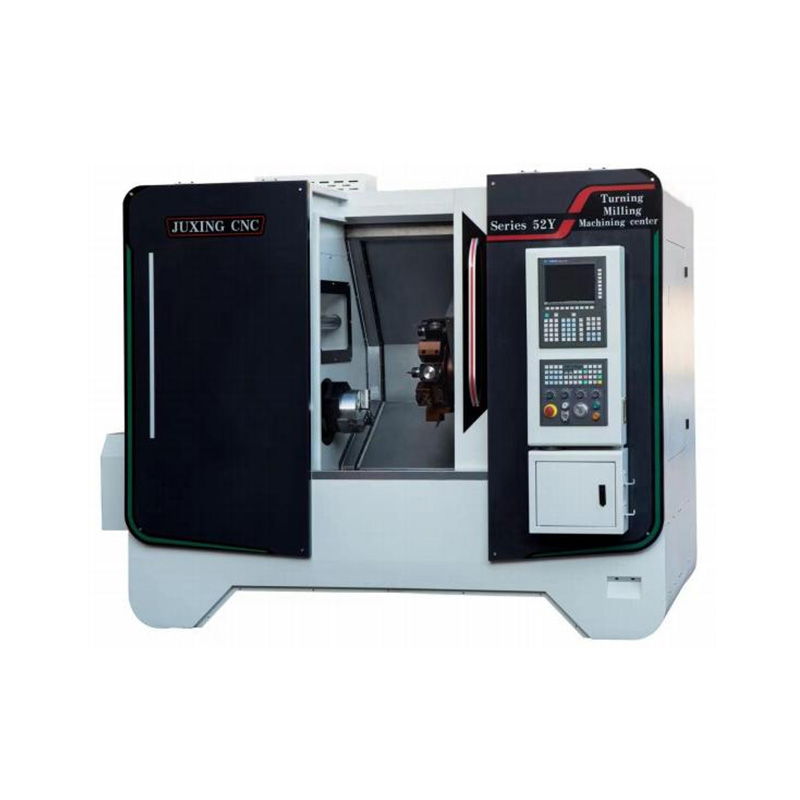
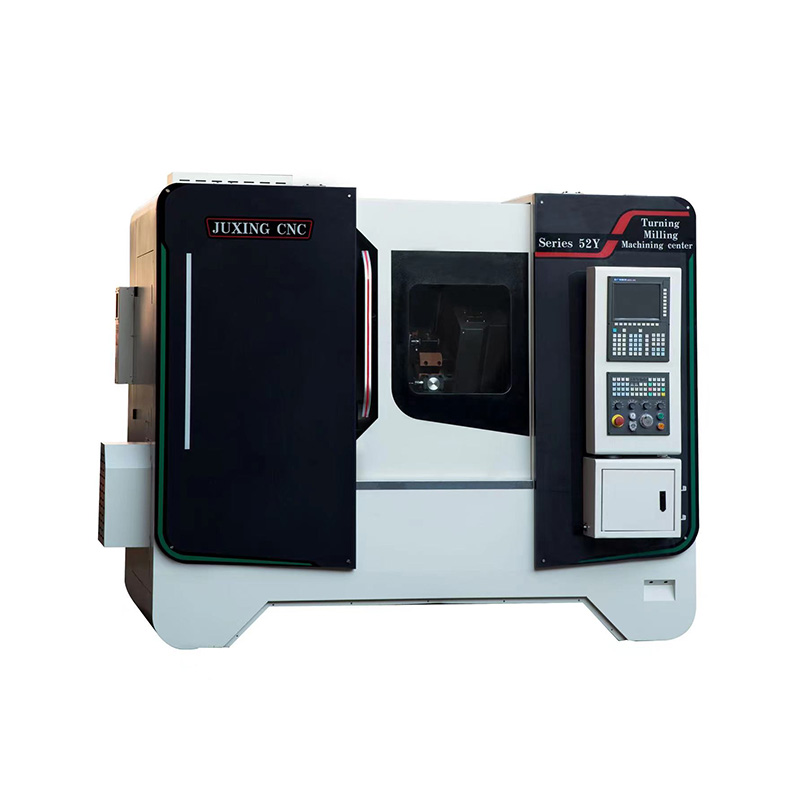
In conclusion, the JX52Y CNC Turning Lathes with Computer Control System is a highly advanced and efficient machine that combines the functionality of...
See DetailsTEL : +86-576-87491531
FAX : +86-576-87493038
E-MAIL : chinajuxing@aliyun.com
ADDRESS: Longxi Industrial Zone, Yuhuan City, Taizhou City, Zhejiang Province, China
CopyrightTaizhou Yestar Intelligent Equipment Co., Ltd. All Rights Reserved.