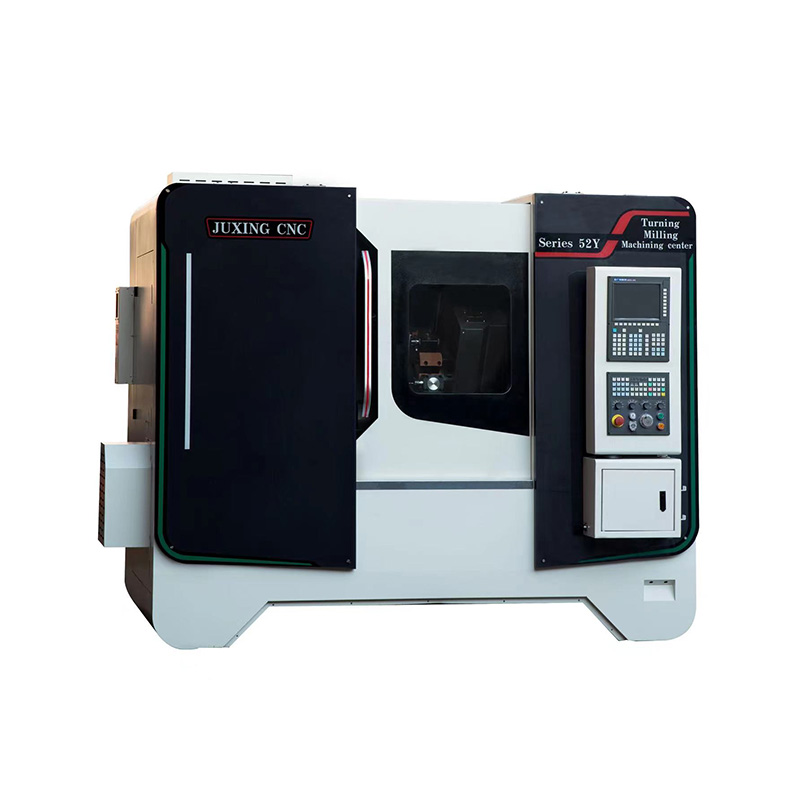
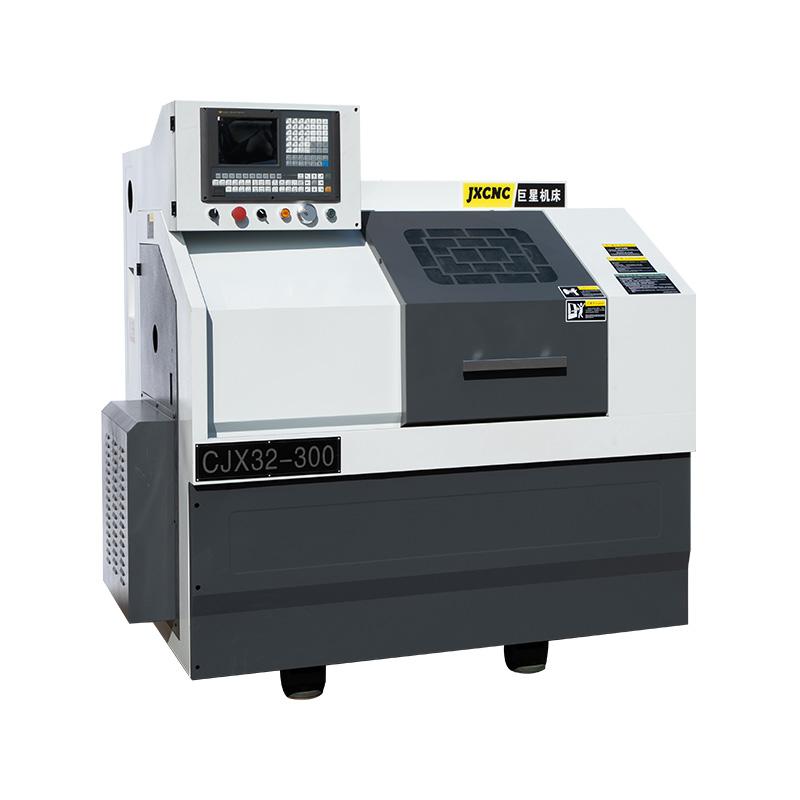
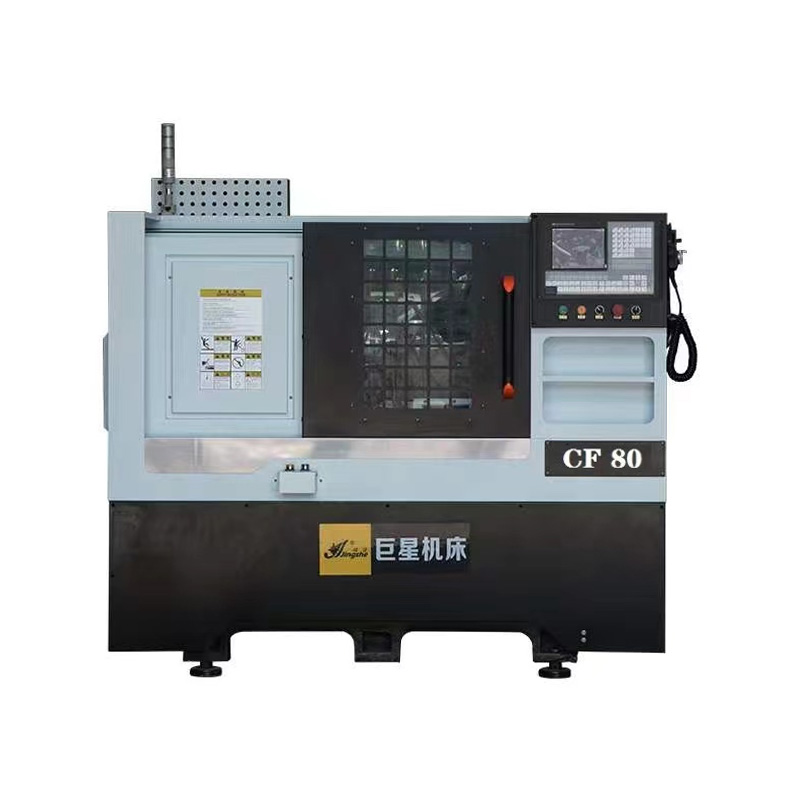
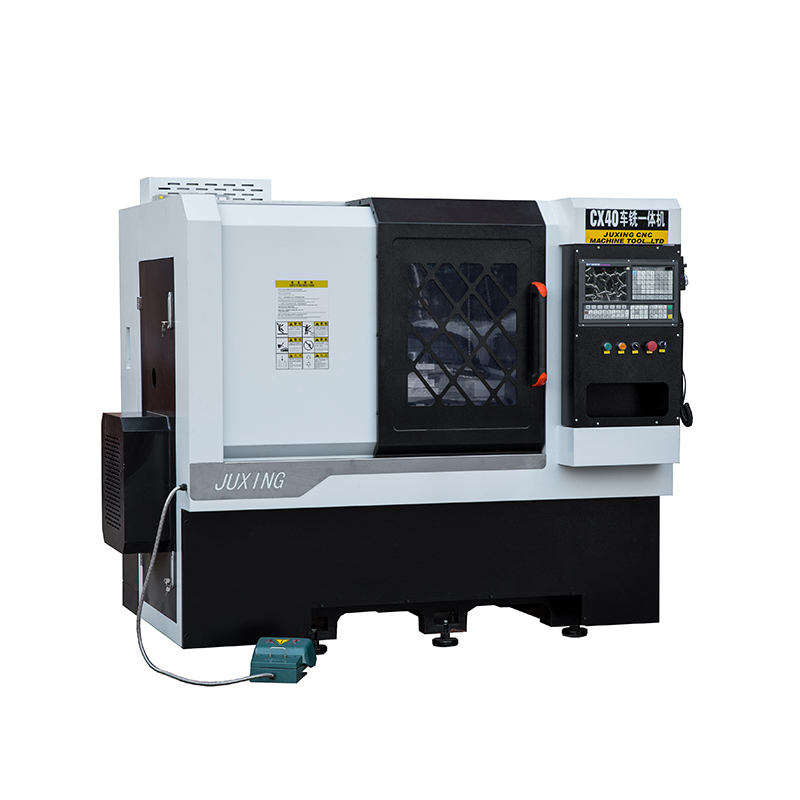
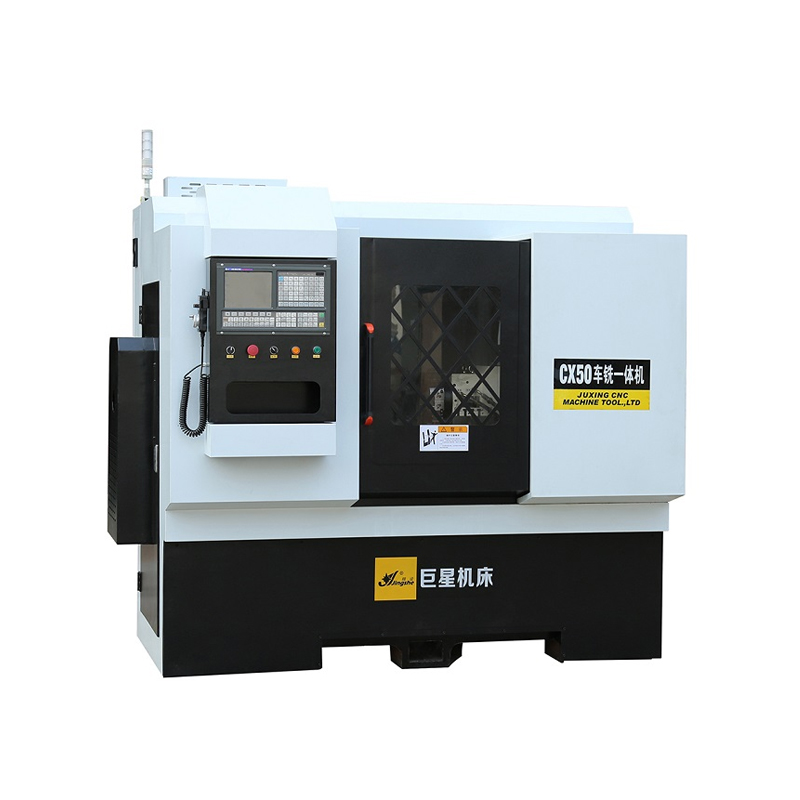
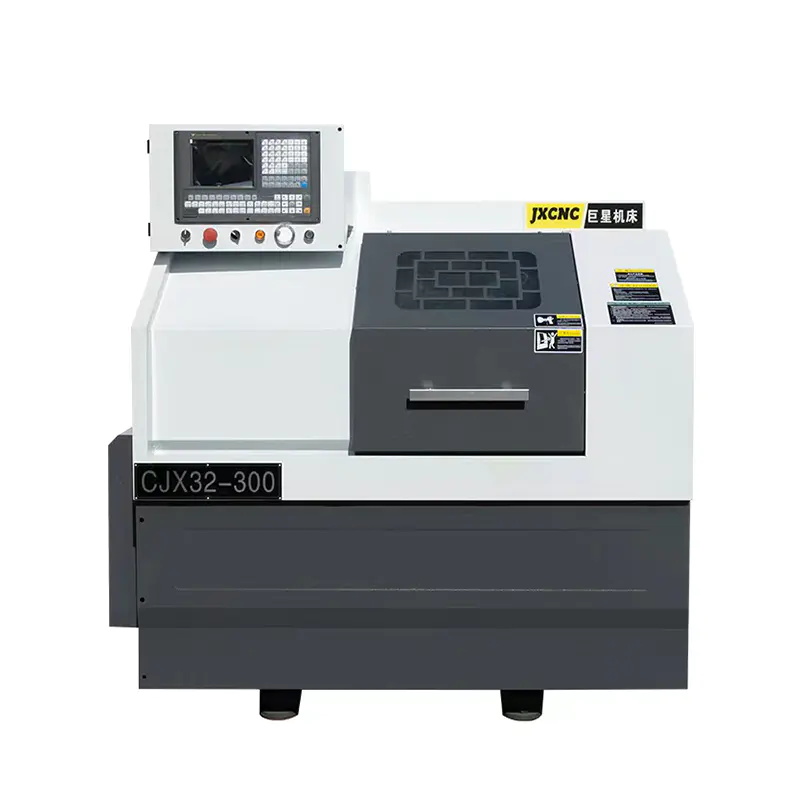
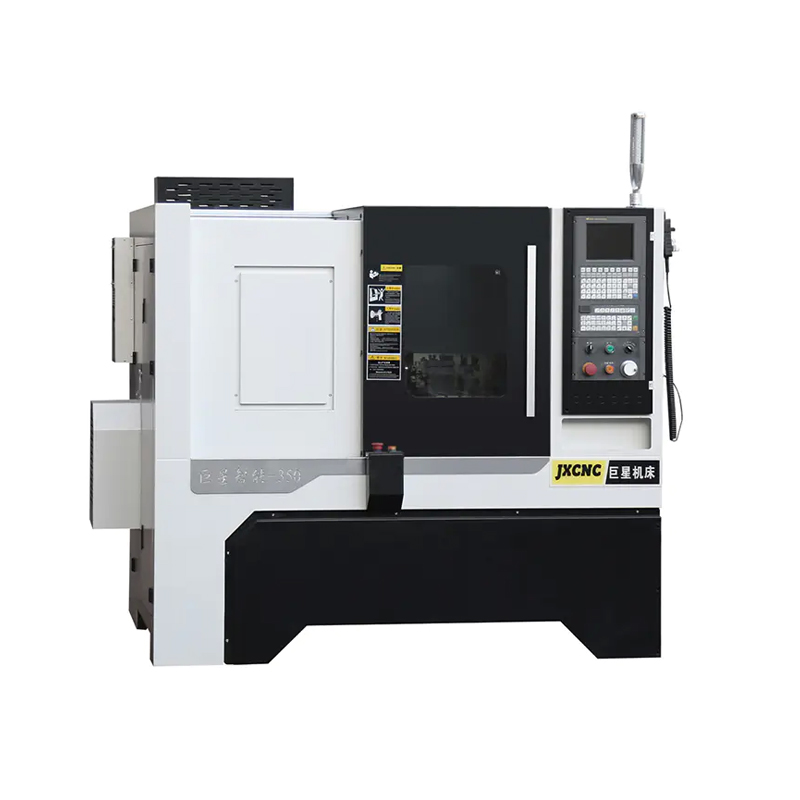
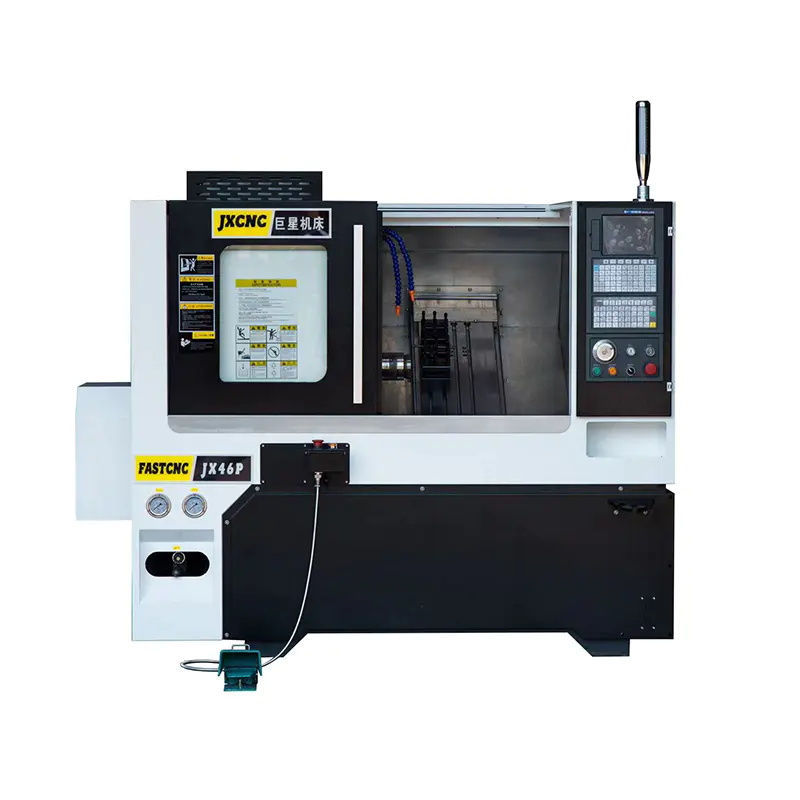
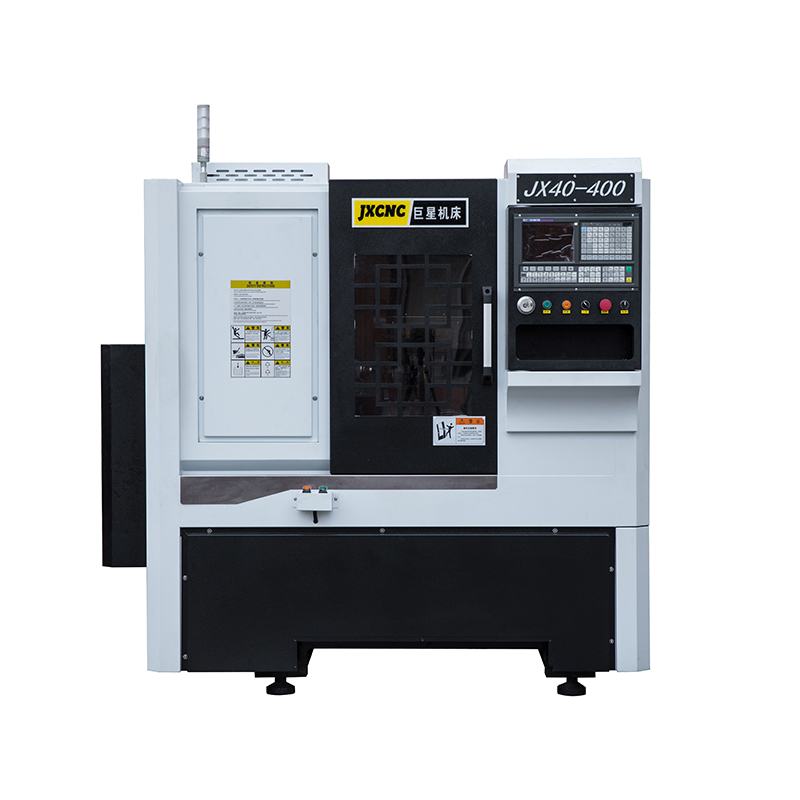
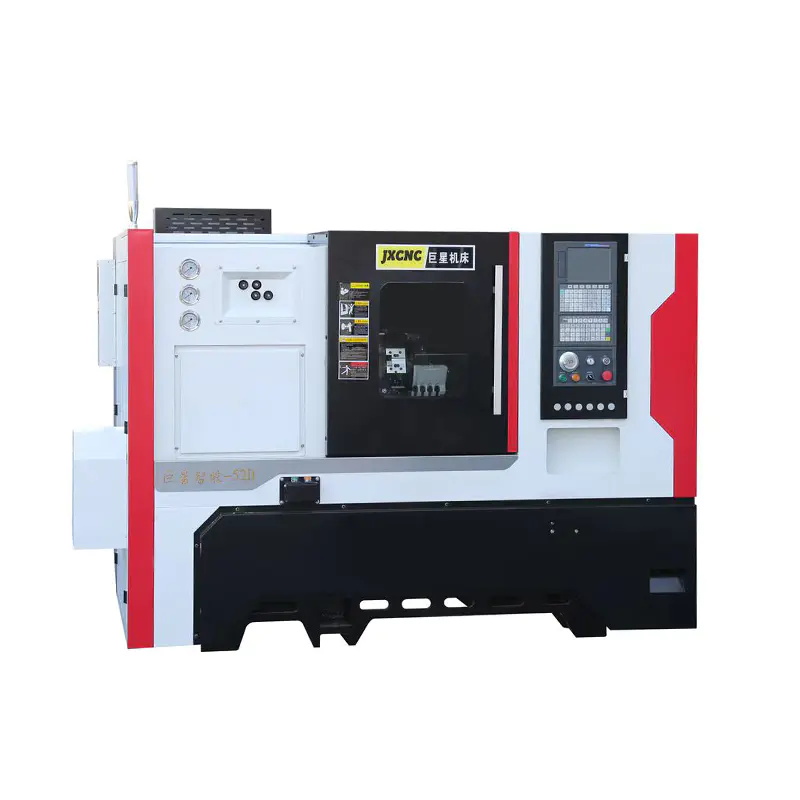
Purchasing a metal turning lathe involves more than comparing machine specifications and initial quotations. Equipment installation, operator training, spare parts availability, and technical assistance all influence the long-term value of a machine investment. Overseas buyers face additional challenges because on-site maintenance and communication with manufacturers may require international coordination.
At Juxing, we understand that industrial customers need clear service arrangements before confirming equipment purchases. Buyers researching a metal turning lathe for sale should evaluate the supplier's after-sales capabilities alongside machine configuration, machining capacity, and production requirements. The following services deserve particular attention during procurement.
1. Installation and Machine Commissioning
Proper installation establishes the operating conditions required for stable machining. Incorrect leveling, electrical connections, or machine positioning may affect equipment performance and create difficulties during initial production.
Buyers should clarify the installation responsibilities before shipment:
- Installation guidance: Confirm whether the supplier provides foundation requirements, positioning instructions, and electrical connection documentation.
- Machine leveling: Understand the procedures for checking machine alignment and leveling after transportation.
- Commissioning: Ask whether spindle operation, lubrication, tool movement, and safety functions will be checked before production.
- Acceptance testing: Agree on inspection items and operating conditions for confirming machine readiness.
At Juxing, we believe installation responsibilities should be clearly defined in the purchasing agreement, particularly for overseas projects involving different electrical standards and factory conditions.
2. Operator Training and Technical Documentation
Even a properly configured lathe requires trained operators to achieve consistent machining results. Insufficient knowledge of programming, tool setup, and routine maintenance may increase setup errors and equipment interruptions.
Before purchasing, buyers should ask whether the supplier can provide:
- Basic machine operation and control panel training.
- Tool installation, workpiece clamping, and setup instructions.
- Programming guidance and machining parameter references.
- Electrical diagrams, maintenance manuals, and troubleshooting documents.
Training arrangements may include factory-based instruction, remote sessions, or on-site assistance, depending on the agreement. Complete technical documentation also helps maintenance personnel handle routine checks without repeatedly contacting the manufacturer.
3. Warranty Coverage and Repair Responsibilities
Warranty conditions can differ between machine configurations and suppliers. Buyers should examine the written agreement instead of relying on general statements about warranty protection.
Important details include:
- Warranty duration: Confirm the starting date and applicable coverage period.
- Covered components: Clarify whether mechanical, electrical, spindle, and control-system components are included.
- Exclusions: Identify consumables, cutting tools, normal wear items, and damage caused by improper operation.
- Repair expenses: Establish responsibility for replacement parts, labor, transportation, and on-site service costs.
A detailed warranty agreement makes responsibilities clearer and helps buyers estimate potential maintenance expenses throughout the equipment's operating period.
4. Spare Parts Availability and Replacement Support
Spare parts supply is particularly important for factories operating turning equipment on regular production schedules. A relatively small component failure can interrupt machining operations until a suitable replacement becomes available.
We recommend checking the following points before confirming an order:
- Availability of commonly replaced electrical and mechanical components.
- Supply arrangements for bearings, belts, seals, switches, and other maintenance items.
- Availability of compatible replacement components for the specified machine model.
- Part identification methods, ordering procedures, and international shipping arrangements.
- Recommended spare parts to keep at the installation site.
Buyers can also request a spare parts list with part numbers and technical descriptions. This information simplifies future maintenance planning and replacement requests.
5. Remote Technical Assistance and Troubleshooting
Remote technical support can reduce communication delays during routine troubleshooting, especially for overseas equipment installations. However, buyers should understand what assistance is actually available.
Useful support arrangements may include:
- Video calls for identifying machine alarms and operating problems.
- Guidance for checking electrical connections and mechanical components.
- Control-system troubleshooting and parameter assistance.
- Clear procedures for escalating faults that require on-site inspection.
During supplier evaluation, ask about technical response arrangements, available communication channels, service hours, and the conditions for dispatching engineers. Specific commitments are more useful than a general promise of technical assistance.
6. Preventive Maintenance and Long-Term Service
After-sales support should continue beyond the initial installation and warranty period. Regular maintenance helps preserve machine condition and provides opportunities to identify developing problems before they interrupt production.
A practical maintenance plan should cover:
- Lubrication system inspections and scheduled oil replacement.
- Spindle condition and machine alignment checks.
- Electrical cabinet cleaning and connection inspections.
- Guideway, chuck, and workholding component maintenance.
- Coolant condition and chip removal system inspections.
At Juxing, we consider long-term technical communication an important part of equipment purchasing discussions. Buyers should confirm whether maintenance guidance, replacement parts, and additional technical services remain available after the warranty expires.
Evaluate Service Support Before Confirming a Purchase
A metal turning lathe is a long-term manufacturing investment, so its value depends on more than machining specifications and purchase price. Installation, training, warranty coverage, spare parts supply, remote troubleshooting, and preventive maintenance all influence equipment usability and operating costs.
At Juxing, we encourage overseas buyers to discuss these service requirements alongside machine configuration and production applications. Clear agreements help both parties understand their responsibilities and prepare for equipment operation after delivery.
Contact Juxing to discuss your metal turning equipment requirements, technical questions, and manufacturing plans. Our team can help you review relevant machine configurations and project requirements before making a purchasing decision.



 English
 中文简体
 русский